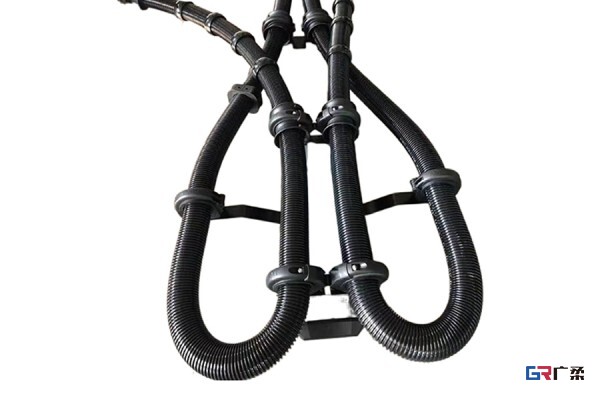
important Takeaways
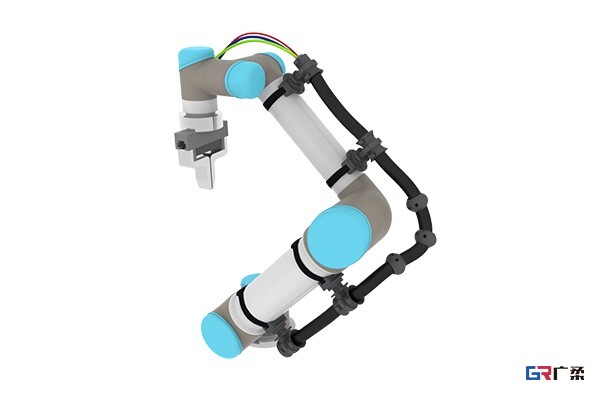
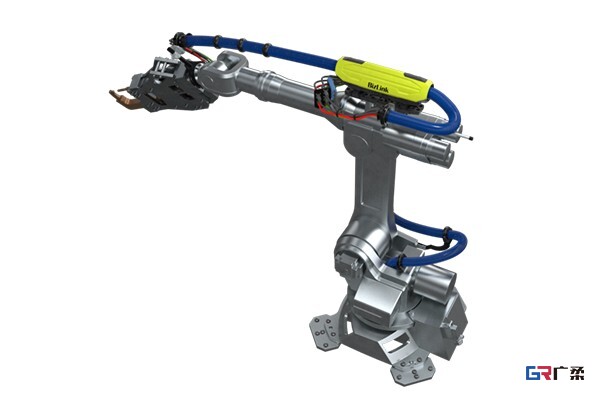
Robot hoses keep robots running. Built for heavy use, they cut maintenance and protect the cables inside, so you replace parts less often. Good hoses bend without kinking or chafing the wiring, which matters when arms move fast and repeat the same paths all day. Using materials that reduce internal friction also saves energy — not a huge secret, but it adds up on a busy production floor. Strain-relief elements and protective layers defend wiring from knocks, dust, and moisture, which makes the whole system less fussy. I prefer investing in better hoses early; cheaper options tend to create annoying, preventable downtime.
new Robot Hose Design
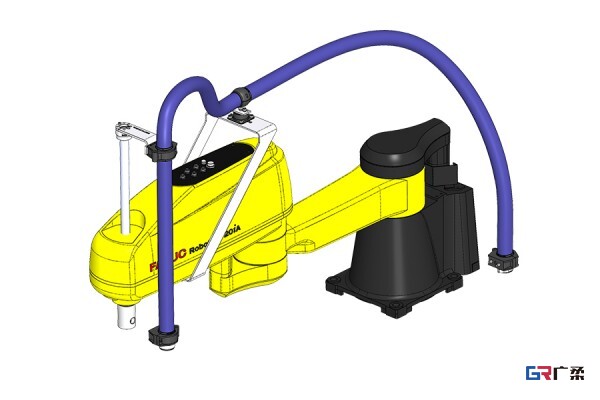
The latest robot hose designs focus on flexibility and toughness. They handle the repeated twists and stretches of robotic motion while resisting wear. Key elements include impact-resistant polymers and couplings that cut down on kinks and leaks.
"Choosing the right hose changes how the robot performs in practice."
Different lengths and diameters match different machines, and lighter constructions shave weight off moving joints. Added strain relief keeps connectors from taking all the stress, which matters more than people expect when a cable is constantly bending. These choices make sense across manufacturing and automation — they save time and headaches.
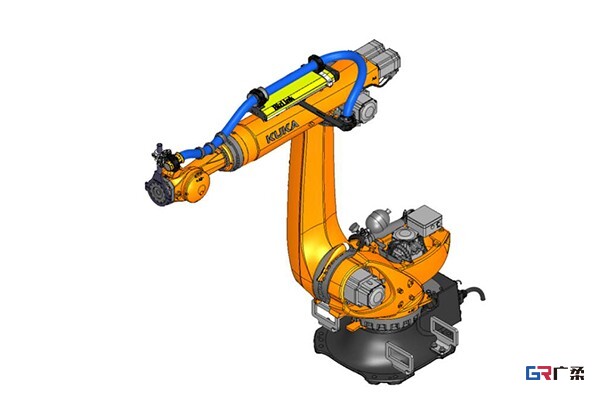
Durability in Robotic Hoses
Durability is the point. These hoses use compounds that resist abrasion, heat, and repeated flexing so they won’t fail after a few months. Reinforced layers and simple mechanical tricks like bend restrictors and shock-absorbing inserts protect the spots that wear fastest.
Cheap hoses fatigue quickly; the well-designed ones survive longer because they tackle stress where it happens. Manufacturers test them under real motion cycles, and that matters — untested parts can look fine on a bench and break in an hour under load.
In practice, tougher hoses mean fewer service calls and less unexpected downtime. I’ve seen systems where replacing a single failing sleeve stopped a whole line for a morning. Spend a bit more on durability and you avoid that kind of morning.
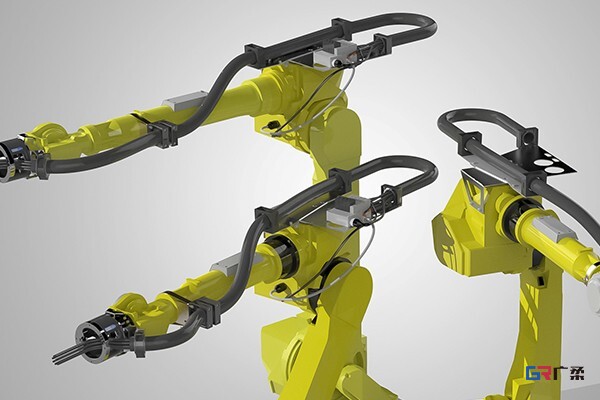
Efficiency of robot hoses
Hoses matter for more than protection. Low-friction interiors and smooth profiles let cables slide without catching, which cuts the energy lost to drag. Kink-resistant shapes keep movement predictable, and predictable movement means fewer jerks, less wear, and better cycle times.
Lightweight constructions also reduce the burden on arms and joints. When a robot repeatedly accelerates and decelerates, every gram counts. Add strain relief and surface wear guards, and the hose performs consistently instead of degrading slowly until someone notices.
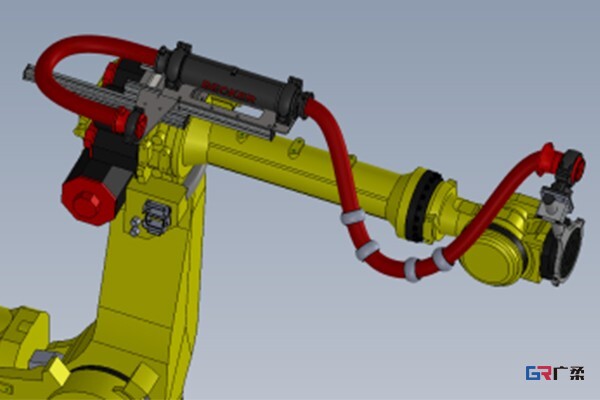
important Features of robot hoses
These hoses need to be flexible enough for free movement and tough enough for repetitive tasks. Typical choices include abrasion-resistant blends and heat-tolerant layers so the hose survives both motion and environment.
Seals keep dust and moisture out; that’s where a lot of intermittent failures start. Built-in strain relief at exits prevents chafing on connectors. Some models add wear rings or replaceable sleeves at high-friction points, which is a sensible, low-cost way to extend life. In short: pick features that solve the real wear points of your setup.
Applications in Robotics Systems
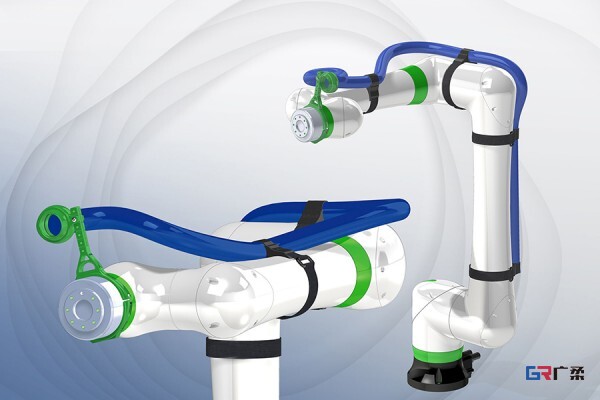
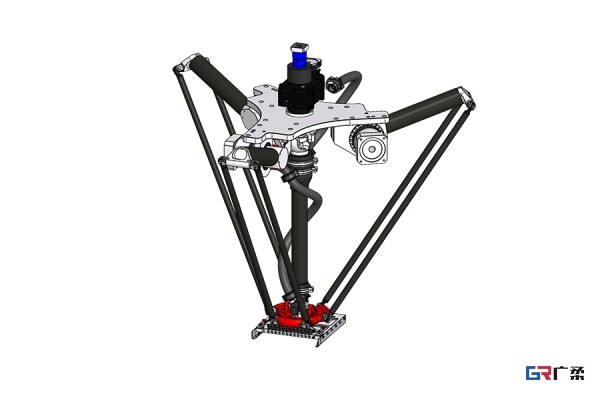
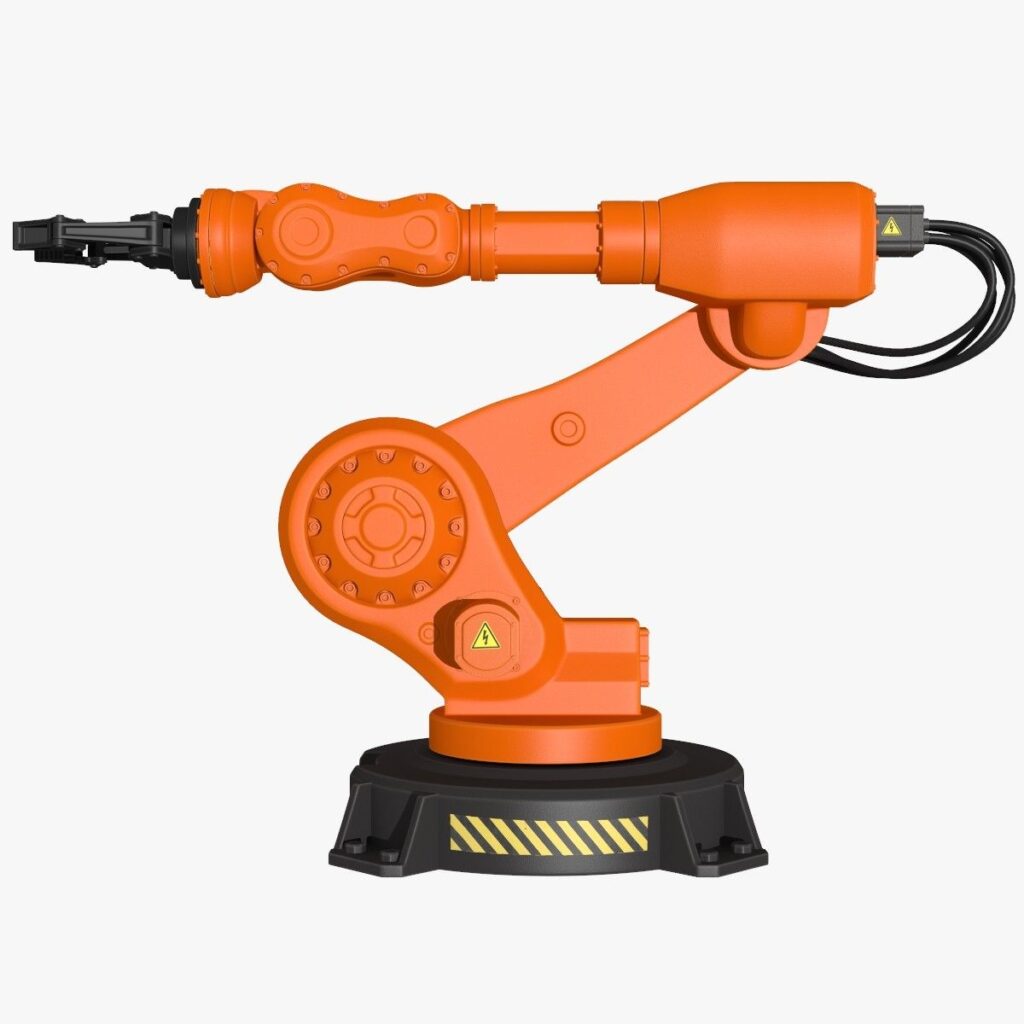
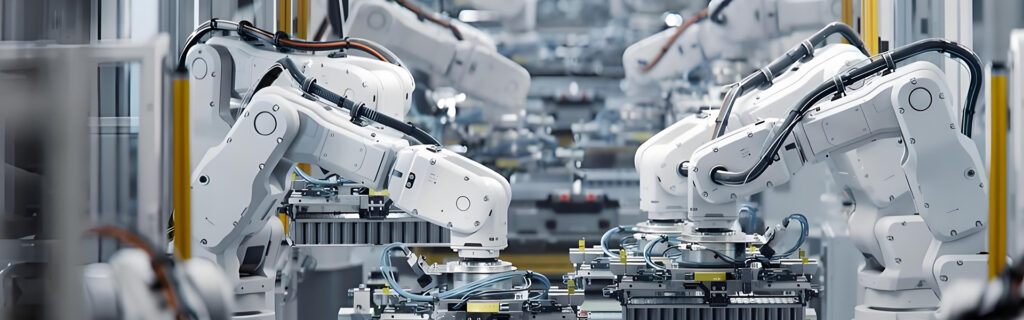
Robot hoses show up everywhere machines move: assembly lines, pick-and-place stations, material handling. They keep power, signal, and pneumatic lines tidy and safe while allowing continuous motion.
In warehouses, flexible routing helps mobile arms adapt to shifting layouts. In medical robotics, protected routing reduces the risk of electrical faults during precise procedures. Collaborative robots benefit too — tidy hoses reduce hazards and make installations neater. These are practical gains; they affect uptime and the way people work with the machines.
Benefits of Enhanced Robot Hoses
Upgrading hoses reduces replacements and maintenance. Better flexibility supports complex motions without trouble. When materials resist extreme conditions, the system runs reliably instead of failing when conditions get rough. Lighter hoses lower payload and improve speed and accuracy. Custom options let engineers solve particular problems rather than forcing a one-size-fits-all part. The bottom line: fewer interruptions and smoother operation.
Custom solutions for Hose Design
Off-the-shelf isn’t always the best answer. Custom designs start with a clear look at temperature swings, chemical exposure, motion profiles, and connector types. Then engineers pick materials and protective elements like abrasion covers or strain-relief boots to match those stresses.
Working with the end user matters. A little back-and-forth about motion paths and service access prevents surprises. Good customization makes the hose behave like part of the machine instead of an afterthought.
Protecting cables with Hoses
A hose is mainly a mechanical shield. It keeps cables from rubbing on nearby parts, stops snags, and limits exposure to contaminants. Flexible cores allow free movement while outer layers take the hits.
Adding strain relief and reinforced exit points focuses protection where damage usually starts. That small detail often cuts the number of service events in half. It’s a simple fix with outsized practical benefit.
Conclusion
The newer designs for robot hoses deliver better durability and smoother operation. Smart material choices and attention to where a hose bends or rubs help cables live longer and machines run more predictably. Automation depends on many small parts; this one is worth getting right if you care about uptime. Progress in tubing and protective sleeves is steady, but real improvements come when teams choose parts that match how their machines actually move.
FAQs
What is a Robot Specific Hose?
A Robot Specific Hose is designed for use in robotic systems, built to bend, protect wiring, and resist wear in continuous-motion environments.
Why is durability important in robotic hoses?
Durable hoses reduce repairs and prevent sudden failures that stop production.
How do these hoses improve efficiency?
They lower friction and prevent kinks, so robots waste less energy and keep motions smooth.
Can I customize these hoses for specific applications?
Yes. Custom builds address temperature, chemicals, motion range, and connector needs.
What features protect cables within the hose?
Strain relief, abrasion-resistant layers, and sealed exits protect wiring where it’s most vulnerable.
What materials are used in these hoses?
Manufacturers use impact-resistant polymers, heat-tolerant compounds, and abrasion-resistant covers to match application needs.
In what industries are these hoses commonly used?
Manufacturing, logistics, healthcare, and any sector relying on automated equipment.
How can I ensure the right hose is selected for my robot?
Match weight, movement patterns, and environmental exposure to hose specs, and consult suppliers about wear points.