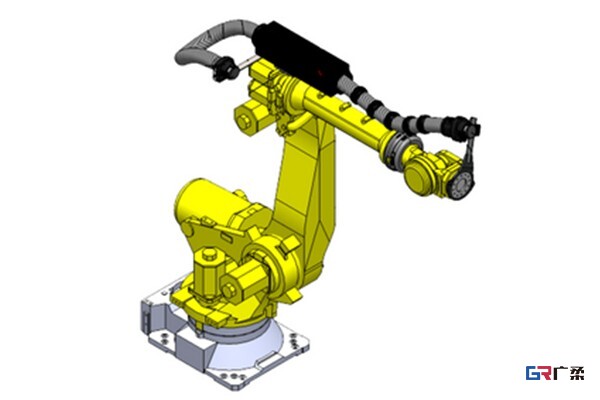
main Takeaways
Optimizing dresspacks for industrial robots directly influences efficiency and reliability in robotic systems. Durable materials, such as reinforced plastics, and shock-absorbing designs help extend the life of cables and dresspacks. Customizing dresspacks for specific applications lets them withstand environmental challenges, whether it’s heat in automotive manufacturing or corrosive agents in chemical processing. Furthermore, effective cable management within the dresspack reduces wear and prevents downtime. Regular maintenance checks and advances like smart monitoring systems can address potential issues before they escalate. This proactive management not only improves performance but also keeps productivity high by cutting unexpected interruptions in operations. In the end, careful integration of these technologies builds a resilient robotic environment, tailored to diverse industrial needs.
Enhancing durability in Dresspacks
Durability matters for keeping operations smooth. Dresspacks must stand up to repetitive motion without wearing out. High-quality materials, such as reinforced plastics and flexible composites, are commonly used to construct these protective systems. They should also incorporate design features that absorb shock and minimize friction, ultimately prolonging the life of both cables and dresspacks.
Testing under various environmental conditions shows how each dresspack handles factors like temperature fluctuations, exposure to chemicals, and physical stress. Furthermore, choosing the right components tailored to specific applications can help mitigate damage from external elements. For instance, integrating protective sleeves or covers around critical areas reduces the risk of abrasion while improving overall durability. The longevity of these systems matters; failures often lead to downtime, affecting production schedules and maintenance budgets. Prioritizing durability in design translates into better robotic performance across multiple sectors.
Application-Specific Dresspack Design
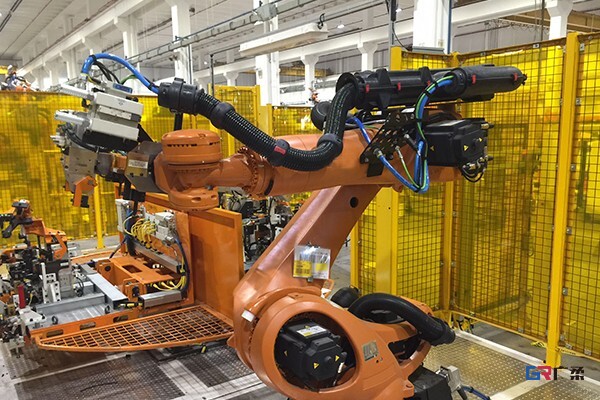
Designing dresspacks tailored for specific industrial applications matters for optimal performance. Each robot operates under unique conditions that impact cable management and protection. An application-specific dresspack considers these factors, ensuring it meets the demands of the environment and the robot’s tasks.
For instance, a dresspack used in automotive manufacturing must handle high-speed movements and frequent directional changes, requiring robust materials that resist wear. Conversely, units in chemical processing must withstand corrosive substances, necessitating specialized coatings or chemical-resistant components.
A well-designed dresspack takes environmental obstacles and mechanical stresses into account, a lead engineer stated. "This approach reduces failures and extends the life of robotic systems."
Also, adjusting bracket placements and routing can save space and ease cable load. By looking at each need, engineers can tailor dresspacks that shield cables and boost robot efficiency, affecting productivity across industries.
main Components for Efficiency
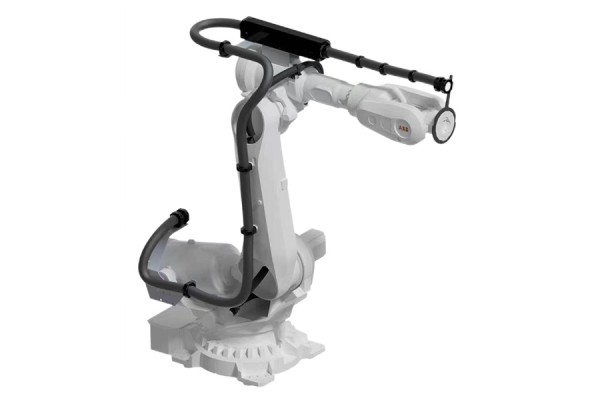
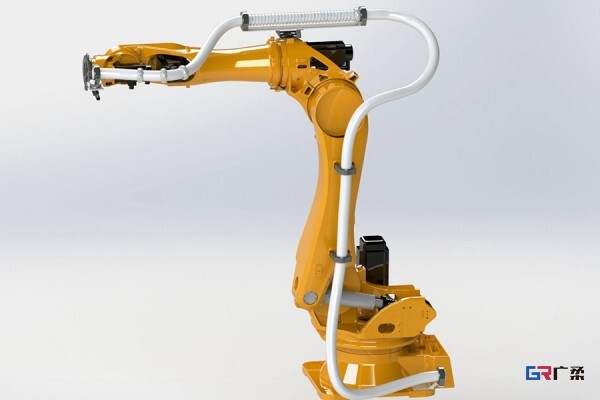
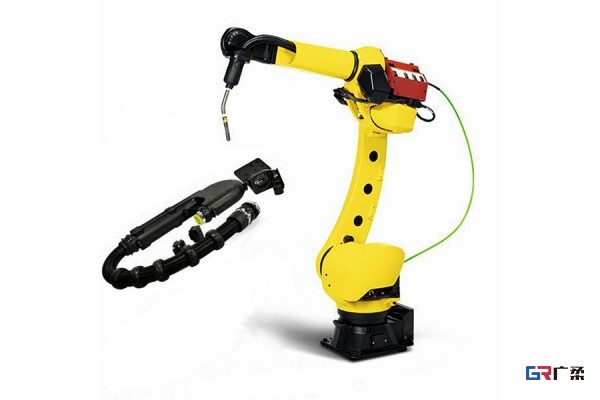
Key components drive efficiency: the bellows act as the main protective enclosure, keeping cables safe while allowing flexibility. Fixtures and mounting brackets secure parts for stable operation during fast movements. Modular connectors enable quick replacements and easier maintenance. Built-in cable management features keep power and data lines organized, preventing tangling and wear. Materials like polyurethane offer abrasion resistance and perform well in various environments. Each part should fit the specific use, often through collaboration between engineers and clients to address unique operational demands. A thoughtful mix of these elements lowers wear and supports smooth motion and reliability across industries.
Protecting cables in Robots
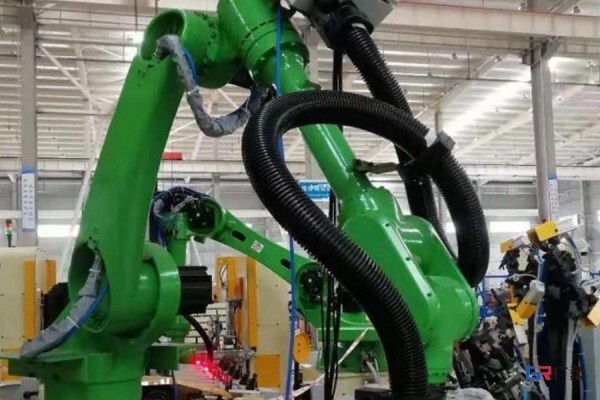
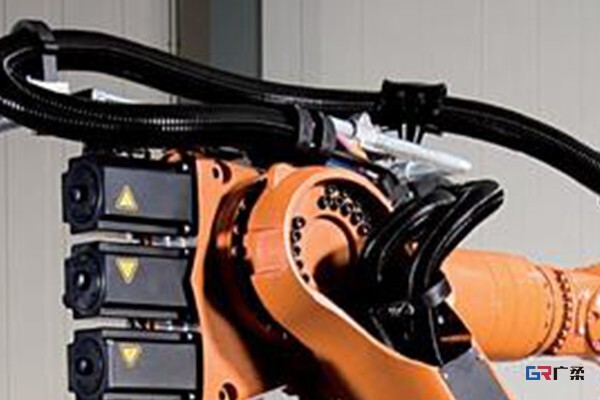
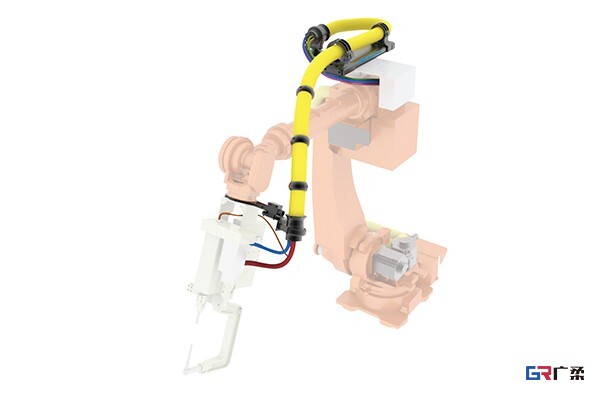
Robot dress packs shield cables, which are central to operation. They prevent wear from movement, impacts, and the environment. The design uses flexible bellows that adapt to motion while guarding against bends and kinks that can break cables. Material choices matter; high-durability plastics or thermoplastics stand up to harsh conditions, including extreme temperatures and chemical exposure.
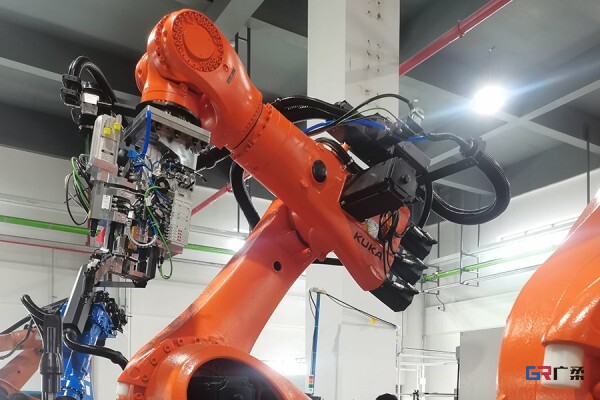
Furthermore, proper routing within the dress pack minimizes stress points, reducing the risk of breakage during high-speed operations. Strategic placement of fixtures ensures cables are securely held yet free to move with the robotic arm. This protection helps maintain steady power and signal transmission, supporting uptime. By using designs and materials matched to the work environment, manufacturers can cut maintenance needs and downtime caused by cable damage.
Reducing robotic downtime
Downtime often comes from wear on cables, causing interruptions. By designing dresspacks to fit the specific needs of each application, manufacturers can cut these issues. Dresspacks should allow smooth cable movement and reduce friction during motion. Using durable materials that handle repetitive stress can lengthen cable life and lower replacement rates. Regular checks for wear, proper cable routing, and monitoring systems help catch issues early and cut the risk of failures. Monitoring gives real-time insights into cable condition, enabling preemptive action. That approach keeps uptime high and productivity steady across industries. Every modification aims to reduce unscheduled interruptions.
new Solutions for Dresspacks
New dresspack tech brings better reliability and efficiency for robots. Engineers are chasing modular designs that let you swap components fast, cutting maintenance time. Lightweight materials paired with sturdy construction keep the dresspack light, aiding movement and cutting wear on cables and hoses. Smart monitoring built into dresspacks lets you track wear in real time and plan maintenance before failures happen. Some designs use flexible layouts that adapt to robot motion, making them usable in different setups. These approaches target industries like automotive, energy, and automation, aiming for steady performance in tough environments.
Improving robot performance
Tuning dresspacks for robots improves performance. Designs matched to a robot’s needs keep power and data flowing without interruptions. The quality and durability of components like bellows and fixtures matter for reducing wear. Quality materials boost flexibility and resistance to environment. Well-structured dresspacks support smoother motion, lowering stress on cables and hoses. That yields a system that keeps steady performance over longer periods. Tailored solutions can cut downtime and keep robots operating at higher levels.
Industry applications of Dresspacks
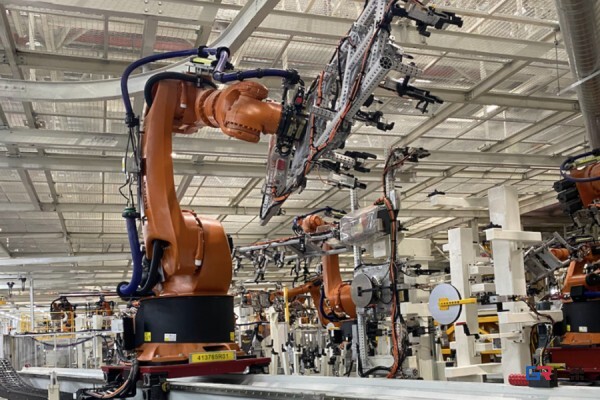
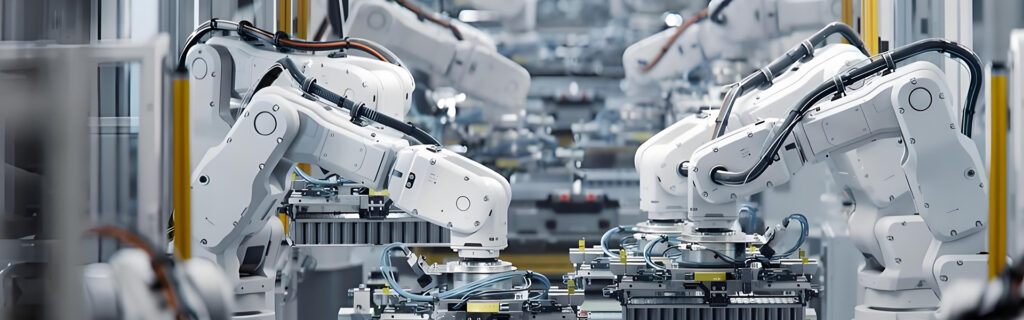
Dresspacks are used across many sectors, adapting to different needs while keeping robotic systems running. In automation lines, they help cables move smoothly. In car manufacturing, they support arms during welding and painting where precision matters. In energy plants, maintenance robots rely on them for protection in tough environments. Rail maintenance machines use dresspacks to shield cables, boosting safety and efficiency. Shipbuilding and chemical industries also rely on dresspacks to handle hazards. Focusing on sector needs helps cut cable damage and downtime across many uses.
Conclusion
Tuning dresspacks for robots matters for durability and efficiency. As industries innovate, so must the parts that shield essential cables. That means quality materials, solid engineering, and a clear sense of each application’s needs. Dresspacks that fit real needs cut wear and lengthen cable life. Monitoring systems enable timely interventions and help prevent costly outages. As teams see the gains, investment in better dresspacks should pay off in productivity and reliability across sectors. Tailored solutions help robotic systems perform well under different conditions and meet the distinct challenges of each sector.
FAQs
What is an industrial robot dresspack?
A dresspack for a robot is a protective cover that bundles cables and hoses and keeps them working as the arm moves.
How do dresspacks affect robotic performance?
Dresspacks cut stress on cables, allow smooth motion, and shield against wear, boosting reliability and efficiency.
What materials are used in dresspack construction?
Quality plastics, reinforced composites, and tough thermoplastics are common, built to withstand harsh conditions and limit wear.
How do I pick the right dresspack for my setup?
Look at the work environment: movement speed, stresses, and chemical exposure to choose a dresspack that fits.
What maintenance helps a dresspack last longer?
Regular checks for wear, proper cable routing, and monitoring systems help catch issues early and cut the risk of failures.