important Takeaways
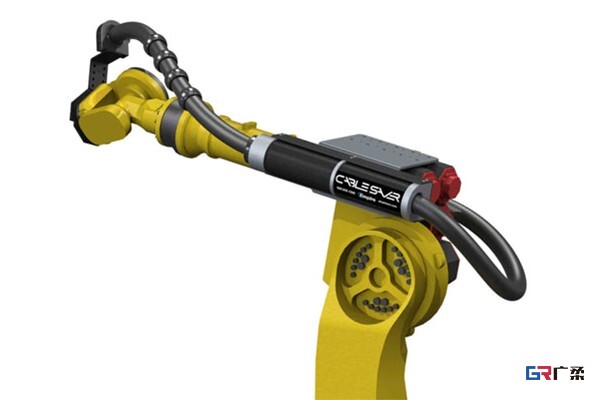
Integrating Robot Specific Hose solutions into industrial operations is essential for maintaining high efficiency and reliability. These hoses are specifically engineered to handle the demands of robotic systems, ensuring optimal fluid and gas transfer while minimizing the risks of wear. Engineers must prioritize material selection and tailored designs to meet unique operational requirements, around factors like chemical exposure and temperature fluctuations. The durability of these hoses not only safeguards equipment but also significantly extends service life, reducing both replacement frequency and maintenance costs. Recognizing the flexibility and robustness of these solutions leads to improved performance in various sectors, including manufacturing and logistics. By strategically incorporating robot specific hoses into workflows, businesses can achieve a more streamlined operation that enhances productivity and operational integrity.
Enhancing efficiency with Robot Hoses
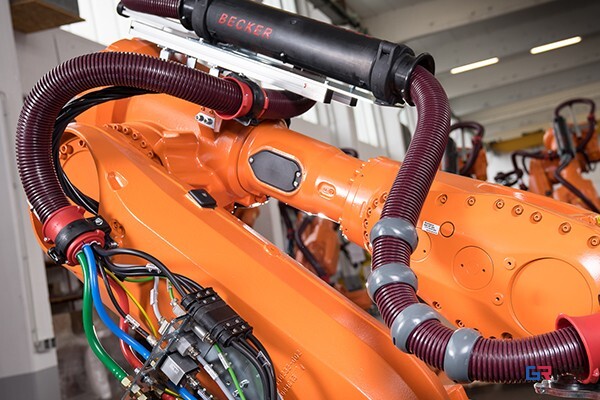
Robot specific hoses play a important role in improving operational efficiency in industrial environments. These hoses are designed to withstand the unique stressors presented by robotic systems, dealing with various media such as air, fluid, or gas. By utilizing highly flexible materials, they allow for smooth movement and minimal resistance during robotic operations. This flexibility is essential for maintaining the speed and accuracy of robotic tasks, ultimately reducing cycle times. Moreover, the integration of these hoses prevents interference in heavily automated processes, ensuring that equipment operates without unexpected shutdowns. Collaborative efforts between engineers and manufacturers lead to new hose designs tailored for specific applications, further boosting efficiency. When properly implemented, robot specific hoses serve as vital components in achieving seamless operations across numerous sectors including manufacturing and logistics.
Optimizing reliability in Robotics
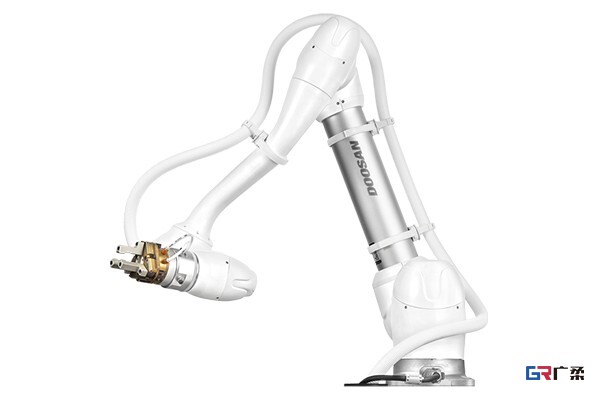
Reliability in robotics is essential for maintaining productivity and minimizing operational disruptions. Robot Specific Hose solutions play a vital role in ensuring this reliability by providing specialized support for important components within robotic systems. By effectively managing the flow of air, fluids, and power, these hoses mitigate risks associated with wear and damage during mechanical operations. Each hose is engineered to handle specific environmental conditions, including temperature variations and exposure to chemicals, which are common in industrial settings. This attention to detail not only enhances the overall performance of robotics but also reduces the frequency of maintenance, saving time and resources. Furthermore, using high-quality materials in hose construction ensures they can withstand mechanical stress and strain without compromising efficiency. Engineers often emphasize the importance of selecting hoses suited for individual robotic applications, as this tailored approach directly influences the longevity and reliability of the machinery. Integrating these robust hose solutions leads to a more stable operational framework for various industries that rely on automation technology.
The role of Hose Solutions in Industry
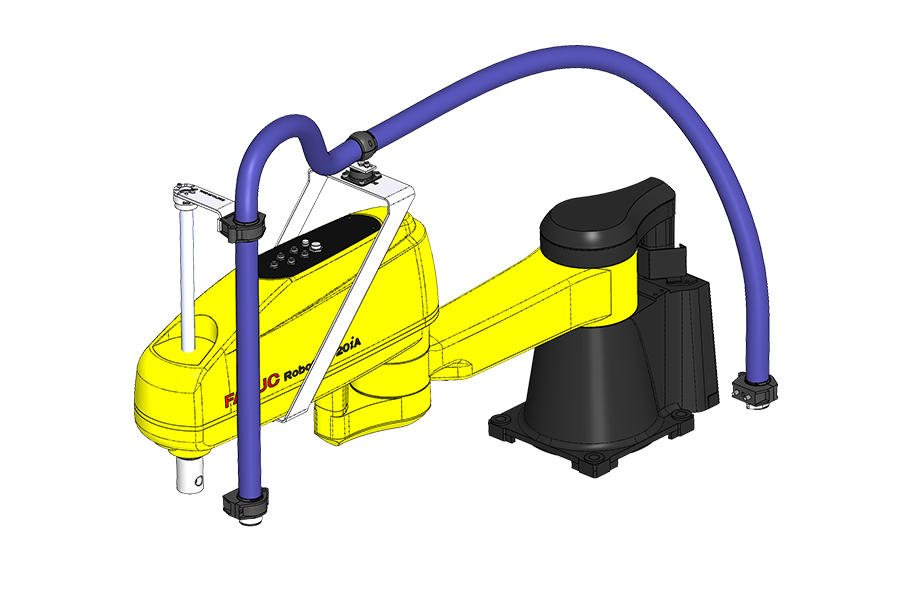
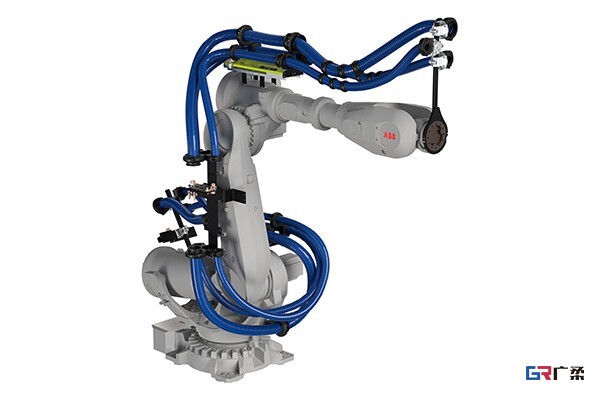
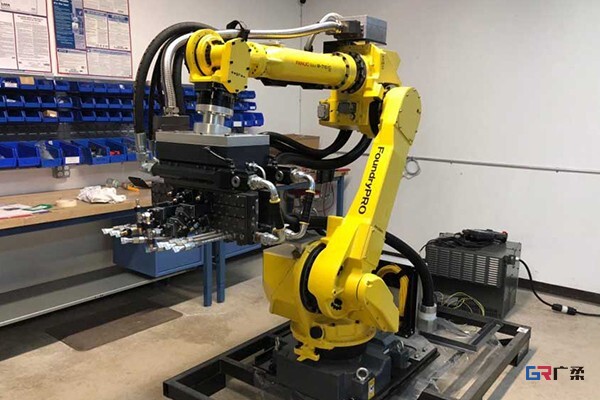
Robot specific hoses are essential in various industrial settings, ensuring reliable operation and safety. These hoses protect vital components, such as cables and air lines, from wear and tear, thus minimizing the risk of equipment failure. In sectors like automotive manufacturing and industrial automation, where precision is critical, these hose solutions support a seamless workflow. The right hose design can reduce friction and bending stresses, prolonging the lifespan of both hoses and the connected machinery.
Customization is important; hoses can be tailored to meet specific operational demands based on the environment they will operate in. In addition to their protective role, effective integration of these hose systems can streamline processes, reducing downtime caused by maintenance errors or equipment malfunctions.
"Selecting the correct hose solution can lead to significant productivity gains."
A thorough understanding of material properties enables engineers to choose hoses that resist chemicals or temperature fluctuations, ensuring consistent performance under various conditions. By implementing robot specific hose solutions, industries can improve not only their operational capabilities but also overall safety standards.
Safeguarding equipment with Robot Hoses
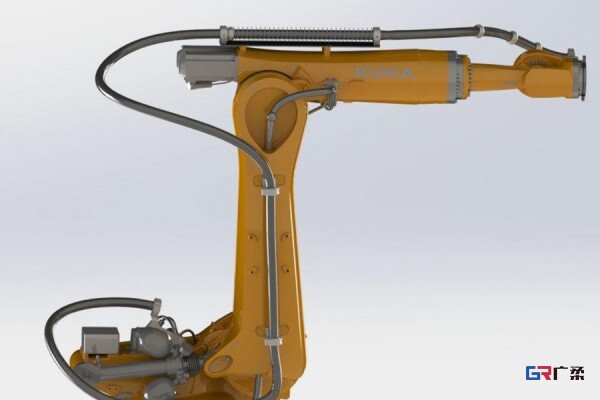
Robot specific hoses provide essential protection for equipment in various industrial applications. These hoses are engineered to withstand challenging conditions, including exposure to extreme temperatures and high pressures, which often occur in manufacturing environments. By shielding critical components from abrasive materials and environmental hazards, these hoses help maintain optimal functionality. Furthermore, the flexible design of robot hoses allows for movement without compromising performance, reducing the risk of wear and tear on machinery. Their robust construction not only minimizes the potential for leaks but also extends equipment lifespan significantly. Customization options enable engineers to tailor hose solutions for specific robotic applications, ensuring a perfect fit that enhances overall system reliability. As the demand for automation grows, investing in specialized hose solutions becomes increasingly important to protect useful assets and improve operational efficiency across various sectors.
Custom hose design for Robotics
Custom hose designs play a significant role in robotics, catering to unique operational demands across various applications. Engineers prioritize material selection and structural integrity to ensure that hoses can withstand the stresses of movement and environmental challenges. Tailored solutions may include variations in diameter, flexibility, and resistance to chemicals or wear. This customization not only enhances functionality but also promotes compatibility with specific robotic systems. By analyzing the intended use case, engineers can determine the optimal configuration to minimize wear and maintenance costs over time. Furthermore, custom hoses facilitate precise integration with existing robotic frameworks, ensuring seamless operation without interference. Ultimately, these specialized designs contribute to improved efficiency and extended service life for robotic systems across industries.
Improving longevity in Industrial Applications
Robot specific hoses play a vital role in extending the life of equipment in various industrial settings. These hoses are engineered to withstand extreme conditions and provide reliable performance, ultimately reducing the need for frequent replacements. By utilizing robust materials and advanced manufacturing techniques, they are designed to endure wear and tear associated with repetitive movement and high-stress environments. Moreover, integrating these hoses into robotic systems minimizes risks related to friction and abrasion, which often lead to premature failure of components. Tailored hose designs also accommodate specific operational requirements, ensuring optimal functionality while supporting overall equipment health. As a result, industries can experience not only improved performance but also lower maintenance costs over time. Addressing the unique demands of each application allows engineers to select the right hose solutions that reinforce the longevity of robotic systems across sectors such as automotive manufacturing, logistics, and more.
Integrating hose tech for Performance
Integrating Robot Specific Hose solutions directly impacts the performance and efficiency of industrial applications. These specialized hoses boost the functioning of robotic systems by ensuring optimal fluid transfer and minimizing pressure loss. The construction materials used in these hoses are chosen for their durability and flexibility, allowing them to withstand various environmental stresses while maintaining consistent flow rates. furthermore, engineers design these hoses to be compatible with a range of robotic systems, enabling seamless integration into existing setups. This compatibility reduces the time and effort spent on modifications during installation or upgrades. Furthermore, custom hose solutions provide tailored responses to specific machinery needs, allowing for improved adaptability in diverse operational contexts. By incorporating advanced hose technology, companies can achieve higher operational reliability and decreased maintenance costs, ultimately leading to more productive workflows across different industries. Investing in appropriate hose technology is essential for businesses aiming to boost their robotic capabilities and overall efficiency.
Streamlining operations with Specialized Hoses
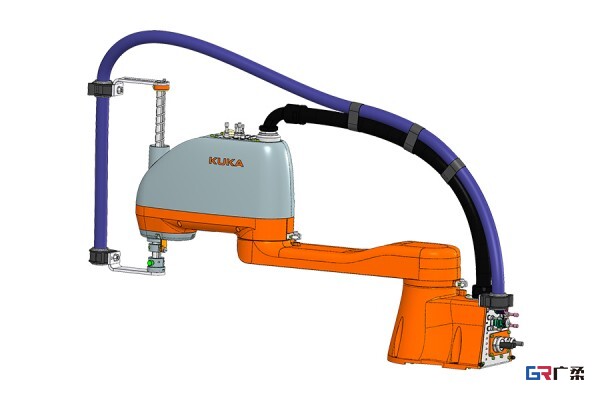
Specialized hoses play a significant role in enhancing operational efficiency within industrial settings. These hoses are designed for specific robotic applications, accommodating unique movements and environmental factors, which reduces wear and tear. By ensuring seamless integration with robotic systems, specialized hoses minimize friction and boost mobility, leading to reduced energy consumption. Furthermore, their adaptability allows them to efficiently manage a variety of media, from liquids to gases, ensuring that the right material is conveyed without loss of integrity.
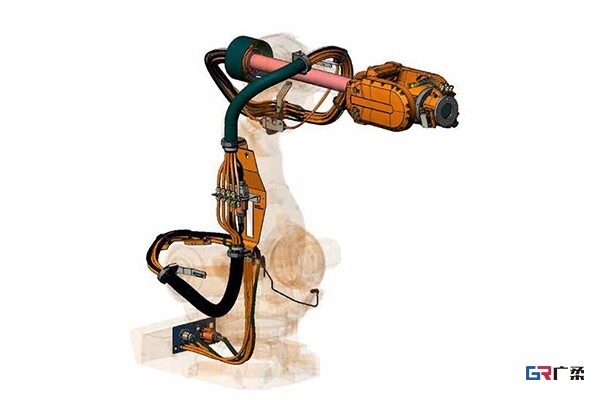
The installation of these hoses can streamline processes by providing clear routing that avoids interference with other components. This structured design also facilitates quicker maintenance and troubleshooting, as operators can more easily identify potential issues without disrupting surrounding systems. furthermore, specialized hoses are often crafted from durable materials that resist abrasion and heat, prolonging lifespan and reducing the frequency of replacements. Overall, adopting these tailored solutions results in more consistent production flows and improved reliability in complex operations.
Conclusion
integrating robot specific hose solutions into industrial applications enhances operational efficiency and reliability, significantly impacting productivity. These hoses serve a critical purpose by ensuring optimal fluid and gas handling within robotic systems while minimizing risks associated with wear and tear. Their flexibility and durability are tailored to meet the demands of high-stress environments, promoting not only equipment protection but also improved longevity. Engineers play a main role in selecting the right hoses, considering factors such as material properties and specific application requirements. The synergy between original hose designs and advanced robotic technology leads to streamlined operations, reduced maintenance needs, and increased output across sectors. As industries continue to evolve towards automation, prioritizing effective hose solutions becomes key for maximizing the potential of robotic systems. This complete approach aids in sustaining high-performance standards while addressing the operational challenges faced in diverse applications.
FAQs
What are Robot Specific Hoses?
Robot Specific Hoses are specialized hoses designed to support robotic systems by managing the flow of fluids, gases, or air while withstanding the unique stressors of automation environments.
How do this topics improve efficiency?
These hoses improve efficiency by allowing for smooth movement and minimal resistance, leading to faster robotic operations and reduced cycle times.
What materials are used in manufacturing this contents?
Manufacturers often use high quality materials that provide flexibility, durability, and resistance to wear and environmental challenges.
Why is customization important for the subjects?
Customization ensures that hoses meet the specific operational needs of different robotic applications, enhancing their functionality and reliability.
What maintenance do this areas require?
Regular inspections for wear and damage are recommended. Proper selection and integration reduce overall maintenance needs significantly.
Can its be integrated into existing robotics systems?
Yes, these hoses are designed to be compatible with various robotic setups, facilitating seamless integration during installation or upgrades.
How do I select the right hose for my application?
Consider factors such as the type of media being handled, environmental conditions, flexibility requirements, and specific operational demands when choosing.
What industries benefit from using this topics?
Industries such as manufacturing, logistics, automotive production, and other sectors that rely on automation can benefit significantly from these specialized hoses.