main Takeaways
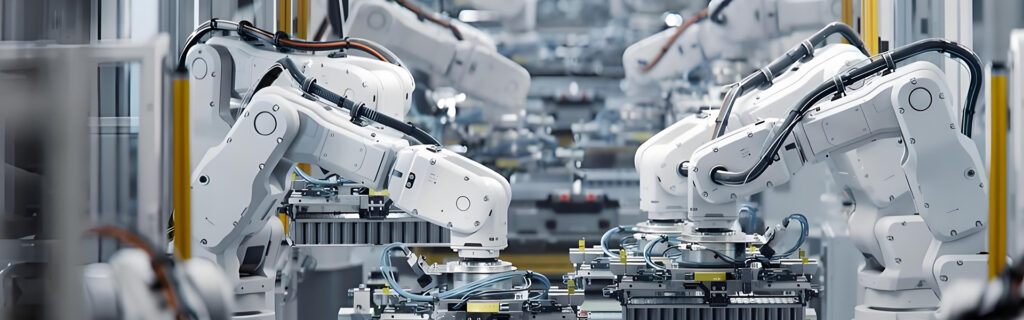
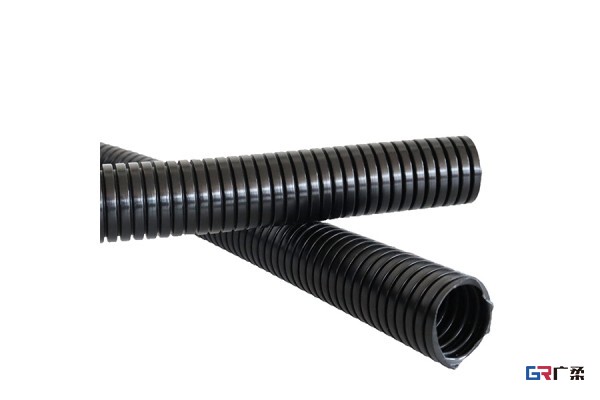
Robot-specific hoses are a key element in the efficiency of industrial robotics. Their specialized design not only improves the durability and lifespan of robotic systems but also contributes to stable performance in demanding environments. By effectively handling the transmission of fluids, air, and electrical signals, these hoses decrease wear on connected components. Additionally, their flexible construction enables smoother movements, reducing the risk of cable tangles or breaks that can trigger costly downtime. The ability to tailor hose solutions to specific operational needs underscores their importance in boosting reliability and lowering maintenance costs. Selecting the right robot-specific hoses directly shapes automation workflows, making them essential for achieving productivity targets across diverse industrial settings.
Enhancing robotics durability
robot-specific hoses play a key role in boosting the durability of robotic systems. They’re designed to endure the demanding conditions typical of industrial settings, where harsh environments can hasten wear. These hoses are built from high-quality materials that resist abrasion, chemicals, and extreme temperatures, extending their life significantly. Also, their flexible design supports smooth movement and reduces friction, easing stress on both the hoses and the robotic parts they connect to. This durability matters because it lowers the need for frequent replacements and maintenance, cutting operational disruptions. Moreover, by integrating these specialized hoses into robotic systems, manufacturers can keep equipment functioning efficiently over long periods. Consequently, adopting robot-specific hoses not only strengthens resilience but also supports a more reliable automation process across industries.
"Choosing high-performance hoses can significantly reduce maintenance costs and extend equipment life."
The role of Robot Hoses
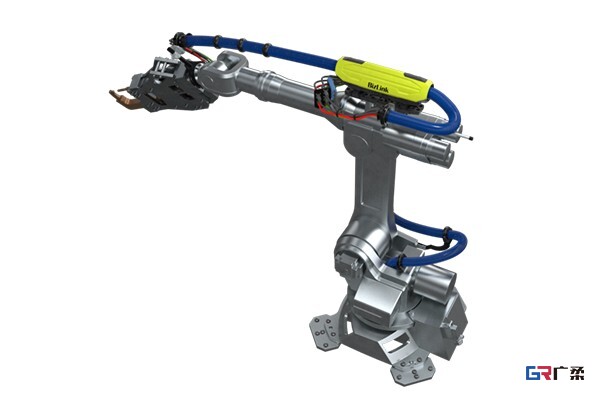
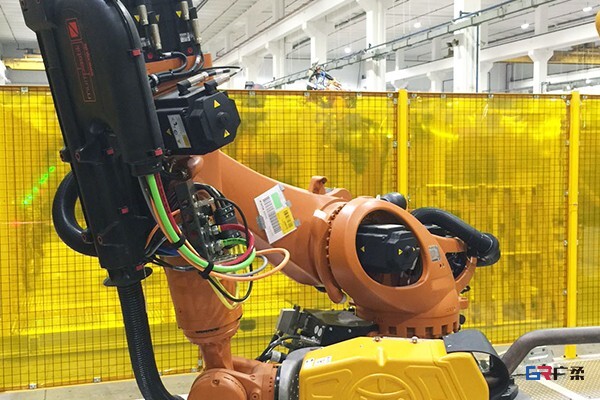
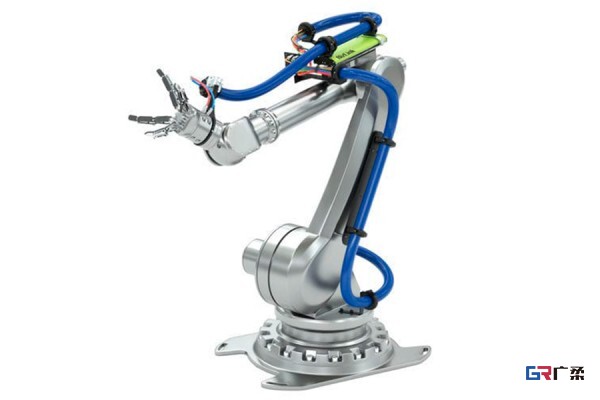
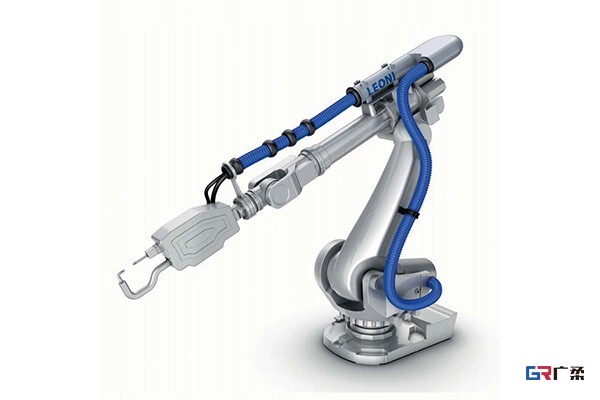
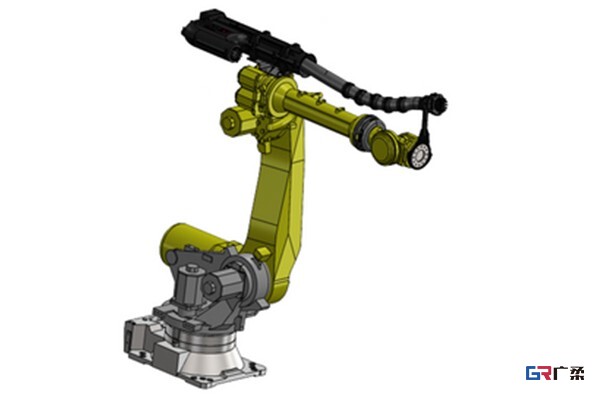
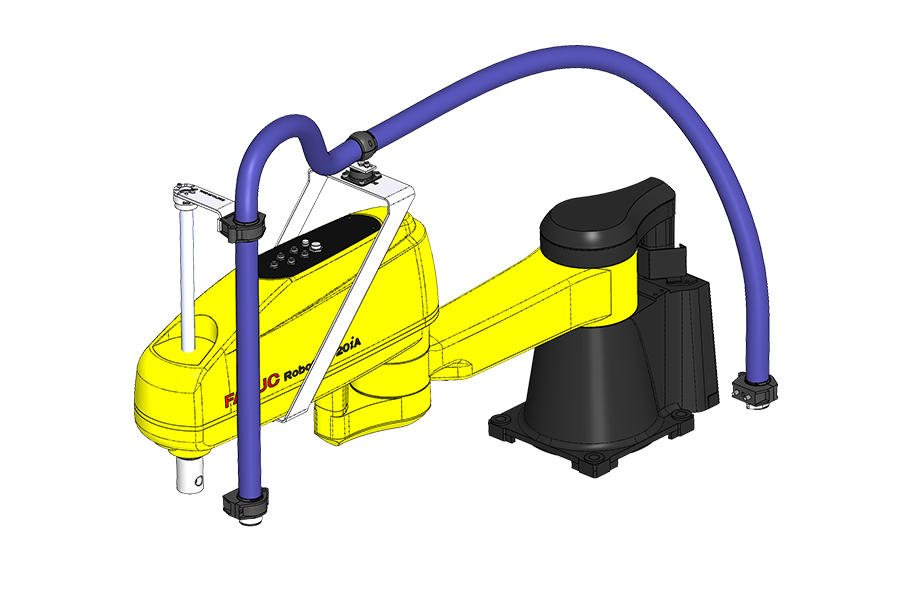
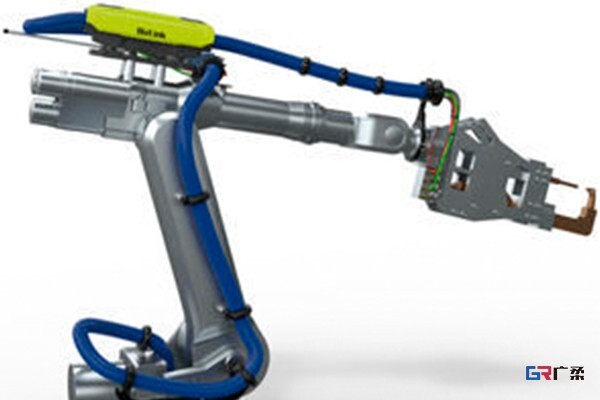
Hoses for robots play a crucial role in keeping industrial robotics functioning reliably. Their main task is to control the transit of fluids, air, and electrical signals inside robotic systems. By delivering a secure and flexible conduit for these elements, these hoses support essential interactions among moving parts and minimize wear that can cause failures. The construction of these hoses often uses materials that withstand harsh conditions, lowering the risk of deterioration over time. Moreover, these hoses are tailored to suit particular applications, enabling efficient data transfer and steady power delivery to tools. Integrating them within robotic dress packs boosts overall system stability and performance, contributing to lower downtime in automated operations.
Flexibility in Automation
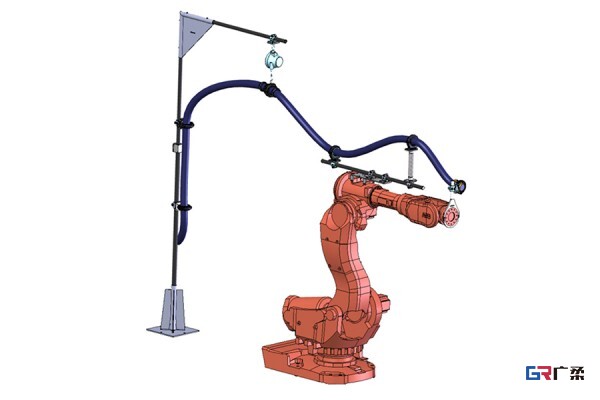
In industrial robotics, flexibility is essential for adapting to varying tasks and environments. Robot-specific hoses bring clear benefits here. Their design supports a broad range of motions, letting robots execute intricate maneuvers without the constraints of conventional cable management. This adaptability boosts efficiency by enabling quick tweaks and reconfigurations as production needs shift. Additionally, these hoses are built to endure harsh conditions while keeping up performance. By reducing friction and cutting wear during peak movements, they help robotic systems run smoothly across multiple applications. This flexibility not only underpins existing automation schemes but also strengthens the reliability of operations, ultimately lifting productivity in industrial settings.
Preventing robotic downtime
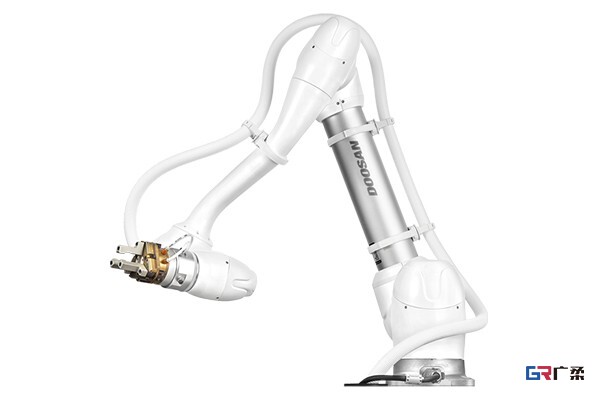
Downtime is a real concern for robotic systems, and it can ripple through overall productivity. A large share of that downtime—well over 80% in many cases—stems from cable-management failures and related parts. Robot-specific hoses help reduce these issues by offering reliable flexibility and durability. These hoses are built to endure movement and stress, lowering the chance of wear and tear. Properly chosen hoses enable smoother operation by letting robots move without cables or hoses getting tangled or damaged. By deploying tailored solutions for specific environments, companies can cut the chances of interruptions further. Regular maintenance and monitoring of these hose systems also help prevent unexpected failures, supporting a proactive stance to maintaining efficient automated operations.
Ensuring efficient power transfer
Efficient power transfer is essential for smooth operation in robotics. These hoses play a key role in enabling this flow. They are built to endure high pressure and extreme temperatures, keeping power delivery steady and dependable. By minimizing resistance and promoting optimal flow, they enhance the overall performance of robotic systems. They also include features that curb wear, reducing the risk of leaks and failures that could interrupt power delivery. This steady power transfer is crucial for keeping automation moving, especially where precision matters. In addition, using durable materials ensures longevity, letting robotic systems run reliably across diverse applications without interruption. By focusing on these design and selection details, industries can meaningfully improve their automation processes.
Optimizing data transmission
Robot-specific hoses are central to enabling reliable data transmission in automated systems. These hoses are built with materials that minimize signal interference and preserve data integrity throughout the robotic setup. By keeping a clear and stable path for wiring and connectors, these hoses ensure that information exchanged between components remains dependable. This reliability matters because modern robotic tasks often depend on real-time data processing to adapt to shifting environments and goals. In addition, the flexibility of these hoses supports dynamic movement without compromising the performance of the data lines they shield. Since each robotic application has its own parameters, choosing the right hose based on operational demands can substantially cut latency and boost communication efficiency—boding well for overall system performance.
Durability in Industrial Hoses
Industrial hoses are essential for keeping robotic systems efficient and long-lasting. Their build focuses on resisting both external wear and internal stresses. high-quality materials extend their lifespan, enabling them to endure extreme temperatures, abrasion, and chemical exposure. This matters in harsh environments where robotic work is ongoing and demands steady performance. A sturdy hose shields internal cable layouts from damage due to movement while ensuring dependable power and data transmission. Additionally, routine maintenance checks can prolong the life of these hoses, preventing surprise failures that cause costly downtime. By investing in durable industrial hoses, companies can lower breakdown risks and sustain operational effectiveness over time.
Customized solutions for Robotics
In the field of robotics, custom design matters for optimizing performance. Tailoring hoses and dress packs ensures they meet the unique needs of specific applications. This customization addresses factors like varying load capacities, environmental conditions, and operating speeds. For example, HELUKABEL works closely with clients to craft solutions that fit exact requirements, boosting both functionality and durability. By adding features such as specialized fittings or reinforced materials, robots can maintain efficiency across different environments. Such customized solutions help reduce the risk of equipment failure and contribute meaningfully to lowering overall maintenance costs. Additionally, they play a key role in extending the lifespan of robotic systems by offering extra protection against wear and environmental hazards. Therefore, investing in tailored components can lead to smoother operations and higher productivity in industrial automation.
Conclusion
Integrating robot-specific hoses into industrial robotics marks a meaningful step toward greater reliability and efficiency in automated systems. These hoses support the intricate interactions among robotic components, helping maintain peak performance under tough conditions. By prioritizing durability, flexibility, and tailored solutions, firms can significantly reduce downtime and maintenance risks. Investing in these hoses not only extends the life of robotic systems but also smooths operations across various applications. As industries adapt and innovate, the role of sturdy hose solutions grows more important in achieving seamless automation and higher productivity. Therefore, choosing the right robot-specific hoses is a key move toward raising operational standards in robotics.
FAQs
What are Robot Specific Hoses?
These hoses are specialized tubes built to manage the transmission of fluids, air, and electrical signals within robotic systems, boosting their functionality.
Why is durability important in this topic?
Durability reduces wear and protects internal components, lowering the frequency of replacements and maintenance, which can prevent operational disruptions.
How does this content boost flexibility in automation?
Their design accommodates a range of movements, enabling robots to execute intricate tasks without being constrained by conventional cable management.
What role do these hoses play in preventing downtime?
They enable smoother operation by reducing wear and keeping components functioning, supporting uninterrupted automation processes.
How do these hoses ensure efficient power transfer?
They are engineered to endure high pressure and extreme temperatures, maintaining constant power delivery, which is crucial for precise robotic operations.
Can these areas improve data transmission reliability?
Yes, they minimize signal interference while providing a stable pathway for data exchange, essential for real-time processing in robotic applications.
What factors should be considered when selecting hoses for robotics?
Key considerations include load capacities, environmental conditions, operating speeds, and the particular demands of the application to ensure optimal performance.
How often should this be maintained or replaced?
Regular inspections are advised to spot wear; replacement timing depends on usage and environmental factors impacting hose life.
Are there customized solutions available for these topics?
Yes, many manufacturers provide tailored options that improve compatibility with specific robotic applications and environments.