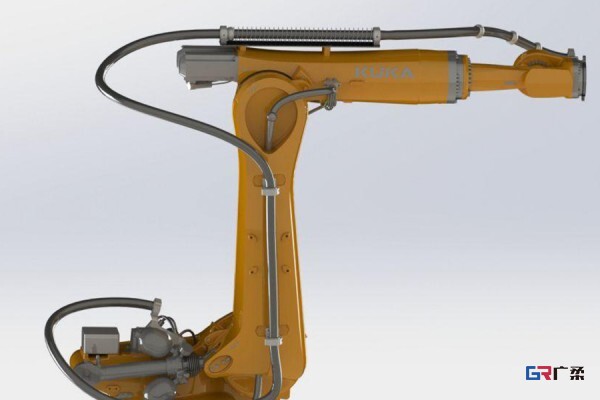
important Takeaways
Industrial robot dresspacks are essential for effective cable management, providing numerous advantages for robotic systems. They significantly reduce wear and tear on cables, which not only prolongs the lifespan of these components but also lowers maintenance costs over time. The structured design of dresspacks prevents issues like tangling and abrasion, thus maintaining the efficiency of power and data transmission. Customization is another important aspect, enabling these units to fit specific operational needs across various industries. furthermore, robust materials increase durability and resistance to environmental factors such as dust and moisture, further enhancing reliability. The integration of features like anti-collision rings adds protection during dynamic movements, reducing the risk of damage not just to the dresspack itself but to the robot’s overall functioning. Ultimately, using industrial robot dresspacks streamlines operations while minimizing downtime, proving their value across diverse sectors from manufacturing to automation solutions.
Industrial robot dresspacks explained
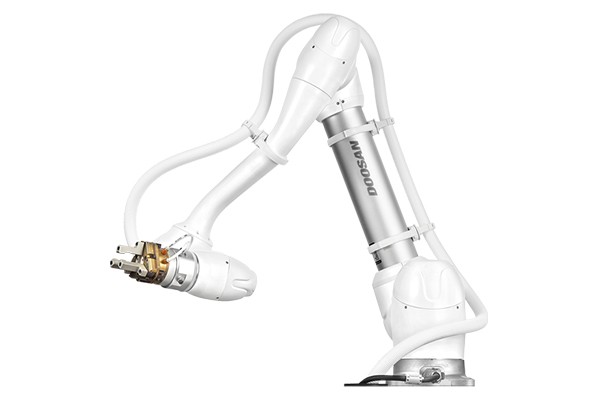
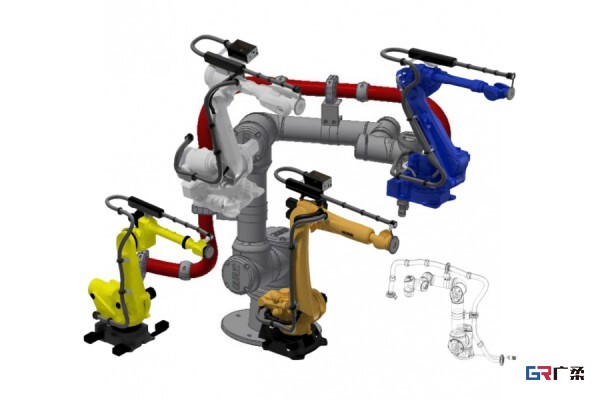
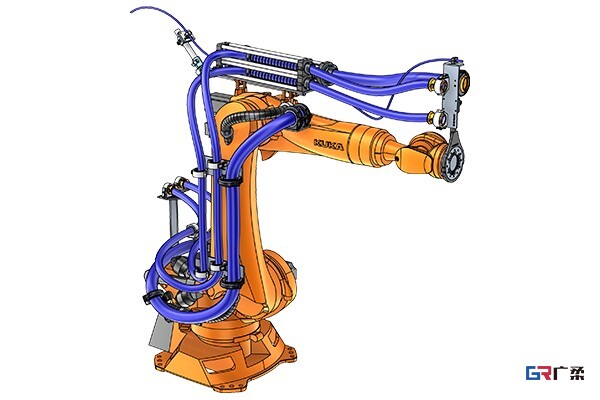
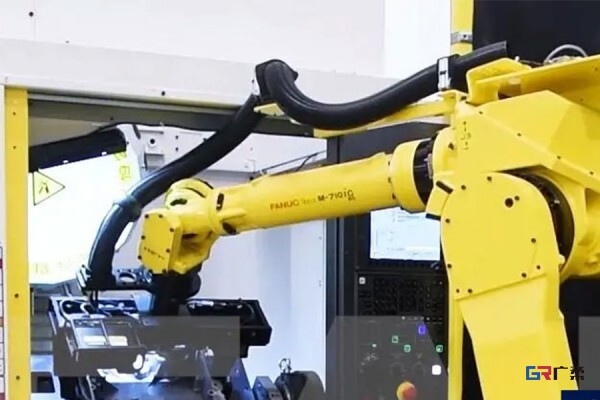
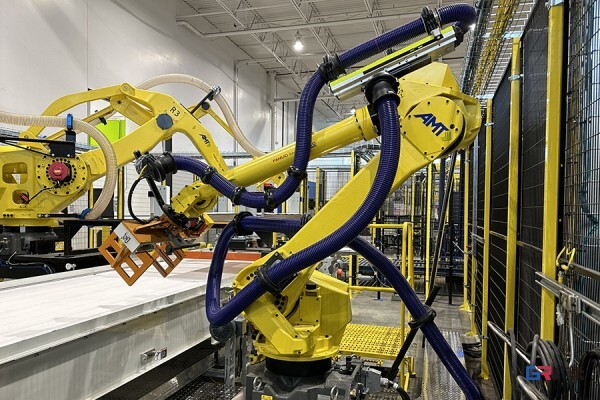
industrial robot dresspacks serve as vital solutions for managing and protecting cables and hoses in robotic systems. These units organize and streamline the connections to End Of Arm Tools (EOAT), ensuring the uninterrupted flow of power and data. Their design addresses the frequent motion of robots, which can cause wear and tear on cables if not properly managed. Dresspacks are composed of various components that include protection hoses, fixtures, and anti-collision devices that work together to shield internal cables from environmental hazards. By maintaining the integrity of these connections, dresspacks significantly reduce the likelihood of downtime caused by cable failures. Engineers utilize advanced design techniques to create dresspacks that cater to specific robotic tasks, thereby enhancing overall system reliability. Customized solutions ensure that the unique requirements of each application are met, promoting more efficient operation across diverse industries such as automotive manufacturing and industrial automation. This systematic approach to cable management not only improves performance but also extends the longevity of cables utilized in rugged industrial environments.
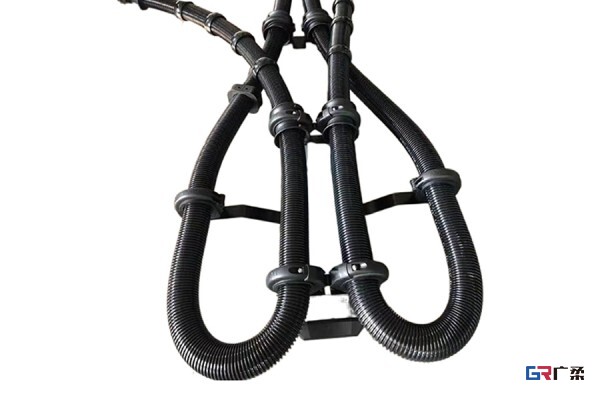
important Benefits of Dresspacks
Industrial robot dresspacks offer several important benefits that significantly improve cable management and operational reliability. One major advantage is the reduction of wear and tear on cables and hoses, which extends their lifespan and minimizes maintenance costs. By providing stable support and managing movement, dresspacks prevent cable tangles and potential damage during robotic operations. furthermore, these systems enable efficient organization of power, data, and fluid lines, enhancing overall efficiency in complex automation setups.
The customization options available in dresspack designs further ensure that they meet the specific needs of various applications. This adaptability is important for addressing diverse industrial requirements, allowing for seamless integration with different robotic systems. Moreover, by facilitating effective heat dissipation, dresspacks help maintain optimal performance levels in high-demand situations. Overall, their robust design significantly reduces the likelihood of downtime caused by cable failures or management issues, ultimately boosting productivity across diverse industries.
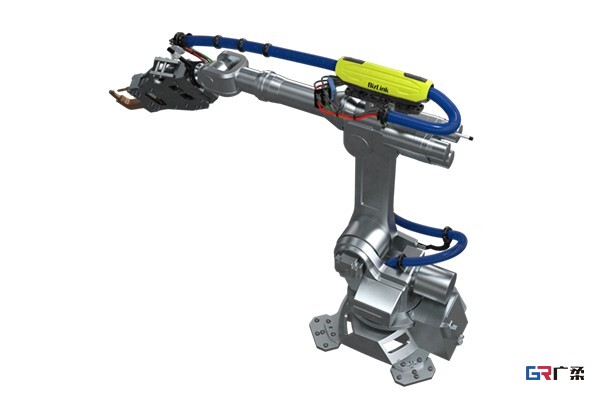
Design features for Reliability
Industrial robot dresspacks incorporate several design features aimed at ensuring reliability and performance. First, the use of flexible bellows allows for uninhibited movement while accommodating the dynamic motions of robotic arms. This flexibility minimizes the risk of wear and tear, as bending or twisting forces are distributed evenly across the dresspack. Second, efficient cable organization within a dresspack prevents tangling and abrasion, which can lead to cable failure. The integration of high quality materials increases durability and resistance to environmental factors such as dust and moisture.
also, specialized mounting accessories are main in securing components effectively and reducing stress during operation. Anti-collision rings boost protection by preventing wear on the dresspack when in close contact with other parts of the robot or the workspace. Furthermore, bespoke design options enable customization based on specific operational demands, reinforcing reliability in various scenarios. These features collectively contribute to a reduction in maintenance needs and an increase in operational efficiency across diverse industrial applications.
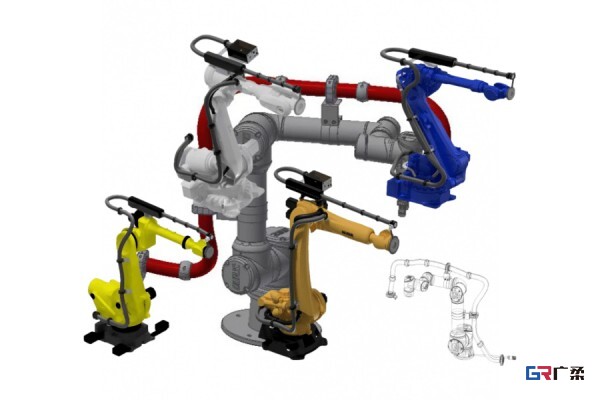
Essential components overview
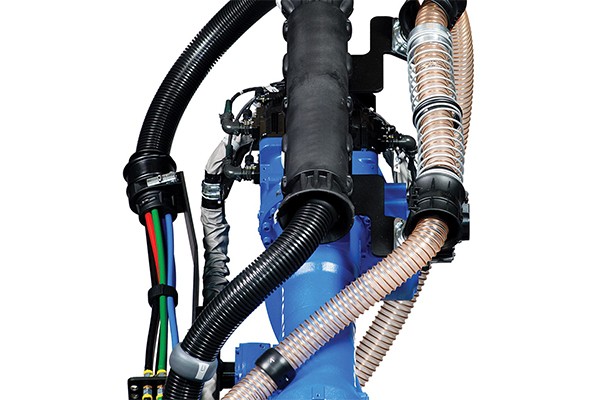
industrial robot dresspacks consist of several main components that ensure efficient cable management and protection. Durable cable protection hoses play a vital role, engineered to withstand dynamic movements and harsh environments while safeguarding the internal wiring. These hoses are often complemented by bellows that provide flexibility and reduce wear caused by friction during operation. Fixtures and mounting accessories are equally important, offering stability and organized routing of cables, which minimizes chances of tangling or damage. Anti-collision rings are another critical accessory, designed to absorb shocks and prevent contact with other equipment or surfaces. furthermore, appropriate end fixing bases ensure secure attachment points, enhancing overall system reliability. By integrating these essential components, dresspacks contribute significantly to the longevity of cables and hoses while improving operational performance in demanding industrial settings.
Applications across industries
industrial robot dresspacks are utilized in various sectors, enhancing operational efficiency and reliability. In automotive manufacturing, they ensure seamless power and data transmission for robotic arms engaged in assembly lines. These systems play a vital role in industrial automation, where they protect cables and hoses from wear caused by constant movement.
In rail transportation, dresspacks support the complex cabling required for train control systems, safeguarding them against environmental hazards. The renewable energy sector also benefits; dresspacks are essential for wind turbines and solar panel installations, maintaining equipment performance by shielding main wiring. Other applications include shipbuilding, where dresspacks facilitate smooth operations by integrating robotics for welding and assembly tasks.
Chemical industries rely on robust dresspacks to manage cables exposed to harsh substances. The versatility of these systems allows them to adapt to diverse operational environments while reducing maintenance needs and downtime across all industries.
Minimizing downtime effectively
to minimize downtime effectively, it’s essential to choose the right industrial robot dresspack that aligns with specific operational needs. A well-engineered dresspack allows for seamless power and data transmission, reducing the risk of cable failures that lead to operational halts. Regular maintenance and inspections are important practices; ensuring cables are free from wear and tear can significantly lower the chances of unexpected breakdowns.
By integrating features such as anti-collision rings and robust mounting accessories, dresspacks help mitigate wear on cables during dynamic movements, further enhancing reliability. furthermore, investing in advanced materials that can withstand various environmental challenges ensures durable performance over time.
Moreover, collaborating with manufacturers for customized solutions tailored to particular industrial tasks can optimize performance while reducing the frequency of downtime. As industries evolve, staying updated with innovations in dresspack technology equips organizations with tools necessary for maintaining peak operational efficiency.
Transforming cable management
industrial robot dresspacks are redefining cable management by offering a structured approach to organizing, protecting, and maintenance of vital cables and hoses. These systems enable smooth power and data transmission by safeguarding against wear, abrasion, and environmental factors. Advanced dresspack designs feature flexible pathways that can adapt to dynamic movements, thus reducing cable stress. The integration of specialized components such as bend protection and strain relief mechanisms further enhances their reliability.
Moreover, the ability to customize dresspacks according to specific industrial applications ensures optimal performance under varying load conditions. By maintaining a systematic arrangement of cables, these solutions contribute to improved space management within robotic systems. The transition from traditional cable handling methods to modern dresspack solutions allows manufacturers to minimize downtime and improve the overall efficiency of operations.
"A well-organized cable management system not only promotes safety but also fosters longevity in robotic applications."
Innovations in Dresspack Technology
Advancements in dresspack technology focus on enhancing the durability and flexibility of robotic cable management systems. One significant innovation is the development of lightweight materials that maintain high tensile strength, reducing the overall weight of dresspacks while ensuring resilience against wear and tear. Improved designs incorporate more efficient routing paths for cables, minimizing bends and stress points that often lead to failures. Furthermore, integration of smart sensors within dresspacks offers real time monitoring capabilities, enabling proactive maintenance and adjustments to optimize performance. These sensors can detect wear levels and potential issues before they escalate, significantly reducing operational downtime. Enhanced modular designs also allow for easier upgrades and replacements, accommodating changing technological needs in various industries. As automation continues to expand across sectors, these innovations are important in supporting the seamless operation of industrial robots, ensuring that the systems remain reliable under demanding conditions.
Conclusion
industrial robot dresspacks represent a significant advancement in cable management strategies across various industries. Their ability to minimize cable wear and ensure reliable connections contributes to enhanced operational efficiency. Through the integration of flexible designs and essential protective features, these systems not only safeguard vulnerable cables but also support uninterrupted robotic functions. The adaptability of dresspacks to suit specific applications reinforces their role in diverse sectors, from automotive to renewable energy. Going forward, continuous innovations in materials and technology will likely further boost the effectiveness of dresspacks, addressing emerging challenges in industrial automation. As companies increasingly adopt advanced robotic systems, understanding the critical nature of effective cable management will remain vital for maintaining optimal performance and durability.
FAQs
What is an industrial robot dresspack?
An industrial robot dresspack is a solution designed to manage and protect cables and hoses in robotic systems, ensuring organized connections to End Of Arm Tools (EOAT).
What are the important benefits of using dresspacks?
Dresspacks reduce wear on cables, prevent tangling, and extend lifespan while enhancing overall operational efficiency across various industrial applications.
How do dresspacks improve reliability?
They are designed with features like flexible bellows, effective cable organization, and anti-collision devices that minimize wear and address the motions of robotic arms.
What components are essential in a dresspack?
important components include durable cable protection hoses, mounting fixtures, anti-collision rings, and end fixing bases that ensure stability and proper routing of cables.
In which industries are industrial robot dresspacks commonly used?
Dresspacks find applications in automotive manufacturing, industrial automation, rail transportation, renewable energy sectors, shipbuilding, and chemical industries.
How do I choose the right dresspack for my application?
Select a dresspack based on specific operational needs such as cable types, movement requirements, and environmental conditions to ensure optimal performance.
What innovations are shaping the future of dresspack technology?
Recent advancements include lightweight materials that improve durability while reducing weight, efficient routing designs to minimize stress points, and integration of smart sensors for real time monitoring.
How can regular maintenance impact the performance of dresspacks?
Routine checks help identify wear or damage early on, reducing unexpected downtime and extending the lifespan of both cables and the overall robotic system.
Why is cable management important in industrial robotics?
Effective cable management prevents failures that can disrupt operations; it also enhances safety by organizing electrical lines away from moving parts of robots.