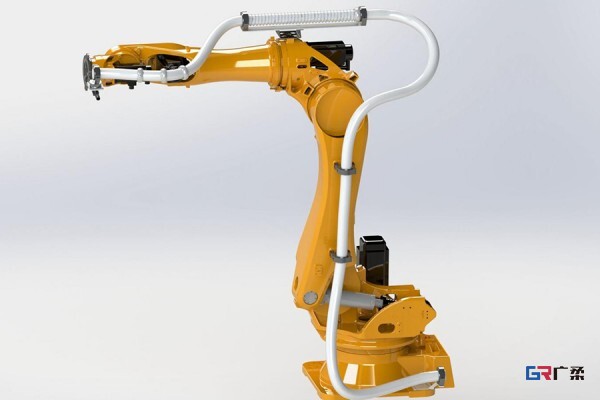
main Takeaways
Understanding the critical aspects of Robot Specific Hose design can lead to significant improvements in robotic performance. First and foremost, selecting the appropriate materials is vital, as it directly impacts durability and functionality. The choice between thermoplastic elastomers, polyurethane, and nylon should align with the specific operational requirements of the robotic application. furthermore, optimizing hose configurations enhances flexibility and ease of integration within robotic systems. Collaboration between engineers and manufacturers is essential, as this can foster innovations that meet unique demands. Furthermore, embracing advanced production technologies like 3D printing facilitates rapid prototyping, enabling customization that accommodates specific tasks or environments. Ultimately, by focusing on durability through enhanced material selection and thoughtful design approaches, industries can significantly mitigate downtime and maintenance costs while maximizing operational efficiency in robotics applications.
main Materials for Robot Specific Hose Development
The development of Robot Specific Hoses relies heavily on selecting the right materials to ensure optimal performance. Commonly used materials include thermoplastic elastomers (TPE), polyurethane, and nylon, each offering specific benefits. TPEs provide flexibility and resilience, making them ideal for dynamic applications. Polyurethane is known for its excellent abrasion resistance and can withstand harsh environmental conditions, which is essential for robotic systems operating in diverse settings. Nylon hoses are lightweight yet strong, suitable for applications demanding high strength-to-weight ratios.
Innovations in material science also lead to the creation of composite materials that combine the best properties of different substances to improve durability and flexibility. For instance, using reinforcement fibers within a polymer matrix can significantly improve tensile strength while maintaining lightweight characteristics.
"Choosing the right material is key to achieving longevity and efficiency in robotic applications."
Furthermore, integrating additives into the hose material can improve chemical resistance and thermal stability, addressing specific operational needs. Such advancements play a significant role in reducing maintenance costs and downtime associated with hose failures.
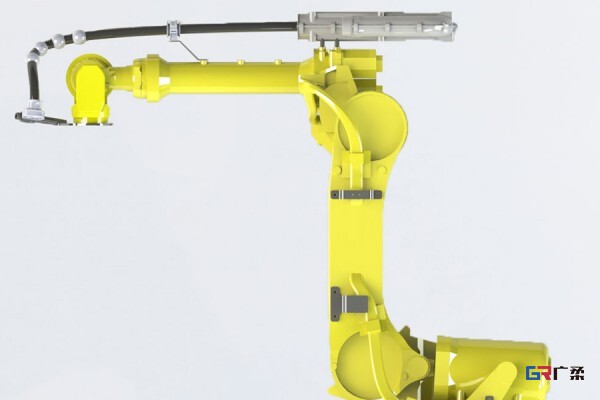
Optimizing configurations for Robot Hoses
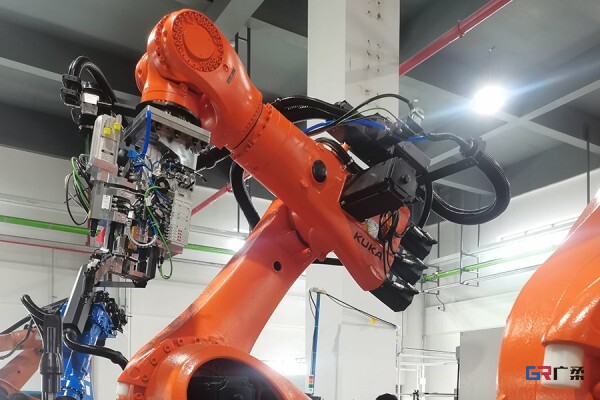
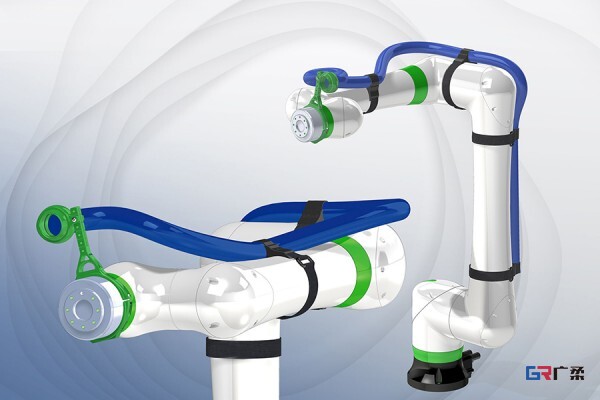
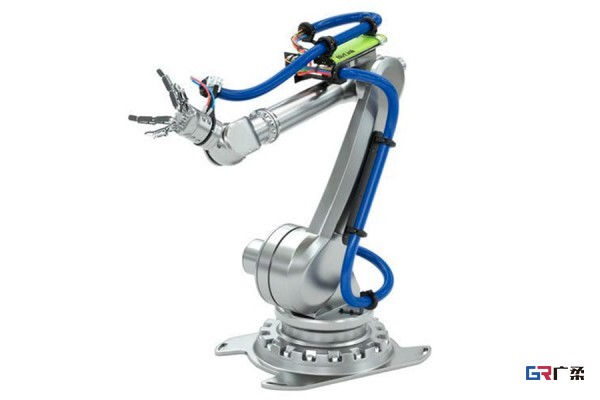
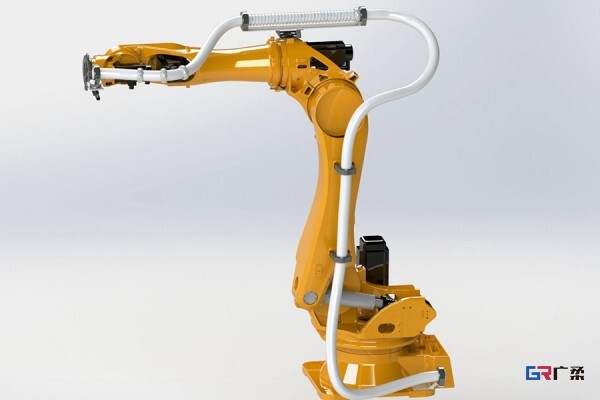
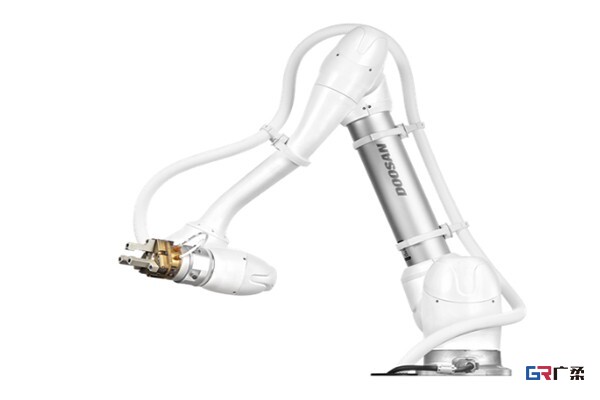
Optimizing configurations for robot hoses involves several considerations to ensure maximum efficiency and functionality. The hose design must accommodate the dynamic movements of robotic systems, requiring careful attention to flexibility and support. One effective approach is to implement a modular design, allowing for easy adjustments based on specific operational requirements. This may include varying the length and diameter of hoses to suit different components, such as servo motors or pneumatic tools.
also, strategic placement of hose supports minimizes bending and reduces wear during high-speed operations. Utilizing advanced materials that offer superior flexibility while resisting abrasions further enhances performance. It’s important to assess the interaction between hoses and other robot parts to prevent potential tangling or interference that could disrupt operations.
Engineers often collaborate with manufacturers to employ computer-aided design (CAD) tools, simulating different configurations under various stress conditions. This proactive approach aids in identifying optimal solutions before actual production, ultimately enhancing durability and performance in robotic applications across diverse industries.
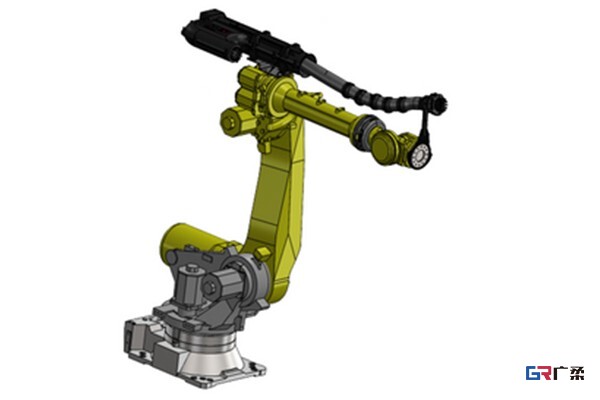
Enhancing durability in Robotic Hose Designs
Durability is essential in robotic hose designs to withstand the rigors of industrial applications. Utilizing advanced materials like high-performance polymers can significantly improve the hose’s resistance to wear, chemicals, and extreme temperatures. Designing for flexibility also plays a critical role; hoses must endure repetitive motion without succumbing to fatigue or delamination. Reinforcement techniques, such as braiding or layering with textiles, provide additional strength while maintaining lightweight properties. Furthermore, the inclusion of impact-resistant features can help prevent damage from external forces. Implementing rigorous testing protocols simulating real-world conditions ensures that robotic hoses can endure prolonged use across various applications. Collaboration with engineers during the design phase enables tailoring hoses to specific environments, optimizing performance while extending the lifespan of components in robotic systems.
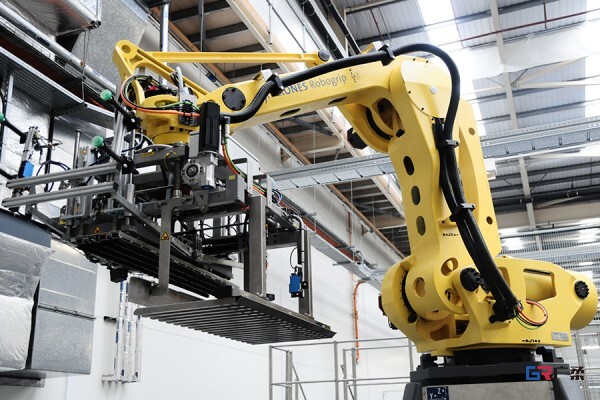
new Technologies in Hose Production
Advancements in hose production technology play a significant role in enhancing the performance of robot specific hoses. Techniques like extrusion and molding have evolved, allowing for more precise control over the physical properties of the hoses. The use of advanced polyurethanes and thermoplastics creates lightweight yet durable hoses that can withstand extreme operational conditions. furthermore, 3D printing technology enables rapid prototyping and customization, facilitating the development of hoses with unique geometries tailored to specific robotic applications. new techniques like multi-layer construction improve chemical resistance, abrasion protection, and flexibility, important for dynamic movements in robotics. Moreover, automation in manufacturing processes ensures consistent quality and efficiency in production, reducing lead times while maintaining high standards. The integration of smart manufacturing practices allows real time monitoring and adjustments during production, ensuring that each hose meets stringent performance criteria before deployment. This combination of technologies not only enhances durability but also optimizes overall efficiency in robotic systems, making them essential for future applications across various industries.
Applications of Robot Specific Hoses in Industries
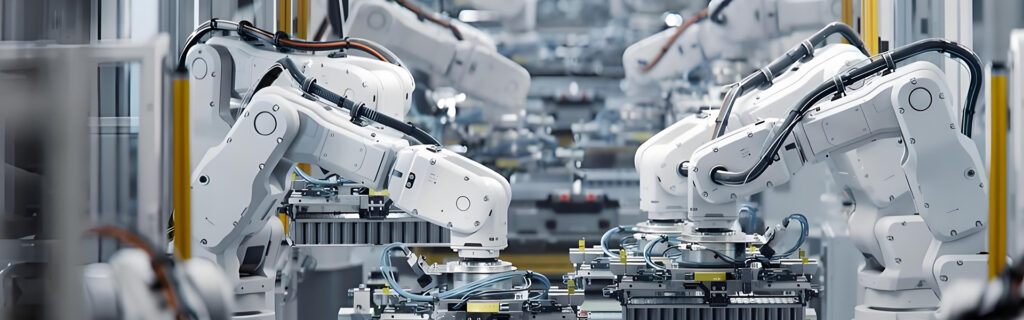
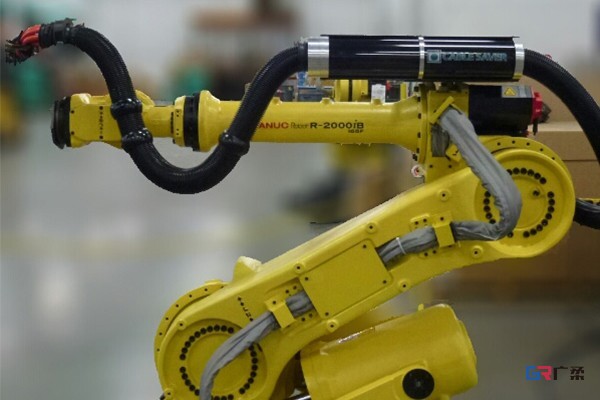
Robot specific hoses find extensive use in numerous industries, enhancing operational efficiency and safety. In the automotive sector, these hoses support automation in assembly lines, where precise fluid and air management is important for robots performing tasks like welding and painting. Similarly, in the aerospace industry, lightweight and durable hoses are essential for high-performance robots engaged in delicate tasks such as component installation and maintenance.
In manufacturing settings, robot specific hoses streamline processes by enabling reliable power and data transmission to robotic systems, which ensures minimal downtime. Industries such as food processing benefit from hoses designed to withstand harsh environments while maintaining hygiene standards. In logistics, robot specific hoses support automated systems handling packaging and material transfer, improving overall productivity.
Moreover, advanced robotic applications in healthcare utilize these specialized hoses in surgical robots where precision is paramount. Each industry adapts hose technology to meet their specific demands, ensuring that performance aligns with operational requirements while minimizing the risk of failures. The ongoing innovations in hose design cater to these diverse applications, underscoring their impact on various sectors.
Tailoring robot hoses for Specific Tasks
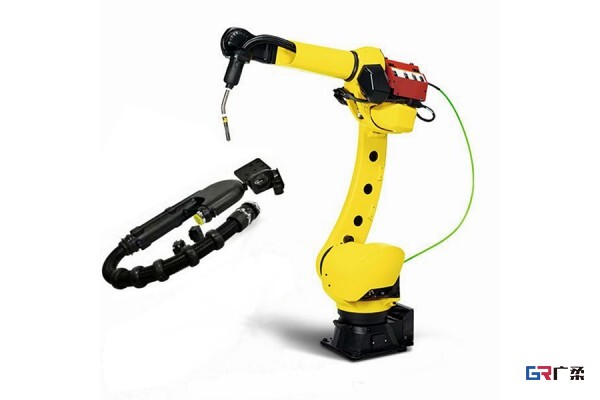
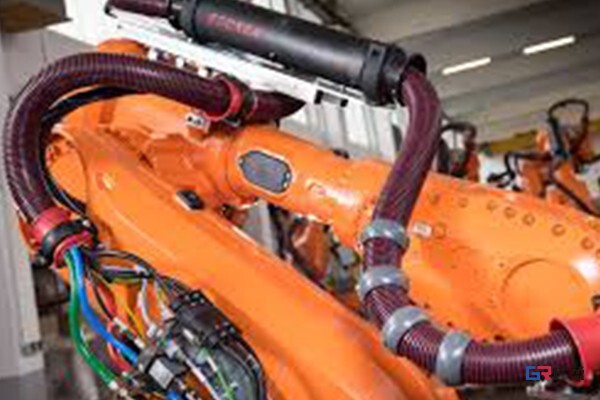
Tailoring robot hoses for specific tasks involves understanding the unique requirements of each application. Factors such as pressure, temperature, and the nature of the environment can greatly influence hose design. For example, a hose used in high-temperature welding applications must withstand intense heat while maintaining flexibility and integrity. In contrast, hoses for underwater robotics need to be resistant to corrosion and capable of performing under pressure. Engineers must consider the materials used, selecting options that offer both strength and lightweight properties to reduce strain on robotic systems. also, configurations can be adjusted to fit into tight spaces or accommodate dynamic movements without kinking or breaking. Collaborating with manufacturers can result in customized solutions that meet these complex demands effectively, ensuring optimal performance across various robotic applications. This targeted approach guarantees that each hose performs reliably, minimizing downtime and enhancing overall operational efficiency.
Achieving efficiency with Advanced Hose Techniques
Future trends in Robotic Hose Design
Innovations in robotic hose design are increasingly driven by advancements in materials and technologies aimed at improving performance and lifespan. One emerging trend is the integration of smart sensors within hoses. These sensors can monitor pressure and temperature, providing real time data to optimize robotic operations. also, the development of lightweight yet durable materials will play a vital role in reducing energy consumption and enhancing the speed of robotic movements. Customizable configurations are also gaining traction, allowing for hoses tailored to specific applications or environments, such as high-temperature settings or abrasive conditions. Furthermore, 3D printing technologies are revolutionizing the production process by enabling rapid prototyping and more complex designs that were previously difficult to manufacture. These developments not only improve functionality but also contribute to cost-effective production methods in the robotics industry. As automation continues to expand across various sectors, the demand for advanced robotic hose designs that offer better adaptability and reliability will remain a significant focus for engineers and manufacturers alike.
Conclusion
the evolution of Robot Specific Hoses reflects a dynamic response to the increasing demands of robotics applications across various industries. Improving materials, original production techniques, and tailored designs contribute to their essential role in enhancing operational efficiency and reliability. Continuous advancements, such as integrating smart technologies and developing lightweight composites, are transforming hose performance. Engineers must stay informed about these trends, adapting their designs to leverage new materials and technologies effectively. By addressing specific application requirements and considering factors like pressure and environmental conditions, the industry can ensure the longevity and functionality of hoses. The ongoing focus on innovation in robotic hose design promises to meet the challenges of future robotics applications head-on, making their selection and implementation critical for success in automated environments.
FAQs
What materials are commonly used in Robot Specific Hoses?
Robot Specific Hoses typically use thermoplastic elastomers (TPE), polyurethane, and nylon for their unique benefits.
How can I optimize the configuration of robot hoses for specific applications?
Modular designs allow for adjustments in length and diameter, accommodating different robotic components and minimizing wear.
What are some important factors to consider when designing robot hoses?
Designs should consider pressure, temperature, and environmental conditions to ensure optimal performance without compromising integrity.
How do advancements in technology influence robotic hose design?
new materials and production techniques improve durability, flexibility, and overall efficiency in robotic systems.
What industries benefit from Robot Specific Hoses?
Industries such as automotive, aerospace, food processing, and healthcare utilize these hoses for automation efficiency and reliability.
Are there smart technologies being integrated into robot hoses?
Yes, smart sensors are being integrated to monitor pressure and temperature in real time to improve operational efficiency.
How does customization play a role in the design of robot hoses?
Customization ensures that hoses meet specific application needs, addressing challenges such as space constraints or environmental factors.
Why is durability important for robotic hose designs?
Durability reduces maintenance costs and downtime by ensuring hoses can withstand the wear associated with industrial applications.
What future trends are shaping robotic hose design?
Emerging trends include the use of lightweight materials, 3D printing technology for complex shapes, and real time monitoring systems for enhanced performance.