important Takeaways
Robot dress packs are an essential component in modern robotic systems, important for maintaining efficient operations. They significantly reduce the risk of cable damage by managing movement and protecting critical wiring harnesses from wear. This proactive approach not only prolongs the lifespan of cables but also minimizes interruptions due to maintenance needs. Dress packs’ adaptability to various applications allows them to meet the specific demands of different industries, improving overall productivity. The innovations in design, such as anti-collision rings and modular components, improve both functionality and safety during operation. Efforts to customize these systems lead to optimized performance, tailoring solutions that conform to individual operational challenges. The collective benefits of using robot dress packs translate directly into smoother workflows and greater reliability, underscoring their importance in automated environments.
Cable protection solutions for Robots
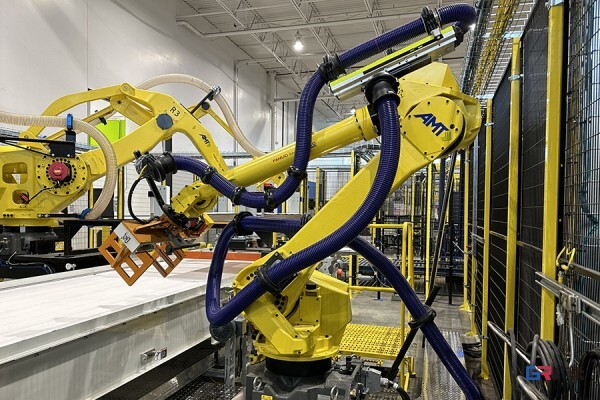
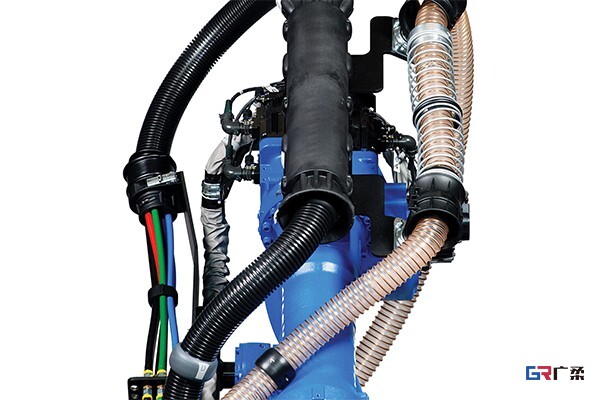
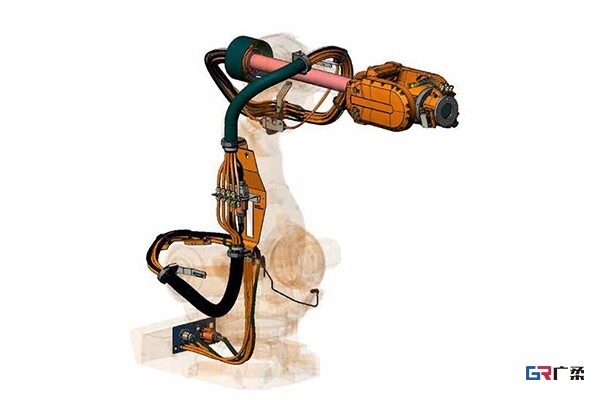
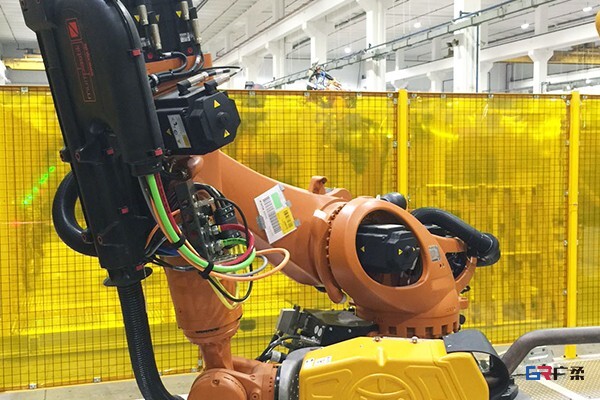
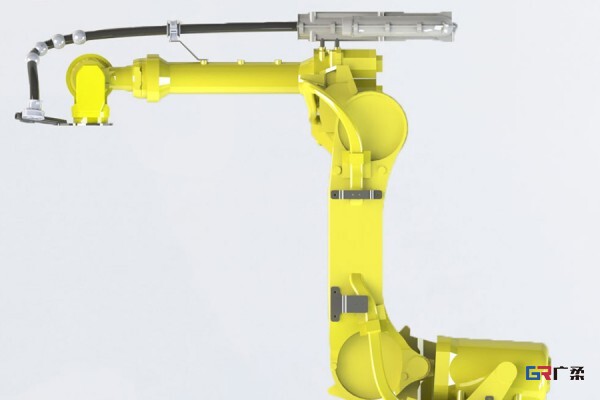
Robot dress packs play a vital role in safeguarding the cables and hoses important for robotic operations. These systems bundle and protect wiring harnesses while ensuring that movement remains unhindered. Their design limits the bending and torsion of cables, which significantly prolongs their lifespan. By preventing damage from wear and accidental jerks, dress packs improve reliability. Adaptable features like bellows and mounting brackets ensure a secure fit while allowing flexibility in movements. Moreover, the use of specialized accessories, such as anti-collision rings and sliding clips, contributes to effective cable management. This also aids in reducing friction during operation, maintaining optimal performance throughout various cycles. Industries benefit from these solutions by decreasing maintenance needs and operational interruptions caused by cable failures. Ultimately, robust cable protection facilitates smoother operational workflows, enabling robots to function efficiently even in demanding environments.
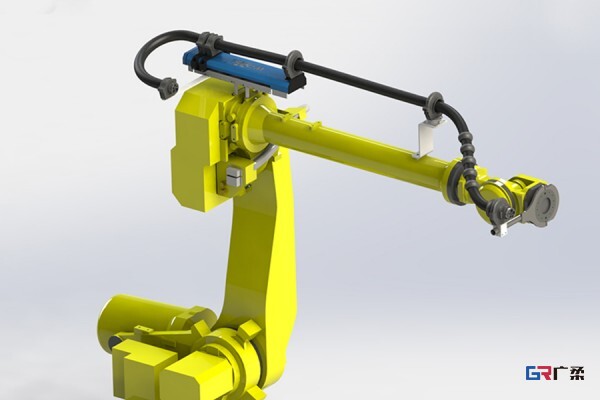
Advantages of Robot Dress Packs
Robot dress packs offer significant advantages in industrial environments where efficiency and reliability are essential. They effectively manage and protect cables, air hoses, and wiring harnesses, which reduces wear and tear over time. This proactive approach minimizes the risk of cable damage, which is a common source of operational disruptions. By maintaining the integrity of critical connections, dress packs contribute to longer service life and lower maintenance costs.
Their modular design allows for easy customization, adapting to various robotic applications seamlessly. Furthermore, the lightweight materials used in dress pack construction promote unhindered robot movement, translating to optimal performance during operational cycles. The installation of features like anti-collision rings enhances safety by preventing accidental damage during machine motion.
"Effective cabling leads to smoother operations."
Incorporating robot dress packs fosters a streamlined approach to cable management, ensuring that robotics can perform without interruption while extending the lifespan of essential components.
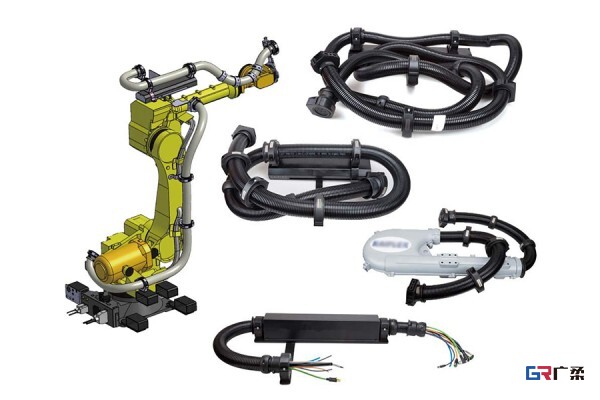
Industry uses of Dress Packs
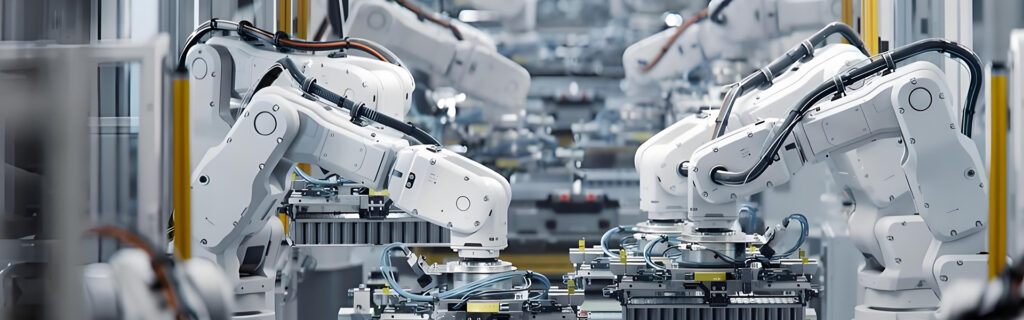
Robot dress packs find extensive applications across various industries, showcasing their versatility and importance in modern automation. In the automotive sector, these dress packs ensure reliable cable management within assembly lines, where the seamless operation of robotic arms is critical for efficiency. Rail transportation also benefits, as dress packs protect essential wiring and hoses from wear and tear in demanding environments. Within industrial automation, the need for robust and organized cable solutions is evident in factories where robots conduct tasks ranging from welding to painting. Shipbuilding utilizes these packs to ensure that electrical systems aboard vessels remain operational despite harsh maritime conditions. also, digital monitoring systems integrate dress packs to maintain data integrity by safeguarding critical connections. This wide-ranging applicability demonstrates the adaptable nature of robot dress packs while highlighting their role in enhancing operational reliability across diverse sectors.
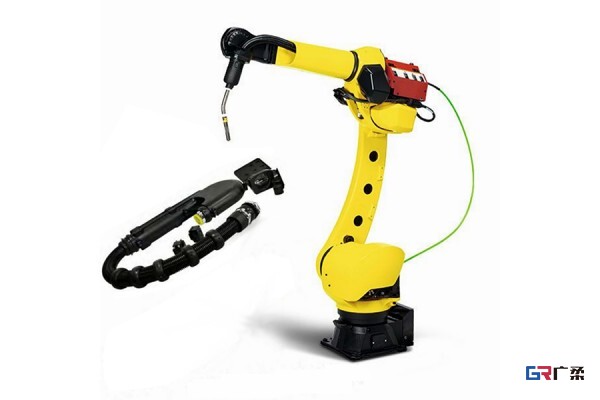
Enhancing mobility with Dress Packs
Robot dress packs are designed to optimize the movement of cables and hoses, promoting operational fluidity in robotic applications. They incorporate features such as the bellmouth, which aids in directing movement while minimizing potential friction. This design significantly reduces wear on external components and enhances overall durability. The implementation of a spring telescoping system allows for seamless motion across multiple axes, accommodating the dynamic demands of different tasks. With integrated anti-collision rings and sliding clips, cables remain securely positioned during operation, preventing tangling and ensuring consistent functionality. These design elements work together to create an environment where robots can maneuver freely without the hindrance of entangled lines or restrictive hoses. Ultimately, effective mobility management provided by dress packs is important for maintaining high levels of productivity and reliability in various industrial settings.
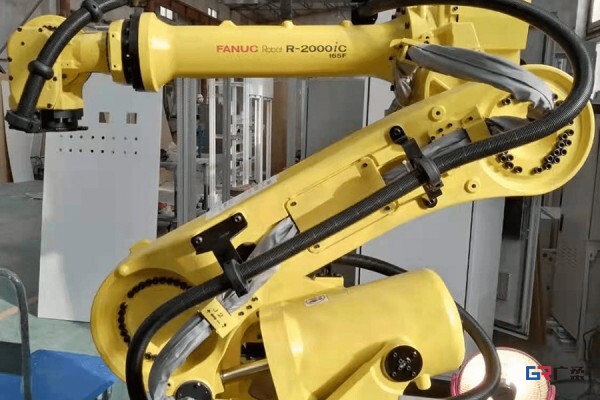
Durable design of Cable Management Systems
Robot dress packs are engineered to withstand challenging environments while ensuring optimal cable protection. Their construction utilizes high quality materials that provide resistance against abrasion, chemicals, and extreme temperatures. This durability is fundamental for maintaining the integrity of hoses and wires, which face significant wear during robotic operations. The modular design of these systems allows for easy replacement of damaged components, minimizing disruptions to workflow. Furthermore, features like wear rings and protective bellows improve longevity by safeguarding critical elements from impact and friction. By integrating a spring telescoping system, dress packs facilitate smooth movement across multiple axes without compromising durability. This combination of robust materials and thoughtful design ensures that robotic cable management systems provide reliable performance over extensive work cycles, making them an essential part of industrial automation strategies.
Tailored solutions for Robotic Applications
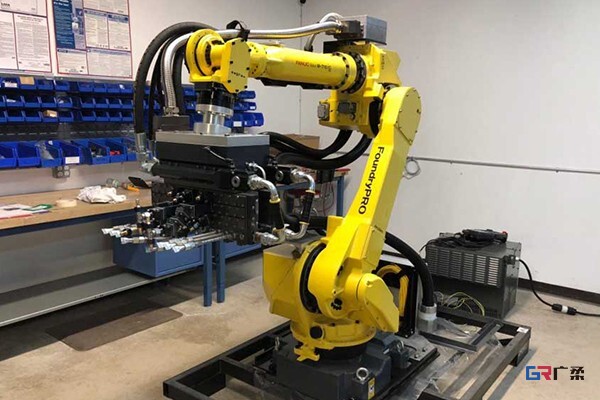
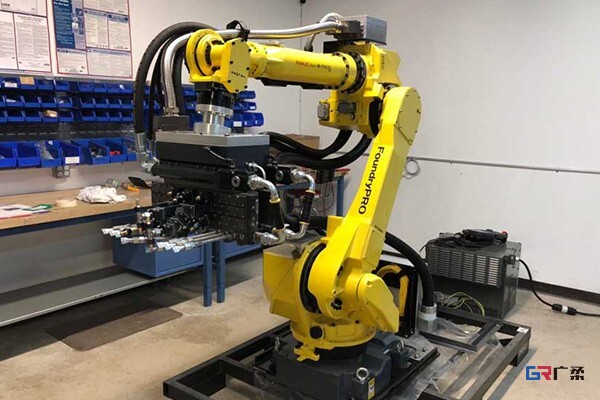
Customizing robot dress packs to fit specific applications is vital for optimizing their performance. Each robotic operation presents unique challenges, such as environmental conditions, load requirements, and movement patterns. A tailored approach involves analyzing these variables to select the right materials, configuration, and accessories. For instance, in environments with high humidity or temperature fluctuations, utilizing protective materials that withstand such conditions can boost longevity. Moreover, adjusting the length of the dress pack and incorporating features like anti-collision rings can mitigate wear and prevent damage during extensive movement cycles.
Industry-specific needs also dictate design choices; automotive manufacturing may require dress packs that accommodate more cables due to complex machinery, while simpler setups in packaging could benefit from streamlined designs. Collaborating with engineers during the selection process ensures that all factors are considered. Implementing tailored solutions ultimately leads to smoother operations and reduces the likelihood of downtime caused by equipment failure or cable management issues. Custom design not only improves efficiency but also enhances overall productivity in robotic applications.
Reducing downtime with Dress Packs
Effective cable management significantly reduces downtime associated with robotic operations. Failures often stem from cable wear due to excessive movement, leading to costly interruptions. Robot dress packs mitigate these risks through their design, which limits bending and torsion that cables typically endure during robotic activities. By maintaining optimal cable integrity, dress packs prevent disruptions in service and boost overall productivity.
The use of tailored solutions allows companies to adapt dress packs to specific robotic functions, further minimizing the possibility of failure. This customization is vital in environments where robots operate under intense conditions, as specialized dress packs can better withstand stresses and strains. Consequently, organizations see a marked improvement in operational efficiency and a reduction in maintenance costs, translating to a more reliable workforce.
Robots equipped with quality dress packs operate smoother and more effectively, supporting uninterrupted workflows that can ultimately boost profitability across various sectors.
Maximizing robot efficiency with Cable Management
Effective cable management is vital for optimizing robot efficiency in various industrial environments. Robot dress packs play a important role in this process by securing and organizing cables, hoses, and wiring, which reduces the risk of tangling or damage during robotic operations. By minimizing the chances of wear and tear on critical components, dress packs directly contribute to operational reliability. This reliability allows robots to operate at peak performance levels with reduced interruptions. also, the streamlined design of dress packs facilitates smoother movement, enabling robots to navigate complex tasks without undue strain on their systems. This integration not only enhances productivity but also fosters a safer work environment by eliminating hazards associated with loose cables or mismanaged wiring. Adopting tailored solutions maximizes the benefits of cable management systems, ensuring robots remain efficient while minimizing the risk of downtime caused by cable-related failures.
Conclusion
robot dress packs are essential in modern automated settings, fundamentally enhancing the reliability and efficiency of robotic operations. Their ability to protect cables and hoses from wear while maintaining flexibility ensures that robots can operate at optimal performance levels. By incorporating tailored solutions, organizations can effectively address the specific demands of various applications, whether in automotive or manufacturing environments. This custom fit not only minimizes maintenance costs but also directly impacts productivity by reducing downtime due to cable-related failures. As industries continue to evolve and embrace automation, the role of robust cable management systems like dress packs will become increasingly significant, driving operational success and sustained performance in diverse sectors.
FAQs
What is a robot dress pack?
A robot dress pack is a flexible system that protects and organizes cables, hoses, and wiring important for robotic operations.
How do dress packs improve cable durability?
Dress packs minimize bending and torsion of cables, significantly reducing wear and prolonging their lifespan.
What industries use robot dress packs?
Robot dress packs are utilized across various sectors including automotive, manufacturing, rail transportation, and shipbuilding.
Can dress packs be customized?
Yes, dress packs can be tailored to fit specific applications by adjusting their design features based on operational requirements.
How do dress packs affect robot efficiency?
By ensuring proper cable management and reducing downtime due to cable failures, dress packs improve overall robot efficiency during operations.
What maintenance is required for robot dress packs?
Regular inspections for wear and potential damage are recommended to ensure optimal performance of robot dress packs.
Are there specific materials used in constructing dress packs?
Dress packs are typically made from high quality materials that resist abrasion, chemicals, and extreme temperatures for durability.
Can a malfunction in a dress pack lead to operational downtime?
Yes, failures in dress packs can cause cable damage that disrupts operations, highlighting the need for reliable cable management solutions.
How do anti-collision rings in dress packs help?
Anti-collision rings prevent accidental damage by securing cables during movement of robotic systems.