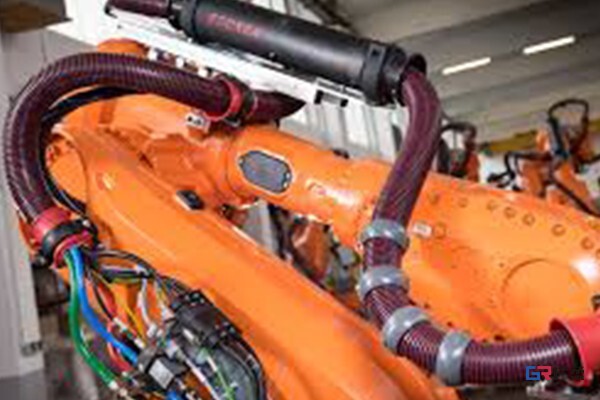
main Takeaways
The advancements in Robot Specific Hoses show their important role in improving industrial robotics performance. These hoses provide greater flexibility, letting robotic systems operate smoothly across different environments while handling complex tasks. Durability stays an important factor, since advanced materials help these hoses withstand extreme conditions without losing functionality. Efficiency improves with designs that prioritize lightweight components and optimize fluid dynamics, cutting energy use and maintenance requirements. Also, the protective features of these hoses shield vital robotic components from environmental hazards, helping maintain uninterrupted operation. Knowing the specific requirements of robotic applications helps manufacturers choose the right hoses, which can result in longer lifespans and less downtime. Custom solutions built for unique operational challenges also show the room for innovation within this technology. Overall, adopting these advancements will help manufacturers improve productivity and reliability in automated processes.
Innovations in Robot Hoses
Recent developments in robot hoses concentrate on better flexibility, enabling smoother, uninterrupted movement in robotic applications. Various designs use advanced materials that give superior resistance to wear and greater adaptability across different operational environments. Innovations like lightweight composites and reinforced synthetic blends increase the versatility of these hoses, making them fit a range of industrial applications.
Customization options now include modular designs that allow adjustments or repairs without replacing whole systems. For example, improving the integration of smart technology into hoses lets sensors monitor wear and stress in real time, supplying key data that can prevent unexpected failures.
These advancements streamline robotic operations and help improve overall efficiency by cutting maintenance time and costs. As the industry evolves, adopting these approaches becomes important for manufacturers aiming to improve performance and reliability in their robotic systems.
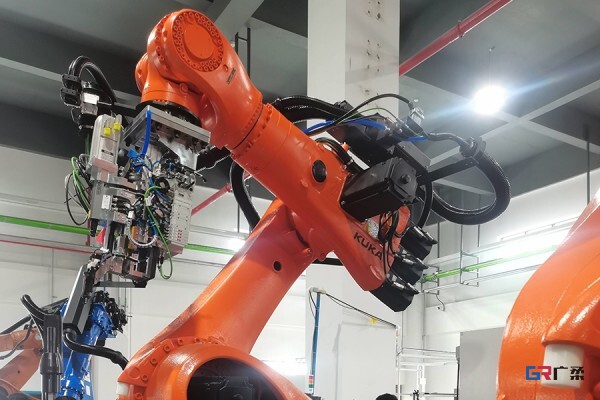
Enhancing robotics flexibility
Flexibility matters in robotic applications, letting robots move smoothly in changing environments. Advanced Robot Specific Hoses are built to improve that flexibility, accommodating the complex movements robots make during tasks. These hoses are engineered to resist abrasion and hold their shape even under severe bending. That kind of innovation lets robots reach further and adapt to changing workspaces without losing performance. Designs include articulated joints and twistable sections that provide greater freedom of motion. Also, the materials used in these hoses combine lightweight and resilient properties, so they withstand demanding conditions while staying easy to install and route. As robots take on more tasks across industry, these flexible hose solutions play an important part in improving robotic performance and reliability.
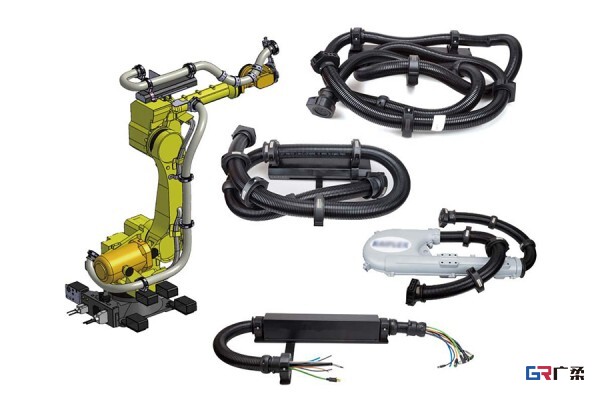
Durability in Robot Hoses
Durability is a primary factor in the performance of robot-specific hoses. These hoses have to withstand demanding conditions like extreme temperatures, mechanical stress, and exposure to various chemicals. Advanced materials such as reinforced polymers are often used to improve the lasting quality of these hoses, enabling them to hold shape and function under high pressure. Each hose’s design contributes to its overall resilience. Features like multi-layer construction and abrasion-resistant coatings help prevent wear, significantly extending the product’s lifespan. When selecting robot hoses, it’s important to consider the materials used and the specific environmental conditions they will face in industrial applications. That consideration helps ensure robotic systems run without interruptions from hose failures, which can cause costly downtime. Investing in high-durability hoses supports more efficient production by reducing maintenance needs and replacements over time.
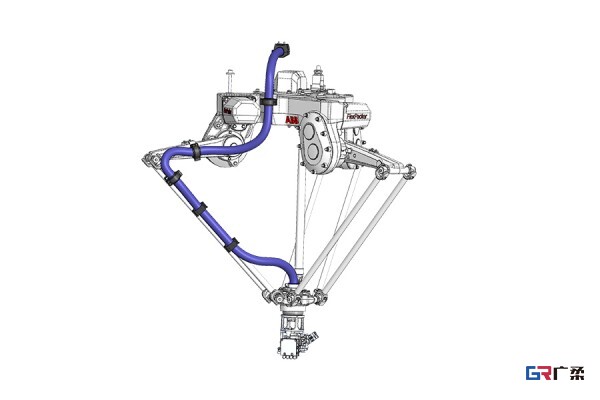
Efficiency of Hose Designs
Efficient hose designs are vital to optimizing robotic performance. Advanced materials are used to reduce weight while increasing strength, enabling easier maneuverability and lower energy consumption. Streamlined shapes minimize turbulence and improve flow rates, helping robot systems operate smoothly without bottlenecks. New features, such as built-in flexibility and abrasion resistance, let these hoses adapt to the dynamic movements of robotic arms across applications. Furthermore, integrating standardized coupling systems enables quick replacements and maintenance, significantly reducing downtime. By combining tensile strength with lightweight properties, modern hose designs improve operational efficiency in industrial robotics, contributing to higher productivity and greater reliability in automated environments.
Protecting robotic components
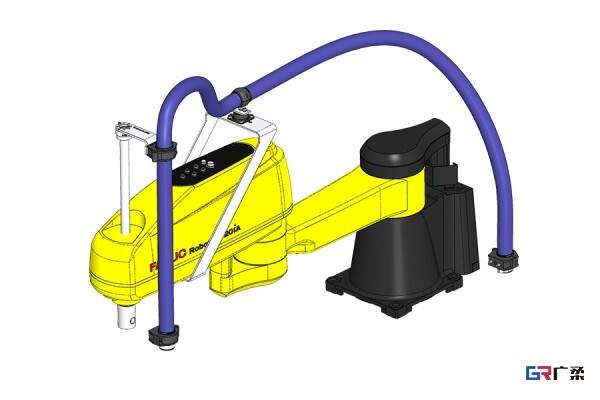
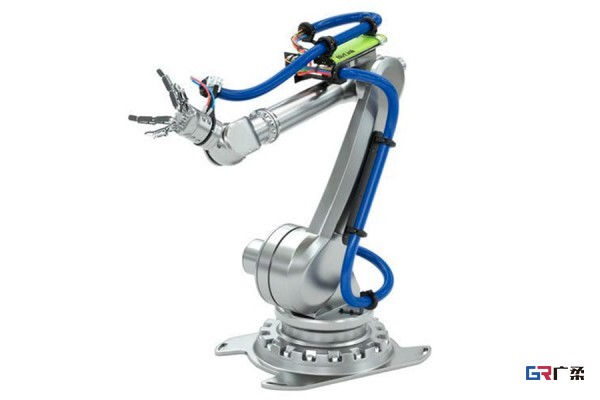
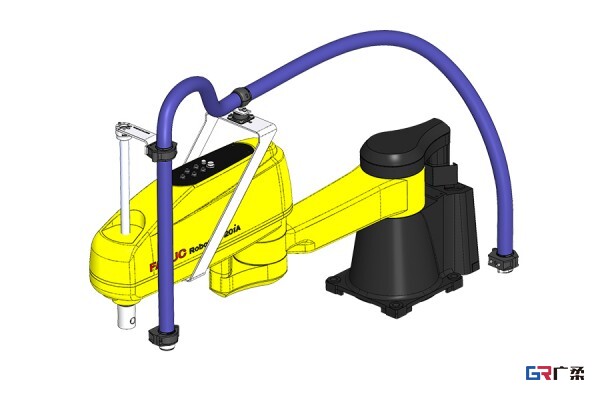
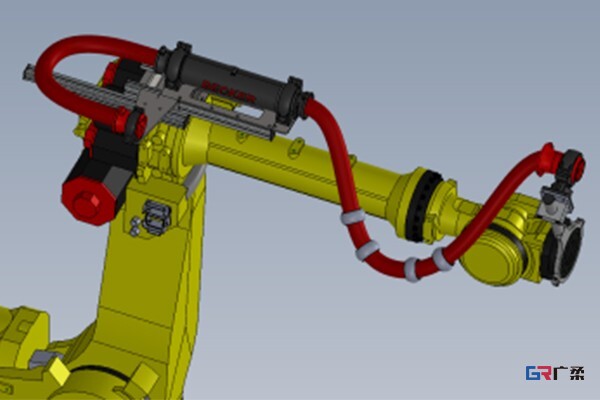
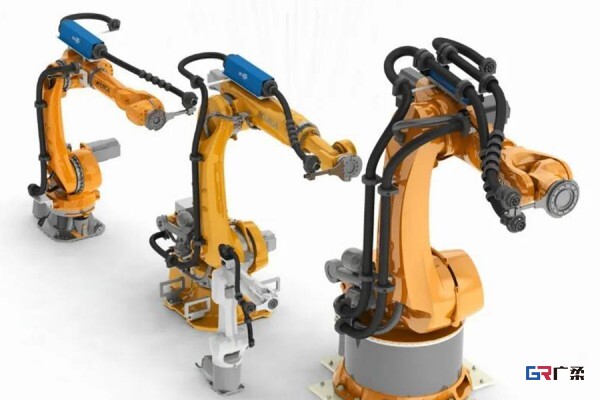
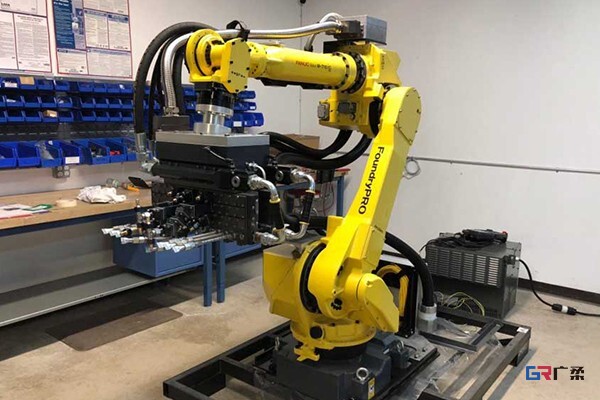
In industrial robotics, protecting important components is necessary for maintaining operational efficiency. Robot Specific Hoses play a vital role in that protection by encapsulating and shielding cables, air lines, and wiring harnesses from environmental hazards. These hoses are built to withstand extreme conditions—temperature swings and chemical exposure—helping ensure longevity. Specialized designs often include anti-abrasion materials and flexible structures that adapt to robotic motion. Also, adding wear rings can prevent damage from friction. By minimizing risks and maintaining reliable operation, these hoses reduce maintenance needs and operational downtime. Choosing the right hose is important; selecting models tailored to specific robotic tasks can significantly boost the resilience of robotic systems. Customizable solutions let industries tailor hose specifications to their applications while keeping robotic investments protected over time.
Hoses for Industrial Robotics
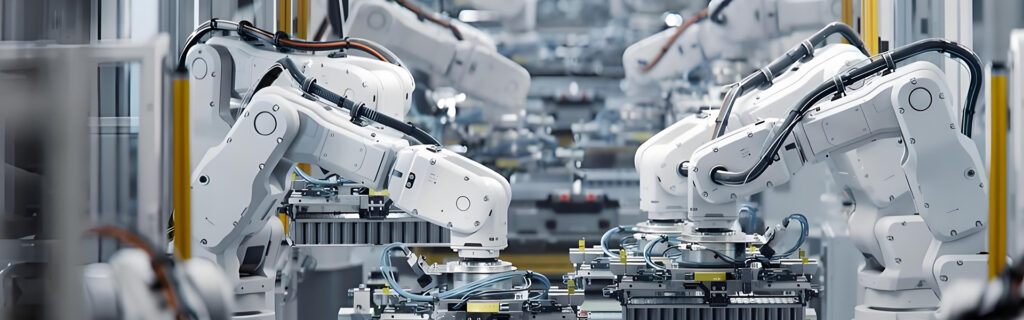
In industrial robotics, choosing the right hose is key to machine efficiency and longevity. Robust, flexible hoses must accommodate the dynamic movements of robotic arms and protect essential components like cables and air lines. They are engineered to withstand harsh conditions, including temperature extremes and abrasion. Careful design often adds features that allow smooth movement without compromising integrity under pressure. Different industries may require specialized hose configurations tailored to specific applications, such as high-speed assembly lines or light-sensitive environments. Important considerations include material compatibility, bending radius, and weight capacity to ensure the hose works seamlessly with robotic systems. Working with manufacturers can produce custom solutions that meet operational needs and improve overall workflow efficiency in industrial settings.
Next-Gen Hose Technology
Next-generation hose technology is changing how industrial robotics handle fluid and power delivery. They are engineered to withstand extreme conditions, which improves adaptability across robotic applications. Advanced materials like thermoplastics and composite fabrics increase flexibility while maintaining strength. Also, innovations in manufacturing techniques enable design features that reduce wear and extend hose life, significantly lowering maintenance costs and downtime. Customization has become a key feature of next-gen hose solutions, letting companies tailor hoses to specific operational needs and environments. These tailored solutions promote efficiency by keeping robotic components protected from hazards like abrasion and heat. Investing in these advanced hose technologies can help industries gain greater reliability and performance from their robotic systems.
Custom solutions for Robotics
Tailoring solutions for robotic applications is important to meet specific operational challenges. Companies like HELUKABEL collaborate closely with clients to design custom hoses that meet unique needs. By analyzing motion range, load-bearing requirements, and environmental conditions, engineers can create hoses that increase performance. Customization can include different material choices, diameter sizing, and specialized fittings that improve compatibility with existing systems. These adapted solutions also help reduce wear on robotic components and increase overall reliability by mitigating issues from friction and environmental exposure. This personalized approach ensures efficiency and extends the life of important robotic systems, leading to reduced downtime and increased productivity in industrial settings.
Conclusion
The evolution of Robot Specific Hoses is changing how industrial robotics operate, delivering notable improvements in performance and operational lifespan. Advances in materials and design improve flexibility, durability, and efficiency, lowering the risk of component failures that cause downtime. As customization becomes more relevant, industries can tailor hoses to specific use cases, which boosts the effectiveness of robotic systems and improves their resilience to harsh environments. Effective hose selection matters for optimizing robotic operations, since choosing models suited to particular tasks can strongly influence overall efficiency. Focusing on innovations in hose technology helps businesses compete while keeping their robotic investments protected and performing well.
FAQs
What are Robot Specific Hoses?
Robot Specific Hoses are specialized tubing meant to connect and protect robotic components, improving flexibility, durability, and efficiency.
Why is flexibility important in robotic hoses?
Flexibility lets robots maneuver more easily in varied environments, keeping performance during complex movements.
How do these hoses ensure durability?
These hoses use advanced materials like reinforced polymers and multi-layer constructions to withstand harsh conditions and extend lifespan.
What factors should be considered when selecting a robotic hose?
Important factors include material compatibility, environmental conditions, bending radius, and the hose’s capacity to handle specific operational demands.
Can custom solutions for hoses be created?
Yes, many manufacturers offer custom hoses tailored to specific industrial applications, adjusting size, materials, and design features as needed.
How do next-gen hose technologies benefit industrial robotics?
Next-gen hose technologies use advanced materials and designs that improve adaptability while reducing wear and maintenance costs.
What role do Robot Specific Hoses play in protecting components?
These hoses shield important robotic parts from environmental hazards like abrasion and chemicals, ensuring reliable operation.
Are there special considerations for robotic hose installation?
Proper installation is important; it includes correct routing and ensuring the hoses can accommodate dynamic movements without obstruction.