important Takeaways
Robot specific hoses represent a critical advancement in automation technology, bringing significant enhancements to the performance and reliability of robotic systems. Their design emphasizes flexibility and durability, allowing them to adapt seamlessly to the unique movements required in various applications. By utilizing advanced materials, these hoses withstand harsh conditions and reduce wear on robotic components, subsequently extending service life and minimizing maintenance needs. The implementation of smart technologies for real time condition monitoring also plays a vital role in proactive maintenance strategies, which further enhances operational efficiency. As industries continue to invest in automation, the demand for bespoke hose solutions will likely increase, necessitating continuous innovations to address complex challenges. This ongoing evolution will result in smarter systems that exemplify efficiency while encouraging improved productivity across diverse sectors reliant on automation solutions. Understanding these important features will aid engineers and decision-makers in selecting the right hoses to optimize their robotic systems effectively.
Innovations in Robot Hoses
Recent advancements in robot specific hoses have significantly transformed the automation scene. These new hoses are now engineered using advanced materials that provide enhanced flexibility and durability, allowing them to withstand the rigors of high-speed robotic movements. New designs incorporate lighter weight components that reduce strain on robotic systems while maintaining performance integrity. furthermore, the integration of smart technology within hoses enables real-time monitoring of conditions, ensuring proactive maintenance and minimizing downtime. The use of flexible connectors has improved hose routing options, making installations more efficient and adaptable to varying workspace configurations. As manufacturers focus on sustainability, eco-friendly materials are also becoming more common, catering to industries that prioritize environmental responsibility. Enhanced designs not only contribute to better functionality but also promote safety by reducing the risk of wear and tear in critical systems. These innovations are paving the way for more effective automation solutions that improve productivity across diverse applications.
Enhancing robotics with Specific Hoses
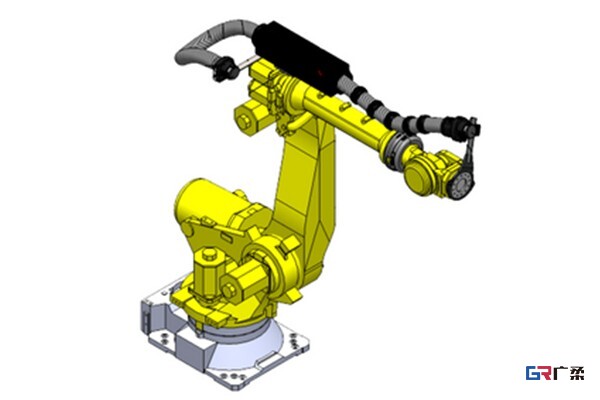
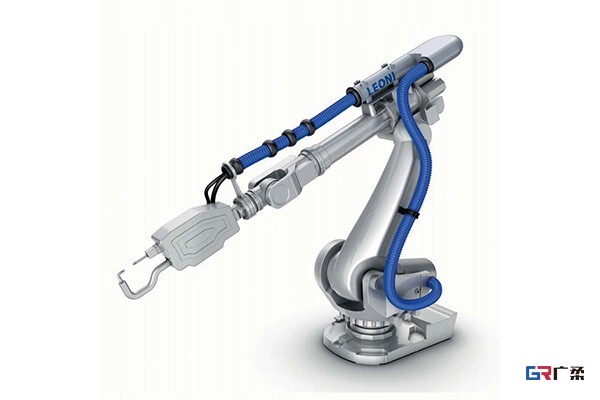
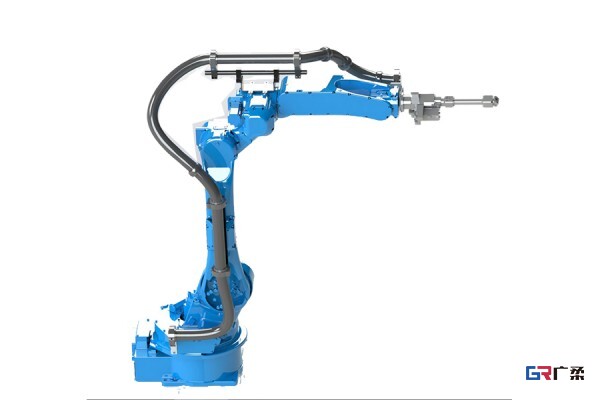
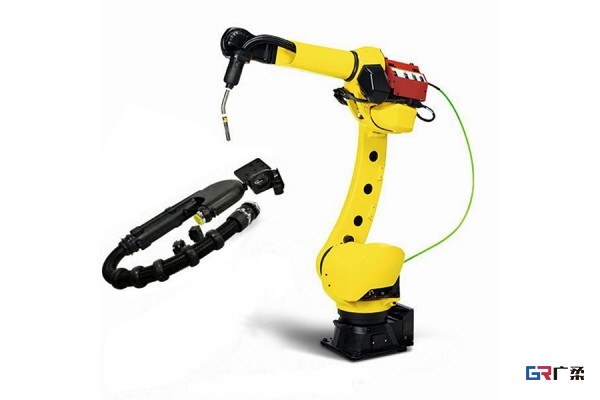
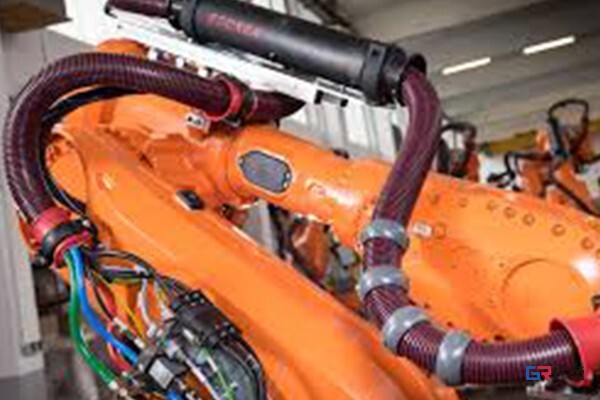
Robot specific hoses play a critical role in optimizing the performance of robotic systems. Designed to accommodate the unique movements and requirements of robotic applications, these hoses offer flexibility while maintaining durability. The integration of advanced materials in hose construction enables resistance to abrasion, extreme temperatures, and various chemicals, ensuring reliability over time. By reducing friction and wear during operation, robot specific hoses not only prolong the lifespan of robotic components but also improve overall efficiency. Their tailored designs allow for seamless routing of cables and fluids without obstructing movement or causing damage. This careful engineering translates to smoother operations in automated processes across industries such as manufacturing and logistics. Moreover, these hoses facilitate quick maintenance and replacement, minimizing downtime associated with equipment failures. As automation technology advances, the role of specific hoses becomes increasingly vital in maintaining high productivity levels in robotic applications.
Benefits of Advanced Hose Designs
Advanced robot specific hoses offer main improvements that directly impact automation performance and reliability. These hoses are engineered to withstand repetitive motion and dynamic stresses common in robotic systems. Their reinforced construction reduces wear caused by bending, twisting, and compression, extending service life and lowering maintenance frequency. Improved flexibility allows hoses to move seamlessly with articulated robots, preventing restrictions that could hinder precision or speed.
Materials used in these hoses are often resistant to environmental factors such as chemicals, heat, and abrasion, which safeguards internal wiring or fluids from damage. This durability is important for maintaining consistent signal transmission or fluid flow without interruption. also, optimized hose designs often feature lightweight yet robust structures that reduce added load on robotic arms. The reduced weight minimizes energy consumption and fatigue on actuators.
Another benefit lies in modularity; many advanced hoses come with standardized fittings or adaptable lengths that simplify installation and replacement while supporting diverse robot configurations. Such design choices contribute to streamlined integration within manufacturing lines. Overall, these enhancements ensure the robot’s cables and conduits stay protected without limiting motion, improving uptime and operational efficiency across industries relying on automation technology.
Automation efficiency via Hose Technology
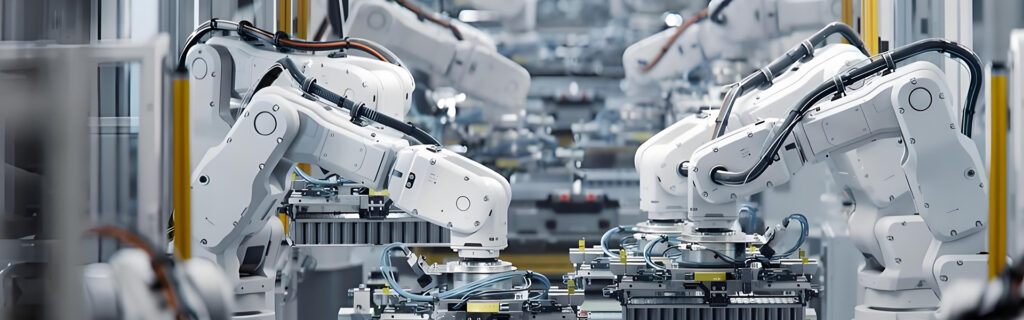
Advanced hose technology plays a vital role in boosting automation efficiency within robotic applications. Engineered for high flexibility and resilience, robot specific hoses minimize friction and wear, facilitating smooth movement. This is particularly important in high-velocity environments where precision is paramount. The integration of new materials ensures these hoses can withstand various pressures and loads, thus maintaining consistent operational performance over time. also, features such as anti-kinking designs and lightweight constructions contribute to lowering the overall energy consumption of robotic systems. This efficiency translates directly to reduced operational costs and improved system reliability. Optimization of hose routing enhances the overall dynamics of robotic solutions by allowing for easier navigation through complex environments, ultimately encouraging enhanced productivity across industries like automotive manufacturing and logistics. The ability to adapt hose configurations in response to specific requirements further amplifies the benefits, leading to tailored solutions that meet diverse automation challenges effectively.
High performance hose solutions
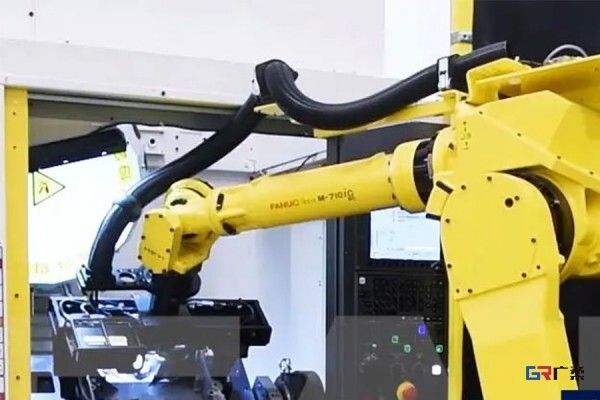
high-performance robot specific hoses are engineered to withstand the rigors of automation environments while ensuring optimal functioning. These hoses incorporate advanced materials and designs that offer superior flexibility, allowing them to manage the dynamic movements of robotic systems without compromising structural integrity. Enhanced abrasion resistance and temperature tolerance further extend their service life, significantly reducing the frequency of replacements and maintenance. furthermore, these hoses are designed to minimize friction and wear, which is vital in applications where continuous motion is required. To ensure compatibility across various robotic systems, manufacturers produce hoses tailored for specific operational conditions and industry requirements. As technology progresses, the focus on high-performance hoses continues to evolve, integrating features like smart sensors that provide real time performance data and improve operational efficiency. This original approach not only improves reliability but also supports the increasing demand for streamlined automation solutions across multiple sectors.
important Features of Robot Hoses
Robot specific hoses are engineered with several essential features that boost their functionality in automation applications. These hoses typically feature advanced materials that offer superior flexibility and resilience, enabling them to withstand the demanding environments of robotic operations. The hoses are often designed with lightweight construction, reducing the overall load on robotic arms while maintaining strength and durability. also, many models incorporate abrasion-resistant outer layers that protect against wear and tear in high-friction areas.
Another important aspect is the integration of pressure and temperature resistance, ensuring the hoses perform optimally even under extreme conditions. Some robot hoses also contain built-in anti-kink designs to prevent tangling or blockages during movement. Moreover, customizable lengths and diameters allow for precise fitting in various robotic systems, enhancing compatibility across different industrial applications. Through these features, robot specific hoses significantly contribute to operational efficiency by minimizing downtime and maintenance needs while supporting seamless robotic movements across diverse settings.
Industry applications of Robot Hoses
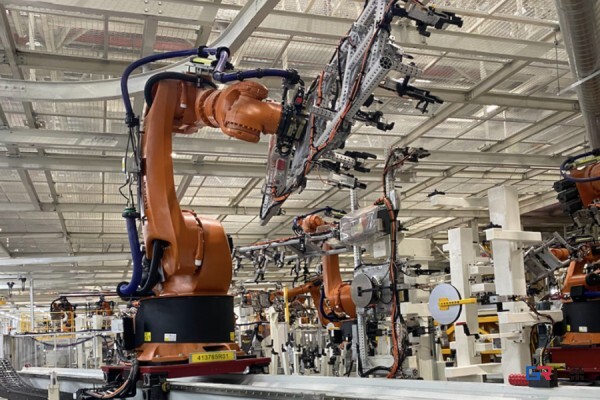
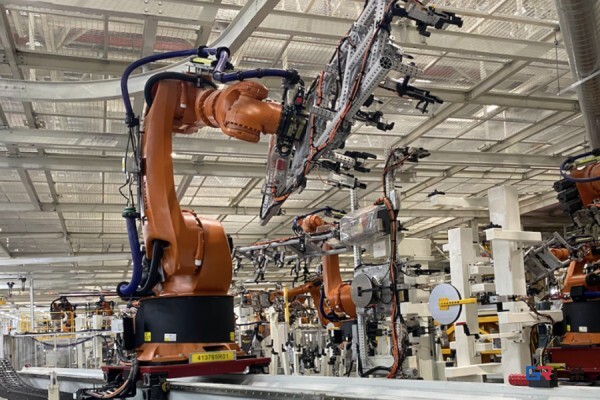
Robot specific hoses play a critical role in various industries by streamlining operations and enhancing efficiency. In automotive manufacturing, these hoses manage complex wiring and fluid delivery systems in robotic assembly lines, reducing the risk of wear due to constant movement. The aerospace sector also benefits, where lightweight yet durable hoses handle the complexities of robotic applications in assembly and maintenance processes. Meanwhile, factories engaged in electronics rely on these hoses for precise cable management, ensuring minimal interference with production workflows. In the food processing industry, hygiene standards necessitate specialized hoses that are easy to clean and resistant to contaminants, allowing robots to operate safely without compromising product quality. Other sectors like pharmaceuticals and logistics have adopted robot hoses to optimize automated conveyor systems, facilitating smooth material handling while minimizing downtime from maintenance issues. As industries continue to embrace automation, the demand for reliable and specifically designed robot hoses will likely grow, driving further innovation in this essential component of modern robotics.
Future trends in Automation Hoses
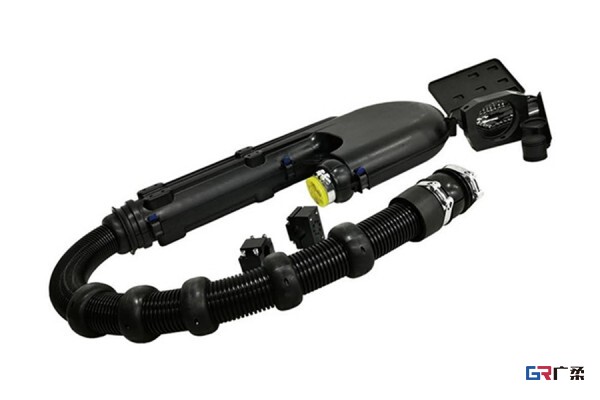
The future of automation hoses is poised to incorporate advanced materials and smart technology for improved performance and durability. Innovations such as lightweight composites and thermoplastic elastomers are being developed to boost flexibility while reducing weight, thus facilitating smoother robotic movements. The integration of IoT technology will allow for real time monitoring of hose conditions, enabling predictive maintenance that minimizes downtime and extends service life. Furthermore, advancements in 3D printing technology may enable custom hose designs that fit specific robotic applications, optimizing efficiency in various environments. As industries increasingly adopt automation, the demand for hoses that can withstand extreme conditions and maintain high performance will rise. This ongoing evolution underscores the importance of continuous research and development in hose technology to meet the ever-growing expectations in automation solutions across multiple sectors.
Conclusion
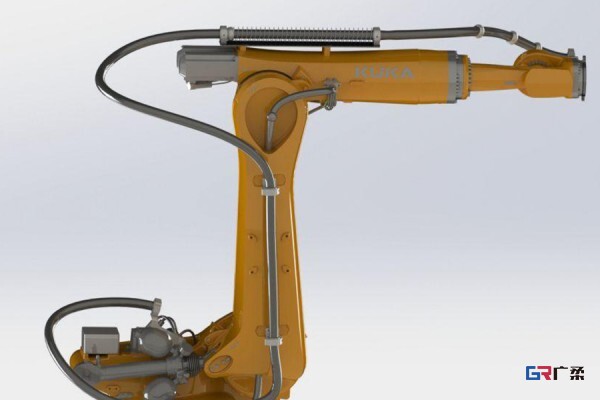
the advancements in robot specific hoses mark a significant evolution in the automation industry. These innovations provide tailored solutions that boost the efficiency and reliability of robotic operations. By utilizing advanced materials and thoughtful designs, these hoses address the unique challenges faced by automated systems, such as minimizing wear and facilitating seamless movements. Their incorporation of smart technologies ensures that maintenance can be proactive rather than reactive, further contributing to operational efficiency. As industries demand more sophisticated automation solutions, robot specific hoses will play an increasingly main role in ensuring that robotic systems perform at their best. The continued focus on sustainability and adaptability within hose design reflects a broader commitment to enhancing productivity while addressing environmental concerns. This convergence of functionality, performance, and responsibility indicates a promising future for automation technologies driven by these specialized components.
FAQs
What is a robot specific hose?
A robot specific hose is designed to meet the unique movement and fluid handling requirements of robotic systems, providing flexibility and durability.
How do advanced hose designs improve automation?
These designs reduce wear and friction, allowing for smoother operations and increased reliability in automated systems.
What materials are commonly used in robot hoses?
Advanced materials such as thermoplastic elastomers and lightweight composites are frequently used for their flexibility, durability, and resistance to abrasion.
Can robot specific hoses be customized for different applications?
Yes, many manufacturers offer customizable lengths, diameters, and fittings to ensure optimal compatibility with various robotic configurations.
How does smart technology boost hose performance?
Smart technology enables real time monitoring of hose conditions, facilitating predictive maintenance and minimizing unexpected downtime.
What are the benefits of using lightweight hoses in robotics?
Lightweight hoses reduce the overall load on robotic arms, promoting energy efficiency and improving the speed of operations.
In which industries are robot specific hoses most commonly utilized?
These hoses are extensively used in industries including automotive manufacturing, aerospace, electronics production, food processing, pharmaceuticals, and logistics.
How often do robot specific hoses need maintenance or replacement?
The maintenance frequency depends on usage conditions; however, high quality hoses can significantly extend service life by minimizing wear during operation.