main Takeaways
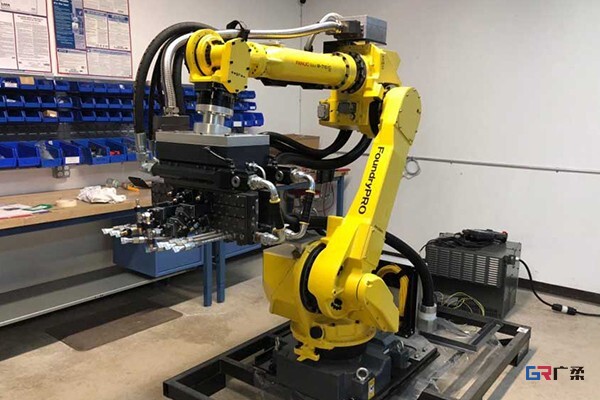
Industrial robot dresspacks offer practical solutions that address common challenges in automation, particularly in cable and hose management. They simplify maintenance through modular designs that enable quick adjustments and repairs, minimizing operational downtime. The flexibility of adjustable cable lengths allows customization for various robotic setups, supporting a wide range of applications without major modifications. Protection features such as torsion stops and bend radius guards help prevent mechanical stress and damage during repeated movements, which extends cable lifespan and improves system reliability. furthermore, the organized routing within multiple cavities reduces cable clutter and tangling, making troubleshooting easier while maintaining workplace safety and efficiency. These advantages make dresspacks essential components for industries that demand high-performance automation, including automotive assembly, semiconductor manufacturing, and material handling. Choosing the right dresspack requires weighing factors like cable compatibility, required flexibility, environment constraints, and durability to ensure seamless integration into existing robotic systems. Overall, industrial robot dresspacks contribute directly to minimizing downtime, reducing maintenance costs, and sustaining consistent productivity across diverse automation environments.
Advantages of Robot Dresspacks in Automation
Industrial robot dresspacks provide multiple advantages in automation applications, significantly enhancing operational efficiency. One of the core benefits is the ease of maintenance. With simple access for repairs and adjustments, downtime is minimized, allowing systems to remain operational longer. Adjustable cable lengths are another important feature, accommodating various setups without requiring extensive modifications. This flexibility not only simplifies installation but also allows for the quick addition or removal of cables as needed.
Moreover, these dresspacks boost protection for cables and hoses, important in environments with repetitive motion and tight spaces. Integrated torsion stops and bend radius protection prevent wear and stress on cables, extending their lifespan. This protective function is vital in industries like automotive and material handling, where rigorous movement is standard.
The structured separation of cables within the dresspack also reduces clutter and tangling, promoting an organized workspace that further boosts productivity. By integrating these features, robot dresspacks not only support the systems they connect but also promote a more efficient overall automation process.
Enhancing efficiency with Industrial Robot Dresspacks
Industrial robot dresspacks are essential for improving operational efficiency in automation applications. By integrating cable management solutions, these dresspacks streamline the movement of cables and hoses, minimizing friction and wear. This design reduces the downtime needed for repairs and inspections, allowing facilities to maintain high productivity levels. The adjustable cable lengths provide flexibility for various robotic applications, accommodating different configurations easily.
Moreover, the structured layout within the dresspack enhances organization by separating cables into multiple cavities. This organization not only prevents tangling but also simplifies troubleshooting when issues arise. The inclusion of torsion stops reduces stress on cables during robotic movements, extending their lifespan and reliability. With these improvements, industries can achieve more consistent performance from their robotic systems while also reducing maintenance costs associated with cable failures. Ultimately, using industrial robot dresspacks equips businesses to adapt quickly to changing production needs while maximizing efficiency across various automation tasks.
main Features of Industrial Robot Dresspacks
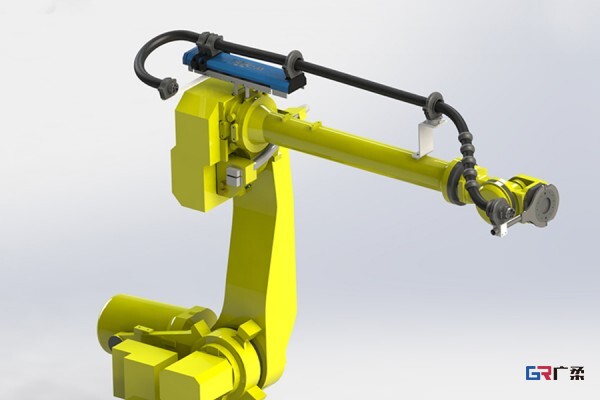
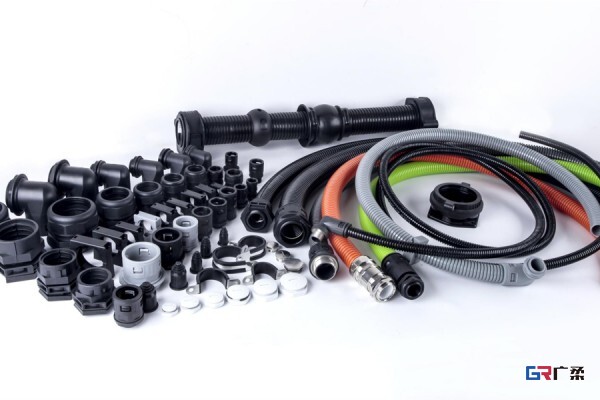
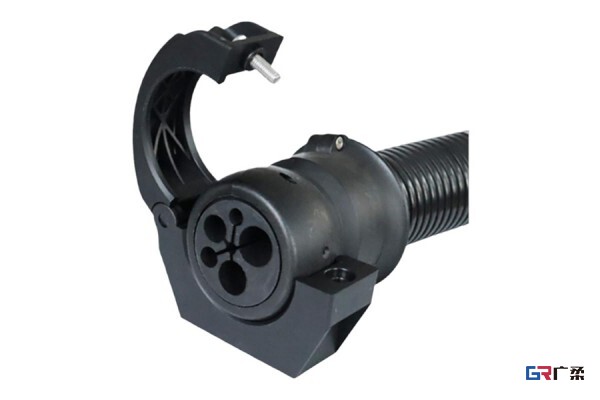
Industrial robot dresspacks offer a range of features designed to meet the demands of automated environments. One of the primary characteristics is their modular design, allowing for easy assembly and customization based on specific application needs. This modularity enables engineers to adjust cable lengths and configurations, leading to improved flexibility in installation. The integrated torsion stops significantly reduce wear and tear, protecting cables from stress during operation. furthermore, cable management through multiple cavities ensures that cables remain organized while preventing tangling and damage, enhancing overall durability. Dresspacks are constructed from high-strength materials that provide bend radius protection, a important aspect for maintaining cable integrity during machine movements. The triflex®R design from igus® exemplifies this approach by facilitating rapid filling for quick installation or replacement of cables, ultimately reducing downtime. Furthermore, these dresspacks are suitable for various environments, including those with strict cleanliness requirements in cleanrooms or specific operational conditions encountered in industries such as automotive and semiconductor technology.
Industrial robot dresspacks in Various Industries
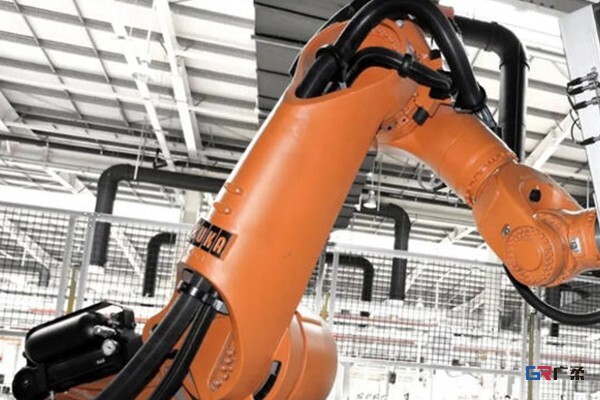
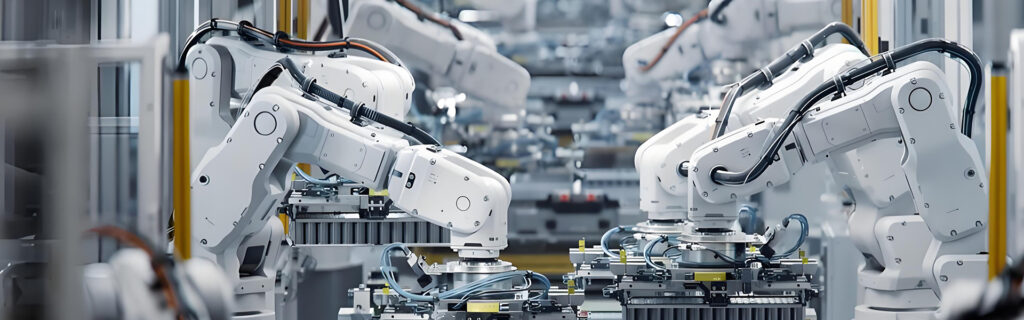
Industrial robot dresspacks play a critical role across numerous sectors, enhancing operational efficiency and reliability. In manufacturing, these dresspacks ensure that cables and hoses are properly managed, reducing wear and tear while facilitating smoother movement of robotic arms. The automotive industry benefits from the flexibility of dresspacks that can adapt to complex assembly line processes. In battery production, where precision is vital, industrial robot dresspacks minimize disruption by protecting sensitive cables during rigorous operations. Welding applications utilize these systems to maintain cable integrity against intense environmental conditions. also, sectors such as packaging and material handling leverage dresspacks to improve workflow and reduce downtime for repairs or replacements. With each industry requiring specific configurations, the versatility of industrial robot dresspacks is essential in optimizing automation systems tailored to distinct operational challenges.
Improving cable management with Dresspacks
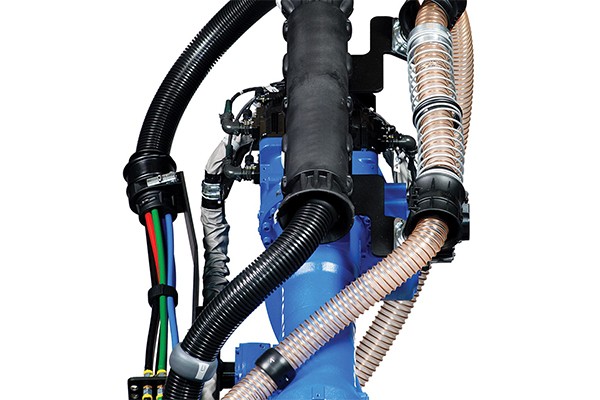
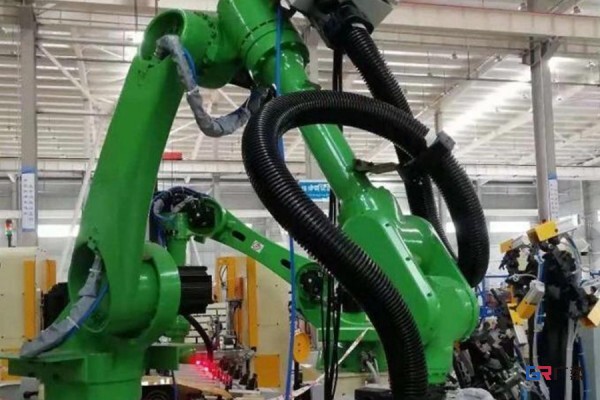
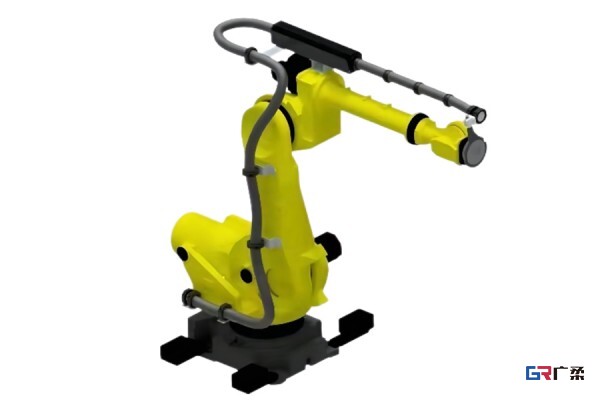
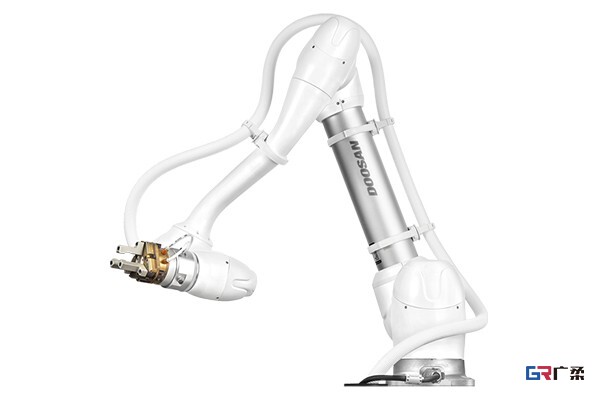
Effective cable management is main in automation applications where efficiency and reliability are paramount. Industrial robot dresspacks streamline the routing and protection of cables and hoses, significantly reducing clutter in workspaces. By enclosing cables within a protective carrier, dresspacks minimize the risk of damage from abrasion or entanglement, ensuring a longevity that enhances system uptime. Adjustable cable lengths allow for customization to meet specific operational needs, which is essential in dynamic environments where robots operate with multiple degrees of freedom. Moreover, the design allows for easy addition or removal of cables without the need to disassemble the entire system. This flexibility supports maintenance efforts and shortens downtime during repairs or upgrades. also, features such as integrated separators maintain organized cable pathways while reducing stress on individual cables by preventing them from bending at sharp angles. This not only improves overall performance but also safeguards against premature failure, making industrial robot dresspacks an indispensable solution for modern automation challenges.
Versatile applications of Industrial Dresspacks
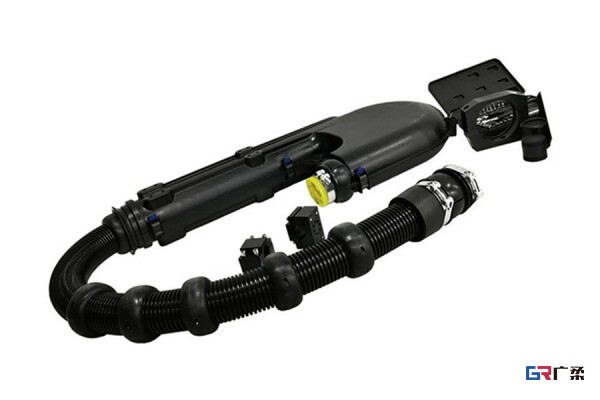
Industrial robot dresspacks are instrumental across various sectors, showcasing their adaptability and efficiency. In automation, they streamline operations by ensuring that cables and hoses are securely managed in robotic systems. In the automotive industry, these dresspacks facilitate smooth assembly line processes, where precision is main. Manufacturing environments benefit as well, with dresspacks allowing for quick adjustments and repairs, minimizing downtime. Beyond traditional manufacturing, sectors such as semiconductor technology leverage these systems to maintain clean and organized operations vital for productivity. Integration in healthcare settings also highlights their versatility; here, they contribute to robotic assistance systems that require reliable cable management. Whether in battery production or material handling, industrial dresspacks deliver consistent performance, proving essential in maintaining the operational integrity of automated systems across diverse applications.
Boosting automation with High-Performance Dresspacks
High-performance industrial robot dresspacks play a significant role in enhancing automation capabilities across various sectors. By providing seamless cable management and protection, these dresspacks reduce wear and tear on important components, extending the lifespan of cables and hoses. Their design facilitates a full range of motion, allowing robots to perform tasks efficiently without the risk of tangling or damaging connections. Featuring adjustable cable lengths and built-in torsion stops, they ensure cables remain organized while allowing for easy modifications when system requirements change. This flexibility is essential for manufacturers looking to adapt quickly to new production demands. Moreover, the robust construction of dresspacks not only protects against mechanical stress but also manages bend radius effectively, further boosting automation reliability. With reduced downtime for repairs and simplified maintenance processes, businesses can achieve higher productivity levels and optimize operational workflows.
Choosing the Right Robot Dresspack for Your Needs
Selecting the appropriate industrial robot dresspack involves considering several factors tailored to your specific automation applications. First, assess the type of cables and hoses that will be used, ensuring compatibility with the dresspack design. Adjustable cable lengths can be advantageous for accommodating different installation scenarios and layouts. Next, consider the required flexibility and range of motion. Multiaxis dresspacks, like igus® triflex®R series, provide superior guidance and protection for cables during operation, which is vital in dynamic environments. Durability is also critical; choosing a dresspack made from robust materials can reduce maintenance needs and extend service life. Analyze your workspace to select a configuration that offers adequate space for cable management while minimizing cable strain. Finally, take advantage of available resources such as expert consultations or product samples to ensure you make an informed decision that aligns with industry-specific requirements in automation settings.
Conclusion
industrial robot dresspacks are essential components in modern automation solutions, offering numerous advantages that can significantly improve operational workflows. Their capacity for efficient cable management minimizes wear on cables and hoses, leading to reduced maintenance costs and increased uptime. Each dresspack’s design not only simplifies installation but also accommodates adjustments to changing system configurations, which is important in fast-paced manufacturing environments. Industries benefit from reduced clutter through organized cable routing and enhanced protection from mechanical stress and harsh conditions. The versatility of these dresspacks enables them to address the unique needs across sectors such as automotive, manufacturing, and healthcare. As automation continues evolving, the role of industrial robot dresspacks in refining processes will likely expand, reaffirming their importance as a reliable solution for optimizing robotic systems in diverse operational contexts.
FAQs
What is an industrial robot dresspack?
An industrial robot dresspack is a specialized assembly designed to manage cables and hoses in robotic systems, promoting organized movement and protection during operation.
What are the important benefits of using dresspacks in automation?
Dresspacks improve operational efficiency, reduce cable wear, facilitate easy maintenance, and boost cable organization, which contributes to shorter downtime.
How do adjustable cable lengths benefit automation systems?
Adjustable cable lengths allow for customization based on specific configurations, making installations more flexible and accommodating for varying robotic applications.
In which industries are industrial robot dresspacks commonly used?
They are widely used in manufacturing, automotive, semiconductor technology, welding applications, packaging, and healthcare settings to optimize automation processes.
How do dresspacks boost cable management?
Dresspacks streamline cable routing by enclosing them in a protective carrier, minimizing risks of abrasion and entanglement while promoting longevity and reducing clutter.
What factors should be considered when choosing a robot dresspack?
Consider the types of cables needed, required flexibility for motion range, durability of materials used, space for management in your environment, and compatibility with existing systems.