main Takeaways
Industrial robot dresspacks are essential for optimizing cable management in dynamic environments. They effectively organize and protect cables, which reduces wear and minimizes the risk of mechanical failures. The main benefits include increased operational efficiency, reduced downtime, and extended cable lifespan. By incorporating features like torsion stops and bend radius protection, dresspacks alleviate stress on cables during movement, which is main in high-demand industrial settings. Furthermore, their modular design allows for quick adjustments and maintenance, making them adaptable to various applications across sectors like automation and healthcare. Selecting the right dresspack involves considering the specific requirements of your robotic systems, including cable types and environmental conditions. An informed choice leads to improved functionality and reliability in robotic operations. highlighting proper maintenance of these systems ensures they remain a cornerstone of efficient industrial workflow while encouraging a safer operational environment.
Efficient solutions for Cable Management
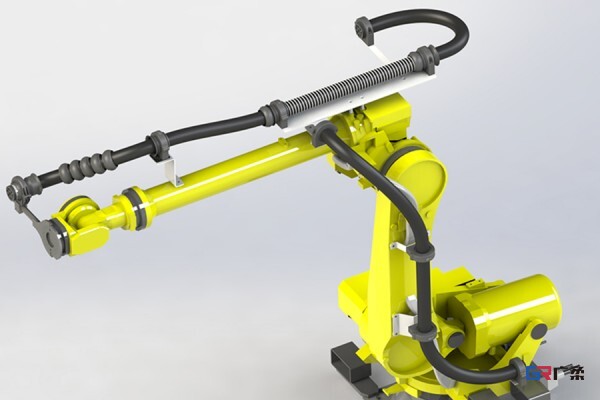
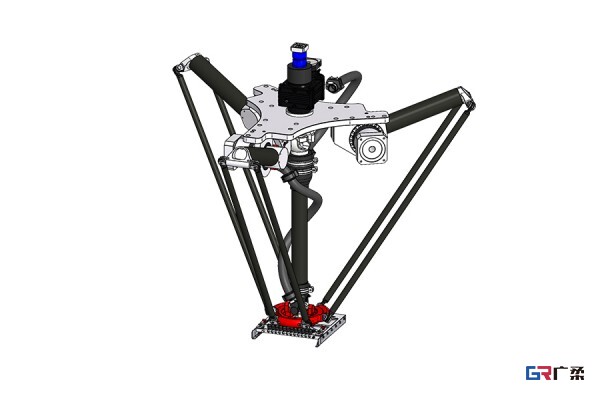
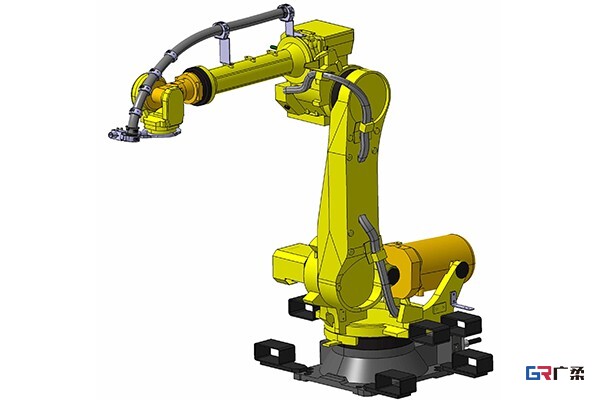
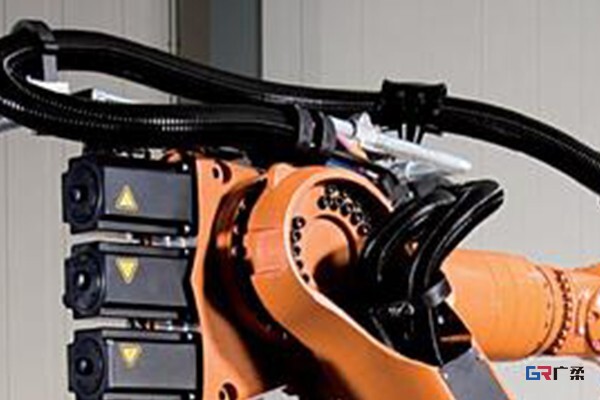
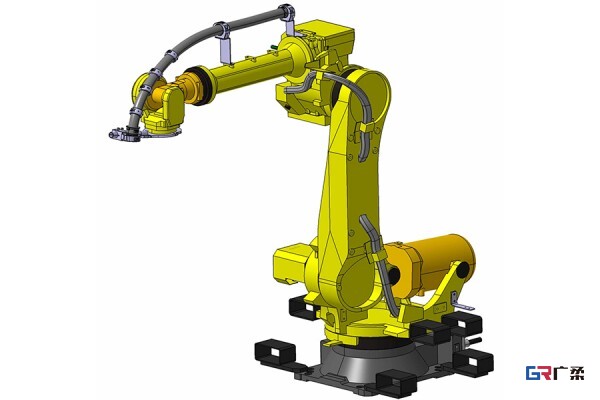
Effective cable management is essential in industrial robotics, where multiple cables must be organized to ensure smooth operation. Industrial robot dresspacks offer structured solutions that enable efficient routing, organization, and distribution of cables. They minimize tangenting and interference, which can lead to mechanical failures or downtime. An integrated approach allows for the separation of cables in distinct channels, reducing wear and potential entanglement while facilitating easy access during maintenance or replacement. The design of these dresspacks also supports modularity, allowing users to adjust cable lengths as needed for different applications without sacrificing performance. furthermore, modern dresspacks incorporate features like bend radius protection and torsion stops that help maintain cable integrity over time. This responsiveness to operational needs makes these systems indispensable in environments where precision and reliability are critical. By addressing both operational challenges and cable longevity, industrial robot dresspacks stand out as a main component in optimizing overall production efficiency.
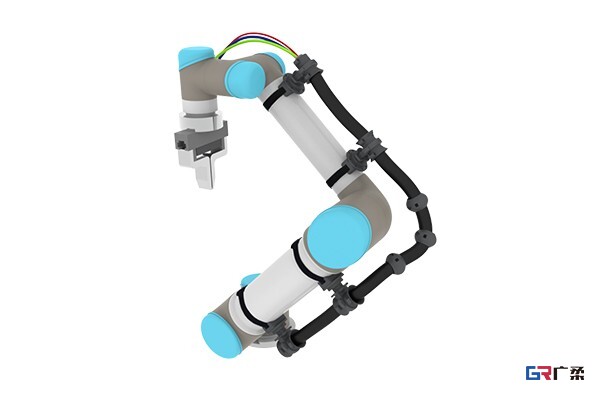
Benefits of Industrial Robot Dresspack Systems
Industrial robot dresspack systems offer numerous advantages that can significantly improve operational efficiency. One important benefit is their ease of use, allowing for quick installation and maintenance of cable arrangements. This user-friendly design minimizes downtime, enabling operators to focus on productivity. furthermore, the systems reduce cable stress, which extends the life cycle of cables significantly. This reduction in stress comes from features like integrated torsion stops and proper bend radius management, which safeguard cables from excessive wear and tear during dynamic movements.
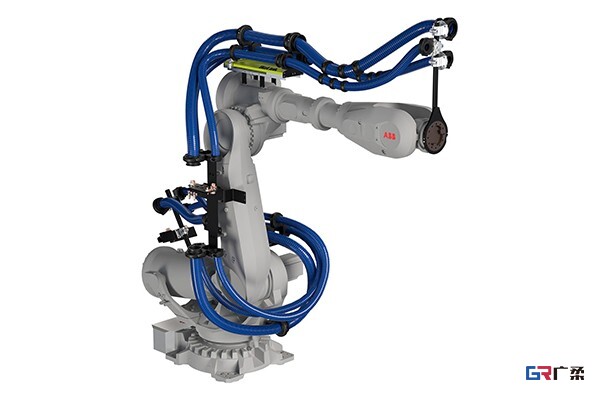
Furthermore, these dresspacks streamline cable management by organizing multiple cables into distinct cavities, preventing tangling and confusion during operation. This organized approach not only facilitates easier troubleshooting but also enhances safety in industrial environments by minimizing trip hazards. Dresspacks can be tailored for various applications, ensuring that each system meets specific operational demands. Overall, adopting industrial robot dresspack systems leads to a more efficient workflow while maintaining the integrity and reliability of important wiring systems across multiple sectors.
Optimizing cable management in Automation
In automation, efficient cable management is essential for maintaining system performance and reliability. Industrial robot dresspacks serve as a fundamental component in this regard, providing a structured approach to cable organization. By incorporating features such as adjustable cable lengths and effective cable separation within multiple cavities, these dresspacks minimize the risk of tangling and strain on cables during operation. The design of dresspacks enables rapid changes during maintenance, which is critical for minimizing downtime in automated processes. Furthermore, the use of integrated torsion stops helps to prolong cable lifespan by reducing stress points, ensuring that systems remain operational over extended periods. By selecting the appropriate dresspack for specific automation applications, industries can improve not only efficiency but also overall safety within their working environments.
Reducing cable stress in Industrial Settings
In industrial environments, cable stress presents a significant challenge, potentially leading to damage and increased maintenance costs. Effective industrial robot dresspack solutions address this issue by minimizing cable movement and wear during operation. important features such as integrated torsion stops and bend radius protection work together to alleviate stress, ensuring that cables remain within their safe operating limits. Moreover, the separation of cables into multiple cavities not only organizes the layout but also mitigates tangling and cross-talk, which can further contribute to electrical issues. By reducing cable stress, these systems extend the lifespan of robotic applications and improve overall operational reliability. Implementing robust dresspack designs effectively reduces downtime due to cable failures, making them a vital component in maintaining efficiency in fast-paced industrial settings.
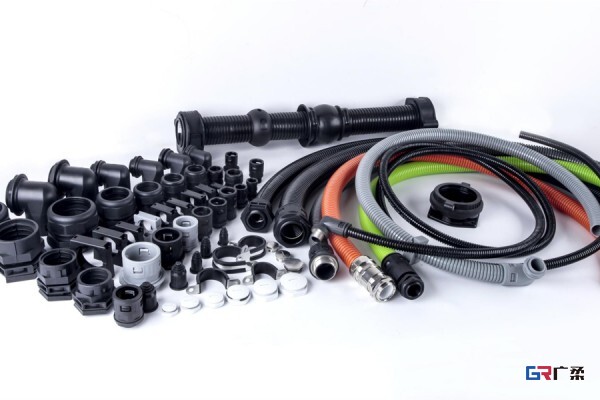
Applications of Dresspacks in Healthcare
Dresspacks play a vital role in optimizing operational efficiency within the healthcare sector. They aid in managing the complex network of cables and hoses used in various medical devices and robotic systems, ensuring that these critical tools function smoothly without interference. For instance, robotic surgical systems rely on well-organized cable management to facilitate precision movements and maintain sterile conditions. Dresspacks enable the easy routing of cables while providing flexibility and protection against wear, which is essential in high-motion environments typical in surgical settings.
Furthermore, medical imaging equipment benefits from dresspacks that minimize cable stress. By reducing strain on cables connected to MRI machines or CT scanners, these solutions improve device longevity and reduce the risk of failure during main diagnostic procedures. As healthcare increasingly adopts automation, the compatibility of dresspacks with various robotic systems supports diverse applications, from patient handling to telemedicine setups. The seamless integration of dresspacks not only streamlines operations but also contributes to safer, more reliable healthcare delivery.
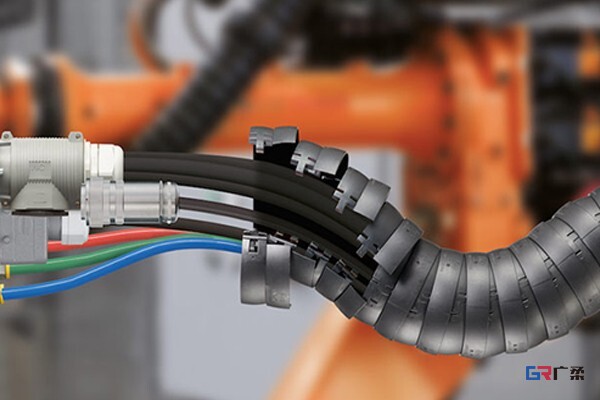
Enhancing robotics with Efficient Dresspack Designs
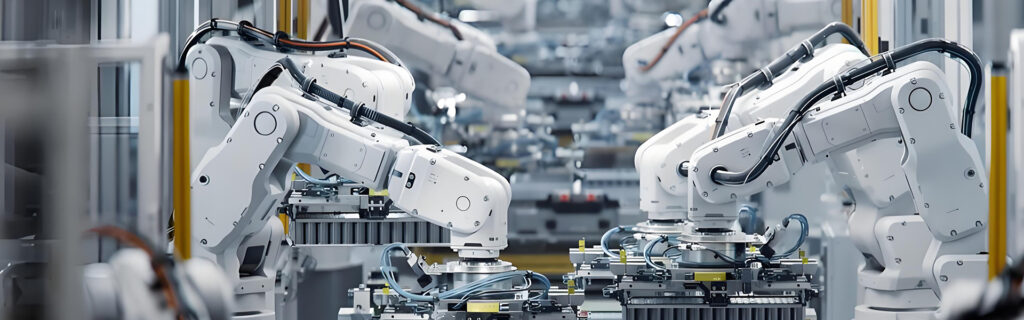
Efficient dresspack designs play a important role in optimizing robotic functionality, particularly in environments where precision and reliability are paramount. These dresspacks are engineered to ensure organized cable routing, minimizing clutter and reducing potential interference with moving parts. The streamlined construction allows for faster and easier installation, which is vital for maintaining production schedules in manufacturing settings. Advanced materials contribute to the robustness of dresspacks, enabling them to withstand the rigors of industrial applications while providing protection against mechanical stress. also, the modular nature of these systems allows for quick adjustments and maintenance, further improving operational efficiency. By integrating features such as torsion stops and bend radius protection, modern dresspacks not only simplify cable management but also boost the longevity of cables in dynamic applications. These designs are essential for promoting uninterrupted performance in robotics across diverse sectors, from assembly lines to automated warehouses.
important Features of Industrial Robot Dresspacks
Industrial robot dresspacks are designed with several important features that facilitate efficient cable management and improve system performance. One notable feature is the modular construction, which allows for easy assembly and disassembly, ensuring quick adjustments and repairs. This modularity promotes flexibility in cable configuration, accommodating various types of cables and hoses as needed. furthermore, many dresspacks incorporate integrated torsion stops to minimize cable stress during operation, thereby extending cable lifespan and reducing maintenance costs.
Bend radius protection is another essential aspect that helps prevent damage to cables during dynamic movements. These dresspacks often feature multiple separation cavities that organize different cables and hoses, reducing clutter and ensuring that each component operates smoothly without interference. Furthermore, the use of robust external structures in designs like the triflex® R provides high strength while maintaining lightweight properties, contributing to the overall effectiveness of robotic systems across diverse applications. Overall, these attributes significantly improve operational efficiency in industrial settings by facilitating optimal cable management solutions.
Selecting the Right Dresspack for Your Needs
Choosing the appropriate industrial robot dresspack involves several critical considerations tailored to specific applications. First, assess the compatible cable types required for your robot’s tasks, as dresspacks support various cables, including power, control, and pneumatic lines. Consider the environmental conditions where the robot will operate; dresspacks should offer features like dust and moisture resistance for demanding settings. Evaluate motion requirements such as bend radius and extension capabilities to ensure optimal cable management without excess wear. furthermore, think about ease of installation and maintenance; quick-connect designs facilitate rapid changes and reduce downtime. The load capacity is another vital factor; it must align with the mechanical demands of your robotics system. Finally, review manufacturer specifications for compatibility with existing systems and any potential customization options that boost performance in your unique environment.
Conclusion
the implementation of industrial robot dresspack solutions significantly enhances cable management across various sectors, highlighting efficiency and reliability. By promoting organized routing and reducing cable stress, these systems minimize potential failures and maintenance costs, thus supporting uninterrupted production processes. Moreover, the adaptability of dresspacks enables them to be tailored to specific operational environments and requirements, whether in automation or healthcare applications. As industries continue to evolve with advanced robotics, the role of efficient dresspacks will become increasingly main in maintaining optimal performance standards. The informed selection of these systems, based on unique operational needs and environmental conditions, is vital for maximizing both robotic functionality and longevity. Investing in the right industrial robot dresspack is not just a matter of convenience; it is a strategic decision that can yield long term benefits for overall operational efficiency.
FAQs
What is an industrial robot dresspack?
An industrial robot dresspack is a structured assembly designed to manage and organize cables and hoses within robotic systems, ensuring efficient routing and minimizing wear.
How do industrial robot dresspacks improve cable longevity?
They improve cable longevity by reducing stress with features like torsion stops and bend radius protection, which mitigate wear from dynamic movements.
Can dresspacks be customized for specific applications?
Yes, many dresspacks offer customization options to meet the unique requirements of different robotic applications, ensuring optimal performance.
What are the common materials used in dresspack construction?
Common materials include durable plastics and lightweight metals, which provide strength while ensuring resilience against mechanical stress in industrial environments.
How do I select the right dresspack for my system?
Consider factors such as cable types, environmental conditions, motion requirements, and load capacity. Selecting based on these criteria will help ensure compatibility with your robotic systems.