
Understanding the Importance of Choosing the Right Robot Dresspack
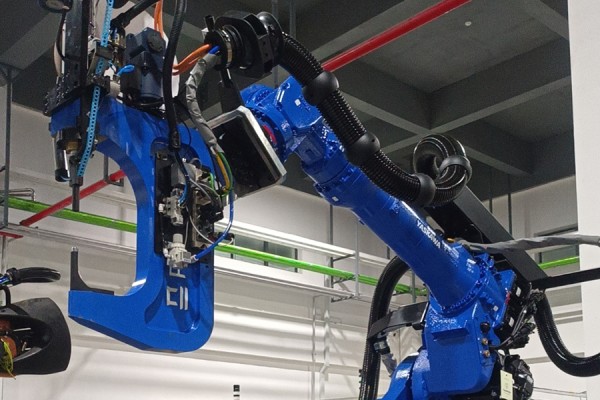
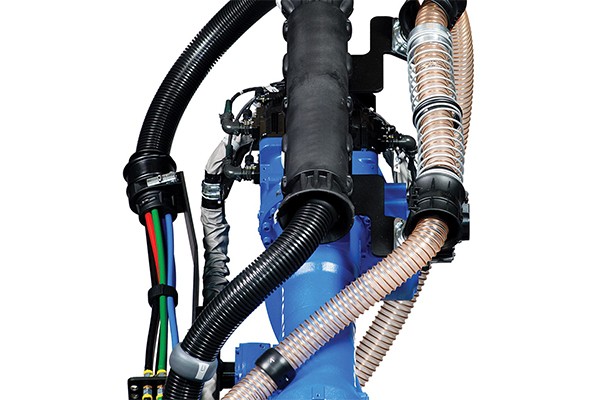
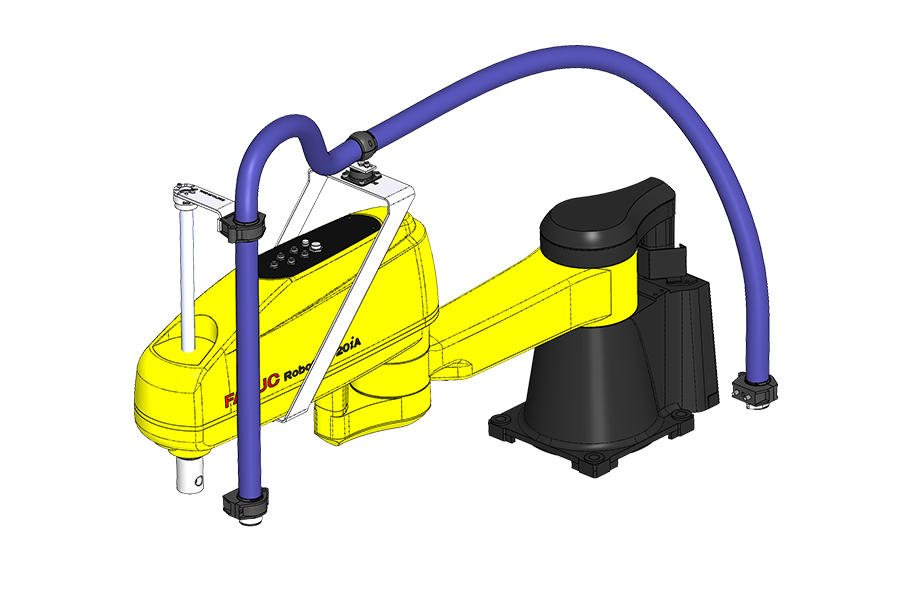
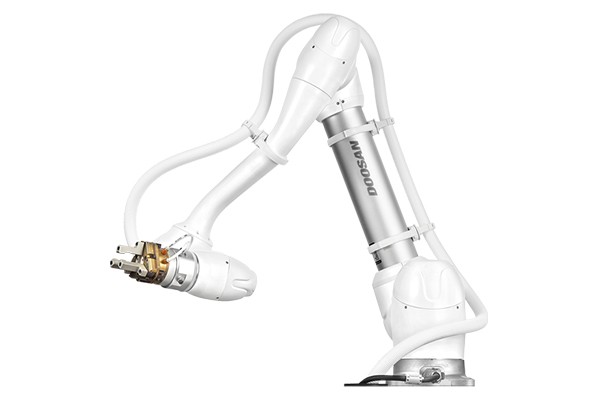
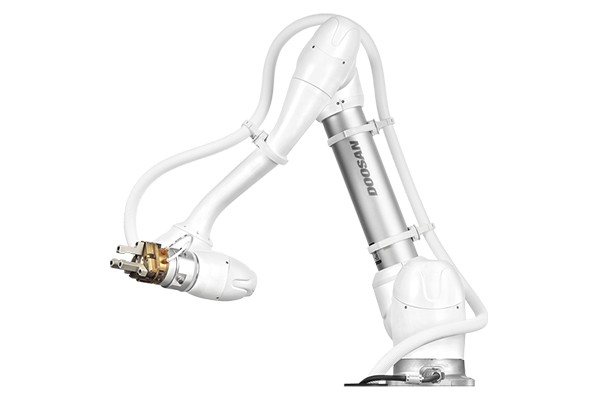
When we embark on the journey of selecting a robot dresspack, we must recognize its critical role in enhancing our robotic systems’ performance and versatility. A well-chosen dresspack can significantly impact our operational efficiency, ensuring that our robots work seamlessly and effectively in their designated tasks. As we evaluate various options, it becomes essential to understand how a high-performance dresspack contributes to our robots’ overall functionality. This understanding enables us to align our specific application requirements with the right product features, such as cable management and protection against environmental factors. By grasping the significance of this decision early on, we can avoid potential pitfalls that may arise from selecting an inadequate or incompatible dresspack for our operations. Therefore, being thorough in this initial phase ultimately sets the foundation for successful robotic applications in various industries.
Key Factors to Consider for Quality Assurance
Material Durability and Performance Standards
When selecting a high-performance robot dresspack, we must prioritize material durability and performance standards. The components used in the dresspack not only influence its longevity but also affect the overall efficiency of our robotic systems. We should look for dresspacks made from high-quality materials, such as abrasion-resistant synthetic fibers that can withstand harsh operational environments. Additionally, performance standards are essential; we need to ensure that the dresspacks meet industry benchmarks for flexibility, temperature resistance, and mechanical stress tolerance. By examining the specifications provided by manufacturers, we can gauge whether a product aligns with our operational demands. Testing certifications from recognized third-party organizations can further assure us of a dresspack’s performance capabilities. Ultimately, understanding these material and performance attributes helps us to make choices that optimize the functionality and lifespan of our robotic systems.
Evaluating Compatibility with Our Robot Systems
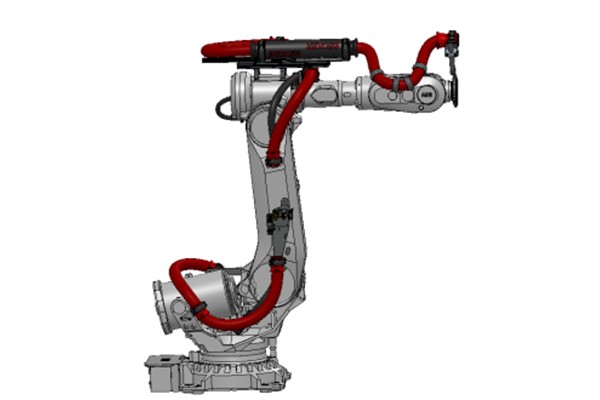
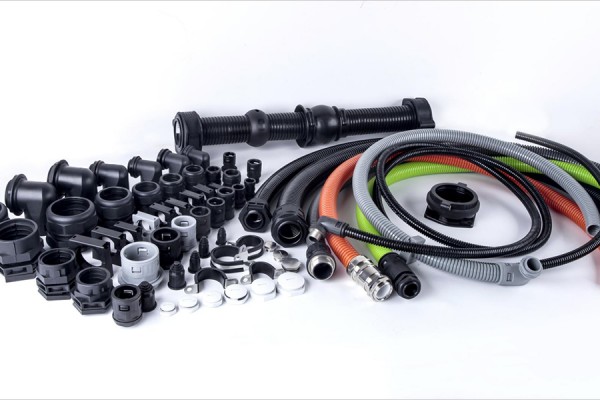
When selecting a robot dresspack, we must consider how well it aligns with our existing robot systems. Compatibility is crucial, as it can significantly impact performance and operational efficiency. First, we evaluate the specifications of our robotic arms or other related equipment to ensure that the robot dresspack supports their weight, movement range, and power requirements. This includes assessing connector types and sizes to ensure seamless integration.
Moreover, we should prioritize dresspacks that allow for easy adjustments or modifications tailored to our unique configurations. By focusing on compatibility, we can enhance the reliability of our robotic systems and minimize disruptions during operation. It is essential that the robot dresspack not only fits technically but also meets our operational needs, fostering an environment where both the hardware and software can work in harmony. This attention to detail in compatibility assessment ultimately empowers us to make well-informed choices for enduring productivity and innovation within our operations.
Testing and Quality Verification Processes
When it comes to selecting a robot dresspack, rigorous testing and quality verification processes are essential to ensure that we make the right choice for our specific applications. We must focus on the testing methodologies used by manufacturers, as they can give us insights into the product’s reliability and performance. For instance, evaluating whether the robot dresspack has undergone stringent stress tests can help us understand its durability under various operational conditions. Additionally, we should inquire about certifications and compliance with industry standards, which further supports quality assurance.
Furthermore, it is crucial that we look for feedback from existing users or independent reviews regarding their experiences with a particular robot dresspack. This kind of firsthand information is invaluable as it provides practical insights into how well the product performs in real-world conditions. Moreover, many manufacturers offer warranty and service agreements that can impact our decision; understanding these terms can protect our investment and enhance operational reliability. By thoroughly vetting these aspects, we position ourselves to select a robot dresspack that not only meets performance expectations but also integrates seamlessly with our robotic systems.
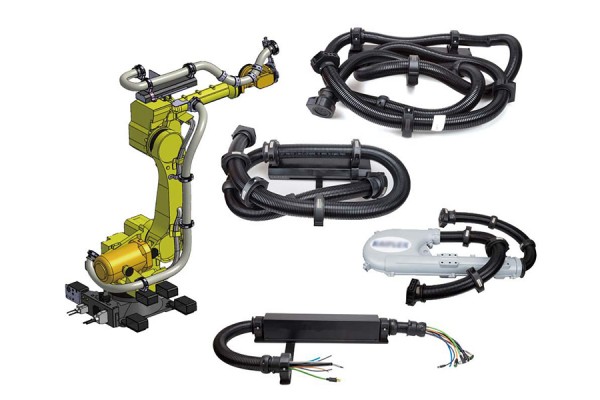
Seeking Professional Guidance and Recommendations
When it comes to selecting the right robot pipeline package, we understand the importance of leveraging expert opinions and recommendations. Engaging with industry professionals, consultants, or colleagues who have experience with high-performance robot dresspacks can provide us with invaluable insights. We encourage reaching out to trusted sources such as robotic equipment suppliers or designated forums where users share their experiences. This step can help us uncover critical information regarding the long-term performance and durability of various dresspacks, as well as compatibility issues that we might not have previously considered. Additionally, participating in workshops or seminars can further enhance our understanding of current trends and technological advancements within the robotics field. By gathering this collective expertise, we can make more informed choices that align with our operational requirements and ensure we select a robot pipeline package that delivers optimal performance for our specific applications.