Key Takeaways
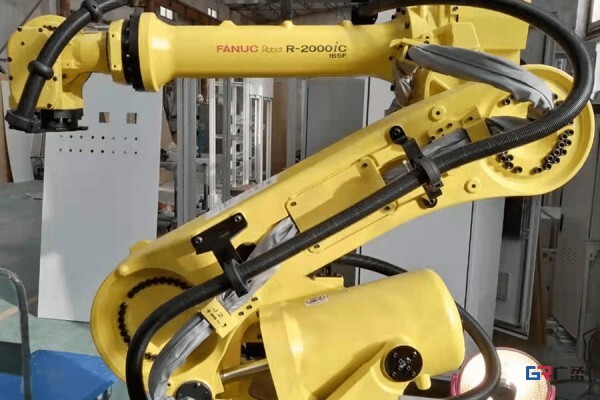
Robot Specific Hoses keep cables and fluid lines out of trouble, and that matters more than people admit. They stop abrasion, grime, heat, and random snags from chewing through a robotic setup. Good routing cuts the chance of a cable loop catching during a fast arm movement. A well-built hose also lasts longer, which means fewer surprise stops and less time spent crawling around a machine with a flashlight. Pick the wrong one and the system starts acting tired much sooner than it should. As automation spreads, knowing what these hoses do saves a lot of annoying maintenance later.
Robot hoses for Safety
Robot hoses matter in safety because they wrap exposed lines before trouble starts. They shield electrical cables and fluid paths from abrasion, heat, and chemical splash. If a line cracks or leaks, the whole cell becomes a mess fast. Materials built for heat and chemicals hold up better than the bargain-bin stuff, and the difference shows after a few long shifts. They also keep wires from hanging loose where an arm can snag them. That simple bit of order lowers accident risk and keeps operators from dealing with avoidable failures.
Optimizing cable management
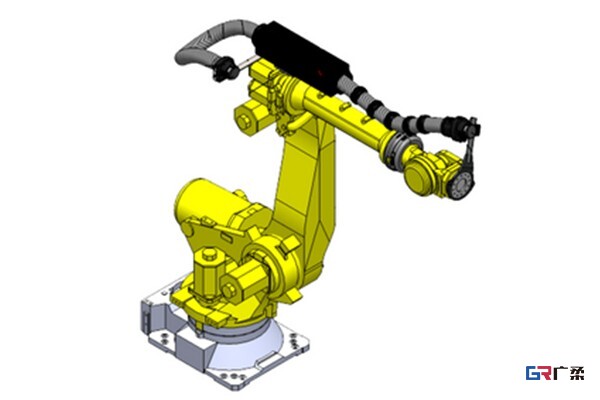
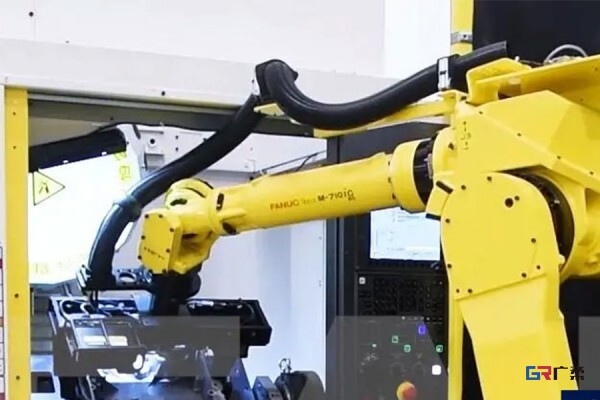
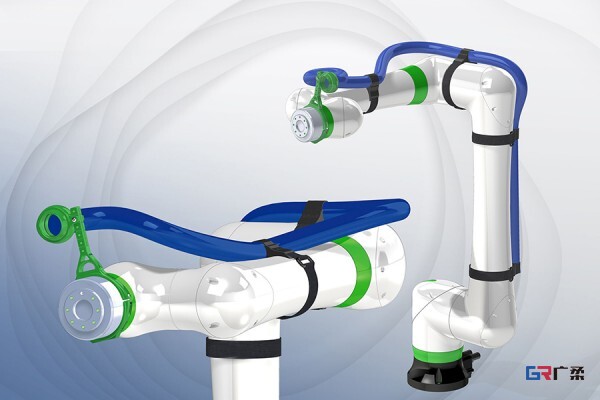
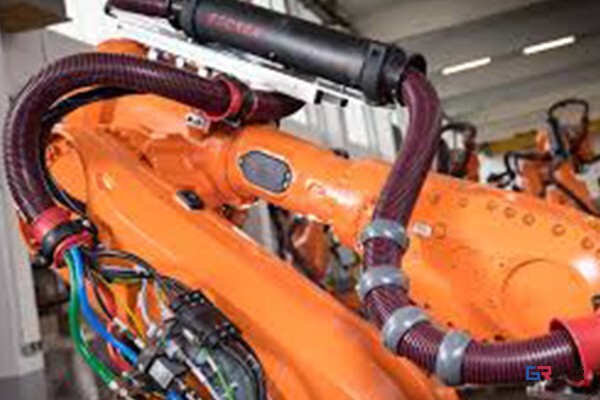
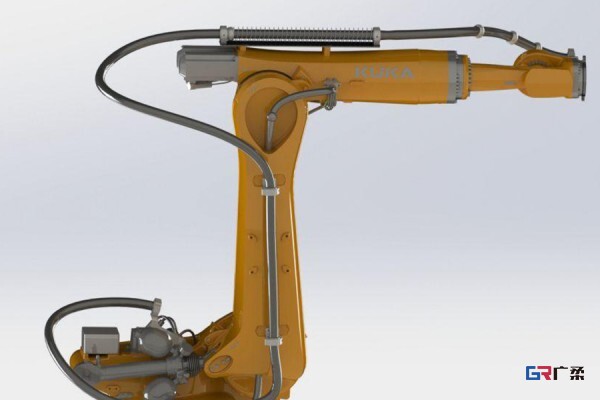
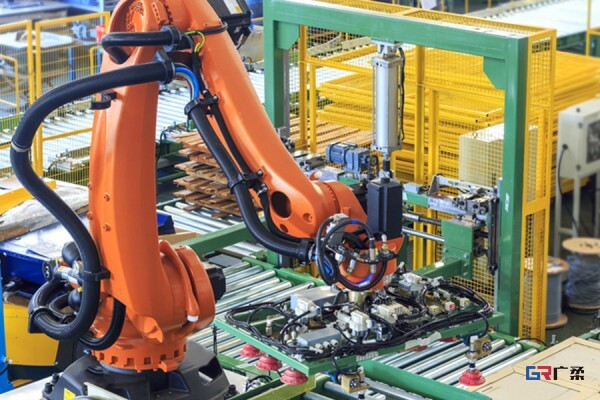
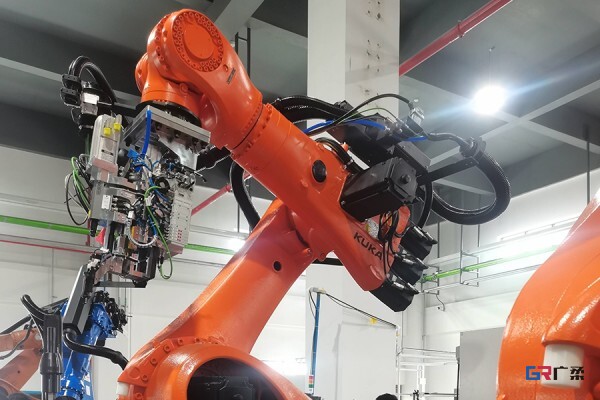
Clean cable routing is one of those boring things that pays for itself. In robotic systems, hoses and cables need a clear path so they do not twist, rub, or get pulled out of place. Good layout leaves enough room for motion and keeps the machine from fighting itself. It also makes troubleshooting less awful; you can see where a problem starts instead of tearing apart half the cell. Brackets, clips, and proper guides keep everything where it belongs, even when the robot is moving hard all day. That means less downtime and fewer emergency repairs that steal an entire shift.
Improving robotic efficiency
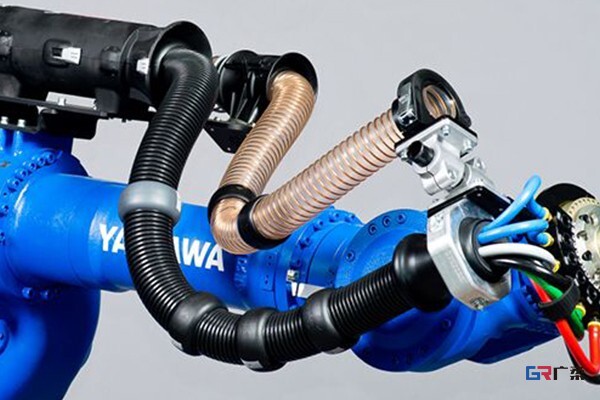
When cables and fluid lines stay organized, the robot runs smoother. Power and data keep moving without interruption, and the arm does not waste energy dragging a sloppy bundle around. Flexible hose designs let machines slip through tight spaces and make quick moves without wearing out nearby parts. Better materials also buy more service life, which cuts maintenance spending and keeps the line moving. Automotive plants, warehouses, and electronics lines all feel this in plain numbers: fewer stoppages, steadier output, fewer late-night fixes.
Reducing wear in Hoses
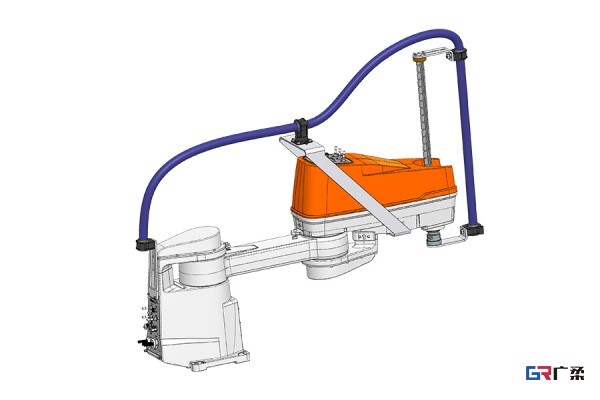
Wear is usually what kills a hose first, so the design has to fight that from the start. Strong materials handle repeated bending without turning brittle or splitting at the folds. Extra support layers and outer skins protect against scuffs, dirt, and the kind of abuse that happens near moving joints. Good routing matters too, because a hose that rubs all day will fail sooner, no matter how good the material is. Keep the line stable during fast motion and you cut the number of failures that shut a system down.
"A hose that survives repeated bending saves more money than one that looks sturdy on day one."
High-Speed Robot Movement
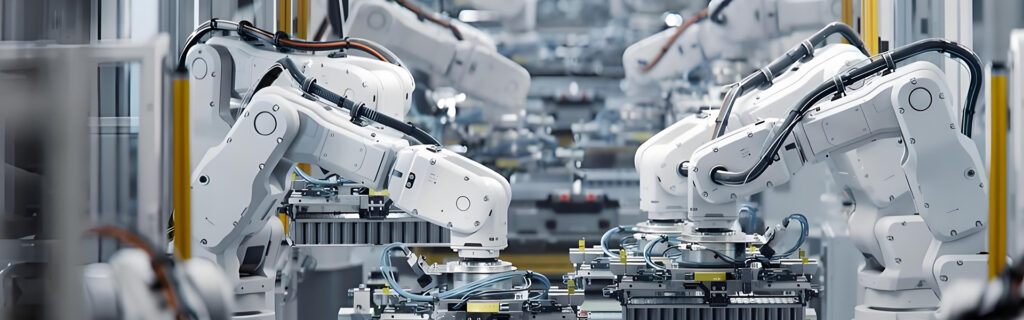
Fast robot motion exposes sloppy hose design very quickly. The bundle has to flex without kinking, snagging, or building up stress in one spot. If it does, the robot starts wasting motion on its own plumbing, which is as annoying as it sounds. Material choice matters here: lighter parts move easier, and tougher jackets take the punishment better. Dust, moisture, and heat still show up, so the hose has to handle the environment too. In factories and warehouses, that mix of speed and rough conditions is where a good hose earns its keep.
Advanced hose solutions
New hose designs do a better job of coping with motion and rough environments. They bend without falling apart, and the outer surface resists scuffs that would wreck cheaper lines. Manufacturers can shape them for a specific robot, which matters when space is tight or the movement pattern is odd. Reinforced sections and better seals help them handle pressure without leaking or swelling. For plants that run nonstop, that kind of equipment is less glamorous than a new robot arm, but far more useful when production has to keep moving.
Hoses that matter in Industry
Robot hoses show up in a lot of places because robots rarely work in clean, easy conditions. Car plants rely on them for power and data lines. Rail systems need hose setups that stay stable during fast movement. Chemical facilities want materials that can take aggressive surroundings without giving up. Shipyards need protection for cables that get dragged, flexed, and battered for long shifts. In each case, the goal is the same: keep the system working without constant repairs. Companies that choose better hose hardware usually see fewer stoppages and less damage chasing.
Streamlining automated systems
Robot hoses help automated systems run without the usual tangle of cables, tubes, and bad surprises. They keep connections organized, so parts are less likely to snag or get crushed during motion. A solid layout also makes the machine easier to inspect when something goes wrong. Tough materials stand up to repetitive movement and help the whole setup last longer. That matters in manufacturing and logistics, where machines are expected to keep working through long shifts and changing conditions. A cleaner layout means less maintenance downtime and fewer interruptions that slow the line.
Conclusion
Choosing the right hose setup matters for both safety and uptime. It keeps cables ordered, cuts wear, and gives the robot a better chance of staying reliable when the workload gets rough. Plants that use well-made hose systems spend less time on repairs and more time getting output out the door. As automation spreads, hose selection stops being a side note and turns into one of those decisions that quietly shapes the whole cell. Knowing the load, the motion, and the environment makes the purchase easier and the machine less needy.
FAQs
What are Robot Specific Hoses?
These are hoses built for robots. They carry power and data, keep lines protected, and hold up to repeated movement without falling apart.
How do these hoses improve safety in automated systems?
They keep electrical cables and fluid lines covered, which lowers the chance of leaks, shorts, and other failures that can turn into accidents.
What materials are they made from?
Most are made from abrasion-resistant polymers, heat-tolerant jackets, and chemical-resistant layers chosen for the job.
Can they support high-speed robotic movements?
Yes. Their flexible build lets them move with the arm instead of fighting it, so cables are less likely to kink or rub.
How do I select the right hose for my robotic application?
Start with the robot’s motion range, the surrounding heat or chemical exposure, and how much bending the hose will take. A line that works in one cell may be wrong in another.
What industries benefit from these hoses?
Automotive, logistics, chemical processing, and electronics all use them because their equipment runs hard and hates downtime.
How does cable management impact robotic efficiency?
Good cable management cuts snags, keeps the motion smooth, and saves time when repairs are needed.
What should I look for in a hose’s performance features?
Look for durability, flexibility under repeated motion, and strong resistance to scuffing. If it cannot handle those three, it will give you problems.