Understanding Robot Accessory Pipeline Packages
Overview of the Robot Dresspack System
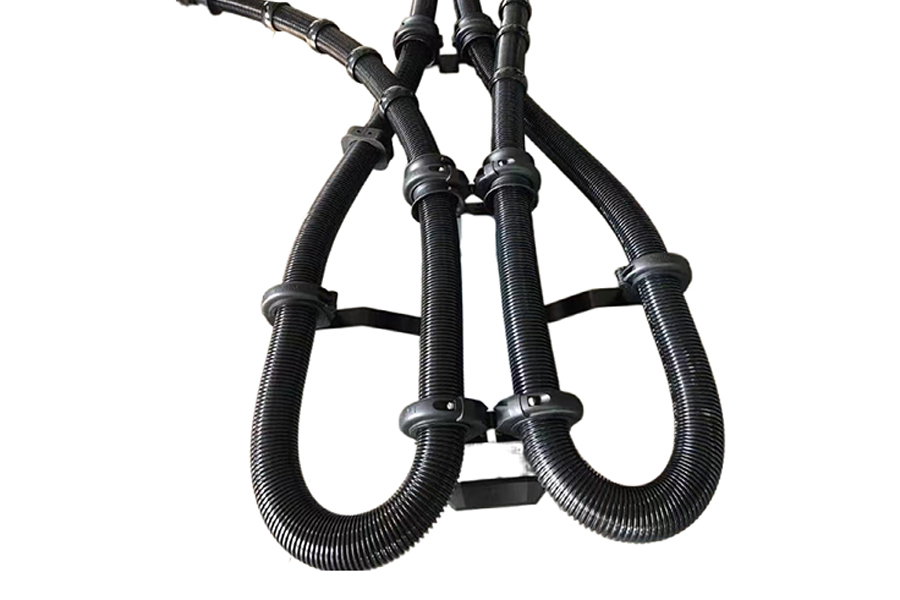
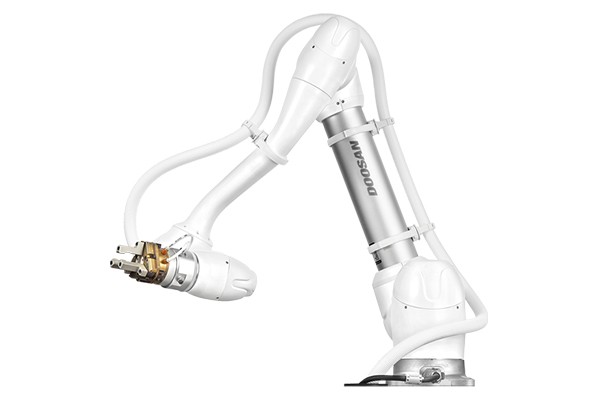
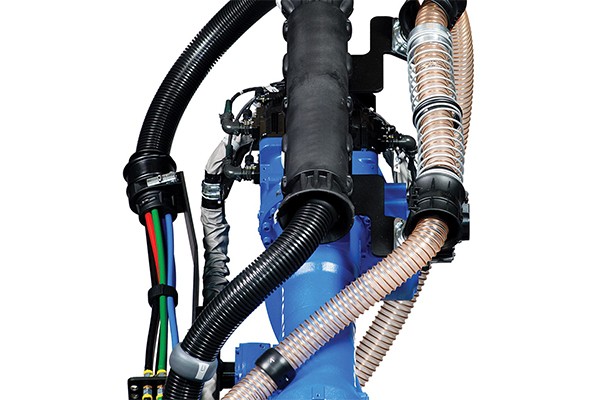
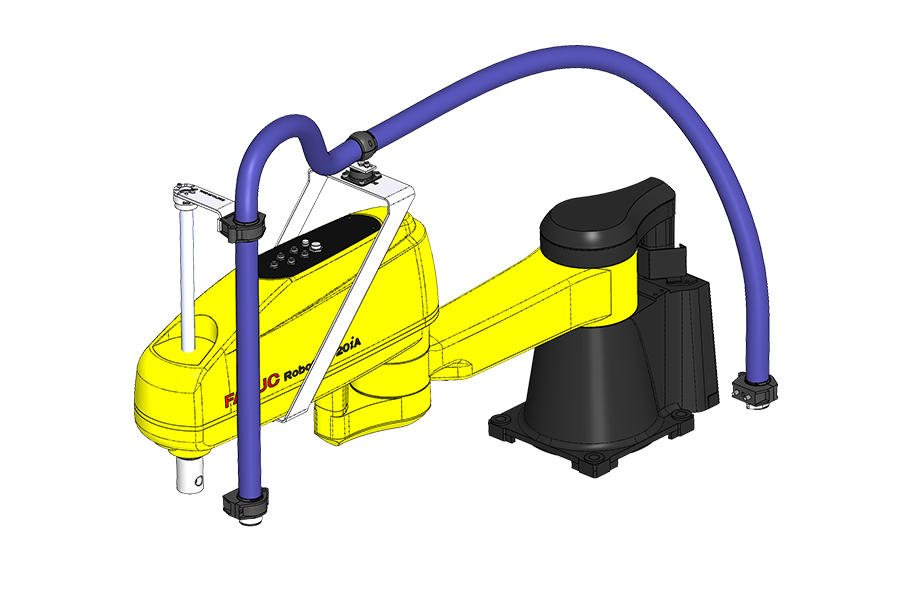
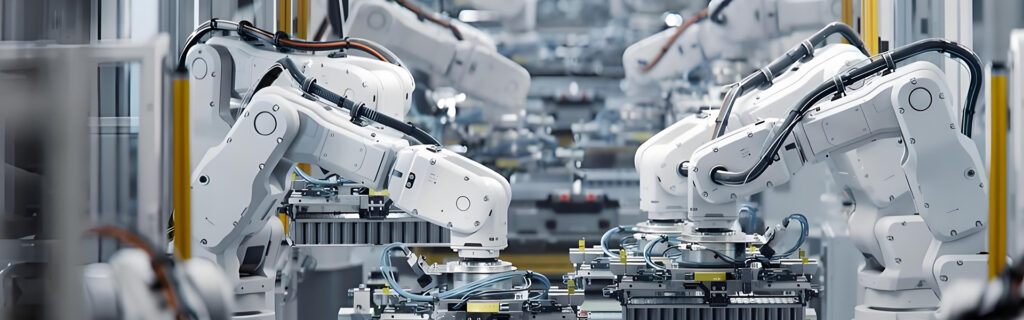
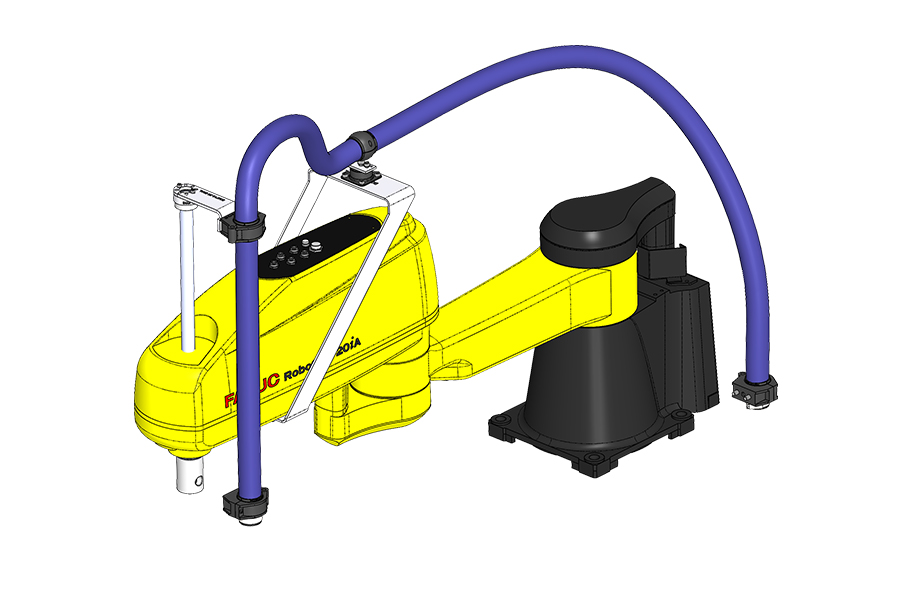
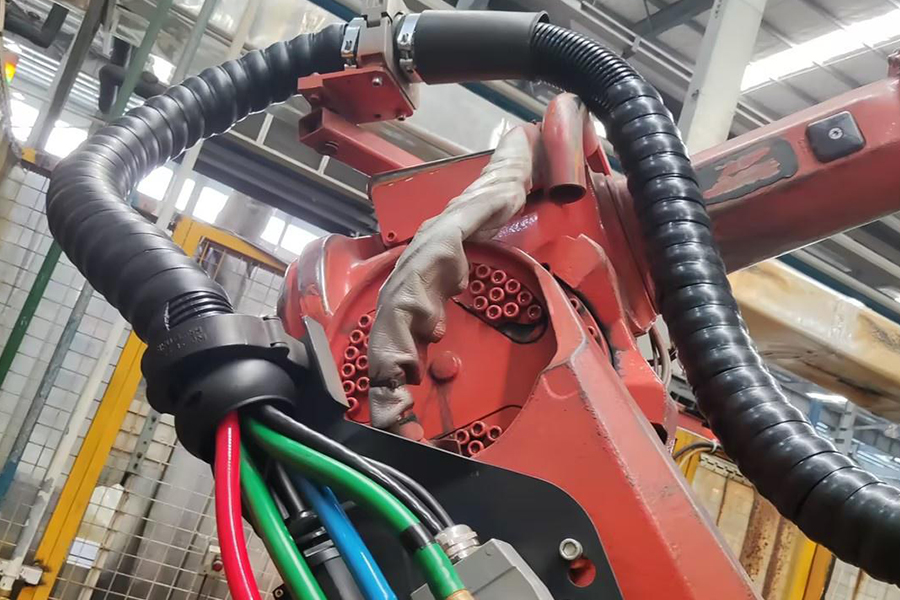
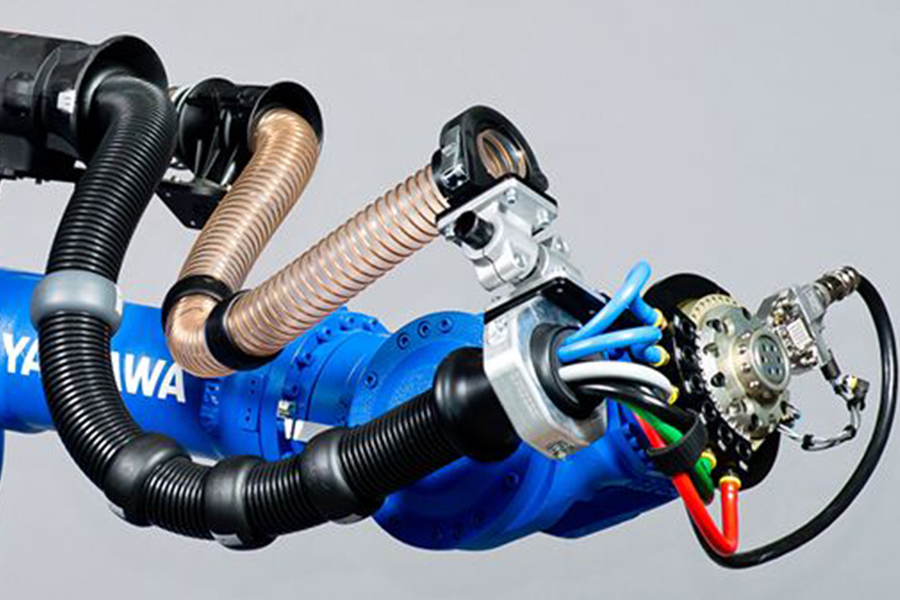
In our exploration of robot accessory pipeline packages, we find that the robot dresspack system plays a pivotal role in facilitating seamless connectivity and functionality. This system, often seen as the lifeline of robotic operations, integrates various components including electrical wires, hoses for air or fluids, and data lines into a single cohesive unit. By adopting this streamlined approach, we not only enhance the mobility of robotic arms but also reduce wear and tear caused by excessive friction and movement. The design of the dresspack system allows for a significant reduction in the risk of tangling or damage during operation, enabling our robots to operate at peak efficiency. Moreover, it acts as a protective shield for delicate wires and hoses, thereby ensuring longevity and reliability in industrial environments. As we navigate further into its functionalities, we recognize that effective cable management is essential for maintaining overall productivity; hence, investing in a well-engineered robot dresspack system is indispensable for any facility aiming to optimize their automation processes.
The Role of the Robot Dresspack System in Automation
Enhancing Efficiency in Industrial Processes
In our pursuit of enhanced automation in industrial environments, the robot dresspack system emerges as a crucial component that significantly contributes to operational efficiency. By integrating various utilities such as power, data, and pneumatic connections into a single streamlined package, the dresspack system minimizes the complexity involved in managing multiple hoses and cables. This consolidation not only reduces the setup time required for robotic systems but also improves their mobility and flexibility on the production floor. As we implement these systems, we observe a marked decrease in wear and tear on cables and hoses, which can lead to fewer interruptions due to maintenance needs. Furthermore, the thoughtfully designed pathways within these dresspacks facilitate unhindered robot movement, enabling smoother operation even in high-speed environments. This increased freedom of movement allows for quicker cycle times and subsequently boosts overall productivity. Our experience has shown that when robot systems are equipped with optimized dresspack solutions, they are better positioned to adapt swiftly to changing tasks while maintaining consistent performance levels across varied applications.
Key Considerations in Robot Dresspack System Design
When designing a robot dresspack system, we must consider several critical factors to ensure optimal performance and integration within industrial applications. First and foremost, the compatibility of the dresspack with existing robot models is essential. This compatibility ensures that the accessory package can deliver the necessary utilities, such as power, air, and signals, without compromising the robot’s functionality. Moreover, we must focus on the flexibility of the design. A well-engineered dresspack should accommodate various movements and orientations while minimizing strain on cables and hoses. The choice of materials is another significant factor; lightweight yet durable materials can enhance mobility while providing resilience against wear and environmental factors.
In addition to durability and flexibility, we should also think about ease-of-access for maintenance purposes. Access points within the design should allow for straightforward inspections and repairs without extensive disassembly of the robot units. Furthermore, we cannot overlook safety considerations; incorporating features that prevent tangling or snagging during operations is essential for protecting both the machinery and personnel involved.
Lastly, integrating advanced technologies such as sensor technologies into our designs can greatly improve monitoring capabilities throughout operational tasks. These key considerations altogether contribute to a comprehensive design strategy that ensures our robot dresspack systems enhance automation efficiency across various industrial settings.
Exploring Different Types of Robot Dresspack Systems
When it comes to understanding the various types of robot dresspack systems, we recognize that each type plays a crucial role in different industrial applications. Primarily, these systems can be categorized into rigid, flexible, and hybrid configurations. Rigid dresspack systems are commonly employed in environments where stability and predictable motion are paramount. They offer a robust solution that can handle significant operational demands while providing efficient routing of cables and hoses.
On the other hand, flexible dresspacks are designed for dynamic environments where robots require operability across various angular positions without hindrance. These systems allow for greater movement freedom while mitigating stress on the connectors and cables. This flexibility is essential in applications such as multi-axis robotic arms that need extensive range and adaptability.
Hybrid dresspack systems combine the advantages of both rigid and flexible designs, enabling optimal performance in diverse settings. They are capable of maintaining structure when necessary while still allowing for movement flexibility in designated areas. This versatility makes hybrid systems particularly appealing for manufacturers looking to strike a balance between stability and fluid motion.
As we delve deeper into the types of robot dresspack systems available today, it becomes evident that selecting the right system is contingent on several factors such as application requirements, operational environment, and desired mobility levels. Understanding these distinctions not only aids us in making informed decisions but also enhances our overall automation strategy and operational success within industrial settings.