Key takeaways
Managing cable and hose assemblies well is a big part of keeping automation running smoothly. Choosing tougher materials can stretch service life and cut down on replacement cycles. Routine checks catch cracked sheathing, loose fittings, and rubbing before they turn into shutdowns. Setups built around the machine’s motion, environment, and load tend to work better in practice, because real equipment rarely behaves like the brochure says it will. Cleaner routing also keeps parts from scraping against each other while the robot moves. Working with experienced suppliers helps when you need a design that fits an existing line without turning the whole cell into a weekend project.
Effective robot pipe package solutions
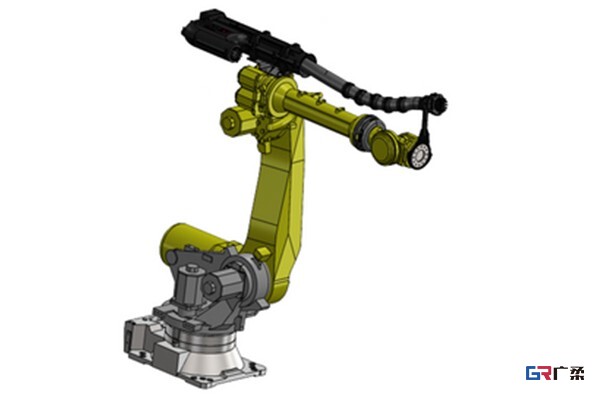
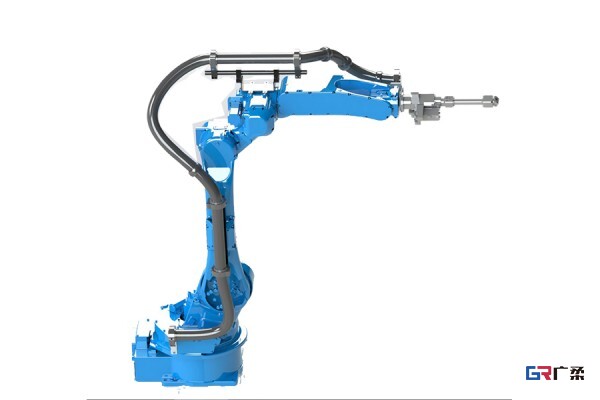
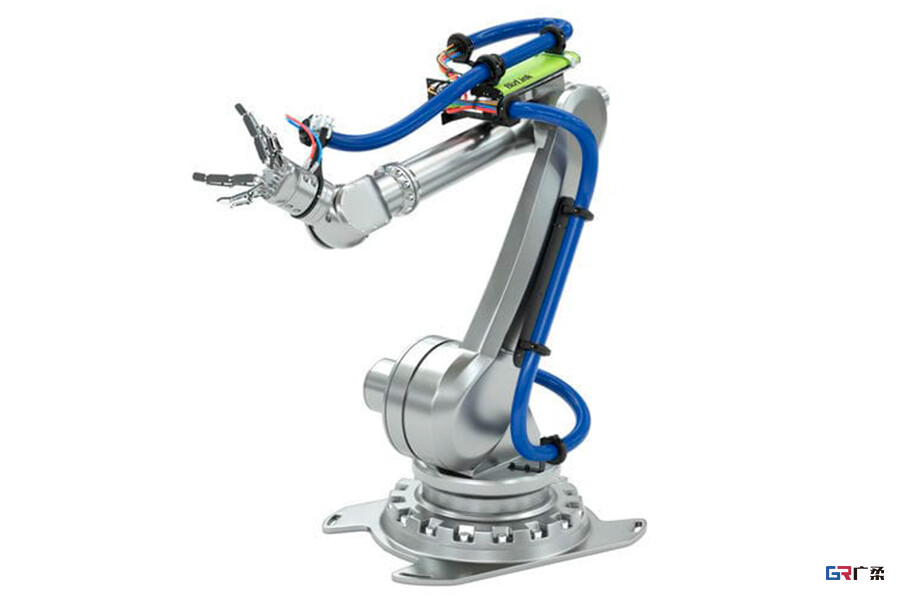
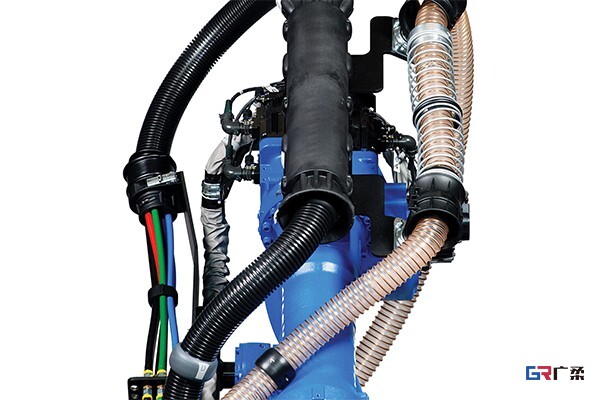
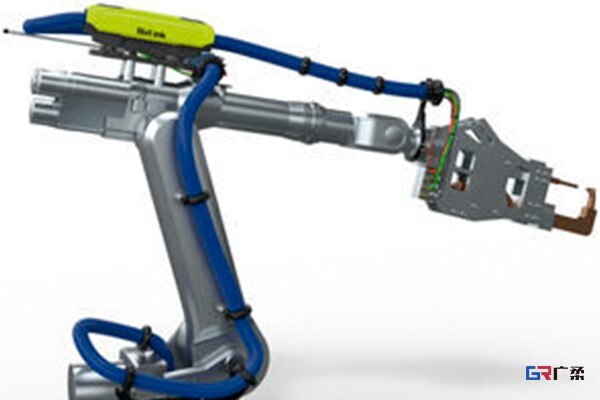
Managing these assemblies starts with understanding what they do in industrial automation. A well-planned setup keeps cables and hoses in order and shields them from damage, which matters more than people tend to admit. Material choice makes a big difference. Wear-resistant options cut maintenance and help the system last longer. Different robots need different layouts, though; motion limits, heat, dust, and load all push the design in different directions. Flexible layouts with strain relief reduce the odds of a snapped cable or a hose that starts rubbing through after a few months. Better cable routing also makes installation less annoying and keeps performance steady. Working with specialists helps when a plant needs a design that fits safety rules and a very specific machine.
Strategies for Pipe Package Management
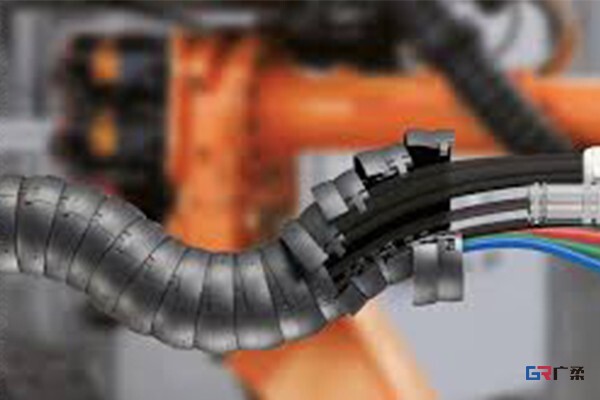
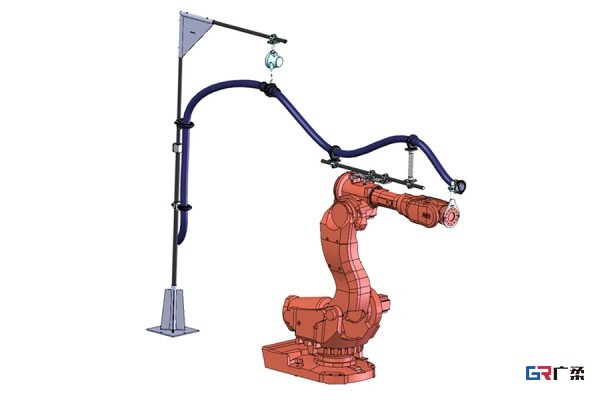
Managing a cable and hose carrier calls for a methodical routine that still leaves room for movement and abuse. Choosing materials comes first. Thermoplastics handle heat, grime, and everyday knocks pretty well while still protecting the lines inside. Inspections need to be routine, not something someone remembers after a fault. Look for scuffs, flattening, loose clamps, and spots where parts are starting to chew into each other.
Implementing modular designs makes life easier when the machine layout changes. You can swap sections without shutting down the whole cell for half a day. Adding condition-monitoring sensors gives operators a live read on wear and movement, which is useful when a fault would otherwise show up at the worst possible moment.
"Think about the machine’s environment when choosing components for your setup; small details change how the system behaves."
Clear procedures for installation, checks, and repairs keep the process consistent. Without them, each shift ends up inventing its own habits, and that gets messy fast.
Building durability into Robotics
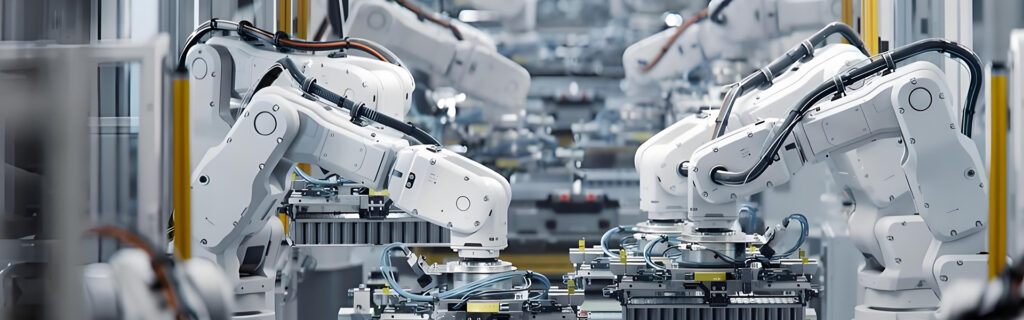
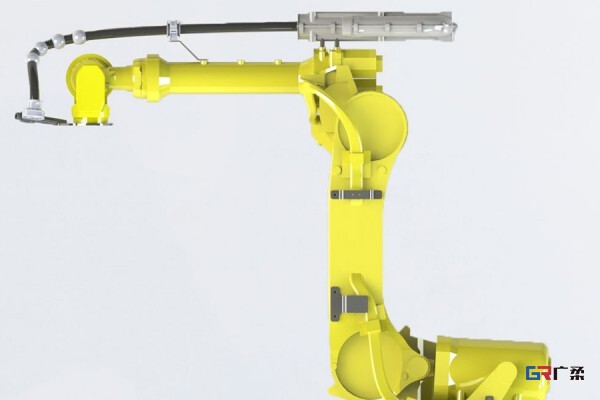
Durability in these assemblies keeps wear down and service life up. Materials that hold up against heat, humidity, and chemical exposure pay off quickly. High-grade polymers and metals usually get picked because they stay strong after repeated motion and do not fatigue as fast. The layout has to match the robot’s movement so the hoses and cables do not scrape against each other. Flexible conduit, wear rings, and similar parts give the most exposed sections a bit of breathing room. Regular checks matter, since a worn guide or cracked cover can turn into a much larger repair later. Working with manufacturers like HELUKABEL can lead to a setup that fits the job without making maintenance a pain.
Reducing downtime with Pipe Packages
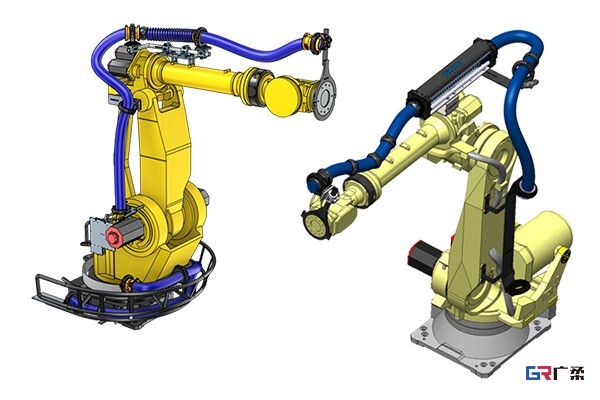
Downtime in robotics often starts with a bad routing job or a line that has been rubbing longer than anyone noticed. When cables and hoses are left to twist, pinch, or drag, failures show up fast. A solid protective assembly keeps everything in place and cuts repair time when something does go wrong. Material choice matters here too; parts need to handle repeated stress without going brittle. Flexible bellows help when the robot moves through tight ranges. Companies like HELUKABEL supply setups built to keep wear low over long runs. Regular checks on the installation also help; if the carrier follows the robot path cleanly, there is less chance of a surprise stop. Well-built systems make the whole cell easier to live with, and the hardware tends to last longer too.
Improving operational efficiency
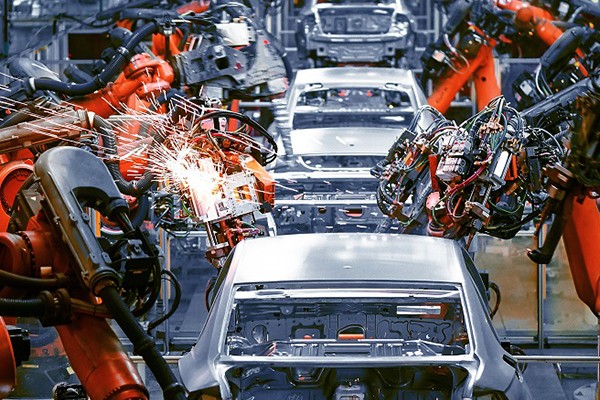
Good cable and hose management pays off in daily operation. When lines are kept organized and protected, they wear more slowly and need fewer replacements. A clean layout lets the robot arm move without fighting its own cabling, which matters during welding, assembly, and similar jobs. Proper routing lowers the risk of snagging or entanglement, so the line keeps moving. Custom setups can match the robot’s cycle and spare technicians a lot of time spent chasing the same fault. Sensors inside the assembly can send live usage data and warn operators before a break turns into a shutdown. That kind of early warning keeps production moving and saves the usual scramble at the worst hour.
Tailored solutions for Automation
Custom setups for these assemblies solve the problems that come with different machines. A robot’s layout shapes where the cables and hoses can sit, and that alone changes the whole design. The carrier needs to match the arm’s movement so nothing binds or rubs. In hot cells or chemical areas, material choice gets serious fast; standard parts may not last. Modular sections help with maintenance because a worn piece can be swapped without tearing apart the whole system. Talking with users matters here. Manufacturers like HELUKABEL can build around actual shop-floor needs, not just a clean drawing. That kind of fit matters in automotive plants and rail work, where a missed minute hits production numbers right away.
Original designs for Robotics
Original designs for these assemblies focus on doing the job without wearing out the cables and hoses in the process. Modular construction makes upgrades and repairs easier because parts can be changed one by one instead of replacing the entire unit. High-flex polymers help where motion is constant and abrasion is hard to avoid. Strain relief at connection points takes pressure off the most fragile spots, which cuts down on the same failures people keep seeing. Designs like this make automation more dependable and less fussy. In practice, a well-built carrier keeps power and data lines alive through long shifts, tight turns, and the occasional operator mistake.
Cable management and Performance
Cable management matters if you want the robot to keep moving cleanly. A tidy layout holds cables and hoses in place and keeps them from being pulled too hard during motion. That simple order cuts down on tangles and the rubbing that slowly eats through insulation. Durable covers and guide parts block dust, moisture, and mechanical wear. Flexible supports help the lines move without snagging, which gives both cables and hoses a longer run. Clear labeling saves time during fault-finding and maintenance because engineers are not left guessing which line does what. As factories lean harder on automation, better routing pays off in fewer interruptions and less frustration on the floor. Matching the setup to the application makes the whole thing easier to live with under changing conditions.
Conclusion
Managing these assemblies well is one of those unglamorous jobs that decides how a cell behaves day after day. Material choice, routing, and maintenance all shape how much wear the system takes and how often it stops. Custom builds for the actual machine matter more than generic parts, and regular checks keep small problems from becoming expensive ones. Real-time condition monitoring helps too, though it is not magic. It just gives operators a chance to react before the line gets ugly. As automation spreads, better-designed carrier systems will keep paying for themselves in fewer stoppages and less repair work.
FAQs
What is a robot pipe package?
It is a system that organizes and protects the cables and hoses used in robotic operations.
Why is material selection important for pipe packages?
Material selection affects durability and resistance to environmental factors, which matters a lot for how long the system lasts.
How can I reduce downtime caused by pipe packages?
Regular maintenance, durable materials, and modular designs can help keep wear and damage from turning into stoppages.
What role does cable management play in robotic systems?
Good cable management reduces strain on cables and hoses, cutting down on tangles and wear that can lead to failures.
Are tailored solutions necessary for all robotic applications?
Yes, tailored solutions help match specific operating needs and usually lead to better performance and reliability in different applications.