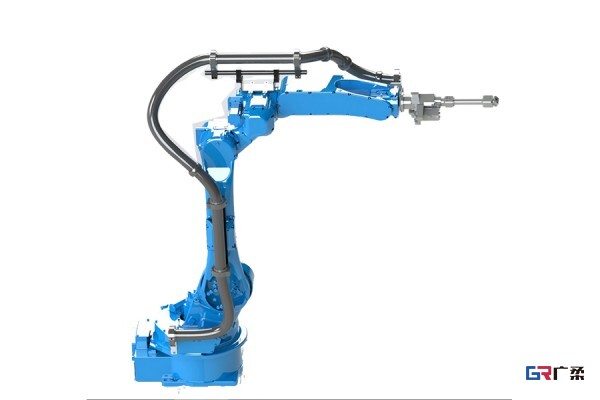
important Takeaways
Robot-specific hoses are important in modern industrial applications, providing the flexibility, durability, and wear resistance necessary for efficient robotic operations. The advancements in materials and designs have significantly enhanced their performance, allowing them to withstand the rigors of high-speed movement and harsh environments. Customization options cater to industry-specific requirements, ensuring that hoses can be tailored for optimal integration with robotic systems. Each improvement leads to reduced downtime and maintenance costs while extending the lifespan of both hoses and associated equipment. As industries continue to advance towards automation, these specialized hoses play a central role in maintaining smooth operations and increasing overall productivity. Understanding these aspects can guide engineers in selecting the right hoses for their specific applications, ultimately driving efficiency and reliability within their operations.
Advancements in Robot-Specific Hoses
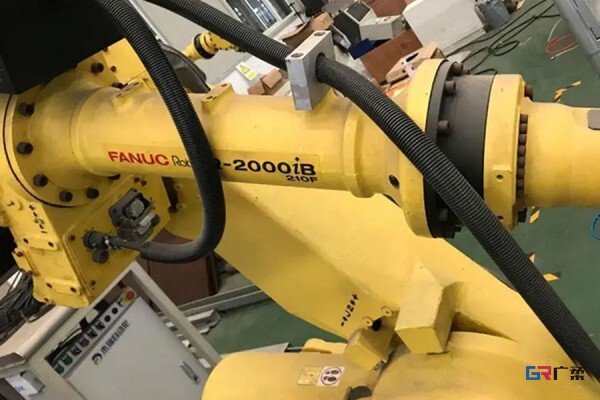
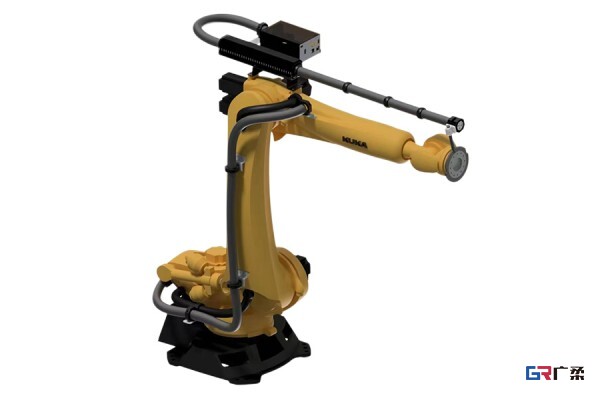
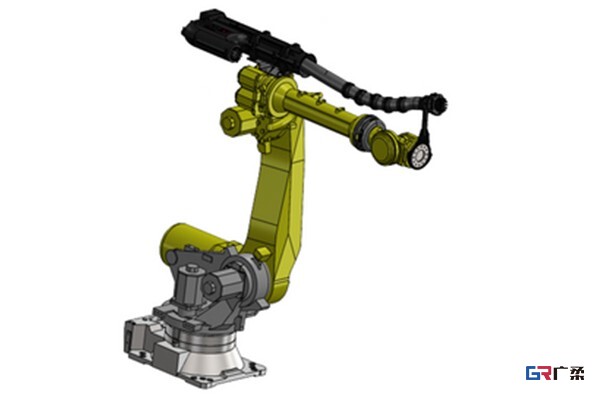
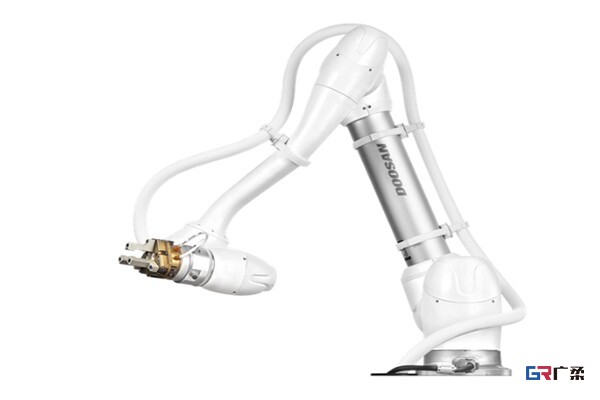
Recent advancements in robot-specific hoses have significantly improved their adaptability for industrial applications. Manufacturers are now utilizing advanced materials that boost flexibility while ensuring resistance to wear and tear during operation. These materials allow hoses to withstand the dynamic movements of robots without compromising their structural integrity. Innovations such as lightweight composites and reinforced elastomers have emerged, enabling easier handling and installation while maintaining optimal performance. Furthermore, the design of these hoses has evolved, incorporating features like internal spiral supports that prevent kinking and boost fluid flow. These advancements not only facilitate smoother operations but also minimize maintenance requirements, ultimately benefiting productivity in industrial environments. Enhanced designs that include anti-static properties are also becoming commonplace, addressing safety concerns when used in sensitive settings. As technology continues to progress, robot-specific hoses are poised to offer even more specialized solutions tailored to the growing demands of various industries.
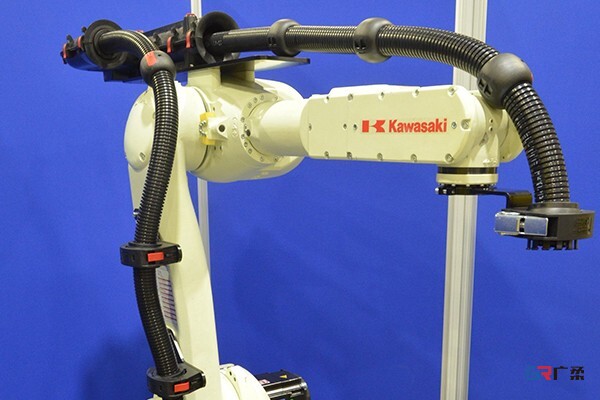
Improving flexibility in Industrial Hoses
Enhancing the flexibility of industrial hoses is essential for optimizing robot movements and maintaining operational efficiency. Modern innovations focus on materials engineered to offer superior bending capabilities without compromising structural integrity. These hoses utilize advanced polymers and composite materials that adapt to various bending radii, allowing for seamless integration into dynamic environments. The incorporation of features such as spiral reinforcements and flexible joints further improves hose maneuverability, reducing stress points that could lead to wear or damage during operation.
Moreover, the designs cater to a myriad of robotic applications, enhancing the ability of robots to execute detailed tasks in confined spaces. By accommodating a greater range of motion, these hoses prevent kinking and entanglement, thus supporting uninterrupted workflow. This improvement not only fosters better performance but also mitigates the risks associated with equipment downtime caused by rigid or poorly designed hose systems. As industries demand more agile automation solutions, focusing on flexibility in hose design remains a important factor in advancing robotic operations across sectors.
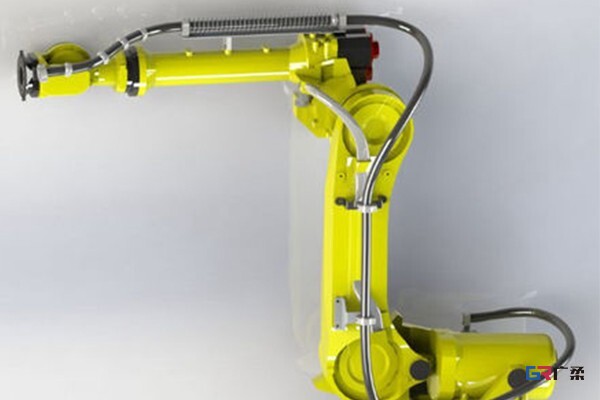
Durability of New Hose Materials
New advancements in hose materials have significantly improved the durability of robot-specific hoses. new compounds, such as thermoplastic elastomers (TPEs) and reinforced synthetic fibers, improve strength while maintaining flexibility. These materials exhibit impressive resistance to harsh environmental conditions, including extreme temperatures, chemical exposure, and abrasion. The incorporation of additives can further bolster resistance to fatigue and wear, ensuring that hoses withstand the rigors of high-speed robotic applications.
"Investing in robust hose materials is essential for extending equipment lifespan and minimizing maintenance costs."
Regular testing for tensile strength and elongation ensures these hoses can endure continuous flexing without compromising performance. also, the use of advanced manufacturing techniques such as extrusion and co-extrusion results in seamless transitions that reduce points of failure. Enhanced durability not only translates to improved operational efficiency but also less downtime due to wear-related failures, making these new hoses vital components in modern industrial automation systems.
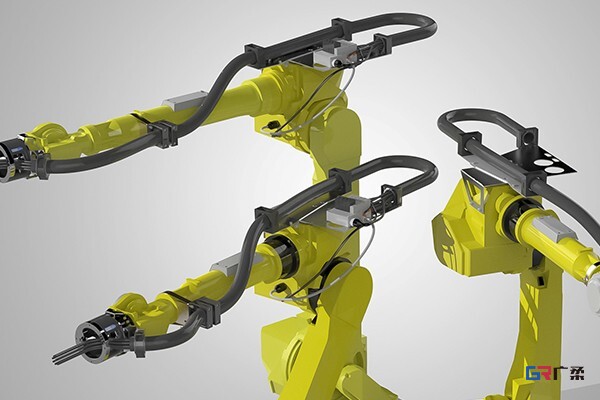
Optimizing wear resistance in Hoses
The wear resistance of robot-specific hoses is essential for their longevity and performance in demanding industrial environments. Manufacturers are increasingly using advanced materials that offer superior resistance to abrasion and environmental factors. These new materials prevent premature degradation, which is important when hoses are subjected to constant movement, friction, and exposure to harsh substances. furthermore, original design features such as reinforced linings and protective coatings further boost the wear resistance of these hoses, minimizing the risk of failure due to material fatigue. Testing under extreme conditions plays a significant role in validating the durability of these hoses, ensuring they can withstand the rigors of various applications without compromising their functional integrity. This focus on optimizing wear resistance not only contributes to reduced maintenance costs but also ensures that operations remain uninterrupted, enhancing overall productivity in sectors that depend on robotic technology.
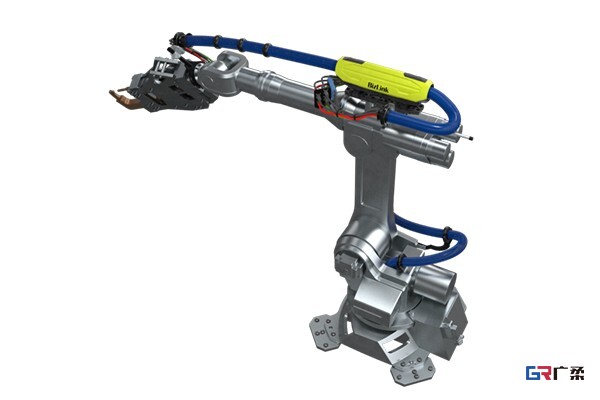
Customization options for Robot Hoses
Customization is paramount in the design of robot-specific hoses to meet diverse operational needs across industries. Manufacturers can adjust hose length, diameter, and shape to align with specific robotic applications, enhancing performance and efficiency. also, different materials can be selected based on the environment—resistant to chemicals, heat, or abrasion, reflecting the unique demands of various sectors. Custom fittings ensure seamless integration with existing robotic systems while tailored color-coding provides easy identification and improved organization. Options for specialized pressure ratings also allow hoses to perform reliably under various load conditions. Furthermore, developers frequently collaborate with engineers to incorporate unique features such as strain relief systems or reinforcement layers that prevent wear in high-movement areas. This level of customization not only improves functionality but also extends the life of hoses in demanding industrial settings, ensuring robots operate smoothly throughout their lifecycle.
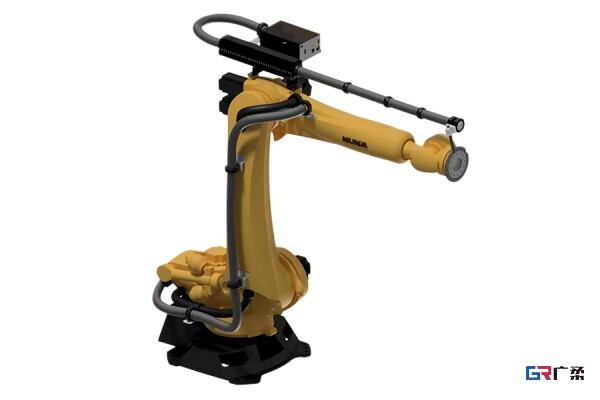
Sector-Specific Applications of Hoses
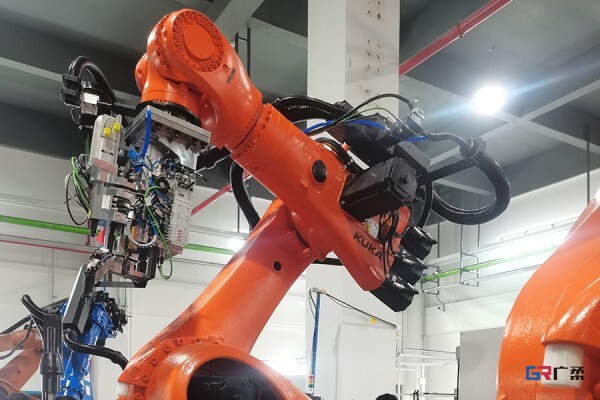
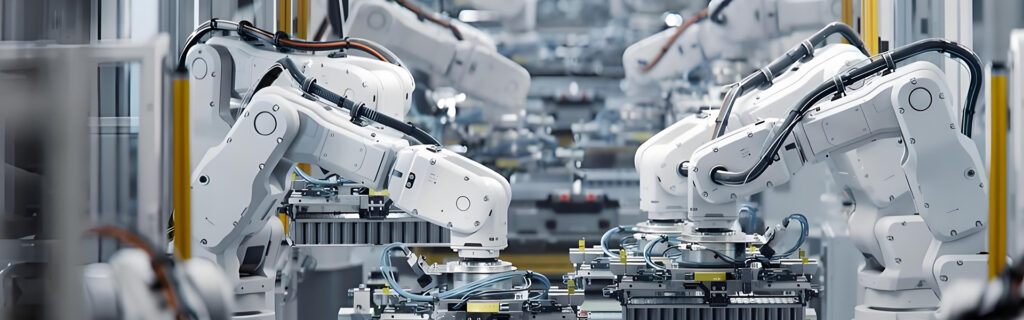
Robot-specific hoses are utilized across a wide range of industries, tailoring to their unique operational demands. In the automotive sector, hoses facilitate the efficient transfer of fluids and gases, ensuring optimal engine performance and safety. Meanwhile, in industrial automation, these hoses support high-speed robotic arms, providing the necessary flexibility and durability to withstand constant motion. The aerospace industry benefits from lightweight yet robust hoses that can endure extreme conditions without compromising reliability.
In the chemical sector, specialized hoses are designed to resist corrosive substances while maintaining flexibility for complex routing within automated systems. Rail transportation employs these hoses for signaling and pneumatic systems, where consistent performance is vital for safety and efficiency. With advancements in material technology, industries are seeing improved wear resistance and flexibility in their hose applications. Thus, each sector acknowledges the critical role that customized robot-specific hoses play in enhancing operational reliability and equipment longevity.
Enhancing reliability with new Hose Designs
new designs in robot-specific hoses are important for improving operational reliability in industrial applications. These hoses are engineered to be lightweight yet robust, allowing for efficient handling and movement without sacrificing structural integrity. Advanced engineering techniques have led to the inclusion of features such as increased flexibility, enabling hoses to bend and twist smoothly as robots navigate different tasks. also, specialized materials ensure resilience against wear and tear, further enhancing their dependability.
As sectors demand greater performance, the adaptability of these hoses becomes invaluable. Customization options cater to specific operational needs, ensuring each hose can withstand the unique environmental challenges posed by various applications. Whether it’s handling high-pressure systems in automotive manufacturing or managing pneumatic functions in high-speed automation workflow, modern hose designs promote seamless integration and reliable performance.
Through continuous advancements, these updated hose designs not only facilitate smoother movements but also reduce the risk of failures that can lead to downtime. By prioritizing reliability in the design process, manufacturers significantly contribute to extending the lifespan of robotic systems and optimizing overall productivity in industrial settings.
Impact of Hoses on Equipment Lifespan
The lifespan of industrial equipment is heavily influenced by the quality and design of robot-specific hoses. These hoses are engineered to withstand the stresses of high-speed robotic movements, which can lead to wear and tear over time. Enhanced wear resistance in modern hose materials helps minimize deterioration, ensuring that hoses maintain their effectiveness throughout extensive operational cycles. By providing superior flexibility, these hoses reduce the risk of kinking or cracking under pressure, which can contribute to premature equipment failure. When hoses are customized for specific robotic applications, they offer an ideal fit and alignment that further prevents unnecessary strain on both the hoses and the connected machinery. This tailored approach not only extends the life of the hoses themselves but also protects important components within robotic systems, ultimately increasing overall equipment reliability and functionality. Investing in advanced hose technologies becomes a strategic decision for enhancing machines’ longevity in demanding industrial environments.
Conclusion
the evolution of robot-specific hoses demonstrates the critical role they play in enhancing industrial applications. As advancements in materials and designs continue to emerge, these hoses become more adaptable, durable, and efficient. Their improved flexibility facilitates better integration with robotic systems, allowing for smoother operations across diverse environments. Enhanced wear resistance ensures that these hoses can endure the demanding conditions associated with high-speed applications while minimizing maintenance needs and downtime. Furthermore, customization options allow for tailored solutions that meet the specific requirements of various industries, bolstering overall reliability. By prioritizing innovation in hose design, manufacturers can significantly prolong equipment lifespan and improve operational efficiency. The commitment to developing advanced robot-specific hoses reflects a broader trend toward optimizing industrial automation and enhancing productivity in the modern scene.
FAQs
What is a robot-specific hose?
A robot-specific hose is designed to meet the unique demands of robotic applications, offering flexibility, durability, and wear resistance for efficient operation in industrial environments.
How do advances in materials improve robot-specific hoses?
Recent material advancements have enhanced strength and flexibility, allowing hoses to withstand harsh conditions while minimizing wear and tear, which extends their lifespan.
What customization options are available for robot-specific hoses?
Manufacturers provide options for length, diameter, shape, and material selection to suit specific applications, enhancing performance and integration with robotic systems.
In which industries are robot-specific hoses commonly used?
Robot-specific hoses are used across various sectors including automotive, aerospace, chemical processing, and industrial automation to facilitate the efficient transfer of fluids and gases.
How do these hoses impact the lifespan of equipment?
high quality robot-specific hoses improve equipment lifespan by reducing wear-related failures through improved flexibility and resistance to kinking or cracking under stress.