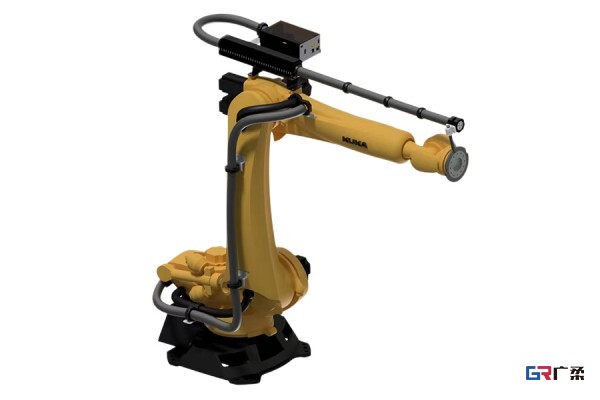
main Takeaways
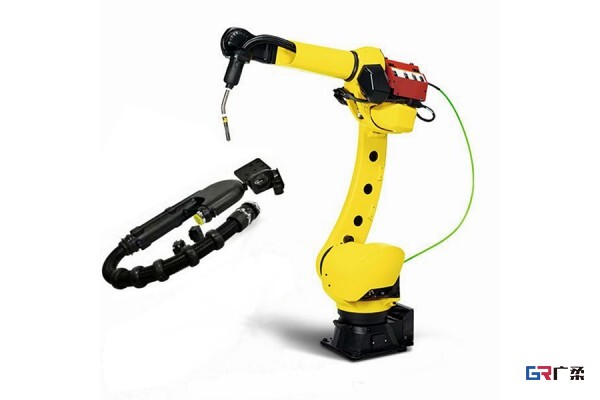
Robot dresspacks are essential for improving the functionality and reliability of robotic systems. They provide effective cable management that minimizes wear, ensuring cables are protected from damage during operation. Adopting tailored designs allows organizations to align dresspack solutions with unique operational requirements, enhancing adaptability across various applications. The integration of flexible materials and intelligent routing techniques helps withstand the environmental stresses robots often face. This consideration not only helps reduce maintenance needs but also extends equipment lifespan, supporting continuous production without significant disruptions. Investing in high quality dresspacks ultimately contributes to optimized operational efficiency and reduced costs, making them a critical element in contemporary automation strategies.
Robot dresspack benefits
robot dresspacks provide significant advantages in industrial settings. They streamline cable management, reducing the likelihood of tangles or friction that can lead to premature cable failure.
"Effective cable management is main to prolonging the lifespan of essential components."
By ensuring that cables and hoses are neatly organized, dresspacks mitigate wear caused by constant movement and manipulation during robotic operations. This organization translates directly into fewer interruptions for maintenance and repair, ultimately enhancing operational uptime.
Moreover, tailored dresspack designs cater to specific operational environments. For instance, in applications exposed to extreme temperatures or dust, specialized materials can protect sensitive cables from environmental damage. The custom solutions not only improve reliability but also adapt seamlessly to the robot’s unique mechanics.
Overall, investing in high quality dresspacks contributes directly to operational efficiency and lowers the total cost of ownership in robotic systems. The right choice in dresspacks can lead to significant improvements in productivity across various industrial applications.
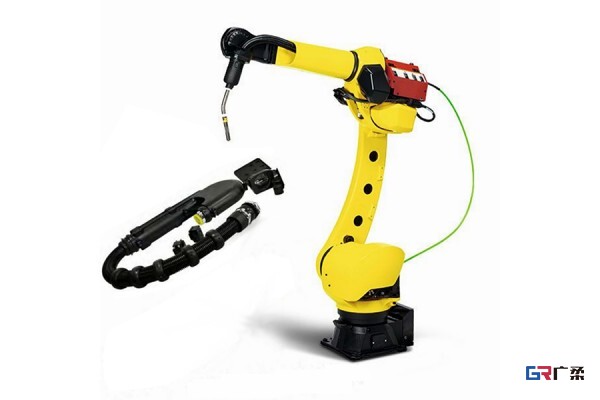
Cable management solutions
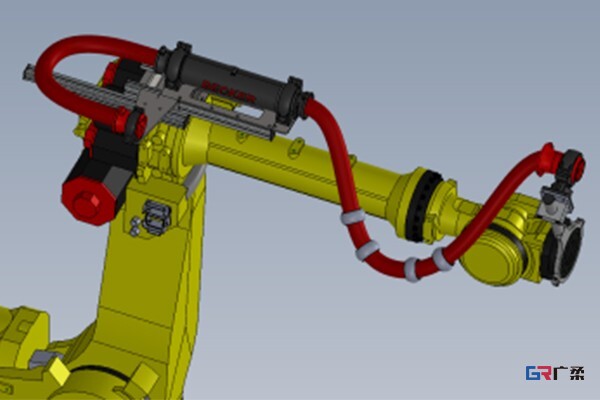
cable management plays a vital role in robotic applications, safeguarding sensitive wiring and hoses. Dresspacks efficiently organize and guide cables, preventing tangles and reducing wear caused by movement. Choosing the right dresspack based on specific operational requirements enhances cable longevity and minimizes downtime. Effective solutions incorporate components like spiral wraps and cable carriers that maintain alignment while accommodating dynamic motion.
Robotic systems face varying environmental conditions, from extreme temperatures to exposure to chemicals, that can impact cable integrity. Dresspacks designed for these environments often include features such as weatherproofing and UV-resistance, ensuring consistent performance. Customization allows engineers to address specific challenges based on the application, enhancing adaptability across different industries.
Ultimately, well-designed cable management systems not only improve the reliability of robotic operations but also support efficient maintenance workflows. By focusing on tailored solutions that address unique operational demands, organizations can improve overall productivity while extending the life of critical components.
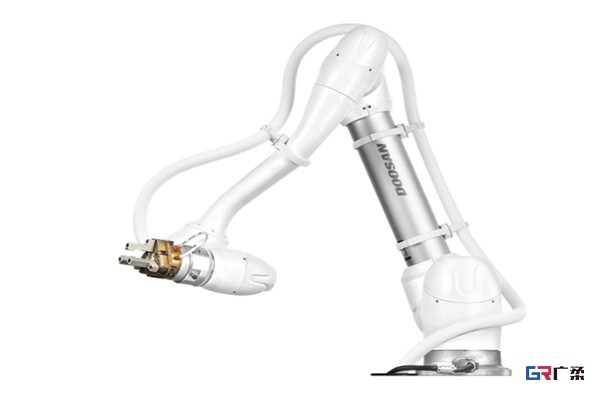
Enhancing robot uptime
robot dresspacks play a vital role in minimizing downtime for industrial machines. By effectively managing cables and hoses, they reduce the risk of wear and tear from constant movement, which can lead to interruptions in functionality. Properly designed dresspacks accommodate the unique motions of robotic systems, allowing for seamless operation without unnecessary strain on components. Regular wear contributes significantly to equipment failure; hence, the integration of flexible materials and intelligent routing options within dresspacks directly promotes greater uptime. Moreover, customized solutions enable specific adaptations that can prevent cable failures linked to environment-related stresses, such as heat or moisture exposure. This focus on ergonomic design extends the life of cables and components, ensuring that robots remain operational longer under various conditions. Ultimately, investing in tailored dresspack designs is a proactive way to support continuous production processes in diverse industrial applications.
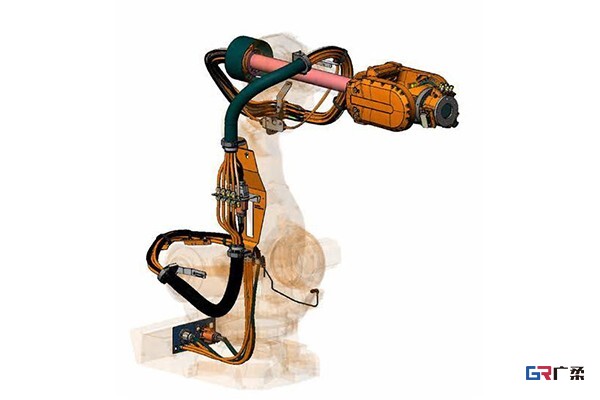
Tailored dresspack designs
tailored dresspack designs address the diverse needs of robotic applications by focusing on specifics such as size, shape, and material selection. Engineers collaborate with clients to develop dresspacks that fit unique operational environments, taking into account factors like temperature fluctuations, exposure to chemicals, and physical stresses. Further customization may include adjustable brackets and fittings to ensure that the dresspack integrates seamlessly with existing systems.
The use of specialized materials enhances durability and resistance to wear and tear. Options such as abrasion-resistant thermoplastics or engineered elastomers help protect cables over extended use. Design features like bend-relief mechanisms minimize stress on wires, contributing to their longevity in high-demand settings. Tailored solutions not only reduce downtime but also improve overall performance by providing optimal cable guidance and management during robotic operations.
Maximizing operational efficiency
robot dresspacks play a significant role in optimizing the performance of robotic systems. By organizing and shielding essential cables within industrial robots, dresspacks prevent tangling and accidental damage. This organization leads to smoother operations, reducing wear and tear on cables and hoses. Effective cable management allows robots to perform at their best without interruption, which is critical in high-demand environments.
When choosing a dresspack, specific design elements must be considered to match operational needs. For instance, selecting the right materials can prevent overheating or protect against environmental factors such as moisture or dust. The right combination of components, like fixtures and brackets, can absorb stress resulting from robotic movement.
Incorporating these tailored designs directly impacts operational efficiency by minimizing downtime caused by cable failures. A well-designed dresspack not only supports the continuous operation of robots but also streamlines maintenance efforts, ensuring that systems remain functional longer with reduced intervention required for repairs. Therefore, investing in high quality robot dresspack solutions is essential for maintaining peak efficiency across various industrial applications.
Longevity of Cables in Robotics
Cables used in robotics often face harsh conditions, leading to wear and tear that can compromise performance. Proper cable management through dresspacks significantly extends cable life by minimizing bending and torsion during operation. Dresspacks are engineered to support cables, keeping them organized and secure while reducing friction against surfaces. This organization helps to prevent damage from movements inherent in robotic applications.
In environments with repeated cycles, such as manufacturing or automation processes, stresses on cables are substantial. Tailored dresspack solutions address these needs by providing customized features, such as protective coatings or reinforced designs that withstand environmental hazards. By mitigating the impact of mechanical stressors and environmental factors, like heat, moisture, and exposure to chemicals, dresspacks contribute to longer service intervals for cables. A proactive approach in selecting the right dresspack not only improves cable longevity but also enhances the overall reliability of robotic systems in various industries.
Dresspack applications overview
robot dresspacks are utilized across various industries, adapting to specific application needs. In automotive manufacturing, they protect cables from wear and damage in high-mobility environments. In industrial automation, dresspacks facilitate seamless power and data transmission, ensuring robotic arms operate without interruption. The railway sector relies on dresspacks to safeguard cables in trains and station equipment, maintaining safety and reliability. Telecommunications benefit from these systems by streamlining cable management for both installation and maintenance. Each sector demands tailored solutions to meet environmental conditions such as temperature fluctuations, moisture, or abrasion risks. Effective design allows easy integration with existing machinery while addressing unique operational demands. This tailored approach helps extend the lifespan of cables while reducing downtime caused by cable failures. Companies now play a important role in collaborating with clients to create custom dresspack systems that prioritize durability and efficiency across all applications.
Crafting customized solutions
developing tailored robot dresspack solutions involves close collaboration between engineers and clients to address specific operational needs. Each robotic application has unique requirements based on factors such as load capacity, environmental conditions, and operational cycles. Prior to design, engineers analyze the robot’s movement patterns, cable types, and potential wear points. This assessment leads to the selection of appropriate materials for dresspacks that can withstand varying degrees of stress and environmental exposure.
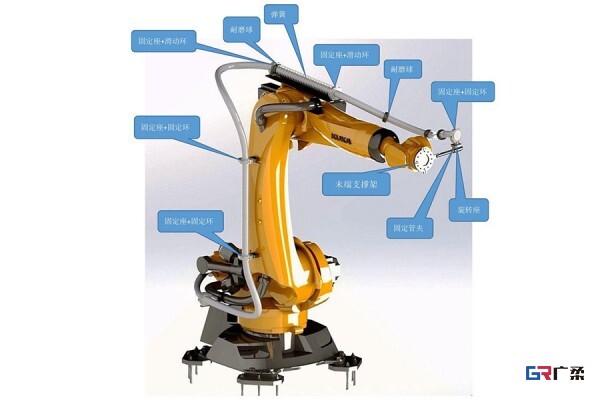
Custom solutions can include adjustments to bellows size for flexibility or incorporating specialized fittings that improve cable strain relief. Moreover, engineers often implement features like integrated sensors to monitor dresspack conditions in real time, providing insights for preventive maintenance. Such innovations ensure that the systems do not just accommodate existing cables but also anticipate future needs as technology evolves.
Furthermore, involving clients during the design phase guarantees that the final product aligns with their specific workflows, promoting efficiency from installation through daily operations. The result is a dresspack solution that not only protects cables but optimizes overall robotic performance across various industry applications.
Conclusion
investing in robot dresspack solutions proves essential for achieving high efficiency and reliability in automated environments. These systems not only streamline cable management but also contribute to the longevity of both cables and robotic components. By minimizing wear and tear, tailored dresspacks facilitate enhanced uptime, allowing machines to operate seamlessly over extended periods. Customized designs cater to specific environmental challenges, providing the necessary protection against harsh conditions. Furthermore, the collaboration between engineers and clients in crafting unique solutions ensures that each dresspack meets operational needs effectively. Organizations that prioritize high quality dresspacks can expect improved productivity and reduced maintenance costs, making them a critical component in modern robotics applications.
FAQs
What is a robot dresspack?
A robot dresspack is a protective management system for cables and hoses in robotic applications, ensuring they remain organized and free from damage.
What are the main benefits of using dresspacks?
Dresspacks improve cable longevity, reduce wear and tear, improve operational uptime, and cater to specific environmental conditions.
How can dresspacks improve robot uptime?
By organizing cables and minimizing movement stress, dresspacks prevent damage that can lead to downtime, allowing robots to operate more reliably.
What materials are commonly used in tailored dresspacks?
Materials vary based on application but often include abrasion-resistant thermoplastics and elastomers that withstand harsh environmental conditions.
Can dresspacks be customized for specific applications?
Yes, engineers can design dresspacks tailored to unique operational requirements, including size, shape, materials, and added protective features.
How do I choose the right dresspack for my system?
Selecting the appropriate dresspack involves assessing the operational environment, cable types involved, and the specific loads the system will endure.
Are there any maintenance requirements for robot dresspacks?
Minimal maintenance is needed; however, regular inspections are recommended to ensure optimal performance and detect any wear or damage early.
What industries benefit from using robot dresspacks?
Various sectors such as automotive manufacturing, industrial automation, railway systems, and telecommunications utilize robot dresspacks for cable management.
How do customized solutions affect the performance of robotic systems?
Customized solutions improve performance by addressing specific challenges inherent in the application environment, improving overall reliability of robotic systems.