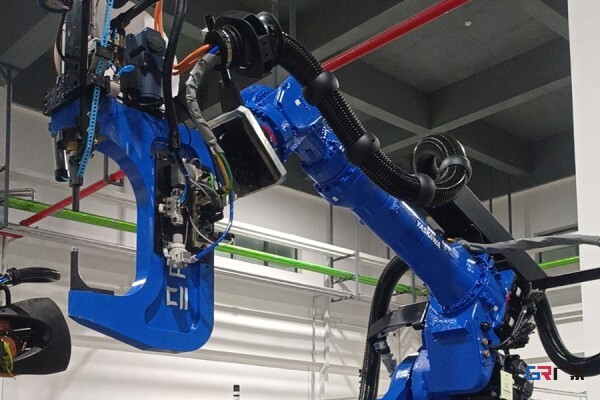
Key takeaways
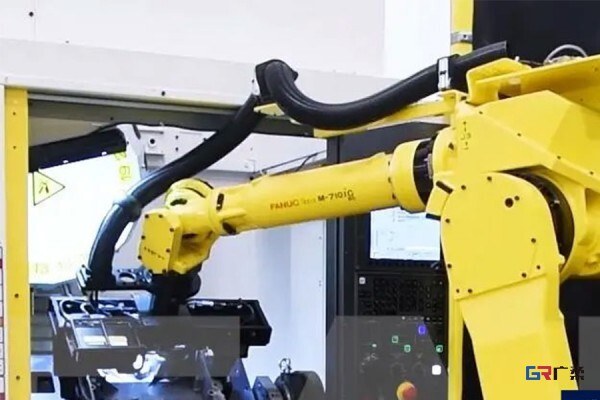
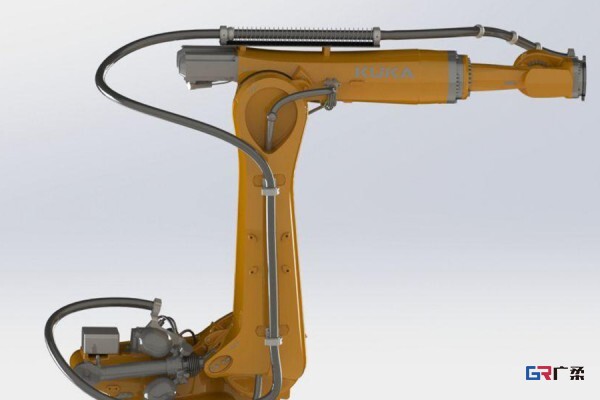
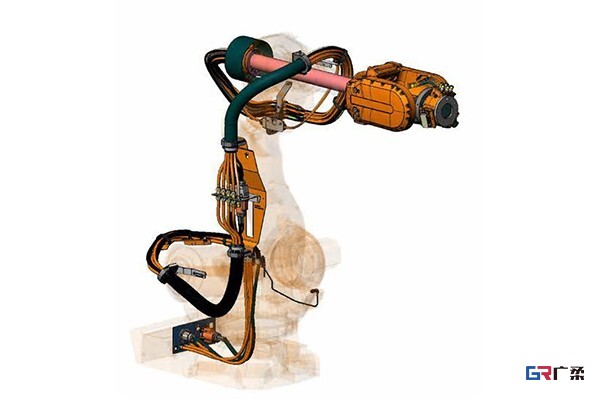
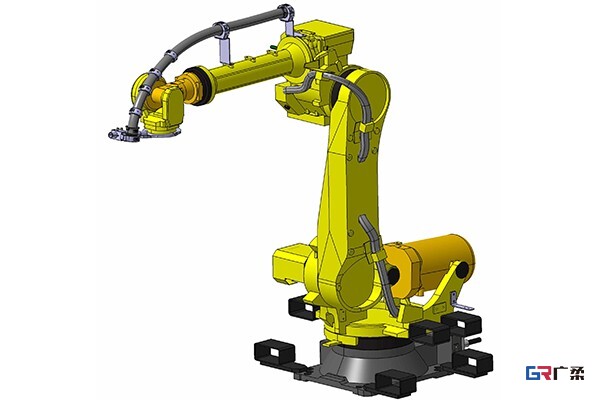
From an engineer’s viewpoint, modern robot dresspacks play a key role in reliable cable management. A Robot Dresspack, properly specified, supports predictable motion and reduced wear. Latest designs highlight modularity, allowing quick adaptation to different robots without major rework. Materials have improved, featuring durable polymers and lightweight composites that withstand abrasion and temperature variation while cutting overall system weight. Effective strain relief, smarter routing, and wear rings minimize bending fatigue and cable failures, extending service life and lowering maintenance costs. Real-time health monitoring and sensor integration enable proactive maintenance, letting operators schedule interventions before failures occur. Ergonomic installation and accessible service points simplify field adjustments, reducing downtime during changes or upgrades. Durable dresspacks handle high duty cycles in harsh environments, maintaining signal integrity and power delivery under dynamic loads. Wide applicability across manufacturing, energy, and logistics makes dresspack technology a versatile tool for productivity. Looking ahead, the focus will be on further material advances, smarter diagnostics, and modular ecosystems that streamline customization and refurbishment.
Innovations in Robot Dresspack Design
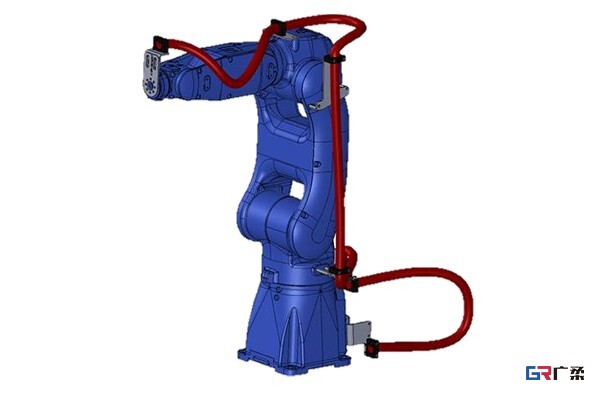
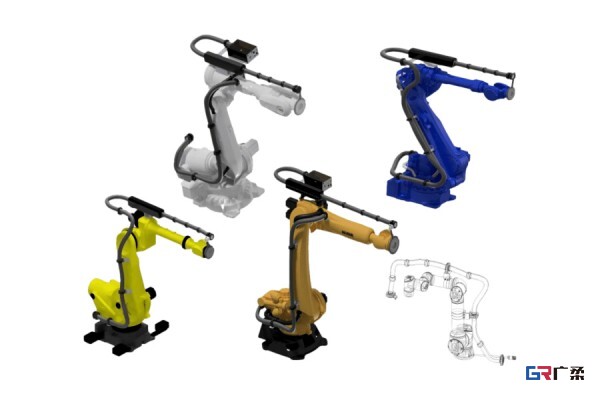
Recent advancements in robot dresspack design aim to boost their functionality and adaptability across different working environments. Innovative materials, such as lightweight composites and flexible polymers, boost durability while cutting weight. This shift not only lowers the overall load on robotic systems but also enables greater mobility and efficiency during operations. Additionally, modular designs have emerged, allowing customization to fit specific robotic applications, thus meeting unique operational demands more effectively.
Integrating intelligent monitoring systems into dresspack design enables real-time assessment of cable condition and wear. This proactive approach ensures timely maintenance, lowering the risk of operational failures due to cable damage. Moreover, advanced routing systems within dresspacks help preserve cable integrity by preventing excessive bending and friction.
“A thoughtful design approach can significantly extend the life of robotic components while improving overall system performance.”
Overall, these innovations contribute to better performance, longevity, and reliability in robotic applications across diverse industries.
Enhancing cable management in Robotics
The design of robot dresspacks has undergone notable improvements to upgrade cable management in industrial settings. These enhancements concentrate on reducing wear and tear on cables and hoses, thereby extending their lifespan. Advanced dresspacks incorporate features like optimized routing paths that lessen bending and torsion, common triggers of cable failure. Moreover, materials used in modern dresspacks offer greater resistance to environmental factors, keeping cables protected even in demanding conditions. The inclusion of strain relief measures, like specialized fastening mechanisms, plays a key role in maintaining the integrity of power and data transmission systems. This attention to detail enables robots to operate more efficiently by reducing downtime caused by cable-related issues. Additionally, ergonomic designs contribute to ease of installation and maintenance, allowing faster adjustments when needed. Overall, these advancements cultivate a more dependable robotic workflow, essential for maintaining productivity across diverse industries.
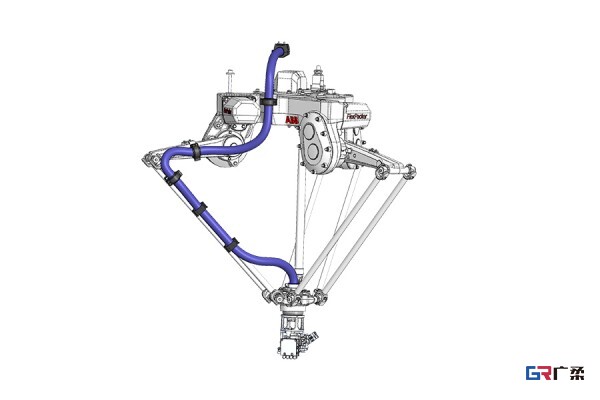
Key features of Modern Dresspacks
Modern dresspacks include several essential features that enhance cable management and support the efficient operation of robotic systems. First, modular designs enable easier integration and customization based on specific robotic applications. This flexibility lets users choose configurations that best meet their operational needs. Durable materials, such as thermoplastics and engineered compounds, boost durability while offering resistance to abrasion, chemicals, and extreme environmental conditions.
Another key feature is the advancement of strain relief mechanisms. These mechanisms reduce the risk of cable damage by managing stress during dynamic movements. Additionally, modern dresspacks feature effective routing systems that prevent tangling and ensure smooth movement along predefined paths. Enhanced wear rings offer additional protection against physical impact, extending the lifespan of internal components.
Moreover, innovative fastening solutions contribute to dependable installations. These solutions provide secure attachment points for cables, reducing wear from friction and motion. Ultimately, these features substantially boost both performance and reliability of robotic systems in demanding industrial environments.
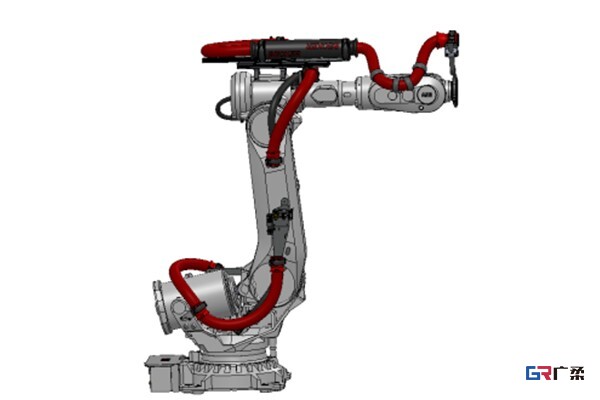
Impact of Dresspacks on Robot Efficiency
Dresspacks for robots significantly influence overall efficiency by promoting streamlined cable management and minimizing disruptions during operation. Well-designed dresspacks can reduce wear on cables and hoses, which directly ties to lower maintenance needs and higher uptime. By preventing failures in power and data transmission, dresspacks help sustain continuous operation, ultimately boosting productivity. Additionally, the integration of advanced materials and engineering principles in modern dresspack technology supports better endurance against harsh conditions, ensuring consistent performance in demanding environments. As robots face various operational challenges, the efficiency gains from well-designed dresspacks become increasingly vital for optimizing workflows across industries.
Durability and Performance of Dresspacks
The durability of robotic dresspacks is crucial for maintaining operational efficiency in industrial settings. These systems must endure harsh conditions, including extreme temperatures, moisture, and physical wear. Advanced materials are integrated into their construction to ensure durable performance. For example, high-quality polymers and reinforced fabrics are commonly used to resist abrasions while preserving flexibility.
Performance also hinges on design features that address specific operational demands. Dresspacks that incorporate swivel mechanisms can effectively reduce stress on cables during dynamic movements, thereby prolonging their lifespan and lowering the risk of failure. Key design elements like bend radii and strain relief fittings are vital in preventing cable fatigue, further boosting overall performance.
Moreover, rigorous testing protocols are implemented to validate the durability of these systems under diverse conditions. Evaluating dresspacks against industry standards gives users confidence in their reliability during continuous operation, ultimately driving higher productivity in robotic applications. Ensuring dresspacks meet these durability benchmarks is essential for sustaining long-term success in automated processes across multiple sectors.
Applications of Advanced Dresspack Technology
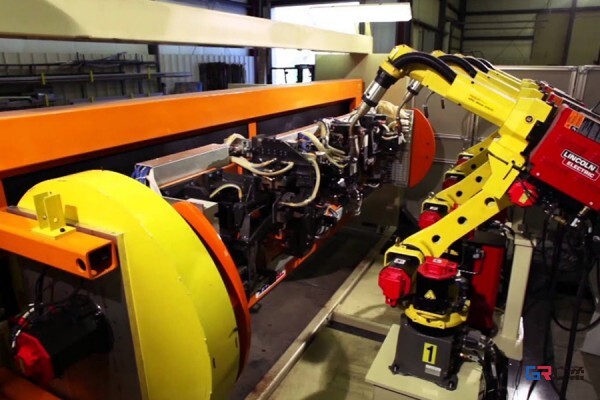
Advanced dresspack technology is applied across a range of industrial sectors. In manufacturing environments, these systems ensure smooth operation of machinery by shielding vital cables and hoses from abrasion and environmental factors. The energy production sector gains from dresspacks that secure power cables and data lines in harsh conditions, boosting efficiency in power generation. Likewise, in transportation, dresspacks support the reliable operation of robotic arms on assembly lines or in autonomous vehicles, improving performance and reducing downtime. In shipbuilding, robust dresspack systems are required to manage comprehensive electrical networks aboard ships. The communications sector also relies on advanced dresspacks to safeguard delicate transmission cables inside moving parts. The versatility of these systems supports their deployment across diverse applications, underscoring their role in boosting productivity and reliability in demanding environments.
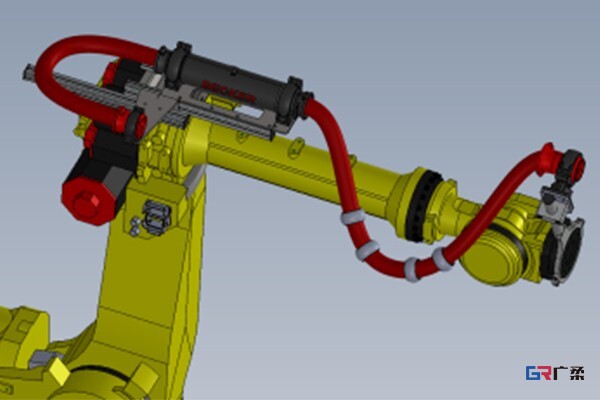
Future trends in Robot Cable Management
The future of robot cable management hinges on integrating advanced materials and smart technology. Innovations are emerging that emphasize lightweight yet durable materials that endure harsh industrial environments while cutting the overall weight of robotic systems. Moreover, the use of smart sensors within dresspacks enables real-time monitoring of cable health, delivering valuable data that informs maintenance schedules and cuts downtime. The incorporation of modular designs will also be important, enabling easier customization and replacement of components to meet specific operational needs. Moreover, advances in automation and connectivity could drive closer interaction between dresspack systems and the robots they support. This will enable more efficient cable routing solutions that adapt to dynamic movements during operation. As industries push for greater efficiency, advances in robot cable management will likely prioritize flexibility, reliability, and data-driven decision-making approaches to boost robotic performance across applications.
Best practices for Dresspack Maintenance
Maintaining robot dresspacks requires a systematic approach to extend their lifespan and ensure peak performance. Regular inspections are essential; technicians should inspect the dresspack for signs of wear, damage, or misalignment. Monitoring the state of cables and hoses is critical, as any degradation can affect functionality and safety of the robotic systems. Lubricating moving parts helps reduce friction and wear, thereby boosting overall efficiency.
Cleaning is another vital aspect; debris buildup can cause obstructions and interfere with motion. Implementing a standardized cleaning schedule helps keep dresspacks operational. Additionally, technicians should ensure that all fasteners are tightened to specification, as loose components can lead to increased wear or failure during operation.
Documenting maintenance activities yields insights into performance trends over time. This record helps plan future maintenance and identify recurring issues, which can lead to preventative measures. By following these best practices, organizations can minimize unexpected downtime and boost the reliability of their robotic systems.
Conclusion
The advances in robot dresspack technology offer meaningful opportunities to improve efficiency and reliability within industrial robotics. Improved designs focused on cable management not only cut wear and tear but also extend lifespans for cables and hoses, directly supporting operational effectiveness. The integration of smart monitoring systems for cable conditions, together with advanced materials, empowers organizations to minimize downtime and lengthen maintenance intervals. Moreover, these innovations permit more flexible solutions tailored to specific robotic applications, ensuring varying operational demands are met. As industries evolve and adopt automation, the importance of effective dresspack systems will grow. Embracing these technological advancements will be essential for maintaining a competitive edge in a rapidly changing landscape. The future of industrial robotics will undoubtedly rely on effective cable management solutions that emphasize durability, performance, and flexibility in design.
FAQs
What is a robot dresspack?
A robot dresspack is a protective enclosure designed to organize and manage cables and hoses in robotic systems, ensuring efficient operation and reducing wear.
How do advances in dresspack technology enhance cable management?
Recent advances focus on optimizing routing paths, employing durable materials, and integrating strain relief features, which collectively boost cable longevity and performance.
What are the main benefits of using modern dresspacks in industrial robotics?
Modern dresspacks boost reliability by reducing the risk of cable failure, facilitating smooth operation, and minimizing downtime across various robotic applications.
Can dresspacks be tailored for specific robotic applications?
Yes, many modern dresspacks feature modular designs that permit customization to fit unique operational requirements and varying environments.
How frequently should robot dresspacks be maintained?
Regular inspections should be performed to check for wear and damage, with maintenance frequency depending on operational conditions; a structured schedule improves reliability.
What are some common signs that a robot dresspack requires maintenance?
Common indicators include visible wear on cables or hoses, misalignment in routing paths, or unusual noises during robotic operation.
How do strain relief mechanisms benefit robotic systems?
Strain relief mechanisms help manage cable stress during movement, lowering the likelihood of damage and extending cable lifespan within the robotic systems.
Is it safe to operate robots with worn dresspacks?
Operating robots with worn dresspacks presents significant risks such as cable failure or operational disruptions; addressing maintenance needs promptly is advised.
Which industries gain the most from advanced robot dresspack technology?
Industries such as manufacturing, transportation, energy production, and communications all gain from enhanced efficiency and reliability provided by advanced dresspack technology.