Key takeaways
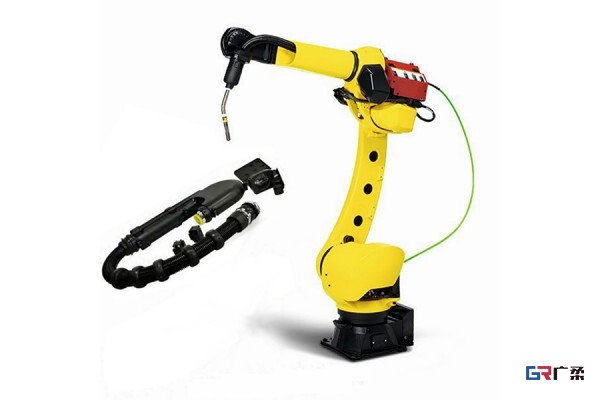
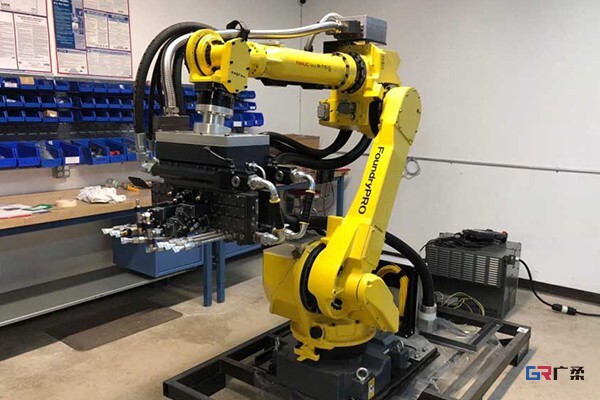
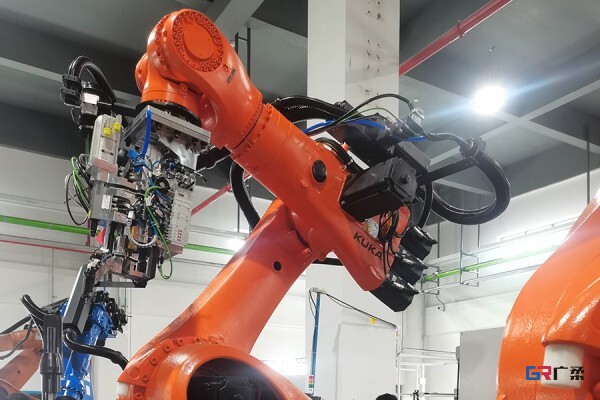
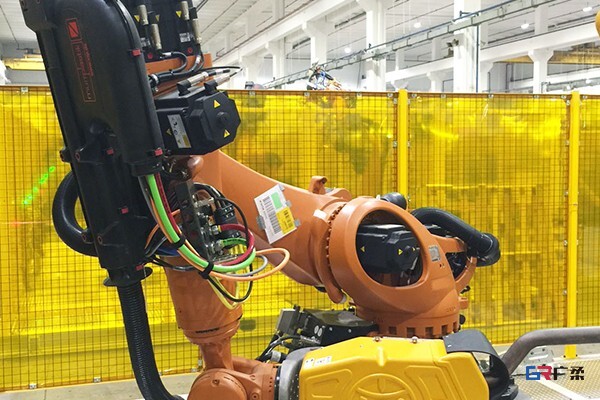
Effective dresspack selection begins with a clear grasp of the robot’s motion profile and its operating environment. For instance, choosing a robot dresspack for industrial applications establishes the baseline expectations for cable routing and protection. The dresspack must accommodate the anticipated cable diameter and the number of runs. It must also accommodate bend radii without limiting the arm’s range of motion. Materials should resist abrasion, temperature, and chemical exposure common to the plant environment. Practically, engineers should prioritize modular designs that enable easy inspection, wear-ring replacement, and rapid service without removing the robotic toolhead. Proper routing and strain relief reduce wear and prevent cable fatigue, lowering maintenance frequency and extending component life. It’s prudent to verify compatibility with the robot brand and control system, and to consider future expansion or changes in tooling. Documentation, traceable testing, and supplier support are essential for lifecycle planning. Finally, periodic inspections should focus on signs of abrasion, loose fittings, and degraded seals to sustain reliability.
The importance of Dresspacks in Robotics
Dresspacks play a key role in industrial robotics by offering essential support for cable and hose management. They shield these components from environmental factors, which directly contributes to the overall reliability of robotic systems. The physical demands on industrial robots demand robust solutions, and dresspacks help mitigate risks tied to wear and tear. By bundling cables and hoses, they organize these elements and prevent tangling and damage during movement. A well-made dresspack design minimizes friction and shields sensitive lines from impact, extending their lifespan. This proactive approach to cable management is crucial for maintaining continuous operation in manufacturing environments, where unplanned downtime can significantly affect productivity. Also, integrating dresspacks simplifies maintenance tasks by providing clear pathways for inspections and repairs, further improving operational efficiencies within robotic systems.
Key benefits of dresspacks for industrial robots
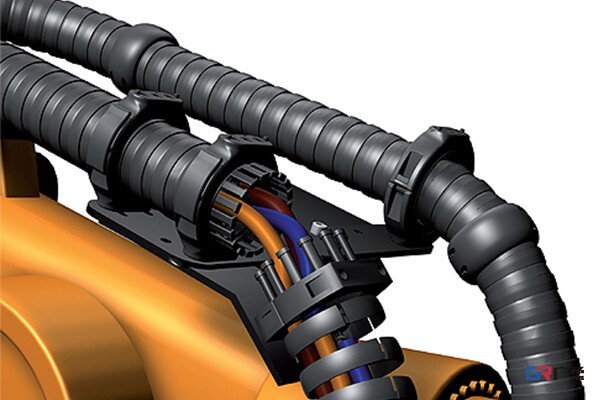
Dresspacks for industrial robots offer essential support for cable management and protection, markedly improving operational performance in automated systems. One key benefit is reducing wear on cables and hoses, which prolongs their lifespan and minimizes the risk of costly breakdowns. This protective layer lets systems run smoothly in demanding environments, ensuring uninterrupted production flow. Also, these dresspacks facilitate easier maintenance by organizing cables neatly, making troubleshooting more efficient. Operators can quickly identify issues without sifting through tangled lines. Moreover, the design of dresspacks for industrial robots reduces bending and torsional stresses on connected components, improving overall system reliability. Their use across diverse sectors, such as manufacturing, automation, and logistics, shows their adaptability to various applications, thus promoting seamless integration and improving workflow efficiency across different industries.
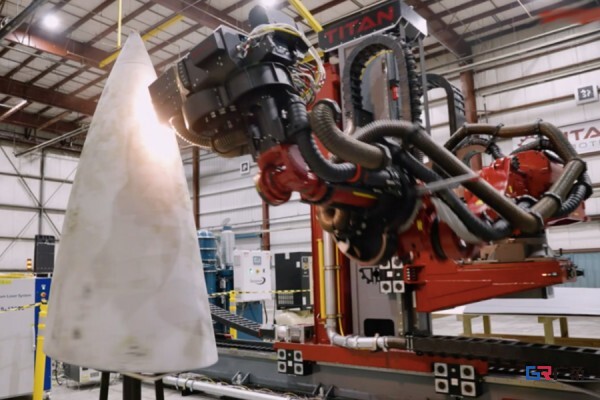
How dresspack solutions boost efficiency
Dresspack solutions for industrial robots play a key role in boosting operational efficiency by keeping cables and hoses organized and protected as the robot moves. Efficient cable management reduces the risk of tangling and friction, which can cause wear on components. This organization enables robotic systems to run with minimal interruptions, significantly increasing productivity across manufacturing processes. Also, using dresspacks minimizes maintenance time, as they help avoid common failures that can arise from unprotected cables. When robots run continuously without frequent downtime, the overall throughput of manufacturing operations improves. Effective dresspack designs also incorporate flexibility, enabling robots to perform complex tasks without restriction while maximizing their range of motion. In short, implementing high-quality dresspack solutions is crucial for optimizing the efficiency of industrial robotics.
Understanding cable protection in robotics
Cable protection in robotics is essential for ensuring longevity and efficient operation of complex systems. Dresspacks are designed specifically to shield cables and hoses from environmental factors such as abrasion, extreme temperatures, and mechanical stresses. By effectively managing these sensitive components, dresspacks help prevent wear and tear that can lead to failures. They also route cables in a way that minimizes bending and torsion during the robot’s movement, further reducing the risk of damage. When selecting a dresspack, it’s important to consider factors such as the robot’s operational environment and specific application requirements. A well-designed dresspack not only enhances reliability but also supports the overall safety of robotic operations by keeping cables organized and out of harm’s way. This careful integration of cable protection ensures that robotic systems can maintain peak performance over extended lifecycles.
Reducing maintenance with Effective Dresspacks
Effective dresspacks are key for reducing maintenance in robotic systems. By securing and organizing cables and hoses, these systems mitigate wear and tear, significantly extending the lifespan of critical components. When cables are properly managed, there is less risk of tangling or damage, which often leads to costly repairs or replacements. Also, dresspacks that include features like wear rings and anti-collision mechanisms provide added protection against impact damage. This proactive approach not only reduces maintenance frequency but also enhances the overall reliability of robotic operations. Mitigated wear translates directly into reduced downtime, allowing for smoother production flows in manufacturing environments. Consequently, organizations can allocate resources more effectively, as less time is spent on troubleshooting and repairs. Embracing effective dresspacks promotes a culture of preventive maintenance rather than reactive fixes, fundamentally improving operational efficiency across various sectors.
Applications of Dresspacks in Manufacturing
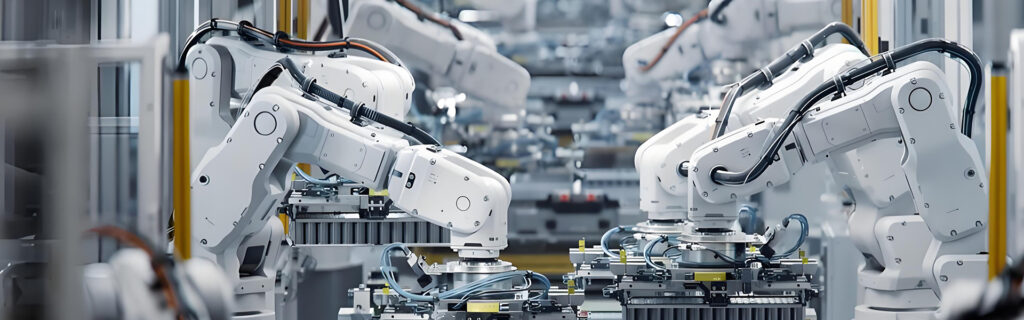
Dresspacks play a key role across various manufacturing sectors, ensuring safe and efficient operation of industrial robots. In automotive production, for example, these systems handle extensive cable runs while protecting sensitive electrical and pneumatic connections during assembly. In food and beverage manufacturing, dresspacks safeguard hoses that carry liquids and gases, preserving hygiene standards and preventing contamination. Their use spans machinery automation, where they support multi-axis robots on packaging lines, streamlining operations. Also, dresspacks are vital in electronic assembly plants, providing cable management for robotic arms responsible for precise placements of components. The versatility of dresspacks for industrial robots extends to sectors like pharmaceuticals, where they facilitate handling delicate materials with precision and care. Each application highlights the need for well-designed dresspack solutions that improve operational efficiency while minimizing wear on cables and hoses under dynamic conditions.
Design features of dresspacks for industrial robots
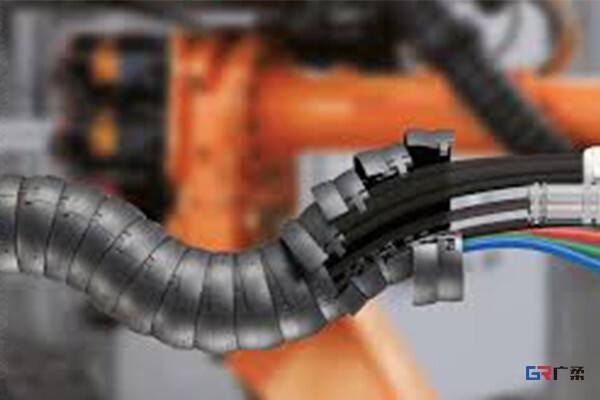
Dresspacks for industrial robots include several design features that boost their functionality and reliability. They often incorporate bellows that offer flexibility while reducing strain on cables and hoses. They also use mounting brackets designed for easy integration with robotic arms, promoting efficient installation and maintenance. Wear rings protect critical components from impact damage, prolonging their lifespan and reducing downtime.
Advanced guidance systems, like positioning rings and telescoping sleeves, ensure cables stay aligned, enabling smooth movement during operation. Also, features such as anti-collision rings prevent interference between the robot’s movement and its attached elements, enhancing safety during automated tasks. A focus on compression resistance helps dresspacks maintain integrity under high-stress conditions, ensuring reliable performance in tough environments. Overall, these carefully considered design elements are crucial for ensuring the effective operation of robotic systems across different industrial sectors.
Enhancing reliability with advanced dresspack solutions
Advanced dresspack solutions play a key role in bolstering the reliability of industrial robotics. These solutions use robust materials and innovative designs to better withstand the demanding environments where robots operate. A well-designed dresspack not only manages cable routing but also minimizes wear and tear on cables and hoses, thereby reducing the risk of mechanical failure. By incorporating features like flexible guidance systems, wear protection rings, and effective fastening mechanisms, advanced dresspacks ensure that cables are secured and able to move freely with the robot’s motion. This enhanced protection leads to fewer interruptions in operations, as it decreases downtime caused by cable-related issues. Moreover, efficient cable management promotes better airflow and reduces heat buildup, directly impacting the overall performance of robotic systems. As automation technologies evolve, the integration of advanced dresspack solutions becomes increasingly essential for maintaining high levels of reliability and efficiency in manufacturing processes.
Conclusion
Dresspacks for industrial robots are integral to the functionality and longevity of robotic systems across various sectors. They significantly reduce the risk of damage to cables and hoses while boosting operational efficiency. By offering organized pathways, dresspacks facilitate smoother movements and minimize maintenance needs, ultimately boosting productivity. Their essential role in protecting cables prevents costly downtimes and ensures reliable operation in demanding environments. As manufacturing processes grow more complex, the importance of selecting advanced dresspack solutions cannot be overstated. Organizations should consider specific requirements when choosing dresspacks to ensure compatibility with their robotic systems and optimize performance. Advances in design features within dresspacks continue to drive improvements in reliability, safety, and efficiency in industrial robotics, making them a crucial component for future innovations in automation technology.
FAQs
What is a robot dresspack for industrial use?
A robot dresspack for industrial robots is a system that manages and protects the cables and hoses of a robotic arm to ensure optimal functionality and reliability.
Why are dresspacks important in robotics?
Dresspacks matter in robotics because they organize cables, shield against wear and tear, and reduce the risk of mechanical failures, thereby improving the operational efficiency of robots.
How do dresspacks improve maintenance?
Dresspacks support maintenance by securely organizing cables, making inspections and troubleshooting easier, which reduces downtime and repair costs.
What features should I consider when choosing a dresspack?
When choosing a dresspack, consider flexibility, material durability, wear-protection features, and compatibility with your specific robotic application.
In what industries are dresspacks commonly used?
Dresspacks are commonly used in sectors such as automotive manufacturing, food and beverage production, electronics assembly, and pharmaceuticals due to their versatility in cable management.
How do advanced designs boost the reliability of dresspacks?
Advanced designs boost reliability by incorporating features like wear rings and flexible guidance systems that protect cables from damage while enabling smooth movement during robot operation.
Can dresspacks handle extreme environments?
Yes, many dresspacks for industrial robots are designed to withstand extreme environments by using robust materials that guard against factors like abrasion and temperature variations.
What maintenance practices are recommended for dresspacks?
Regular inspections should be conducted for signs of wear or damage; ensure cables are properly organized within the dresspack to maintain efficient operation.
How does proper cable management affect robot performance?
Proper cable management prevents tangling and friction between lines, which reduces wear on components and allows robots to operate efficiently with fewer interruptions.