main Takeaways
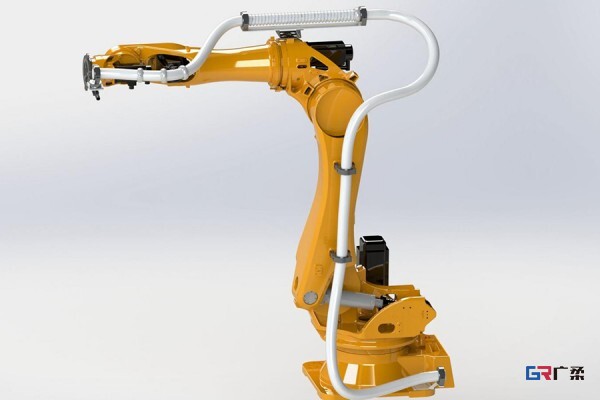
Durable robot dresspacks are essential components in industrial automation, ensuring that cables and hoses remain protected during operations. Their strength and design directly influence the overall performance of robotic systems. Proper selection and customization of dresspacks can lead to significant improvements in efficiency, as tailored solutions address unique operational demands while minimizing cable wear and potential damage. Regular inspections are vital, as they help identify wear early, averting costly downtime. The ability of dresspacks to withstand extreme environmental conditions enhances the reliability of robotic applications across diverse sectors such as automotive, rail transport, and shipbuilding. Effective integration of advanced materials and design features stabilizes robot performance, making the careful engineering of robot dresspacks a important step in maintaining smooth and efficient automated workflows. Furthermore, understanding the relationship between operational environments and dresspack features ensures that engineers can refine these systems to meet specific challenges head-on, cementing their role as indispensable assets within modern industrial practices.
Durability of Robot Dresspacks
Robot dresspacks must withstand constant movement, bending, and stress over extended periods without compromising cable integrity. Their durability depends largely on the robust materials used, such as high-grade polymers for bellows and wear-resistant coatings that shield against abrasion and impacts. The design also integrates components like wear rings and anti-collision elements that absorb shocks during rapid robotic motions. Because dresspacks endure millions of cycles, even minor weaknesses lead to failure under repetitive strain, causing costly downtime. Engineers focus on selecting materials and structural designs that maintain flexibility while resisting deformation and fatigue. Properly engineered dresspacks resist harsh industrial environments including exposure to chemicals, temperature fluctuations, dust, and mechanical stresses. This balance between toughness and pliability prolongs the service life of internal cables and hoses, reducing replacement frequency. In robotic applications where continuous motion is critical, durability in dresspacks directly impacts overall system reliability and operational efficiency.
Consider regular inspection schedules as even the most durable dresspacks benefit from early detection of wear before failure occurs.
Maximizing cable protection in Robotics
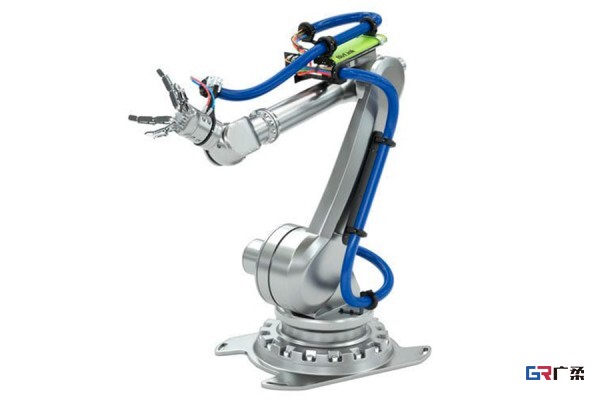
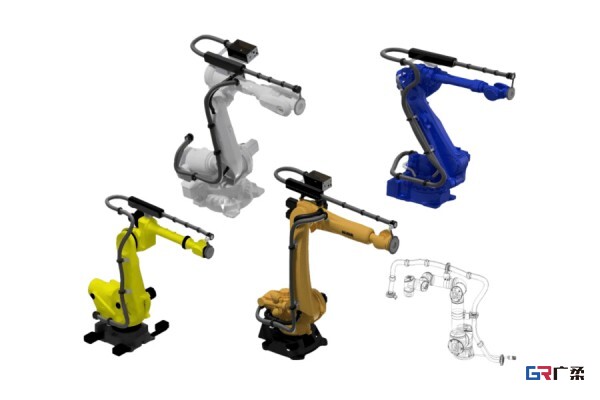
To maximize cable protection in robotics, robust design and high quality materials are essential. Effective dresspacks employ features like reinforced bellows and specialized wear rings to combat the wear associated with dynamic movement. These components ensure that cables and hoses remain insulated from abrasions caused by mechanical interaction. furthermore, proper routing of cables within dresspacks prevents tangling and stress points that can lead to premature failure. Employing anti-collision rings further enhances protection by minimizing the impact damage when equipment operates in tight spaces or under extreme conditions. Choosing the right materials such as thermoplastics or elastomers can also contribute to durability, resisting degradation from environmental factors like UV light, chemicals, and temperature variations. Regular assessments of these systems play a vital role in identifying potential weaknesses before they cause unexpected downtime. By integrating these strategies into dresspack design, industries can achieve optimal performance from their robotic applications while extending the lifespan of critical components.
Importance of Custom Solutions in Dresspacks
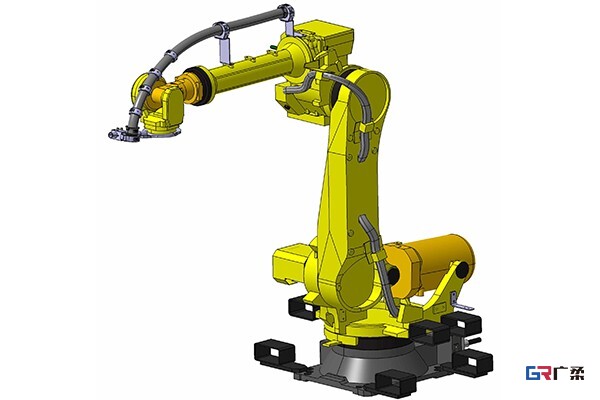
Custom solutions in dresspacks are essential for optimizing performance in robotic applications. Standard designs may not meet the specific requirements of every operational scenario, leading to inefficiencies and potential failures. By tailoring dresspacks to the unique demands of each robot and its environment, users can ensure enhanced durability and protection for essential cables and hoses. This customization involves considering factors like load conditions, movement dynamics, and exposure to environmental elements. Collaborating with engineers allows for precise adjustments, such as modifying the shape or materials used, which can significantly affect the dresspack’s lifespan and functionality. The right customization not only boosts resilience but also allows for seamless integration into existing systems, thereby enhancing overall robotic efficiency in demanding industrial settings.
Reducing downtime in Industrial Automation
Minimizing downtime in industrial automation hinges on the reliability of robot dresspacks. These systems not only safeguard cables and hoses but also ensure uninterrupted operation within robotics. As over 85% of robotic downtime stems from failures in cable management solutions, effective dresspack design becomes imperative. Implementing custom solutions allows for precise alignment with specific robotic applications, addressing unique operational challenges. This tailored approach reduces the risk of damage and the subsequent need for repairs, thereby enhancing overall productivity. Furthermore, advancements such as spring return systems improve motion fluidity between robot axes, directly contributing to efficient workflows. Regular maintenance and strategic component selection within the dresspacks further mitigate potential failures. By integrating robust dresspacks specifically engineered for various industrial environments, businesses can significantly decrease unplanned interruptions, ensuring smoother operations and maximizing throughput in automated systems.
Adapting dresspacks to Operational Environments
Robot dresspacks must be tailored to meet specific operational environments in industrial automation. Different settings, such as extreme temperatures, contaminants, or high humidity levels, impact the materials and designs chosen for effective cable protection. For instance, in environments with high exposure to chemicals, selecting resistant materials becomes essential to prevent degradation and maintain integrity. Similarly, when operating in areas with tight spaces or challenging angles, the design must optimize flexibility without sacrificing protection. This adaptability ensures that dresspacks can withstand various movements and loads encountered during operations. Engineers work closely with clients to assess their needs and recommend modifications that support the unique characteristics of their environment, ultimately enhancing reliability and performance. By addressing these critical factors during the design phase, dresspacks contribute significantly to the longevity of robotic systems across diverse industrial applications.
main Components of Robot Dresspacks
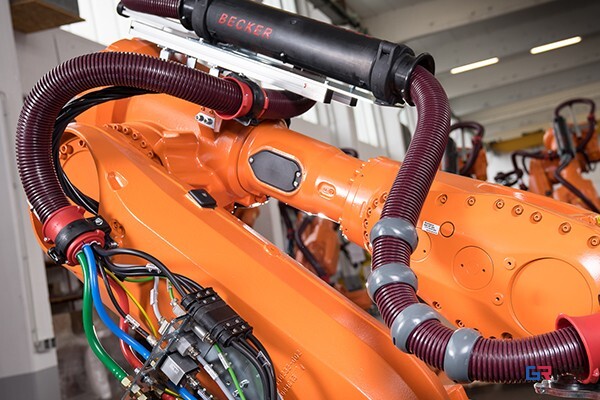
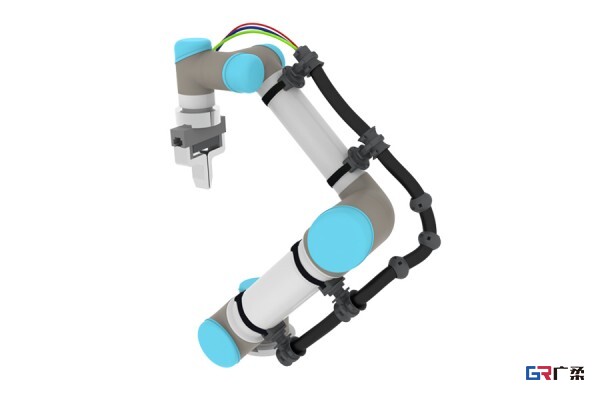
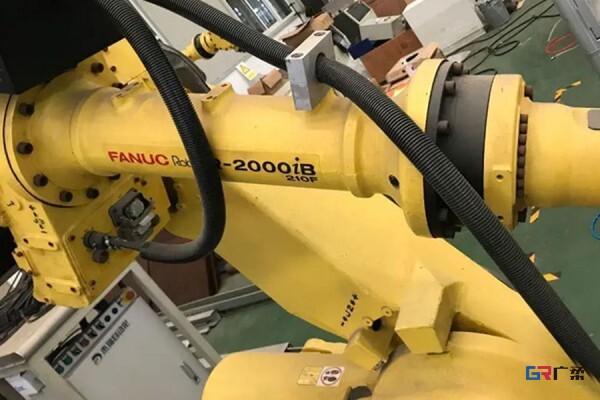
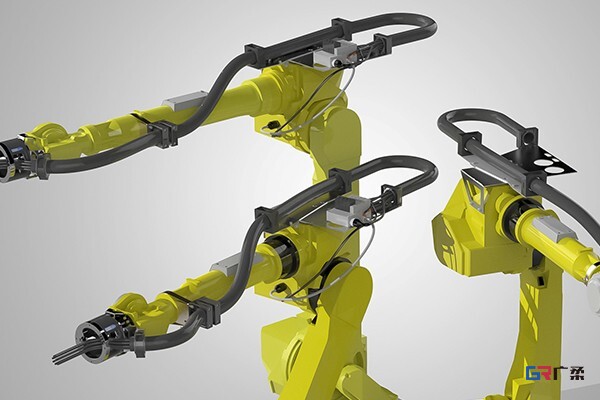
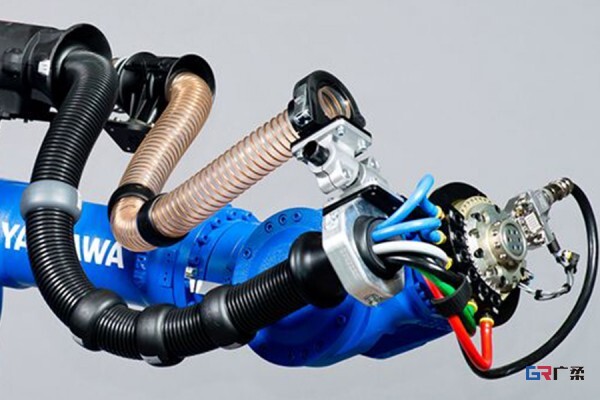
Robot dresspacks consist of several critical components designed to ensure effective cable management and protection in robotic applications. Specialized hoses form the backbone of the dresspack, providing flexibility while accommodating necessary movement without compromising the integrity of the internal cabling. End fixing clips secure cables in place, helping to prevent wear and tear that can arise from constant motion. Anti-collision rings are vital for minimizing contact between moving parts, which further protects cables from potential damage during operation. Telescopic units offer enhanced adaptability, allowing movement across various axes while maintaining structure. also, wear rings provide an extra layer of impact protection, ensuring that cables remain intact under high-stress conditions. Fastening systems play a main role in securing cables within the dresspack and preventing shifting or loosening during operation. These components work together seamlessly to not only provide robust protection but also to improve the overall performance and longevity of robotic systems across diverse industrial environments.
Enhancing efficiency with Dresspack Designs
Robot dresspacks play a vital role in the efficiency of robotic systems by providing streamlined cable management that minimizes tangling and wear during operation. The original designs allow for smooth motion of robotic arms, contributing to faster and more precise movements in automated processes. By integrating advanced features such as wear rings and anti-collision elements, dresspacks not only protect cables from mechanical damage but also support optimal routing, leading to fewer interruptions. Furthermore, incorporating telescopic units enhances operational flexibility, accommodating the dynamic range of robot movements without compromising integrity. This thoughtful engineering ensures that energy and data transmission remain consistent, which is key for the overall productivity of industrial automation applications. Custom solutions from companies like HELUKABEL further refine these designs to meet specific operational needs, addressing various environmental factors and load conditions effectively. As a result, these advancements in dresspack technology support a robust performance scene within industries reliant on automation.
Applications across industrial sectors
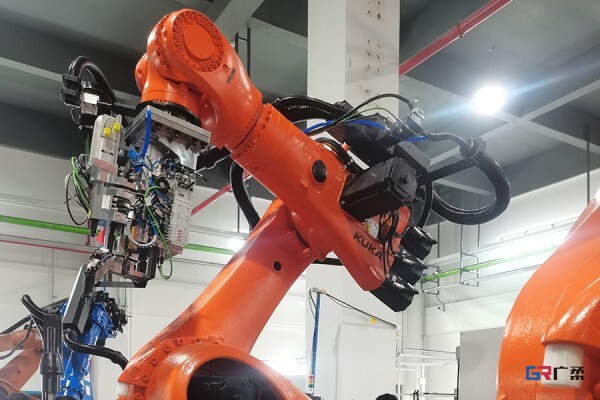
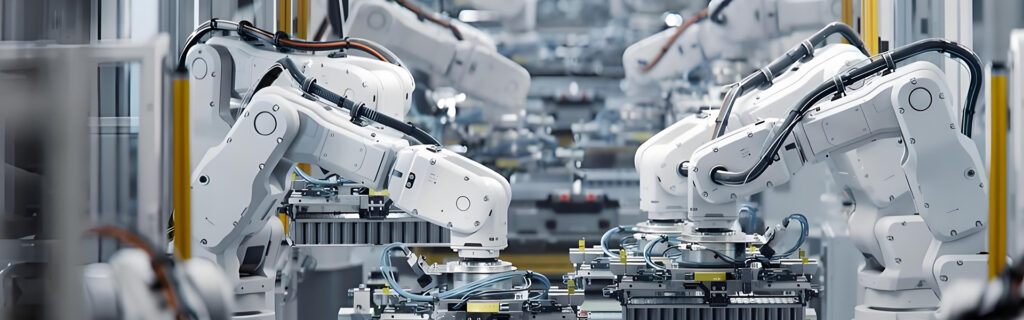
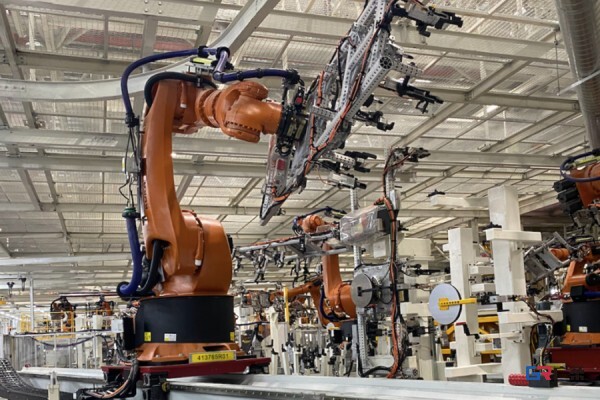
robot dresspacks find extensive use across various industrial sectors, effectively addressing the unique challenges presented by each environment. In industrial automation, they streamline operations by securing cables and hoses in dynamic settings, minimizing wear and potential damage. In the automotive industry, dresspacks are vital in robotic assembly lines where precision and reliability are important; they ensure smooth operation of EOATs while navigating tight spaces. The rail transportation sector benefits from dresspacks by protecting critical wiring in trains, enhancing safety and dependability during transit. Shipbuilding also relies on these systems to safeguard cables against harsh marine conditions, ensuring longevity despite exposure to saltwater and extreme weather. The chemical industry utilizes robot dresspacks to withstand exposure to corrosive substances while maintaining functionality in high-stakes environments. By adapting these systems to fit specific operational requirements, industries can improve efficiency and reliability, ultimately leading to better performance across their robotic applications.
Conclusion
the role of durable robot dresspacks in industrial automation cannot be overstated. These systems ensure effective cable management and protection, significantly enhancing the reliability of robotic operations across various sectors. By integrating custom solutions that account for specific environmental factors and operational dynamics, engineers can create dresspacks that not only withstand harsh conditions but also boost overall system efficiency. Regular maintenance and inspections further safeguard against unexpected failures, preserving the longevity of critical components. As industries increasingly rely on automation, the strategic selection of effective dresspacks will remain essential. Adaptability in design not only facilitates performance under diverse conditions but also reflects a proactive approach to minimizing downtime and maximizing productivity within industrial settings. Understanding the interaction between dresspack features and operational demands will ultimately drive advancements in robotics and automation solutions.
FAQs
What is a robot dresspack?
A robot dresspack is a protective covering designed to manage and safeguard cables and hoses in robotic applications, ensuring their integrity during movement.
How do I choose the right dresspack for my robot?
Select a dresspack based on factors such as the robot’s movement range, environmental conditions, and the specific cables or hoses being used.
What materials are used in durable robot dresspacks?
Durable dresspacks typically utilize high-grade polymers, thermoplastics, and elastomers that offer resistance to abrasions, chemicals, and temperature fluctuations.
How often should I inspect my robot dresspacks?
Regular inspections are recommended every few months or after heavy usage to identify wear early and prevent potential failures that could lead to downtime.
Can custom dresspacks improve robotic system performance?
Yes, custom dresspacks tailored to specific operational needs can improve durability, minimize downtime, and improve overall efficiency in robotic systems.