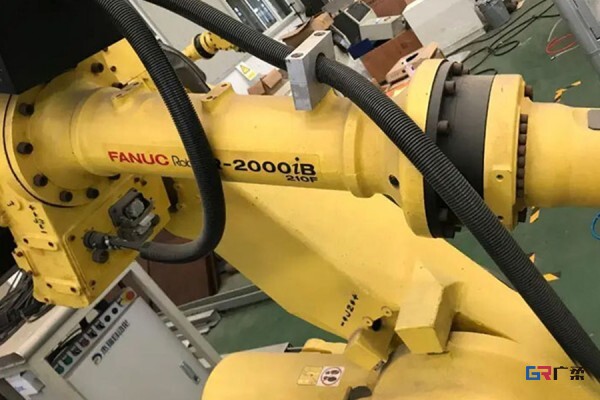
Key takeaways
Good cable management keeps industrial automation from turning into a pile of scraped hoses and frayed wires. A well-made dress pack keeps parts lined up, cuts down on rubbing, and saves maintenance crews from chasing avoidable damage. The real payoff is steadier motion and less time spent fixing problems that should never have started. Designs need to match the job, because a paint line, a chemical plant, and a loading cell all punish cables in different ways. Strain relief matters too; without it, repeated motion chews through reliability. Material choice and layout decide whether the setup lasts months or years. Get that wrong and the downtime bill shows up fast.
Main cable carriers
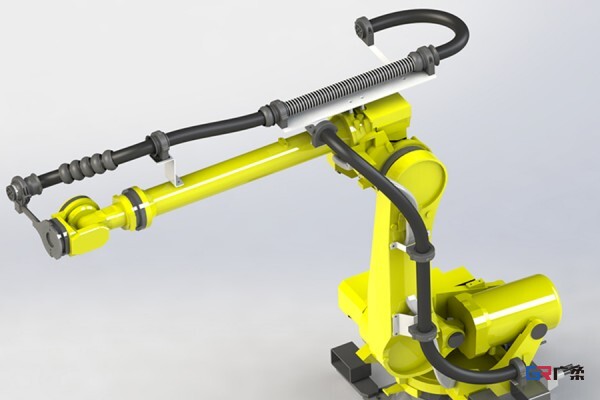
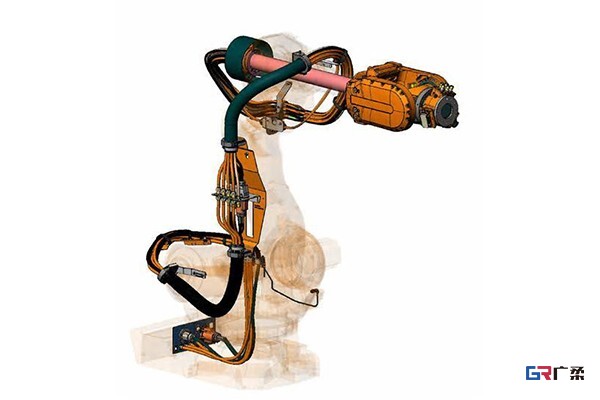
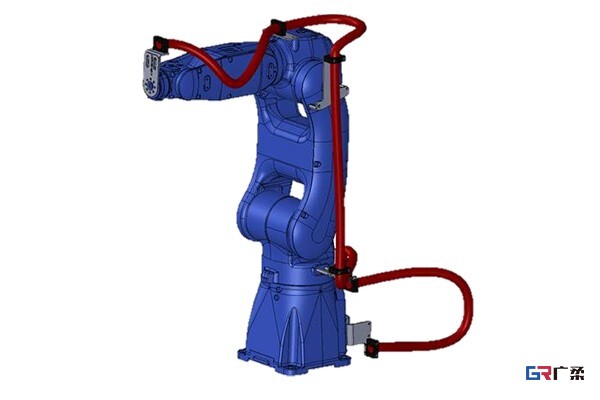
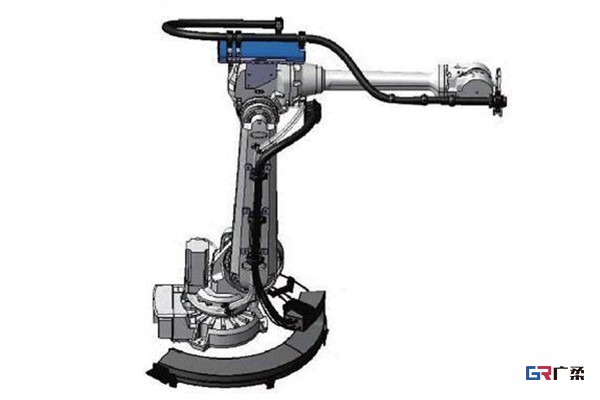
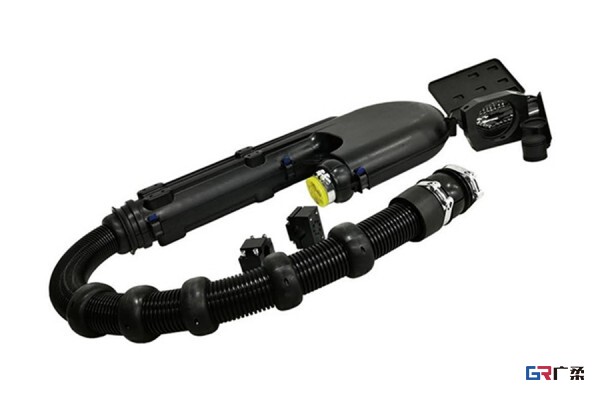
Cable carrier assemblies are one of the more practical upgrades in industrial automation. They keep wiring and hoses controlled, which means fewer snags, less rubbing, and fewer surprises during movement. The parts inside the assembly, including bellows and mounting brackets, are built to let the machine move cleanly without beating up the lines.
Table 1 lists common materials used in these assemblies and the properties people usually care about:
| Material | Property | Benefits |
|---|---|---|
| PVC | Flexible and tough | Good for everyday use |
| PUR | Resists abrasion | Better in rough settings |
| Stainless Steel | Rigid and durable | Adds structure and support |
"Picking the right material is where a lot of projects go sideways; what works on the bench can fail on a real line."
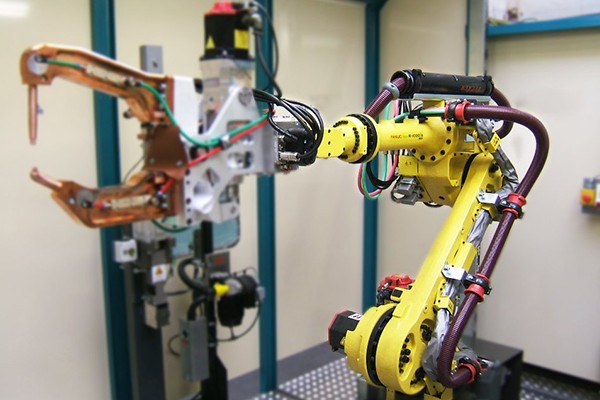
Custom layouts make these assemblies far more useful, because one size rarely fits a welding cell, a paint booth, and a lab setup. That matters in automotive plants and chemical processing lines, where the loads on cables are very different. As more factories move toward automation, these routing systems need to keep up or the maintenance headaches just come back.
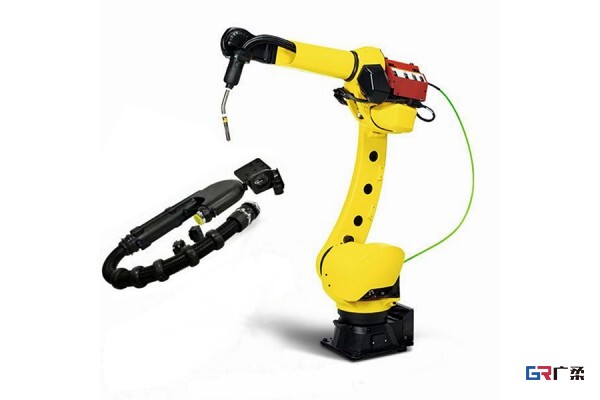
Making automation run better
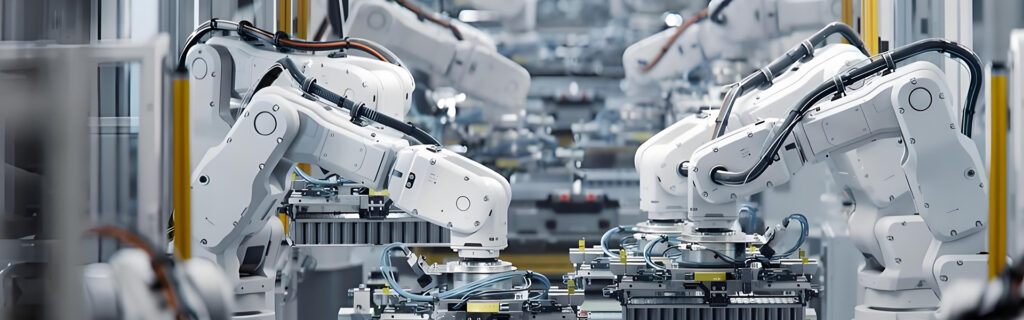
Cable carriers help keep automation systems steady when the work gets fast. By separating and protecting hoses and wiring, they cut the odds of tangles and surface damage. That matters during high-speed moves, where a little loose routing turns into a bigger repair later. Well-built assemblies also relieve strain, which keeps conductors alive through repeated cycles. In demanding production lines, one generic setup is usually a compromise nobody likes. A setup tuned to the machine’s motion path lasts longer and cuts downtime, which is the part managers care about at 3 AM. Better routing means fewer excuses for missed output.
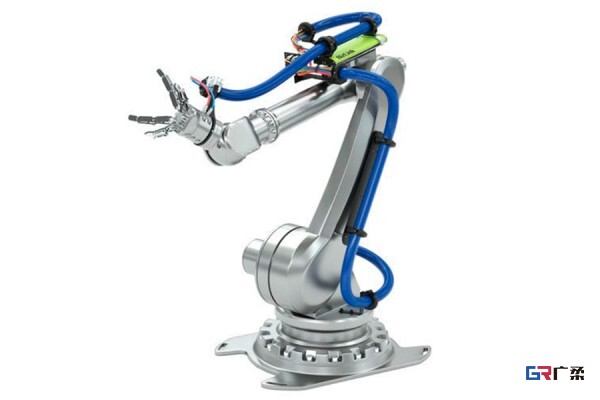
Cable management solutions
Good cable routing is the difference between a clean cell and a maintenance headache. These housings guide wiring through joints while leaving enough freedom for smooth movement. They also keep cables away from pinch points, so one bad swing does not turn into a repair bill. Special hoses and clips hold everything in place and take some of the stress off the lines.
The layout has to follow the path of the machine, not some ideal drawing on a whiteboard. That usually means strain relief, anti-collision rings, and a few awkward trade-offs. Automotive lines and logistics systems ask for different things, and a design that ignores that gets replaced fast.
Wear rings help too. They cut friction where parts rub, which is a small detail until it is not. Better routing and stronger support structures usually mean fewer failures and fewer angry calls to maintenance.
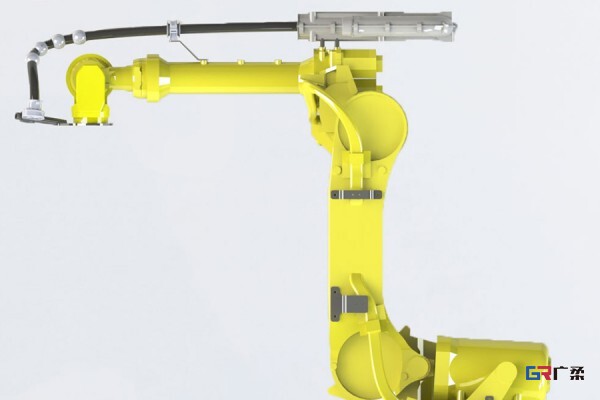
Tailored cable carrier designs
Custom cable carrier designs are built around the job in front of them. Every automation setup runs with its own cycle time, motion range, and mess of environmental conditions. A unit in an auto plant may need a tougher body to handle fast movement and floor debris. A cleanroom setup has a different problem: keeping particles out while still moving smoothly.
Engineers have to think about the cable type, how far the machine travels, and what the surrounding area will do to the hardware. Adjustable strain relief and flexible routing can help a lot. So can getting the dimensions right, because a sloppy fit turns installation into a nuisance.
When the design matches the application, the wiring lasts longer and the system spends less time sitting idle.
Reducing system failures
The way a carrier is built has a direct effect on how dependable the machine is. Less mechanical stress on the moving parts means fewer failures and fewer shutdowns. Custom assemblies are shaped for the actual motion path, so hoses and wiring are not forced to fight the design. Strain relief and solid connectors help keep everything connected when the line shakes, shifts, and runs hard.
Testing matters too. If a design does not survive repeated cycles in the lab, it should not be sent into production. Good test work catches weak points before they become downtime. That usually saves money later, even if the upfront effort is annoying.
Improving machine performance
Good cable carriers keep hoses, wiring, and harnesses secure without getting in the way. That stability cuts friction and bending damage, which are the usual reasons parts fail early. A design shaped around the motion pattern of the machine lets it move without fighting its own accessories. On repetitive lines, that smoother motion matters more than most people admit.
Flexible routing helps the assembly last longer while keeping output steady. In factories that keep adding automation, the hardware has to stay simple enough to maintain and tough enough to survive. A decent design does both, though never perfectly.
Reducing wear in automation
Wear slows systems down and gets expensive fast. Cable carriers help by holding hoses and wiring in a stable path so they are not constantly twisting or scraping. Some include wear rings and strain relief pieces that take abuse before the wires do. Checking the assembly on a schedule also catches early damage before it spreads.
The right setup depends on the motion profile of the equipment. If the path is sharp, fast, or oddly shaped, the design has to match it. Tailored layouts cut wear over time and keep the line moving without endless stops for fixes. That matters in high-speed automation where small failures have a way of snowballing.
Versatile applications of cable carriers
These assemblies show up in automotive, aerospace, and general manufacturing. On assembly lines, they keep hoses and wiring tidy so machines can move without snagging. In aerospace, where tolerances are tight and the parts are expensive, that extra control matters a lot. In repetitive production work, the payoff is steadier operation and fewer maintenance calls. They are useful in warehouse systems too, where handling and packaging need to keep moving.
Food processing brings another set of demands, mainly hygiene and clean routing. Cable carriers handle that as long as the materials and layout are chosen with care. The range of uses is wide, and that is the point: the same basic idea gets adapted in different ways because the work is different.
Conclusion
Cable carriers are a quiet part of industrial automation, but they affect reliability and output more than most people notice. When hoses and wiring are kept in line, there is less wear, smoother motion, and less maintenance scrambling. Custom designs fit the motion and the environment instead of forcing the hardware to cope. That pays off in fewer shutdowns and longer part life. None of this is glamorous, and that is fine. Good engineering is usually boring until it breaks.
FAQs
What do cable carriers do in industrial automation?
A dress pack is the protected routing assembly that keeps hoses and cables organized, so motion stays smooth and nothing gets dragged across moving parts.
How do they improve robot performance?
They keep hoses and wiring organized, which lowers friction, reduces snags, and keeps robot motion steadier.
What materials are common in their construction?
PVC is used for flexible everyday setups, PUR holds up better against abrasion, and stainless steel adds stiffness and support.
Why does customization matter?
Different applications push hardware in different ways, so the layout, size, and strain relief need to match the motion and the environment.
How do they cut system failures?
By limiting mechanical stress and using features like strain relief and solid connectors, they keep the moving parts from wearing out so fast.
Which industries use them?
Automotive, aerospace, manufacturing, warehouse automation, and food processing all rely on them for cleaner routing and fewer stoppages.
How does wear affect automation systems?
Wear slows movement, raises repair costs, and can stop a line without much warning. A good setup reduces that risk.
What does cable management do in this field?
It keeps hoses and wiring away from pinch points and sharp bends, which helps the machine run with fewer interruptions.
How can a team choose the right setup?
Look at the motion pattern, the environment, and the cable types first. If those do not match the design, the wrong choice shows up fast.