important Takeaways
Robot-specific hoses are integral to the functionality and efficiency of industrial robotic systems. Their unique design ensures flexibility, allowing robots to perform complex movements without obstruction. The choice of materials used in these hoses provides both durability and resistance to harsh operational environments, which is critical for minimizing breakdowns and extending service life. Engineers should focus on the compatibility of hoses with various fluid types to boost system performance and prevent operational failures. Proper hose selection impacts overall robotic efficiency by optimizing fluid transmission, thereby supporting rapid and reliable operations across a range of applications. Regular maintenance checks are essential to ensure continued performance, safeguarding against unexpected downtimes. By prioritizing the right hose solutions, engineers can significantly bolster the reliability and longevity of robotic systems in fast-paced industrial settings.
The importance of Robot Hoses in Automation
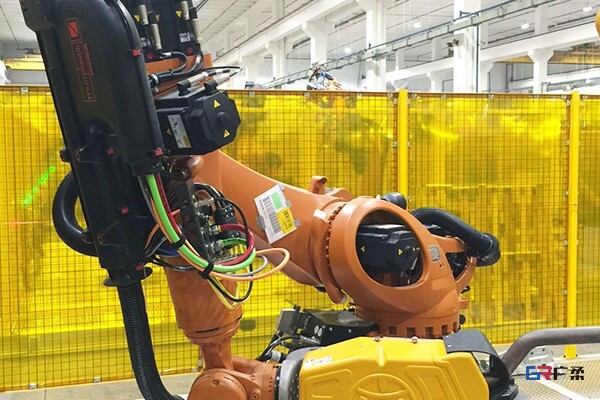
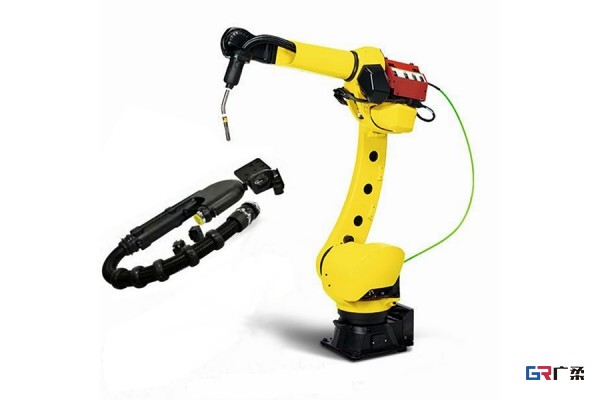
Robot-specific hoses play a vital role in the success of industrial automation systems. These hoses are engineered to meet the unique requirements of robotic applications, ensuring reliable connections between various components. Their design prioritizes flexibility, which allows robots to move freely without interference from the hoses. Efficient fluid transmission is essential for applications requiring power and control, as it directly affects the overall performance of robotic systems. Moreover, the compatibility of robot hoses with a range of media, including air and liquid, enhances their utility in diverse environments. By utilizing appropriate robot hoses, industries can minimize the risk of leaks or failures, which can lead to downtime and increased operational costs. The necessity for durable materials in hose construction is paramount; high-quality hoses withstand wear and tear over time, contributing to longer service life and reduced maintenance needs. In summary, selecting the right hoses is critical for achieving optimal functionality within automated processes.
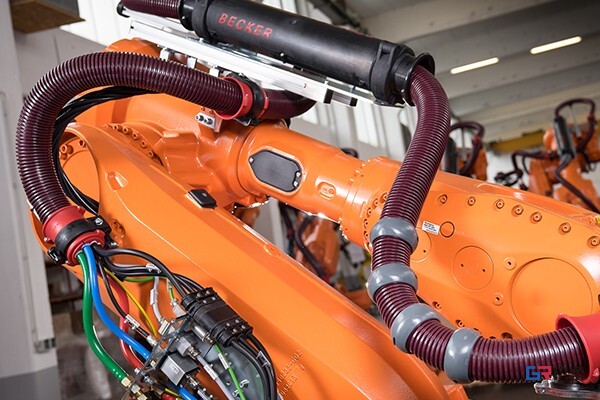
important Features of Robot Specific Hoses
Robot specific hoses are engineered to meet the unique demands of robotic systems. Their construction often includes materials resistant to wear, chemicals, and extreme temperatures, ensuring they can withstand the rigors of industrial environments. Flexibility is a significant characteristic, allowing for unhindered movement while accommodating various bending radii without compromising functionality. These hoses often feature lightweight designs, which contribute to improved efficiency in robotic applications by reducing the overall load on the robotic arms.
Another important feature is the compatibility with different media types. These hoses can effectively handle liquids, gases, and even abrasives, making them versatile for multiple applications in automation. Enhanced sealing mechanisms further minimize the risk of leaks and ensure reliable fluid transmission. Furthermore, many robot specific hoses come with built-in protective layers or coatings that shield them from physical damage due to abrasion or environmental factors.
"Selecting a hose designed specifically for robotics is essential for maximizing overall system performance." By understanding these features, engineers can make informed decisions when integrating hoses into robotic systems.
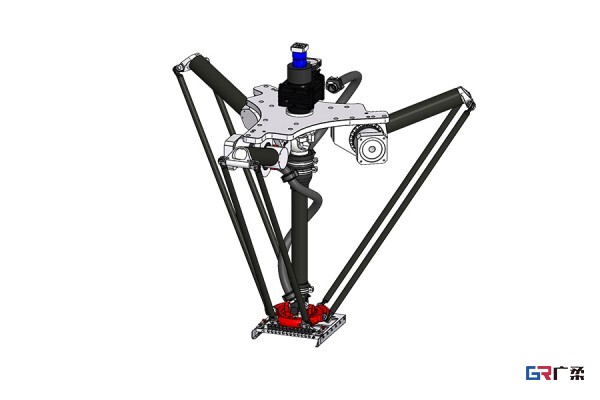
Durability and Flexibility in Robotic Systems
Robot specific hoses play an essential role in sustaining the flexibility and durability of robotic systems. These hoses are crafted from materials that can withstand harsh conditions while maintaining their structural integrity. This resilience is important to continuing the repetitive movements and demanding environments that robots often encounter. The design of these hoses allows for a range of motion, accommodating the dynamic nature of robotic applications. This flexibility aids in reducing strain on connected components, ultimately contributing to longer lifespans for both the hoses and the robots themselves.
Moreover, the material composition of these hoses typically includes synthetic compounds or rubber blends that resist abrasions, kinks, and environmental hazards. Such features enable robots to operate smoothly in various industries, from automotive manufacturing to pharmaceuticals. Flexibility also permits easy routing around obstacles, reducing installation challenges. By selecting hoses that combine durability with flexibility, engineers can ensure that robotic systems remain efficient and reliable under operational stress, minimizing potential downtime caused by hose failure or maintenance requirements.
Fluid transmission efficiency in Robotics
Robot-specific hoses play a main role in ensuring efficient fluid transmission within robotic systems. These hoses are engineered to handle various media, such as hydraulic fluids, air, and coolants, which are essential for the operation of robotic arms and automated machinery. The design of these hoses often incorporates materials that withstand high pressures and temperatures, ensuring they maintain performance under demanding conditions. Improved flow characteristics reduce friction losses and allow for seamless movement of fluid, enhancing the overall efficiency of the system. furthermore, the flexibility of these hoses supports dynamic applications where robotics operate in multiple axes or orientations. Proper hose routing minimizes sharp bends and kinks that could impede fluid movement, thus preventing potential failures or downtime. By optimizing fluid paths through thoughtful design, manufacturers can ensure that robotic operations remain swift and effective, promoting higher productivity levels in automated environments. The integration of robot-specific hoses contributes significantly to maintaining operational efficiency across various industrial applications.
Applications of Robot Specific Hoses
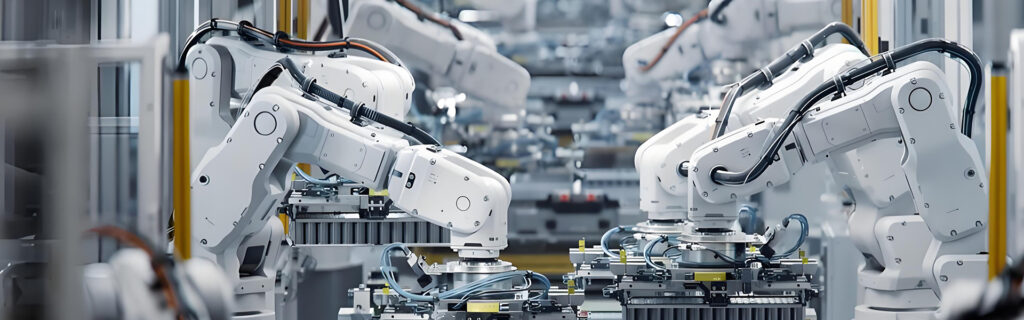
Robot-specific hoses serve a variety of essential roles across numerous industries, reflecting their versatility and importance in automation. In manufacturing environments, these hoses are integral to robotics used in assembly lines, where they facilitate the movement of fluids and gases to power pneumatic tools or coolant systems. In robotics designed for material handling, these hoses contribute to the efficient transfer of hydraulic fluids, ensuring optimal performance during operations. also, robot-specific hoses play a significant role in the medical field, where robotic surgical systems rely on precise fluid management for effective procedures. The food and beverage industry also benefits from these hoses, which meet hygiene standards while ensuring smooth operation in processing lines. Overall, the adaptability of robot-specific hoses enhances their application across diverse sectors, amplifying efficiency and reliability in robotic operations. Their key function underpins various automated tasks that require precise fluid control and performance stability in challenging environments.
Choosing the Right Hose for Robots
Selecting the appropriate hose for robotic applications requires careful consideration of several factors. First, assess the specific requirements of the robotic system, including the type of fluid being transmitted, operating pressures, and temperatures. Different hoses are designed for varied media; therefore, identifying the right material is essential for durability and performance. furthermore, consider the flexibility and bend radius of the hose, as these features impact its ability to move with the robot without risking kinks or damage.
Moreover, evaluate environmental factors that may affect hose performance, such as exposure to chemicals or extreme temperatures. Hoses with appropriate certifications for safety and quality standards will ensure compatibility with industry regulations. furthermore, it is important to consider length requirements and connection types to ensure a secure fit with existing systems. Proper installation practices should also be followed to guarantee optimal performance throughout the hose’s lifespan. By closely analyzing these elements, engineers will find a suitable hose that enhances the efficiency and reliability of robotic systems in industrial settings.
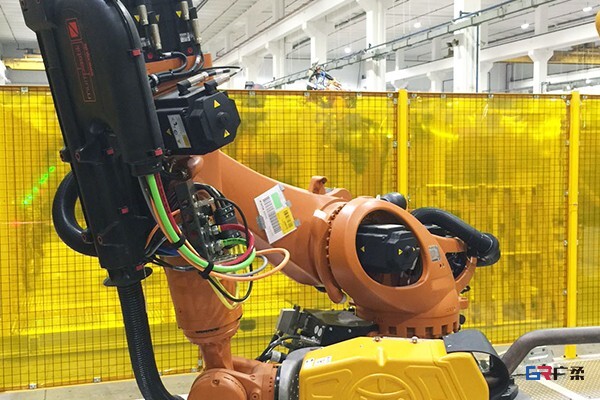
Impact of Hoses on Robotic Performance
Robot-specific hoses play a important role in enhancing the overall performance of robotic systems. These hoses ensure efficient fluid transmission, which is critical for maintaining proper operational fluidity and functionality. When quality hoses are employed, they allow for smooth movement of hydraulic fluids or gases, leading to improved responsiveness and reduced latency in robotic operations. furthermore, the flexibility of these hoses accommodates various movement patterns of robotics, allowing for detailed tasks without risking damage to the system.
The durability of the hoses contributes directly to reduced maintenance needs and fewer operational interruptions. When robots rely on reliable connections for power or data transfer, fewer failures occur, leading to less downtime. Furthermore, using appropriate hoses tailored to specific robotic applications helps in mitigating wear and tear on components by minimizing bending and torsion issues. Overall, investing in high quality robot-specific hoses is essential for maximizing performance and longevity in industrial automation environments.
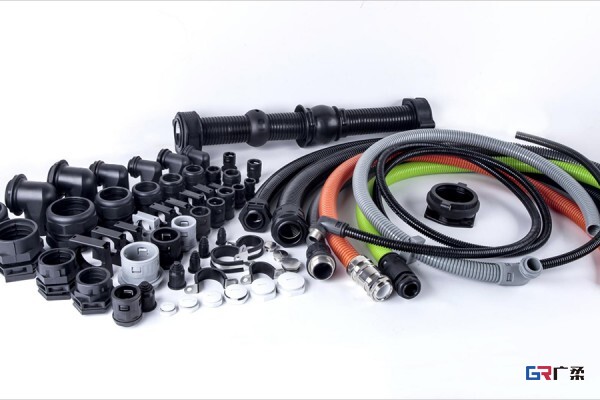
Maintenance tips for Robot Hoses
Proper maintenance of robot-specific hoses is essential for ensuring their longevity and performance. Regular inspections should be conducted to identify signs of wear, such as cracks, abrasions, or kinks. Any damage found should prompt immediate replacement to prevent potential system failures. Lubricating the fittings and checking for secure attachments can further boost the efficiency of fluid transmission. It is also advisable to clean hoses periodically, as accumulated debris can hinder their functionality. Monitoring the working environment for extreme temperatures or corrosive substances is important, as these factors can significantly affect hose durability. Ensuring that the hoses are not subjected to unnecessary bending or twisting during operation will help maintain their structural integrity. also, consulting manufacturer guidelines for specific maintenance schedules and recommendations can provide helpful insights on extending the lifespan of robot hoses. Taking these steps together promotes optimal performance and minimizes unexpected downtimes in automated systems.
Conclusion
the relevance of robot-specific hoses in industrial automation cannot be overstated. These components ensure that robotic systems function smoothly and reliably under various operational conditions. They facilitate efficient fluid transmission, which is fundamental in maintaining performance and responsiveness in automated systems. Without these specialized hoses, the risk of leaks, pressure drops, and operational failures increases significantly. Engineers must prioritize selecting the right hoses that align with the unique requirements of each robotic application. Proper maintenance further extends the lifespan of these hoses, thereby enhancing overall system durability. As industries continue to adopt advanced automation technologies, understanding the critical role of robot-specific hoses will be vital for optimizing robotic performance and achieving a competitive edge in the market. The investment in quality hose solutions translates to long term operational efficiency, minimizing unexpected downtimes and supporting the seamless execution of automated processes across various sectors.
FAQs
What are robot-specific hoses?
Robot-specific hoses are specialized hoses designed to meet the unique demands of robotic applications, ensuring efficient fluid transmission and performance in various environments.
Why are durable materials important for robot hoses?
Durable materials prevent wear and tear, allowing robot hoses to function reliably over time and minimizing the need for frequent replacements.
How do flexible robot hoses benefit robotic systems?
Flexible hoses reduce strain on robotic components, accommodate a wide range of motion, and enable robots to navigate complex environments while maintaining performance.
What factors should be considered when selecting robot-specific hoses?
main factors include the type of fluid being transmitted, operating pressures, temperature ranges, flexibility, and compatibility with existing systems.
How often should maintenance be performed on robot hoses?
Regular inspections should be conducted routinely to check for wear or damage. Adhering to a maintenance schedule based on manufacturer recommendations ensures optimal hose performance.