important Takeaways
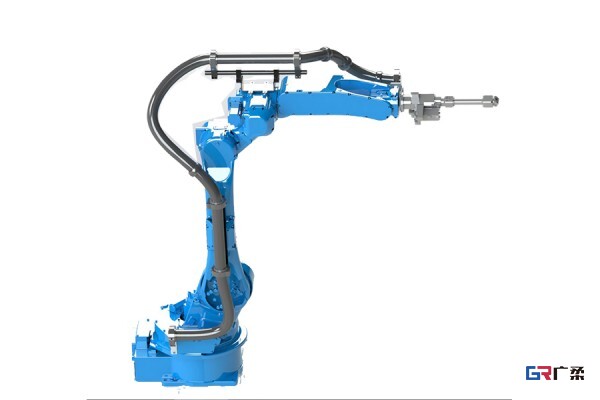
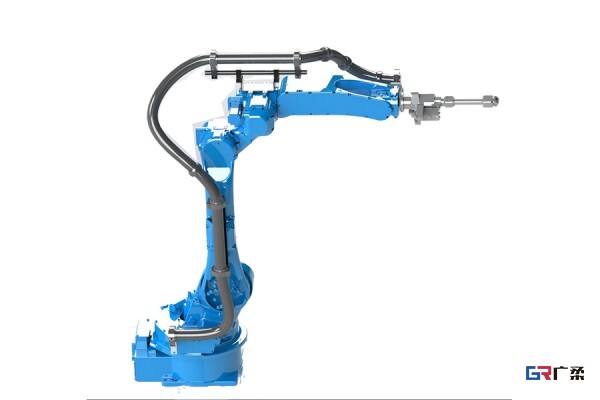
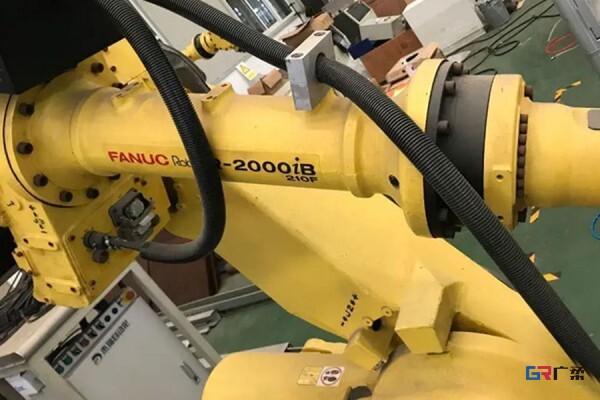
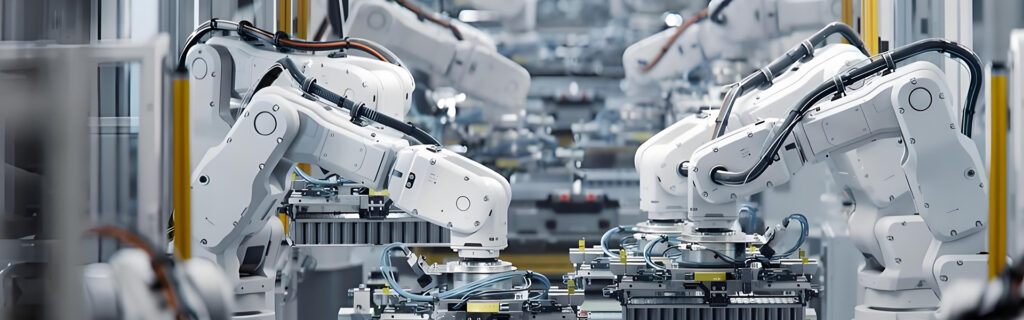
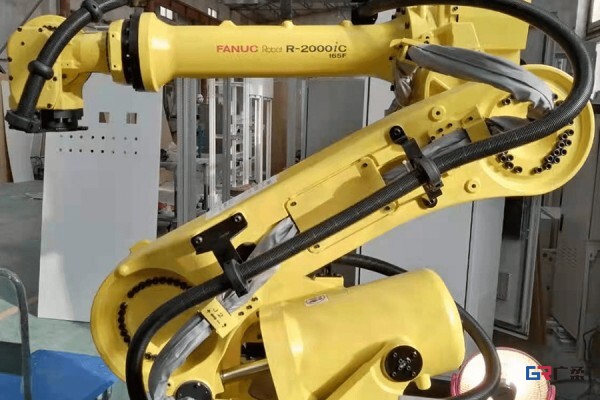
Robot specific hoses are essential in enhancing the performance and reliability of robotic systems. Constructed with advanced materials, these hoses deliver superior durability, last longer, and maintain efficiency under varying environmental conditions. Their design prioritizes flexibility, allowing them to maneuver through tight configurations without compromising fluid flow. Improved features like integrated sensors can monitor real time conditions, providing feedback that helps prevent operational disruptions. Selecting the right hose based on specific application needs significantly impacts overall productivity and reduces maintenance efforts. By choosing hoses designed for robotic operations, engineers can ensure seamless integration and optimal performance in increasingly automated environments.
Revolutionizing robot hoses
the development of robot specific hoses is transforming the way fluid dynamics are managed in automated environments. These hoses are engineered to withstand the rigors of industrial applications, ensuring consistent performance in high-demand situations. Manufacturers are incorporating advanced materials, which improve resistance to wear and abrasion, significantly prolonging service life. For instance, the use of thermoplastic elastomers allows for flexibility while maintaining strength, allowing hoses to bend without kinking.
Moreover, precision in fluid delivery is critical. Features such as tailored inner diameters and specialized ends optimize flow rates and minimize turbulence. Innovations like integrated sensors can monitor conditions within the hoses, providing real time feedback and early detection of potential issues. The combination of durability with flexibility means that these hoses can adapt to complex pathways inside robotic systems without compromising functionality.
Efforts to standardize these hoses across various sectors improve compatibility and simplify maintenance procedures. As industries increasingly rely on automation, investing in reliable hose technology ensures seamless operations while safeguarding the integrity of connected systems.
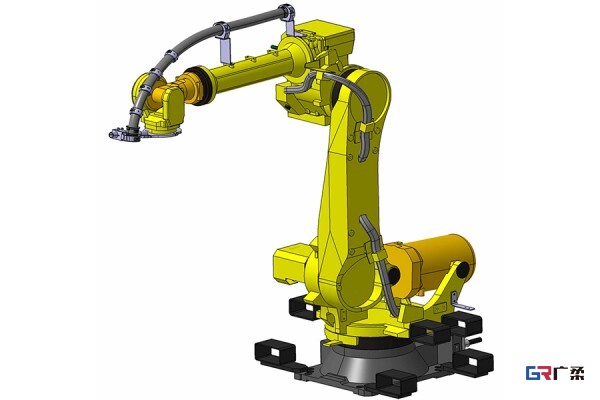
Innovations in Hose Durability
Robot-specific hoses are now engineered with advanced materials that provide exceptional resistance to wear and tear. These innovations not only extend their lifespan but also maintain reliability under high-pressure scenarios. For instance, thermoplastic elastomers and reinforced nylon are commonly used, as they can withstand harsh environments while preventing leaks.
"Selecting a hose with a high tensile strength and abrasion resistance can significantly lower maintenance costs."
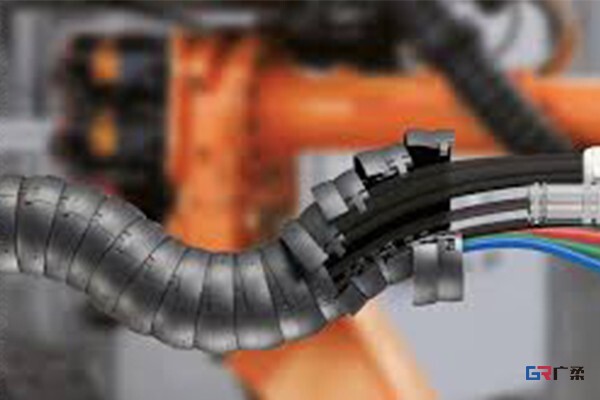
Incorporating flexible designs allows hoses to adapt to the dynamic movements of robots, reducing stress on the components during operation. Manufacturers are now integrating features like anti-kink technology and streamlined fittings that contribute to overall durability, ensuring that hoses perform optimally over extended cycles. This development is important for industries where equipment downtime can lead to productivity losses.
Regular testing standards have also evolved, focusing on real-world applications that assess performance under extreme conditions. Adapting hose design based on industry-specific needs leads to better outcomes and more robust operational capabilities in robotic applications.
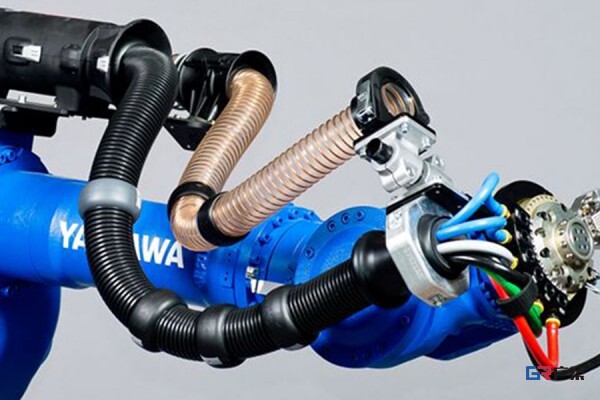
Flexible solutions for Robots
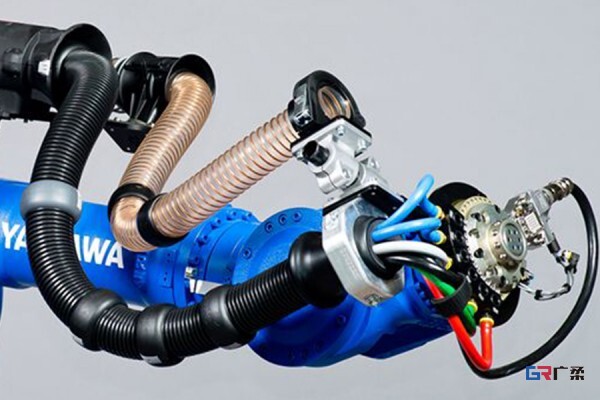
Flexible hoses play a main role in robotic applications, allowing for unimpeded movement and adaptability in confined spaces. These hoses are designed to withstand bending and twisting while maintaining their structural integrity, which is vital in dynamic environments. Made from advanced materials, they resist wear and tear from continual movement and exposure to various fluids. Moreover, the flexibility of these hoses enables easier installation and maintenance, reducing downtime during operational tasks. They can accommodate different fluid types while ensuring consistent flow rates, supporting robots in diverse sectors such as manufacturing and logistics. By integrating flexible hose solutions tailored to specific robotic functions, engineers can optimize performance and efficiency across operations that require precision and versatility.
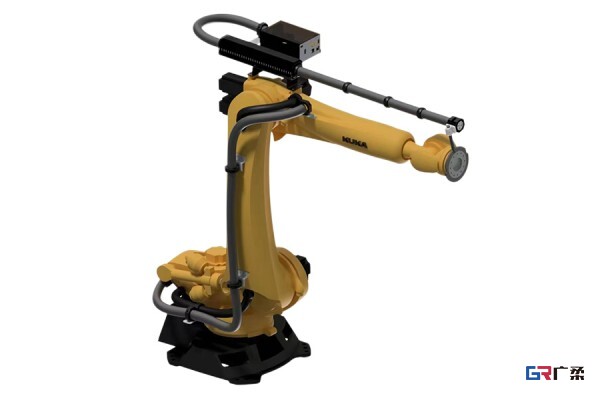
Optimizing fluid management
effective fluid management within robotic systems is integral to performance and reliability. Robot specific hoses play a vital role in controlling fluid delivery and maintaining consistent pressure throughout operations. By utilizing high quality materials designed to withstand varying temperatures and pressures, these hoses minimize the risk of leaks and failures. Multi-layer constructions can boost flexibility while ensuring structural integrity, allowing robots to navigate complex tasks seamlessly.
Moreover, incorporating real time monitoring technologies aids in assessing fluid flow rates and identifying potential blockages before they disrupt operation. This proactive approach leads to improved uptime and reduced maintenance costs. Proper routing of hoses is equally important; it minimizes friction and wear while accommodating the dynamic movements of robots in action. By prioritizing optimal fluid management solutions, facilities can ensure that their robotic systems operate at peak efficiency, effectively handling the demands of modern automation tasks.
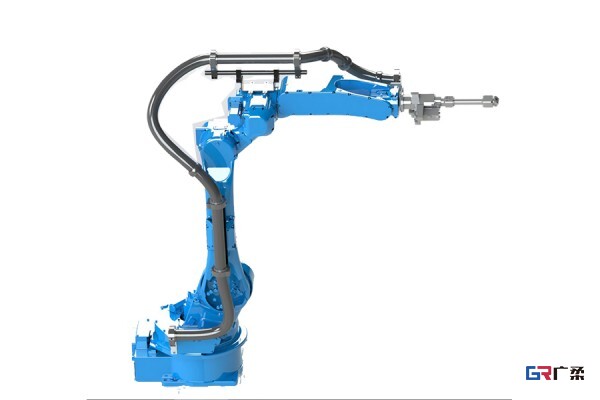
Reliable hoses for Automation
Reliable hoses play a vital role in automation, particularly in robotic applications where precision and consistency are essential. These hoses are engineered to withstand high pressures and a wide range of temperatures, ensuring they remain functional even in demanding conditions. The use of quality materials, such as reinforced polymers, enhances their durability, making them resistant to wear and tear. Moreover, the adaptability of these hoses allows for seamless integration with various robotic systems, catering to specific operational needs. Proper sealing mechanisms prevent leaks and ensure fluid integrity, which is important for systems dependent on constant fluid flow. The development of anti-kinking designs also aids in maintaining hose efficiency throughout extensive use cycles. As robots operate in dynamic environments, the reliability of hose materials leads to decreased maintenance costs and operational downtime. Prioritizing the selection of robust hoses can directly influence automation performance by maintaining consistent productivity levels across diverse applications.
Enhancing robot performance
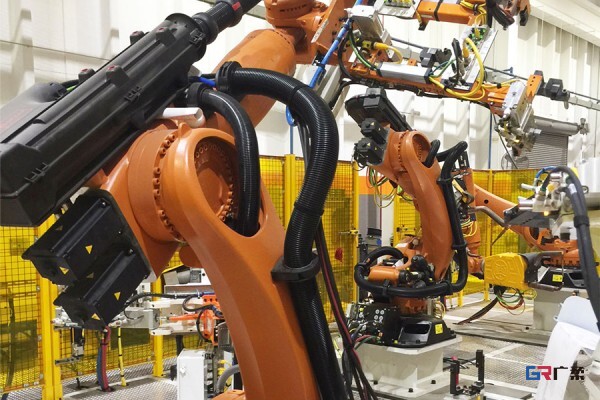
robot specific hoses play a main role in maximizing the operational capabilities of robotic systems. These hoses are engineered for high performance, ensuring fluid integrity even under extreme conditions. By providing exceptional durability, they resist wear and abrasion, which is vital for maintaining consistent performance over long operational cycles. Their flexibility allows robots to navigate complex environments without risking damage to internal systems, promoting uninterrupted workflows.
In dynamic settings where precision is paramount, these hoses facilitate effective fluid management, supporting various applications from hydraulic systems to cooling mechanisms. The right hose can significantly reduce maintenance needs and downtime, thus increasing overall productivity. Engineers recommend careful selection based on specific operational demands to fully leverage these advantages. Continuous innovation in hose technology translates into improved reliability and efficiency for robots, enabling them to perform essential tasks more effectively.
Dynamic environments, Strong Hoses
In dynamic settings, hoses must withstand various challenges, including extreme temperatures, high pressures, and abrasive materials. Robot specific hoses are engineered with materials that resist wear and tear while maintaining flexibility. These hoses often utilize advanced composites or reinforced rubber to boost durability. The need for continuous movement requires hoses that can bend and flex without compromising fluid flow. Proper selection is essential; factors like bend radius and operational temperature range play critical roles in performance.
Testing under conditions that simulate real-world applications reveals weaknesses in inferior products. Robust designs account for dynamic motion and repeated flexing. Moreover, secure connections are vital to prevent leaks in high-stakes environments. Customized solutions may be necessary to ensure compatibility with specific robotic systems. Partnerships between manufacturers and automation engineers foster the development of hoses that meet the rigorous demands of modern robotics while ensuring uninterrupted operational flow in various applications, from manufacturing lines to autonomous vehicles.
Cutting-Edge Hose Technologies
Recent advancements in hose technology focus on materials that ensure enhanced flexibility while withstanding high pressure and temperature fluctuations. Innovations such as thermoplastic elastomers and polyurethane composites have emerged, providing greater resistance against wear and chemicals. These materials allow hoses to maintain performance in dynamic environments typical in robotics. Furthermore, integrated sensor technologies monitor hose conditions in real time, alerting operators to any potential failures before they disrupt operations. Couplings and connectors have also been refined to prevent leaks and simplify installation. By utilizing these state-of-the-art features, manufacturers can create hoses that adapt to the complex movements of robots, ensuring operational reliability. The evolution of hose technology is important for meeting the demands of automation across various industries, where continued performance is essential for productivity.
Conclusion
the evolution of robot specific hoses represents a significant advancement in the operational efficiency of robotic systems. These hoses combine durability and flexibility to meet the demands of various industrial applications, ensuring consistent fluid management despite the complexities of dynamic environments. The integration of advanced materials and new design features enhances their resilience against wear and environmental stressors, providing reliable performance. real time monitoring technologies enable proactive maintenance, helping to prevent disruptions and maintain productivity levels. As industries increasingly adopt automation, selecting high quality robot specific hoses becomes integral to optimizing overall system performance and reducing operational costs. The commitment to developing robust hose solutions will shape the future of robotics, paving the way for more efficient and dependable automated systems across various sectors.
FAQs
What is the purpose of robot specific hoses?
Robot specific hoses are designed to manage fluid dynamics in robotic systems, ensuring reliable fluid delivery and maintaining operational efficiency.
How do advanced materials improve hose durability?
Advanced materials boost hose durability by providing resistance to wear, abrasion, and various environmental stressors, leading to a longer service life.
What features should I look for in a high-quality robotic hose?
Look for features such as high tensile strength, flexibility, anti-kink technology, and reinforced fittings to ensure reliable performance in dynamic environments.
How can real time monitoring technologies benefit robotic systems?
real time monitoring technologies provide immediate feedback on hose conditions, allowing for proactive maintenance and early detection of potential issues, reducing unexpected downtime.
Why is fluid management critical in robotic applications?
Effective fluid management is essential to maintain consistent pressure and flow rates, which directly impacts the performance and reliability of robotic operations.