important Takeaways
Industrial robot dresspacks are vital for maintaining performance and extending the lifespan of robotic systems. They organize and protect cables and hoses, shielding them from wear and environmental risks. When selecting a dresspack, it’s essential to consider factors such as load capacity, flexibility, and material durability—these directly affect efficiency in various applications. Regular maintenance, including inspections for wear and proper lubrication, ensures reliable operation. Designers should focus on customization to meet specific needs, taking into account movement dynamics and environmental conditions. By implementing tailored solutions, organizations can mitigate downtime risks associated with cable entanglement or damage while enhancing overall productivity in automated processes. The ongoing assessment of dresspack effectiveness culminates in optimized robotic function across multiple industrial settings.
Industrial robot dresspack advantages
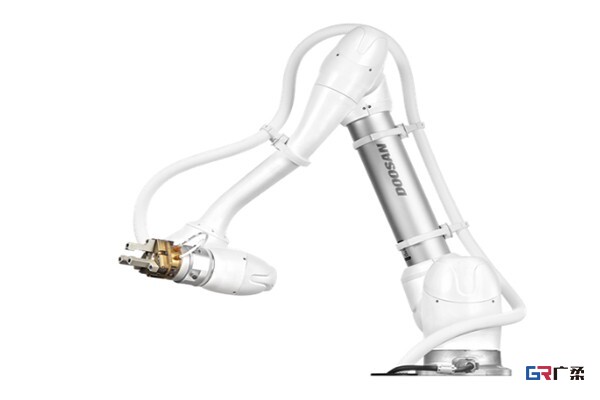
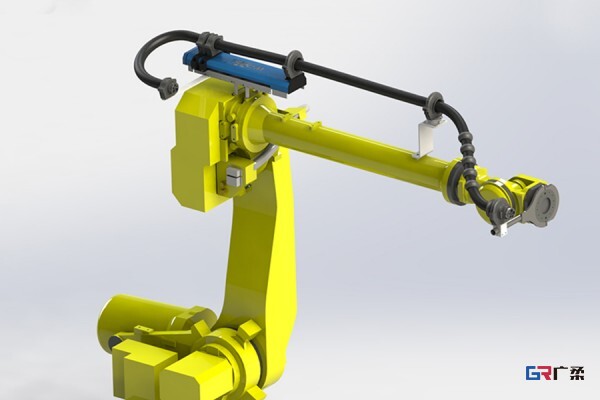
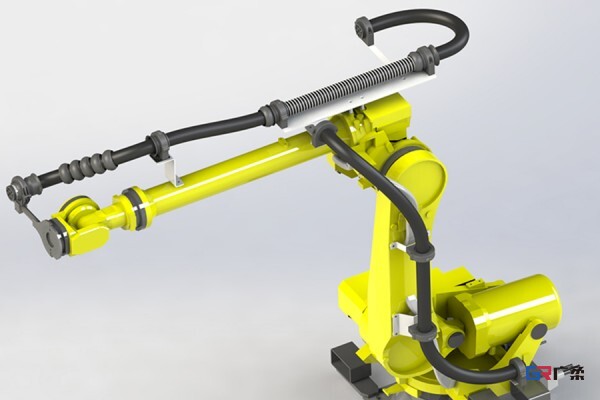
industrial robot dresspacks play a critical role in maintaining the functionality and productivity of robotic systems. They provide organized routing for cables and hoses, protecting them from mechanical wear and external damage. This protection extends the lifespan of essential components, reducing the need for frequent repairs or replacements. Dresspacks are engineered to accommodate a variety of movements, allowing robots to operate smoothly even in high-stress environments. furthermore, their design minimizes the risk of entanglement or snagging, which can lead to downtime during operations. Reliable dresspacks also contribute to safety by reducing the likelihood of cable failure that could potentially cause accidents. When tailored specifically for their operational tasks, these systems yield improved efficiency and performance, translating into enhanced overall productivity in industrial processes.
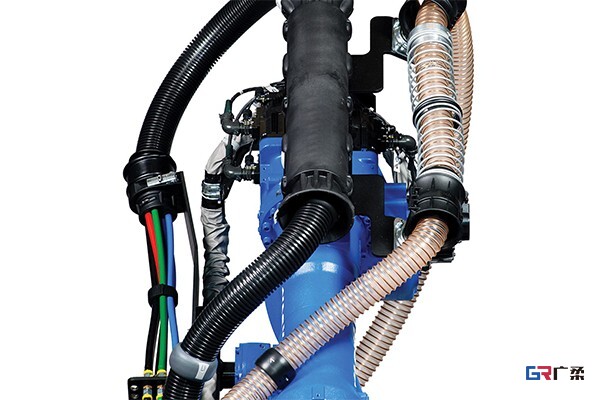
important Components of Dresspacks
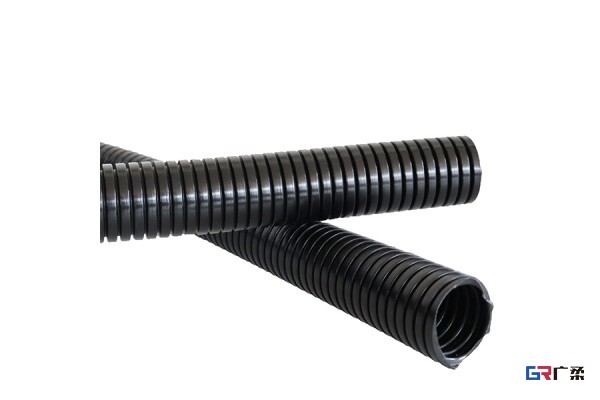
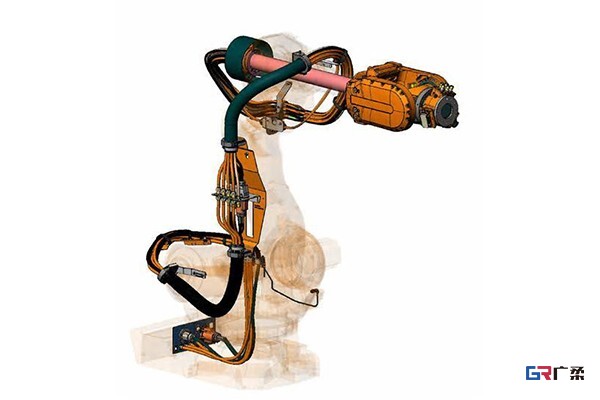
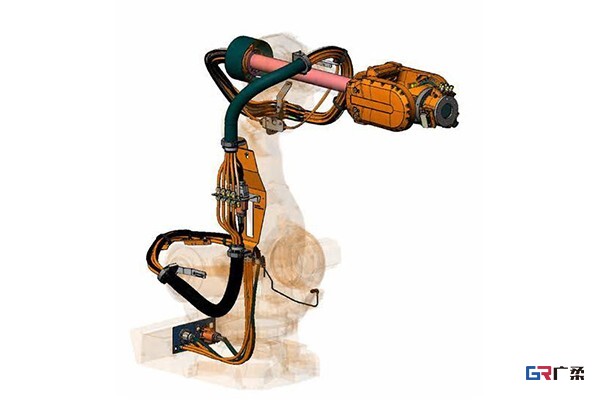
Industrial robot dresspacks consist of several important components that contribute to their functionality and durability. Bellows are a primary element, designed to protect cables from environmental factors and mechanical wear. These flexible coverings enable the dresspack to handle dynamic movements without compromising the integrity of internal cables and hoses. Fixtures ensure that components remain securely fastened, preventing unwanted slippage during operation. Mounting brackets provide stable attachment points, facilitating seamless integration into robotic applications.
To further improve performance, accessories such as anti-collision rings help prevent damage during rapid movements, while fastening rings ensure cable organization within the pack. Specialized hoses equipped for high-pressure environments are essential for those dresspacks operating in demanding settings. These components work together to create a system that reliably handles power transmission and data communication.
"Selecting quality components for dresspacks not only maximizes efficiency but also minimizes downtime due to maintenance issues."
A well-designed dresspack accommodates varying robotic applications, allowing engineers to customize solutions based on specific operational needs.
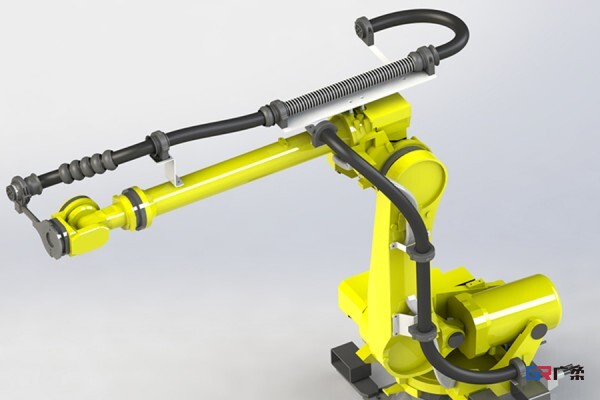
Reliable dresspack solutions
choosing reliable dresspack solutions involves assessing specific operational needs and environmental conditions. Considerations such as load capacity, range of motion, and exposure to extreme temperatures directly influence performance and durability. high quality materials are fundamental; thermoplastics and metals often provide the necessary strength while allowing flexibility. Integrated features like anti-collision elements help prevent mechanical failure by mitigating impact risks during operation.
Collaboration with engineers in the design phase is essential to customize dresspacks that align with the robotic application. Tailored solutions may include variations in size, shape, and component configuration, enabling them to accommodate the unique demands of various tasks. Rigorous testing against industry standards ensures that these dresspacks can handle real-world challenges effectively.
Regular maintenance practices further contribute to the reliability of dresspacks, including periodic inspections for wear and timely replacements of any components showing signs of fatigue. stressing these aspects during selection and maintenance can lead to enhanced performance in industrial robot applications.
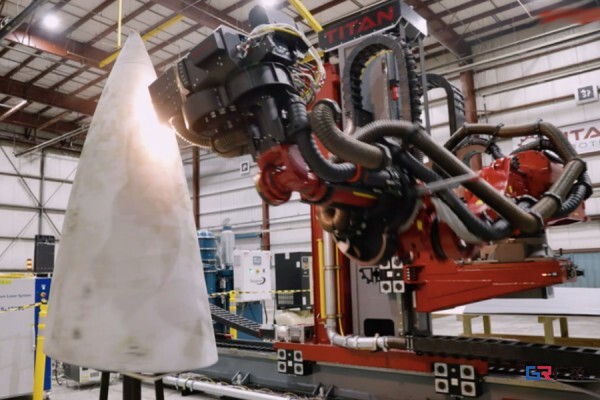
Industrial dresspack applications
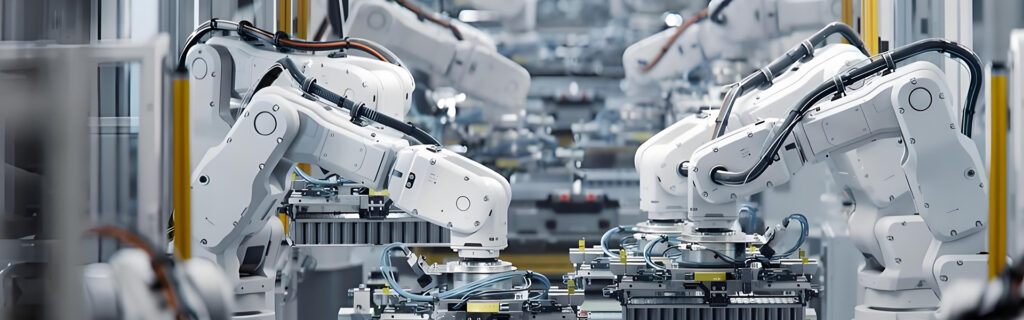
industrial dresspacks are essential in various sectors, notably in industrial automation, automotive manufacturing, and robotics. In automation, they facilitate the smooth operation of machines by protecting cables and hoses from wear caused by motion and environmental factors. For automotive manufacturing, dresspacks manage high loads during assembly line processes while supporting dynamic movements in robotic arms. In robotics, dresspacks ensure reliable power transmission and data communication, which are vital for efficient functioning. They are also utilized in the aerospace industry for handling high-stress applications where durability is critical. Beyond these sectors, they play a significant role in material handling and logistics, where they help optimize the operation of automated guided vehicles (AGVs) by providing unrestricted movement of energy and data lines. These applications demonstrate the versatility and critical importance of industrial dresspacks in modern industrial settings.
Optimizing robot dresspack designs
optimizing robot dresspack designs involves precision in selecting materials and configurations that suit specific operational environments. Essential considerations include load capacity, flexibility, and resistance to various forms of wear. high quality materials such as thermoplastics or reinforced composites can improve durability and reduce maintenance needs. Design modifications, like integrating proper bend radius and minimizing friction points, help in achieving smoother cable management and longer lifespans. Collaboration with engineers during the design phase is vital; their insights on dynamic movements and environmental factors can lead to tailored solutions that improve performance. Regular assessments of design efficacy through testing also aid in identifying areas for improvement, ensuring that dresspacks can adapt swiftly to evolving demands in industrial robotics.
Designs for Enhanced Efficiency
Designing industrial robot dresspacks for efficiency involves focusing on several main aspects, such as flexibility, material selection, and integration with robotic systems. Flexibility allows dresspacks to adapt to various movement patterns and angles while carrying power and data cables. Using high quality materials can reduce wear and tear, enhancing durability under demanding conditions.
Moreover, incorporating advanced routing techniques prevents cable entanglement, which can cause system failures. The design must also consider thermal management, as overheating can lead to component failure. By providing adequate spacing and proper ventilation within the dresspack, heat dissipation is improved.
Collaboration with engineers during the design phase ensures that dresspacks are tailored for specific applications, optimizing their performance in real-world conditions. Custom fixtures and mounting solutions can further boost the efficiency of installations by simplifying integration with robotic arms and other machinery. These design elements collectively contribute to maximizing uptime and functionality in automated environments.
Maintaining dresspacks for Longevity
Regular maintenance of industrial robot dresspacks is essential for their long term functionality. This involves routine inspections to identify wear and potential damage to components like bellows and fixtures. Operators should check for cracks, fraying, or other signs of deterioration that could affect performance. also, ensuring that the dresspack is properly aligned during installation can prevent excessive strain, which may lead to premature failure.
Proper lubrication is also critical in maintaining the flexibility of the components while reducing friction. Operators must use recommended lubricants that align with the materials utilized in the dresspack construction. Implementing a maintenance schedule that includes cleaning and inspection will help in catching issues early before they escalate into costly downtimes.
Training staff on best practices for handling and operating robotic systems with dresspacks can further improve their lifespan. Awareness of potential hazards and operational limits ensures that the systems are used within their designed parameters, supporting long term reliability and effectiveness.
Integration of Dresspacks in Robotics
Integrating dresspacks into robotic systems is essential for ensuring both functionality and longevity. These systems support complex movements while keeping cables and hoses organized. In industrial settings, where robots operate in dynamic environments, the right dresspack can significantly reduce wear and potential failures. Engineers must select dresspacks that align with the specific mechanical and thermal demands of their robot applications. Collaboration between mechanical designers and electrical engineers is vital for determining the optimal placement, securing components, and selecting appropriate materials to minimize interference with robot operations. By applying rigorous testing standards during implementation, reliability can be assured, allowing robots to maintain high productivity levels with minimal downtime. Tailored solutions further boost performance, enabling robots to adapt effectively to various tasks while maintaining essential power and communication lines.
Conclusion
industrial robot dresspacks are a fundamental element in enhancing the efficiency and reliability of robotic systems. They not only streamline the setup of cables and hoses but also contribute to the overall performance in various industrial applications. With well-designed dresspacks, organizations can avoid common pitfalls like cable entanglement and wear, which can lead to operational downtime. The integration of high quality materials and precise engineering creates dresspacks tailored for dynamic environments where reliability is important. Regular maintenance practices solidify their longevity, ensuring that these systems continue to perform at optimal levels. As robotic technology advances, the evolution of dresspack designs will likely play an essential role in addressing new challenges while supporting automation across diverse sectors. Investing in quality dresspack solutions means prioritizing uninterrupted productivity and sustainable operations within automated environments.
FAQs
What is an industrial robot dresspack?
An industrial robot dresspack is an assembly that organizes and protects cables and hoses for robotic systems, ensuring they function smoothly during operation.
What are the main benefits of using dresspacks?
Dresspacks improve durability, reduce the risk of wear, eliminate cable entanglement, and improve overall efficiency in robotic applications.
How do I choose the right dresspack for my robot?
Consider factors like load capacity, movement range, environmental conditions, and material strength to select a dresspack that meets your specific operational needs.
What maintenance is required for dresspacks?
Regular inspections for wear, proper lubrication of moving parts, and alignment checks during installation are main for maintaining dresspacks’ longevity.
Can dresspacks be customized for different applications?
Yes, dresspacks can be tailored in size, shape, and component configuration to accommodate the unique demands of various robotic tasks.
How often should I inspect my robot’s dresspack?
It is advisable to conduct inspections at regular intervals based on usage frequency; more frequent checks may be necessary in high-demand environments.
What materials are commonly used in manufacturing dresspacks?
Common materials include thermoplastics and metals which offer strength while allowing flexibility to better withstand operational stresses.
Are there specific design considerations for high-speed robots?
Yes, designs should minimize friction points and incorporate anti-collision elements to prevent mechanical failures during rapid movements.
How can I improve the efficiency of my existing dresspack system?
Evaluate your current setup for any potential alignment issues, ensure proper lubrication is applied regularly, and consider upgrading materials if excessive wear is observed.