main Takeaways
The integration of robot pipe technology into packaging solutions presents several main benefits that can transform operations. Firstly, automation enhances efficiency significantly by handling repetitive tasks faster and with more accuracy than human labor. This leads to greater productivity without a proportional increase in workforce costs. furthermore, the versatility provided by robotic systems allows manufacturers to quickly adapt to changing packaging demands, particularly important in markets with diverse product lines. Robots also minimize the risk of errors associated with manual processes, ultimately leading to higher quality standards and reduced waste. Implementing robotics in packaging systems promotes a safer work environment by transferring risky tasks away from human operators, thus mitigating workplace hazards. Furthermore, as sustainability becomes increasingly important, robot pipe technology helps companies optimize resource usage and minimize environmental impacts through more efficient packaging methods. Overall, the transition to automated solutions not only streamlines workflow but positions companies advantageously for future challenges in the manufacturing scene.
Integrating automation in Packaging
The integration of automation in packaging has become essential as industries strive for increased efficiency and reduced operational costs. Robotic systems are revolutionizing how packaging processes are managed, allowing for rapid adjustments to varying product sizes and packaging demands. These automated solutions streamline workflows by minimizing manual intervention, thereby reducing labor costs and the potential for human error. furthermore, incorporating robotics enhances the speed of operations, enabling companies to meet higher production targets with the same or fewer resources.
"Automation in packaging not only improves throughput but also enhances consistency in package quality."
Furthermore, robotics allow for precise control over complex packaging tasks, like product orientation and sealing, that were traditionally labor-intensive. This shift is particularly beneficial in high-mix environments where product varieties change frequently. As businesses increasingly adopt these technologies, they position themselves competitively within the marketplace by delivering products faster and more reliably, ensuring customer satisfaction remains a priority.
Robotic solutions for Efficiency
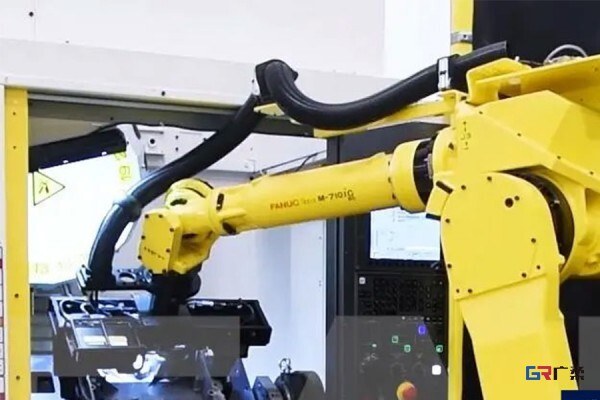
The incorporation of robotic solutions in packaging processes significantly elevates operational efficiency. By automating repetitive tasks, companies reduce labor costs and minimize human error. Robots are designed to handle various packaging materials, ensuring consistency and speed that manual methods cannot achieve. For instance, robotic arms equipped with advanced sensors can quickly adjust to different product sizes and shapes, allowing for smooth transitions between production lines. furthermore, integration with machine learning algorithms enables these systems to optimize workflows in real time, adapting to changes in demand or packaging requirements. This adaptability not only increases throughput but also enhances flexibility in manufacturing environments. Implementing robotic solutions results in higher accuracy during packing and labeling, translating to fewer product returns due to packaging errors. Thus, businesses can streamline their operations while delivering superior service levels to customers.
Enhancing output with Robotics
The integration of robotics into packaging systems serves to significantly boost output and operational efficiency. Automated robots streamline processes by executing tasks with precision and consistency, reducing the time required for packing products. For example, robotic arms can quickly and accurately assemble packages, adapting to different sizes without extensive downtime for reconfiguration. This flexibility is vital in environments with a high mix of products where variability is common. also, robotics enables better utilization of space and resources, as multiple tasks can be performed concurrently with minimal human intervention. The system’s ability to operate around the clock maximizes throughput while maintaining quality standards. Overall, these advancements not only increase production rates but also improve workplace safety by transferring hazardous tasks away from human operators, leading to a robust return on investment in automated solutions. This transformation in packaging methods illustrates how robotic technology directly contributes to more effective and sustainable production frameworks within the industry.
Transforming traditional packaging methods
the integration of robot pipe technology is fundamentally reshaping conventional packaging approaches. Traditional systems often rely on manual labor and fixed machinery, which can limit flexibility and speed. In contrast, robotic solutions allow for dynamic adaptation to varying product specifications and packaging formats. This adaptability is particularly advantageous in high-mix environments, where quick changes are necessary for efficient operations. Robots can handle complex tasks, such as precise placement and sealing, which not only heightens accuracy but also minimizes waste. By employing automated systems within the packaging pipeline, companies can achieve greater throughput with less downtime. Furthermore, the coordination of robotic arms with pipeline technology enables real time adjustments based on workflow demands, creating a more responsive packaging process. This shift not only streamlines operations but also improves overall productivity and resource utilization in the packaging industry. As a result, businesses are increasingly turning to automated solutions to stay competitive in a rapidly evolving marketplace.
The future of Robot Pipe Technology
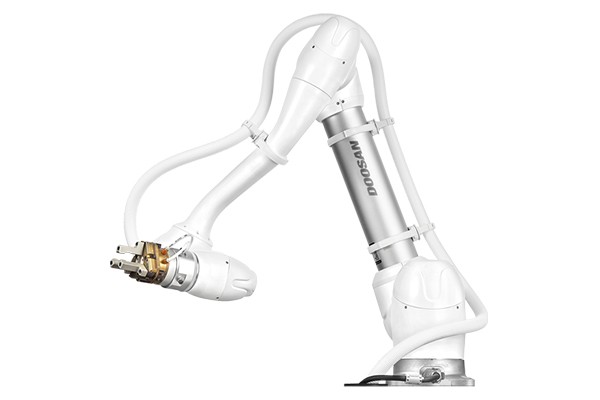
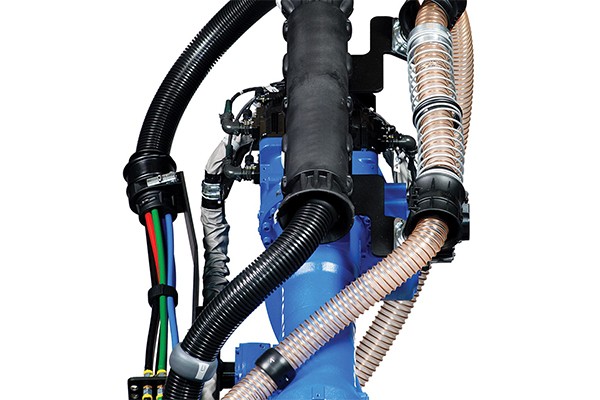
Robot pipe technology is evolving to meet the demands of increasingly complex packaging environments. The development of adaptable robotic actuators enables precise movement within confined spaces, allowing robots to navigate pipelines and conduits more efficiently. Advances in materials and 3D printing methods are producing lighter, more flexible components that improve responsiveness and extend operational range. Integration with sensor systems supports real-time monitoring and adaptive control, which reduces errors and downtime in packaging lines. As automation grows, robot pipe designs will focus on modularity to simplify maintenance and customization for varied packaging needs. These improvements help balance high performance with durability, important factors for sustained deployment in industrial settings. The ongoing shift toward tighter integration of robotics in material handling shows that robot pipe technology will become central to optimizing throughput without increasing workforce requirements. By refining actuation precision and movement versatility, future systems will support both low-volume specialty runs and high-mix production scenarios more effectively.
Improving performance in Packaging Systems
The integration of robot pipe technology into packaging systems significantly enhances performance by streamlining operations and optimizing workflow. By employing robotic arms equipped with precise sensing capabilities, companies can automate various tasks such as sorting, packing, and transporting goods with higher accuracy. This leads to reduced errors and quicker processing times, maximizing throughput. also, these robotic systems can adapt to different package sizes and weights, making them versatile for diverse product lines. The incorporation of real-time data analytics further improves efficiency by allowing systems to tweak operations based on performance metrics. As a result, manufacturers can achieve consistent quality while minimizing waste and downtime in their packaging processes. Moreover, the flexible design of robotic systems supports scalability, enabling businesses to adjust quickly to market demands without substantial investments in new equipment or infrastructure.
Robots in Sustainable Packaging Solutions
Robots are increasingly recognized for their role in promoting sustainable packaging solutions. Their ability to streamline operations results in reduced waste and enhanced efficiency. Automated systems can precisely manage materials, minimizing excess usage while ensuring the integrity of packaging. For instance, robotic arms equipped with advanced sensors can handle delicate items without damaging them, leading to fewer rejected products and less discarded packaging material. furthermore, the integration of robot pipe technology allows for optimized routing of materials within packaging processes, further decreasing resource consumption. These automated solutions not only cater to the rising demand for eco-friendly practices but also support companies in meeting sustainability goals through improved performance metrics. With the evolution of robotics in packaging settings, businesses are better positioned to respond to environmental challenges while maintaining competitive advantages in the market.
original Concepts in Pipeline Robotics
Recent advancements in pipeline robotics are transforming how industries approach packaging and material handling. original robotic designs incorporate flexible actuators, allowing for adaptive maneuverability within confined spaces. These systems utilize advanced algorithms for navigation, granting precision control over complex movements required in pipeline environments. Notably, the application of robotic arms equipped with sensory feedback enables real time adjustments, enhancing operational accuracy and reliability. Moreover, the integration of machine learning algorithms allows these robots to improve over time, adapting to various challenges encountered during packaging processes. The focus on modularity in design further supports scalability, enabling companies to customize solutions according to their specific needs. As industries move toward more automated systems, these concepts signify a shift toward greater efficiency and effectiveness in pipeline operations. The ability to navigate diverse layouts and streamline workflows underscores the potential of robotics to redefine packaging methodologies across multiple sectors.
Conclusion
the integration of robot pipe technology in packaging solutions signals a significant evolution in manufacturing and distribution processes. As companies seek to meet the challenges of efficiency, flexibility, and sustainability, robotic systems are proving to be indispensable. Their capability to perform complex tasks with precision enhances productivity while reducing operational costs and material waste. furthermore, the versatility of these robots allows for seamless transitions between varied packaging requirements, which is essential in today’s fast-paced market environments. By continually refining robotic technology and adopting original approaches, businesses can not only improve their output but also ensure they remain competitive amidst evolving consumer demands. Embracing these advancements will be main for companies aiming to foster long term growth and sustainability in their packaging strategies. The future of packaging will likely be defined by how well industries adapt these robotic solutions to improve performance and efficiency across their operations.
FAQs
What is robot pipe technology?
Robot pipe technology involves the use of robotic systems integrated into packaging processes to improve efficiency, accuracy, and workflow adaptability.
How do robots boost packaging efficiency?
Robots streamline repetitive tasks, reduce human error, and allow for quick adjustments to varying product specifications, significantly increasing throughput.
What are the benefits of using robotic arms in packaging?
Robotic arms provide precision in tasks such as sorting and sealing, ensure quality consistency, and boost overall speed in packaging operations.
Can robot pipe technology support sustainable practices?
Yes, by optimizing material usage and reducing waste during packaging processes, robot pipe technology promotes eco-friendly operations in manufacturing.
What industries can benefit from integrating robot pipe technology?
Various industries including food and beverage, pharmaceuticals, and consumer goods can leverage robotic solutions for enhanced packaging performance.
How does automation impact labor costs in packaging?
Automation reduces reliance on manual labor for repetitive tasks, leading to decreased labor costs while improving efficiency across production lines.
Are there specific challenges in implementing robotic solutions?
Challenges may include initial setup costs, potential disruption during transition phases, and the need for staff training to operate advanced systems effectively.