important Takeaways
The significance of dress packs in robotic applications cannot be overstated. These components not only streamline cable management but also significantly boost operational efficiency and reliability. By minimizing wear through effective routing, dress packs protect cables and hoses during movement, ultimately prolonging their lifespan. Their design options allow for compatibility with various robotic models, ensuring tailored solutions for specific performance requirements. The integration of new materials and features, like flexible bellows and modular designs, provides lasting resilience against the challenges of demanding industrial environments. Selecting the appropriate dress pack involves evaluating component types, dimensions, and environmental conditions, which ensures optimal functionality and reduces maintenance needs. As industries evolve towards greater automation, the role of dress packs will remain vital in supporting mobility and reliable power transmission within robotic systems. Overall, understanding these important aspects enables engineers to choose solutions that will boost both operational performance and system longevity in their robotic applications.
Essential components of Dress Packs for Robots
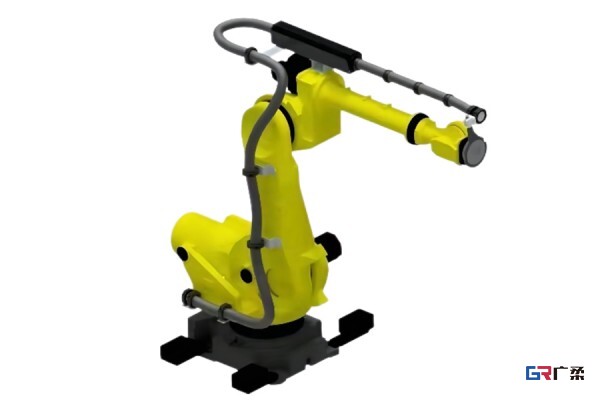
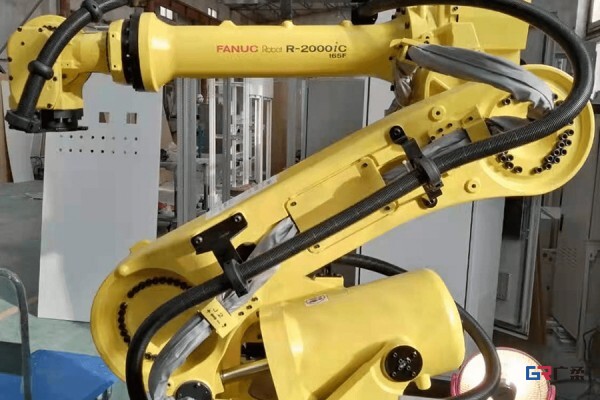
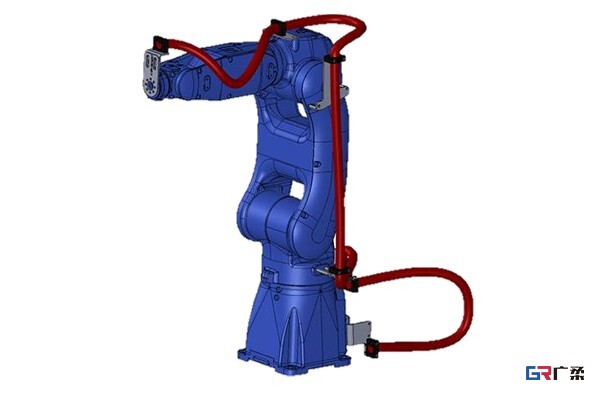
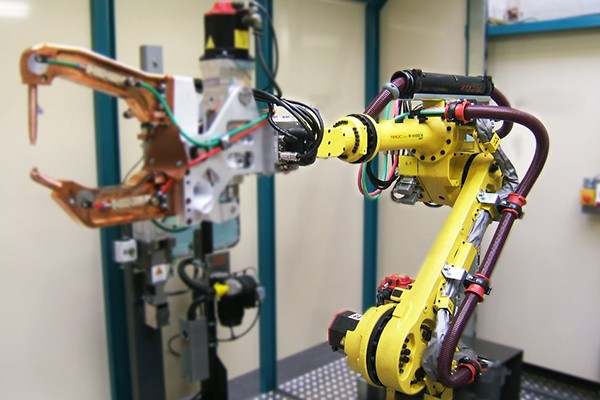
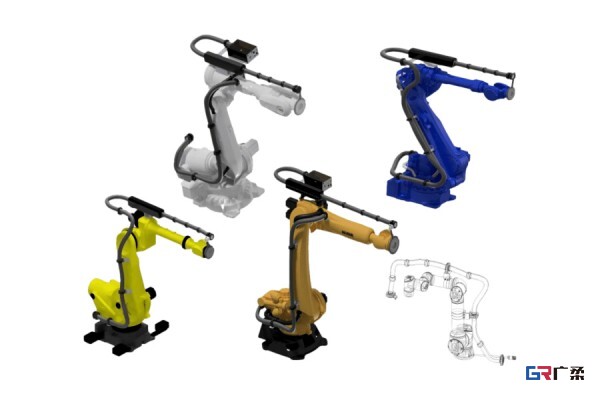
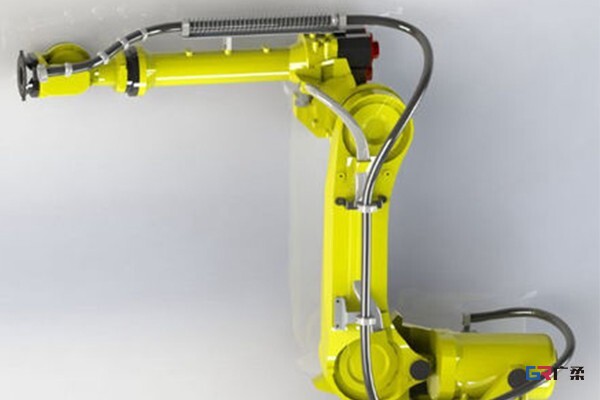
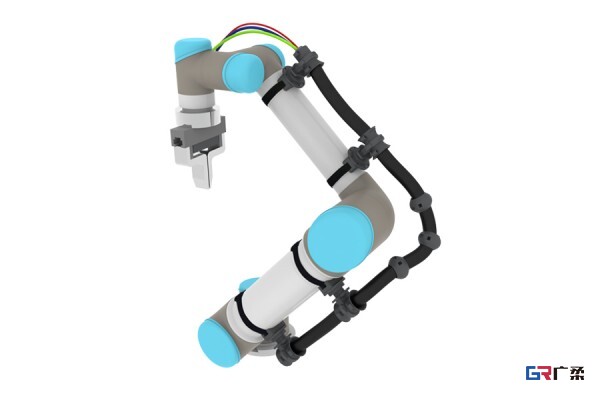
Dress packs for robots consist of several critical components that contribute to effective cable management and protection. important elements include bellows, which flexibly enclose cables and hoses, preventing wear from bending and twisting during robot movement. Fixtures and mounting brackets secure the dress pack to the robotic arm, ensuring stability and minimizing disruption during operation. Accessory options further improve functionality, including specialized hoses designed for unique applications, end connection clips that provide robust cable anchoring, and anti-collision rings that safeguard against mechanical impacts. Additional features like spherical positioning rings allow for enhanced mobility while telescoping sleeves offer dynamic adaptability as the robot moves. These components collectively improve durability and efficiency in power and signal transmission, addressing the challenges robots face in demanding industrial environments.
Benefits of Dress Packs in Robotic Systems
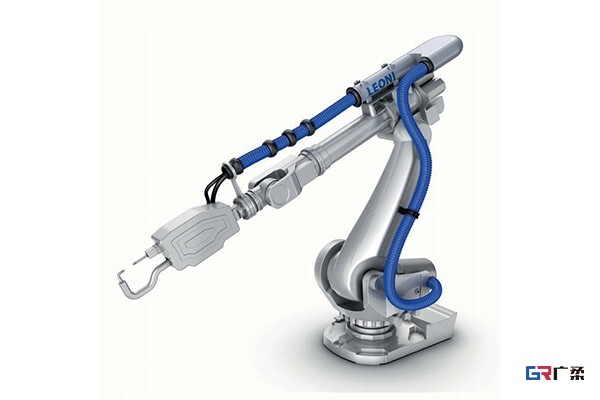
Dress packs are essential for enhancing the efficiency and reliability of robotic systems. They minimize issues related to cable and hose management, significantly reducing wear from bending and twisting during movement. This reduction in wear directly contributes to longer component lifespans, decreasing maintenance costs and downtime. also, dress packs allow for smoother operations by providing organized pathways for cables, ensuring uninterrupted power and data transmission to End Of Arm Tools. Such reliability is main in high-stress environments where robotic systems are expected to perform consistently under demanding conditions. Moreover, the protective nature of dress packs guards against potential external damage from environmental factors, improving overall safety and operational stability. In essence, adopting dress packs leads to more efficient robotic functions while addressing the challenges associated with cable management.
Optimizing robot cable management with Dress Packs
Effective cable management is vital in robotic applications where precision and reliability are critical. Dress packs serve as an essential solution, effectively organizing and protecting cables, hoses, and pipes while allowing for seamless movement. By minimizing bending and twisting of these components, dress packs not only extend the lifespan of expensive equipment but also improve overall operational efficiency. Proper optimization of dress packs involves selecting the right components tailored to specific applications, ensuring compatibility with various robotic models. Features such as wear rings and adapter rings help maintain alignment while accommodating different sizes and functions. Moreover, the integration of advanced materials offers improved durability against wear over time. These measures ensure that robots can operate smoothly under demanding conditions without interruptions caused by cable failures or obstructions. The careful selection and deployment of dress packs significantly contribute to more reliable power transmission and data integrity across robotic systems, ultimately reducing downtime in industrial environments.
Applications of Dress Packs in Various Industries
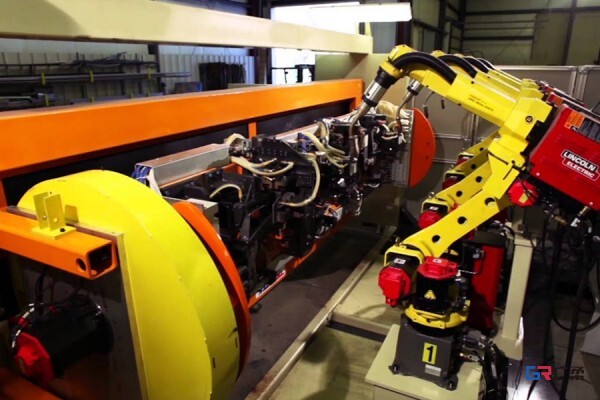
Dress packs serve essential roles across diverse sectors by efficiently managing and protecting robotic cable systems. In automotive manufacturing, for example, they accommodate high-speed robotic arms engaged in assembly lines, ensuring uninterrupted power and data flow while withstanding harsh operating conditions. In energy production, especially within renewable sources like wind and solar, dress packs safeguard critical cabling against environmental wear, contributing to system reliability. Rail transport relies on these solutions to maintain the integrity of onboard systems despite constant motion and vibration challenges. Furthermore, in shipbuilding, dress packs facilitate safe and effective cable routing within constrained spaces on vessels. Communication sectors also benefit significantly by ensuring that data transmission remains seamless between dynamic robotic equipment. By tailoring dress pack designs to specific industrial needs, companies like HELUKABEL optimize performance in these varied applications, underscoring the adaptability and importance of this technology in modern robotics.
Enhancing robot mobility with Protective Dress Packs
Protective dress packs play a main role in improving robot mobility by managing cables, hoses, and piping while supporting freedom of movement. These systems allow robots to operate in confined spaces without the fear of entanglement or damage to essential components. By utilizing flexible materials and new designs, dress packs minimize restrictions on robotic joints, facilitating smoother motions. The integration of features such as spherical positioning rings and telescoping sleeves further aids in maintaining movement fluidity, ensuring that the robot can swiftly adapt to various operational tasks. This adaptability is particularly vital in high-precision environments where robots perform complex maneuvers or interact with other machinery. Moreover, reducing the risk of wear on cables through effective management lessens downtime and maintenance needs, which ultimately contributes to enhanced operational efficiency. As industries continue to demand greater agility in robotic applications, advancements in dress pack design will remain key for maximizing both mobility and functionality.
main Innovations in Robotic Dress Pack Design
Recent advancements in robotic dress pack design focus on improving flexibility, durability, and usability. original materials such as lightweight composites and advanced polymers boost protection against environmental factors while reducing overall weight. Modular designs allow for easier customization, enabling engineers to tailor dress packs to specific robotic applications. Integration of smart technology, like sensors for real time monitoring of wear and stress levels, significantly improves maintenance efforts. Enhanced cable routing mechanisms optimize space efficiency and reduce the risk of tangling or damaging cables during operation. Furthermore, industry leaders prioritize user-friendly assembly with intuitive fastening systems that simplify installation and adjustments. These innovations contribute to improved operational efficiency, reducing robotic downtime significantly in various applications. The continual evolution in dress pack technology underscores the importance of keeping pace with the increasingly complex demands of automated environments.
Reducing wear through Efficient Cable Management
Efficient cable management is essential for minimizing wear on robotic systems. Dress packs, designed to encase and protect cables, hoses, and piping, significantly mitigate the stresses these components endure during a robot’s operation. By strategically routing these elements through flexible dress packs, bending and twisting are reduced, which directly decreases the likelihood of fraying or damage. This protective measure extends the lifespan of cables and reduces maintenance needs, ultimately leading to fewer disruptions in operations. The integration of wear rings and protective fixtures within dress packs further safeguards cables from abrasion in high-stress environments. also, choosing the right materials for dress packs can improve their durability against environmental factors like moisture or dust. Overall, effective cable management through well-designed dress packs not only protects critical components but also ensures reliable performance in various industrial applications.
Choosing the Right Dress Pack for Robotic Systems
Selecting the appropriate dress pack for robotic systems requires careful consideration of several factors. Start by assessing the specific requirements of the robotic application, including the types of cables, hoses, and pipes involved. Compatible dimensions are main; a dress pack must accommodate not only current components but also allow for potential future upgrades or modifications. Durability is another important aspect; materials that resist wear and can withstand harsh environments will prolong the lifecycle of both the dress pack and its contained elements.
Evaluate features such as flexibility and support mechanisms since these will directly impact robot mobility. furthermore, consider any optional accessories like end connection clips and anti-collision rings that can boost functionality. Certifications such as ATEX, CE, and IP68 signify reliability in extreme conditions and are important to factor into your decision. Engaging with industry experts can provide useful insights tailored to specific applications, ensuring that the selected dress pack aligns with operational demands while optimizing performance.
Conclusion
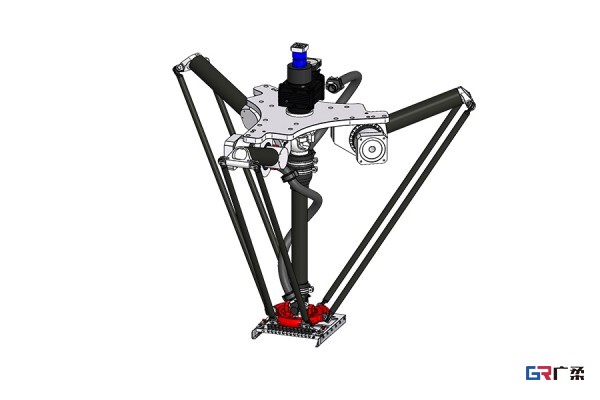
in the evolving scene of robotics, the integration of dress packs is indispensable for optimizing cable management and enhancing operational efficiency. These components not only protect essential wiring and hoses against wear but also facilitate smoother robotic movements, which are critical in applications where precision is paramount. As industries push the boundaries of automation, the demand for reliable power and data transmission grows, making well-designed dress packs a vital investment. Choosing the right dress pack involves a deep understanding of specific operational needs and environmental conditions, ensuring that systems remain functional and effective over time. Innovators continue to advance dress pack technology, reflecting a commitment to meeting the complex demands of modern robotic applications. The continual refinement in materials, designs, and functionalities will play a main role in supporting future developments in robotics, reinforcing the importance of these systems in achieving both productivity and safety across various industries.
FAQs
What is a dress pack in robotic systems?
A dress pack is a component that organizes and protects cables, hoses, and piping in robotic applications, helping to ensure effective cable management and mobility.
How do dress packs reduce wear on cables?
Dress packs minimize bending and twisting of cables during robot movement, which decreases wear and prolongs their lifespan.
What materials are commonly used in dress pack construction?
Dress packs are typically made from advanced polymers and lightweight composites that provide durability while resisting environmental wear.
Are dress packs applicable in various industries?
Yes, dress packs are used in a range of sectors including automotive manufacturing, energy production, rail transport, and shipbuilding to improve cable management.
How can I choose the right dress pack for my robotic application?
Consider factors such as the types of cables involved, required dimensions, compatibility with your robot model, durability under operational conditions, and any additional features or accessories needed.
Can dress packs improve robot mobility?
Yes, by effectively managing cables and hoses without restricting movement, dress packs support smoother robot motions in confined spaces.
What innovations are being integrated into modern dress packs?
Recent innovations include modular designs for customization, smart technology for wear monitoring, and advanced routing mechanisms to prevent cable tangling.
How do I maintain a robotic system with dress packs?
Routine inspections of the dress pack components for signs of wear or damage can help ensure ongoing performance; replacing worn parts promptly is essential to prevent operational disruptions.