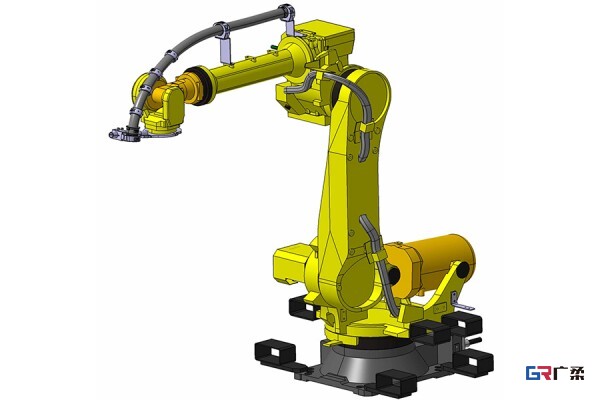
main Takeaways
Optimizing robot dresspacks is critical for improving the performance of robotic systems in industrial applications. A customized approach ensures that each dresspack meets specific operational requirements, which minimizes wear and increases reliability. Selecting high-durability materials prevents failures and extends the lifespan of the dresspacks under challenging conditions. Effective cable management practices further boost efficiency by organizing cables and preventing damage that can disrupt robotic operations. Industry-specific adaptations allow for resilient performance in sectors like automotive and automation, where operational continuity is important. Ultimately, focusing on these main elements not only minimizes downtime but also supports sustained productivity, reinforcing the importance of well-designed robot dresspacks in modern industrial environments.
Enhancing robot dresspack functionality
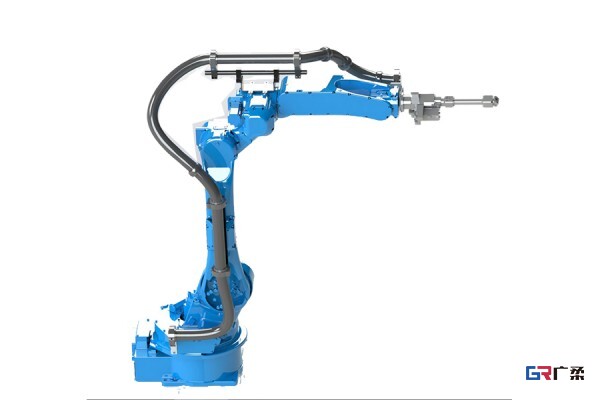
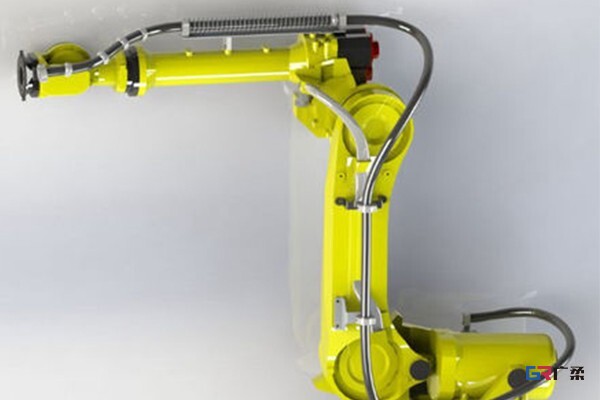
to improve the functionality of robot dresspacks, it is essential to focus on several core aspects. The design process should incorporate task-specific requirements, allowing for optimal configuration that anticipates movement and load variations. Adequate space within the dresspack not only facilitates cable routing but also mitigates wear and tear on individual components.
Material selection plays a vital role as well. Utilizing high-quality materials that resist abrasion, dampen vibration, and endure extreme temperatures can significantly extend the lifespan of dresspacks.
"Choosing the right materials for specific environments can prevent premature failure in robotic systems."
Furthermore, integrating smart cable management practices helps in organizing cables effectively, reducing both tangling and stress points. new accessories such as brackets or guides can improve protection against environmental factors, thus maintaining operational efficiency.
The seamless incorporation of these elements leads to a more resilient installation that actively reduces maintenance needs and fosters longer operational periods for robotics systems across various industrial applications.
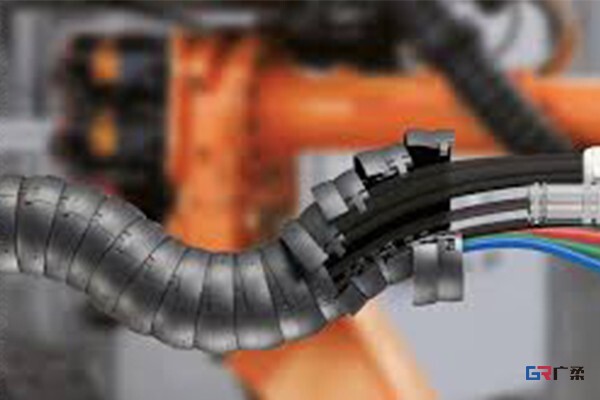
Tailored design benefits in Dresspacks
Customizing robot dresspacks to meet specific operational needs offers significant advantages in industrial settings. A tailored design ensures that each dresspack aligns with the robot’s intended functions, allowing for optimized routing of cables and hoses. This not only prevents interference with robotic movements but also reduces wear and tear on the components. Utilizing precise dimensions facilitates better flexibility, enabling robots to operate smoothly in tight spaces or under restricted conditions. Furthermore, by accommodating variable load requirements and environmental challenges, specially designed dresspacks boost overall durability and performance. They can integrate features like strain relief and additional protection for vulnerable parts, ultimately leading to less maintenance and increased uptime. These design considerations contribute greatly to achieving reliable performance across various applications in sectors such as automation, automotive manufacturing, and digital monitoring.
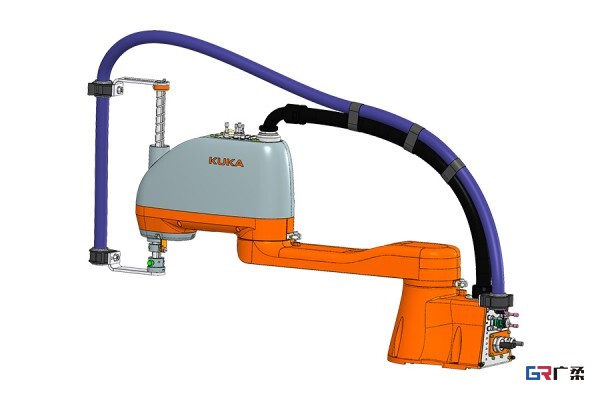
Material durability for Optimal Performance
Selecting materials for robot dresspacks impacts performance significantly. High-quality plastics and metals with resistance to abrasion, chemicals, and extreme temperatures are essential. These materials withstand wear from repetitive movements and environmental challenges, ensuring longer life for the dresspacks. For instance, thermoplastic elastomers meet flexibility needs while maintaining strength. The right choice minimizes the risk of failures that could lead to downtime.
Integration of reinforced components adds value by providing structural support without compromising mobility. important factors include tensile strength and weight considerations; heavier materials can impede motion, while lighter options may lack durability. Testing against various stress conditions helps manufacturers evaluate material performance under real-world scenarios.
In industrial settings, dresspacks encounter dust, moisture, and temperature fluctuations. Materials with high ingress protection ratings prevent contaminants from affecting cable integrity. This resilience supports continuous operations across various applications—automotive assembly lines require different standards than automated warehousing.
Thus, engineers must prioritize material durability in the design phase to ensure that robot dresspacks meet both performance expectations and operational demands efficiently.
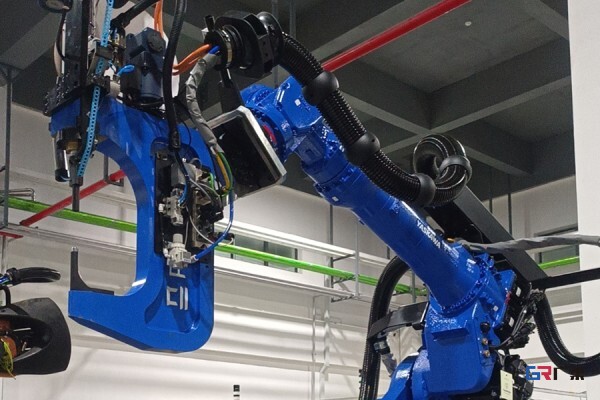
Effective cable management practices
effective cable management in robotic dresspacks minimizes the risk of wear and tear, ensuring longevity and reliability. Utilizing cable carriers that permit smooth movement reduces stress on cables, preventing damage during operation. Implementing bend radius controls is vital; too sharp a curve can catastrophically increase strain on the cables, leading to failure.
Moreover, using proper accessories like clips and guides secures cables in place, avoiding tangling and potential abrasion against other surfaces. Routinely inspecting and maintaining cable routes can reveal wear points before they lead to downtime.
In addition, employing color-coded or labeled cables aids in identifying issues quickly during maintenance checks, streamlining repairs. Such practices not only extend the life of the dresspacks but also contribute significantly to the overall efficiency of robotic systems across varying industrial applications.
Reducing downtime with Smart Dresspacks
Smart dresspacks contribute significantly to minimizing downtime in industrial settings. By integrating advanced design features, these systems reduce wear and tear, subsequently lowering the frequency of maintenance interruptions. Intelligent cable management solutions, which prevent tangling and friction, also diminish the risk of cable failures that can lead to unexpected outages. Moreover, the use of sensors in some dresspacks allows for real-time monitoring of cable health and wear indicators, offering alerts before a failure occurs. This proactive approach ensures that issues are addressed promptly, often during scheduled maintenance rather than unscheduled breakdowns. The result is a more reliable operation with smoother productivity flows. Industries such as automotive manufacturing and automation particularly benefit from these innovations, as maintaining consistent output is essential for competitiveness in the market.
Maximizing efficiency in Robotics
Optimizing robot dresspacks directly influences the operational efficiency of robotic systems. Tailored designs allow for better integration with specific machinery, minimizing potential disruptions during production. Dresspacks designed with precision accommodate the unique movements and requirements of various robotic applications, which reduces the risk of wear and tear from friction or excessive motion. Utilizing durable materials ensures that dresspacks can withstand harsh industrial environments, from extreme temperatures to moisture exposure. Effective cable management within dresspacks not only enhances organization but also facilitates easier maintenance and troubleshooting. This organized approach ensures that cables remain intact and functional, further preventing unexpected downtimes. Moreover, incorporating features like strain relief and modular components can significantly streamline repairs or replacements when necessary. Thus, focusing on these elements not only supports uninterrupted operation but also contributes to long term sustainability in robotics deployment across various industries.
Industry applications of Robot Dresspacks
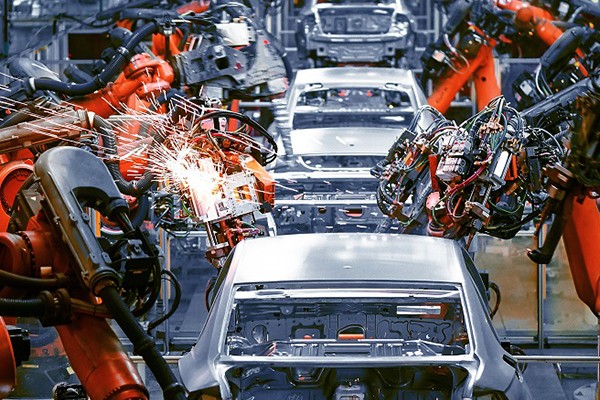
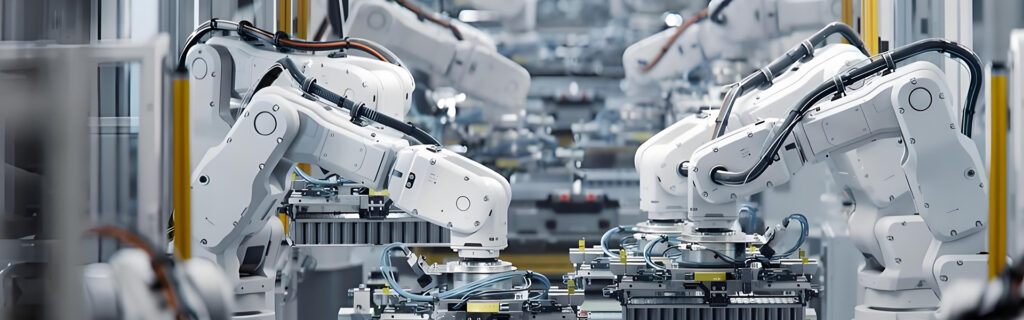
Robot dresspacks find essential applications across several industries, significantly impacting efficiency and reliability. In automotive manufacturing, dresspacks enable seamless movement of robots involved in assembly lines, ensuring high-speed operations while protecting cables from wear in dynamic environments. The automation sector leverages these systems to maintain operational continuity in factories, where the increased use of robots leads to complex cable management requirements. In rail transportation, robust dresspacks withstand rigorous conditions, securing connections for both power and data lines amidst vibrations and environmental challenges. Digital monitoring applications also benefit from these solutions by ensuring uninterrupted connectivity and shielding sensitive cables from damage. A tailored approach in designing dresspacks for these diverse applications enables industries to minimize operational disruptions, uphold safety standards, and maintain productivity levels essential for competitive manufacturing environments. By fitting the needs specific to each sector, robot dresspacks become indispensable in facilitating advanced automation processes that drive modern industrial progress.
Robotic systems and Cable Safety
Robotic systems heavily rely on dresspacks for managing power and communication cables. These systems face numerous challenges, such as exposure to harsh environments, mechanical stress, and movement-induced wear. Proper cable management plays a significant role in preventing cable damage and ensuring operational safety. Designed to withstand bending and twisting, dresspacks should maintain integrity throughout their lifespan. Specifically, materials like polyurethane and nylon offer excellent abrasion resistance and flexibility. Furthermore, secure attachment methods prevent cables from snagging or tangling during robotic operation.
Integrating safety features such as strain reliefs and protective wraps significantly reduces the risks associated with cable failures. Regular inspections of dresspacks help identify signs of wear early, promoting timely maintenance that keeps robotic systems running smoothly. This proactive approach to safety not only extends the life of the cables but also minimizes unexpected downtime, supporting overall productivity in industrial applications.
Conclusion
optimizing robot dresspacks is essential for advancing industrial automation and enhancing performance across various applications. By focusing on tailored designs and durable materials, organizations can significantly increase the reliability and efficiency of their robotic systems. Effective cable management further minimizes wear and tear, reducing the risk of unexpected downtimes. Industry-specific adaptations ensure that dresspacks can withstand diverse environmental conditions while supporting unobstructed operations. As industries continue to embrace automation, the role of advanced dresspack designs becomes increasingly vital, integrating seamlessly into the workflow of modern production environments. Prioritizing these factors in development leads to a robust framework that supports optimal functioning and longevity, consistent with the evolving demands of industrial robotics.
FAQs
What is a robot dresspack?
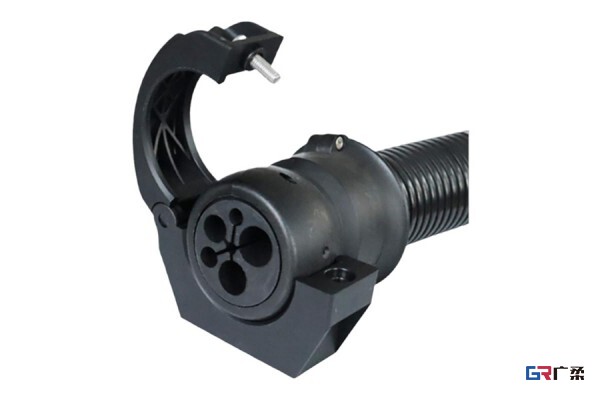
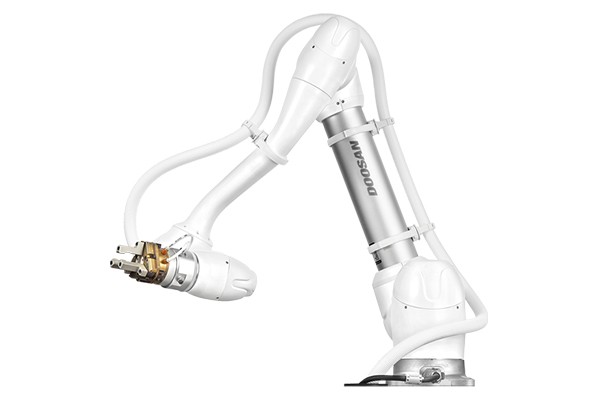
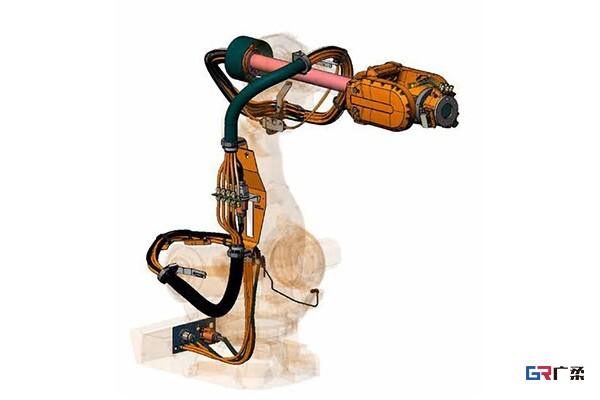
A robot dresspack is a protective system that manages and organizes the cables and hoses connected to robotic systems.
Why is material selection important for dresspacks?
Choosing the right materials ensures durability, flexibility, and resistance to environmental factors, preventing cable damage and extending the lifespan of dresspacks.
How does effective cable management impact robot performance?
Proper cable management minimizes tangling and wear, ensuring smooth robot movement and reducing maintenance needs.
What industries benefit most from optimized robot dresspacks?
Industries such as automotive manufacturing, automation, and digital monitoring utilize optimized dresspacks to improve efficiency and reliability.
How can customized designs improve robotic system operations?
Tailored designs accommodate specific movements and loads, reducing wear on components and enhancing overall operational effectiveness during tasks.