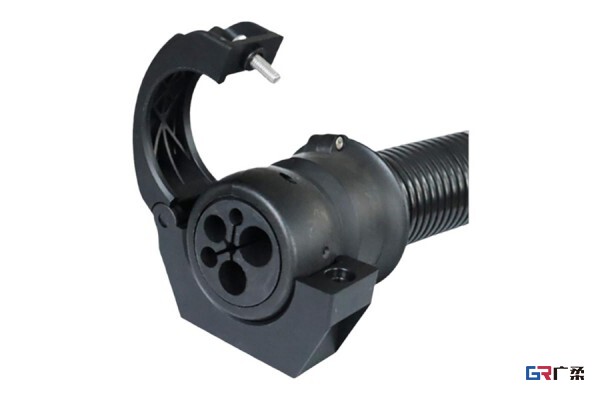
important Takeaways
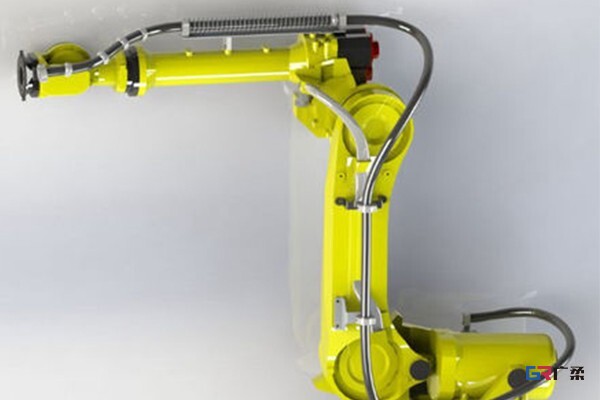
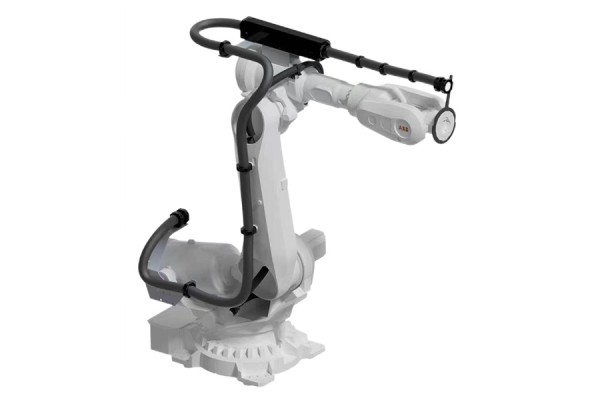
Opting for tailored industrial robot dresspacks is essential for achieving operational excellence in robotics. These customized solutions not only streamline cable management but also contribute to a decrease in maintenance needs and unexpected downtimes. By ensuring that cables are organized, tailored dresspacks help prevent wear that can hamper robotic movement, thus enhancing overall reliability. Specific features, such as high-load resistance materials and flexible designs, cater to the dynamic demands of various industrial applications. Companies that invest in appropriately designed dresspacks experience increased productivity as these components mitigate disruptions and prolong equipment lifespan. Ultimately, selecting the right dresspack supports a seamless integration of robotics into modern workflows, encouraging sustained efficiency across operations.
Elevating robot efficiency
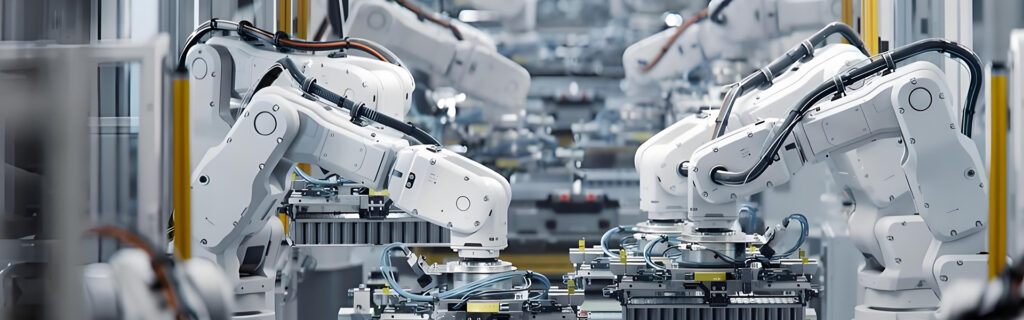
tailored industrial robot dresspacks play a significant role in enhancing overall efficiency in robotic systems. By providing a well-organized cable management solution, these dresspacks help prevent cable tangling and wear, allowing robots to operate at their full potential. Reducing friction and preventing snagging during movement leads to smoother operations, minimizing interruptions. In environments where robots are subject to high levels of stress, specially designed dresspacks contribute to prolonged equipment lifespan and reliability.
"Choosing the right dresspack minimizes the risk of downtime and increases the longevity of robotic systems."
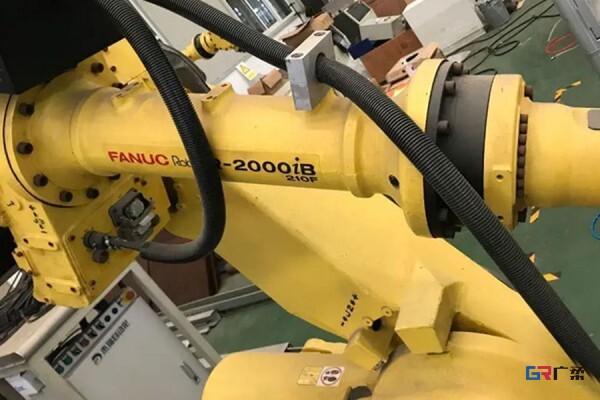
The integration of high-load resistance hoses ensures that dresspacks maintain their structure even under extreme movement conditions. This durability translates into fewer maintenance needs and less frequent replacements. Furthermore, collaborative design processes between engineers and customers result in dresspacks tailored for specific tasks or environments, addressing unique operational requirements effectively.
Incorporating these optimized solutions allows for the seamless operation of robots across various applications such as industrial automation, automotive manufacturing, and shipbuilding. By focusing on custom designs that accommodate specific operational demands, manufacturers can achieve a notable increase in productivity levels within their robotic fleets.
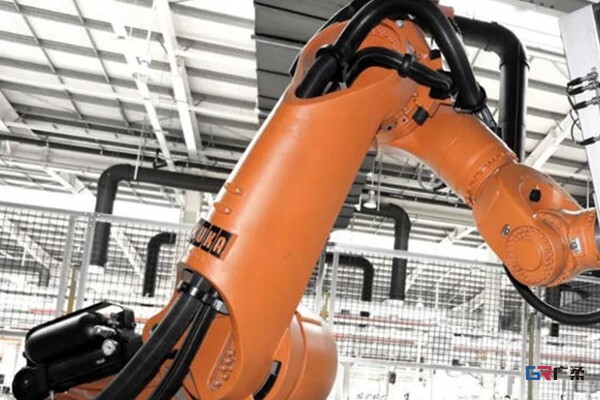
Custom dresspacks explained
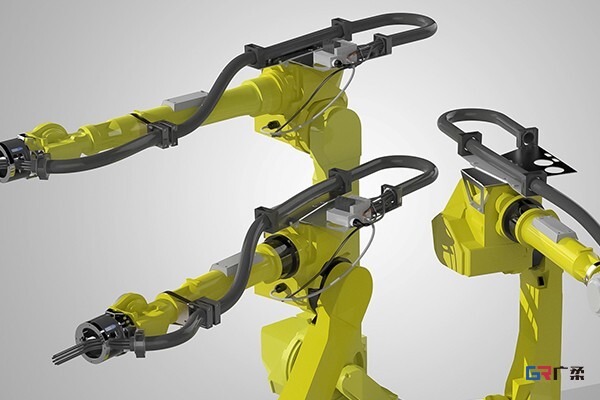
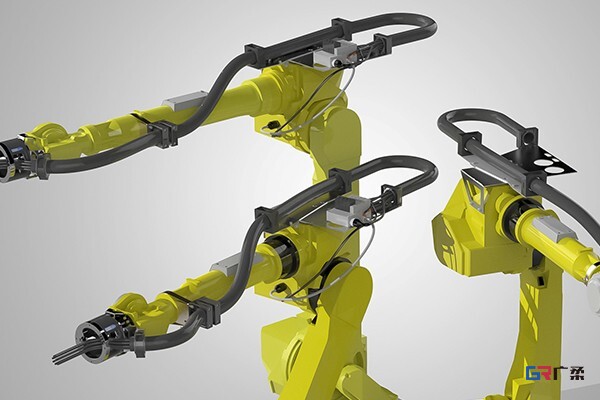
custom dresspacks are engineered solutions tailored to the specific requirements of robotic applications. They effectively bundle cables and hoses, designed to prevent interference with robot movement while minimizing bending stresses that lead to wear and tear. These solutions emerge from close collaboration between engineers and clients, ensuring that each dresspack meets the unique operational needs of different environments. The choice of materials, component design, and flexibility are all critical in developing a dresspack that can endure the demanding conditions of industrial settings. By assessing factors such as load capacity and the types of movements required, engineers can design dresspacks that improve performance and longevity. With various configurations available, these custom solutions prove essential for industries ranging from manufacturing to logistics, ensuring robots operate efficiently while safeguarding cable integrity over time.
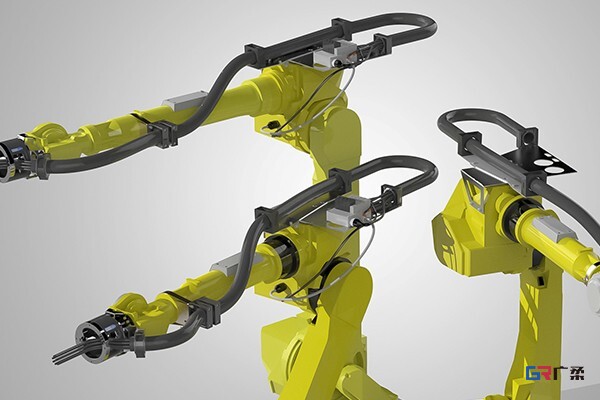
Reducing downtime with Dresspacks
Dresspacks play a vital role in minimizing robotic downtime by ensuring that cables and hoses are managed efficiently. When cables are bundled and secured properly, it reduces the risk of entanglement and wear during operation. This organized approach allows robots to move more freely without the added stress of improperly secured lines, which can lead to failures or unexpected maintenance needs.
also, dresspacks are designed to withstand harsh conditions, which means fewer replacements over time. This durability not only extends the lifespan of components but also directly correlates with less frequent maintenance activities. Customization adds another layer of effectiveness; by tailoring dresspacks to specific applications, engineers can address unique challenges that a standard design may not consider. As a result, companies can expect higher operational efficiency and reduced interruptions, effectively supporting continuous production cycles across various industries. By leveraging these structured solutions, organizations maintain productivity while enhancing the reliability of their robotic systems.
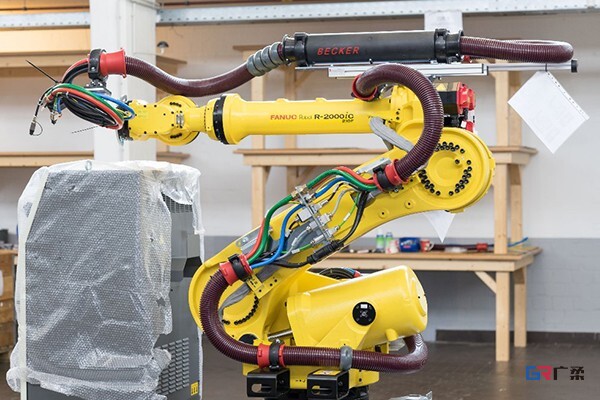
Cable management solutions
effective cable management is essential in minimizing wear and tear on robotic systems. Tailored dresspacks provide a structured approach to organizing cables and hoses, preventing tangling and friction during operation. When designing these systems, engineers must consider the dynamic movements of the robot to ensure that cables operate smoothly without restrictions.
One approach involves using flexible conduits that maintain the organization of cables while allowing movement. The choice of materials is critical; high quality thermoplastics can resist abrasion and temperature extremes, prolonging lifespan. also, the integration of strain relief components can reduce stress at connection points, minimizing failure risks.
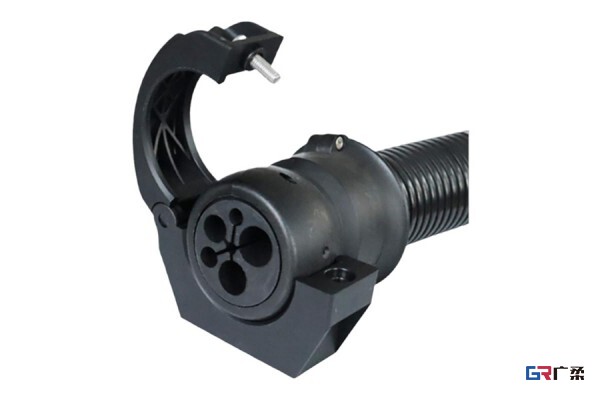
new accessories like hose clips or brackets play a vital role in stabilizing the assembly, ensuring that even under rapid or repetitive motions, there’s no interference with robot performance. This meticulous attention to cable management not only enhances operational efficiency but also contributes significantly to reducing downtime associated with maintenance issues stemming from cable failures.
Durable solutions for Robots
Durability is essential for industrial robot dresspacks, as they operate in challenging environments where wear and tear can occur quickly. These dresspacks are designed with robust materials that can withstand extreme movement and environmental factors like heat, moisture, and abrasive contaminants. High-load resistance hoses maintain their shape even under significant stress, preventing failures during operation. also, support components provide the necessary flexibility to adapt to rapid robotic motions while protecting internal wiring and hoses from damage. The new designs incorporate features such as reinforced connections and protective casings that help extend the lifespan of the components. This focus on durability not only enhances operational reliability but also contributes to lower maintenance costs over time, ensuring that robots remain functional in demanding applications across various industries. As robots are expected to perform consistently over millions of cycles, selecting dresspacks built for durability becomes a fundamental aspect of maintaining efficient production lines.
Optimizing robot performance
robot performance hinges on effective cable management, which is where tailored industrial robot dresspacks play a significant role. By securely bundling cables and hoses, these systems eliminate clutter and prevent tangles, ensuring that robots operate smoothly without interruptions. Dresspacks are designed to minimize bending stress, thereby protecting cables from wear and tear during extensive movements. Customization allows engineers to select specific materials and configurations that cater to each robot’s unique operational demands. For instance, industries like automotive manufacturing require flexible yet sturdy dresspacks to handle high-speed movements without sacrificing durability. Moreover, with the right dresspack in place, maintenance can shift from reactive to proactive, as reduced wear translates into fewer breakdowns and less downtime. Ultimately, choosing the appropriate dresspack directly correlates with overall robot efficiency and reliability in various applications.
Versatile dresspacks for Industries
Industrial robot dresspacks are adaptable solutions tailored to meet the unique requirements of various sectors. In manufacturing, they streamline the operation of automated systems, reducing wear and tear from excessive movement. The automotive sector benefits from dresspacks that manage multiple cables efficiently while supporting high-speed applications. In rail transportation, robust designs protect cables from environmental factors while maintaining optimal functionality over long distances.
The shipbuilding industry requires dresspacks that can endure harsh conditions and provide reliability under extreme motion, where cable management is vital to ensure seamless operations. In the realm of digital monitoring, lightweight and flexible dresspacks improve data acquisition processes while safeguarding cable systems against damage. These versatile solutions not only improve overall performance but also extend the lifespan of robot components across different applications, showcasing their critical role in the evolving automation scene.
main Features of Dresspacks
Industrial robot dresspacks are tailored for optimal performance, ensuring reliable cable management under various conditions. High-load resistance hoses maintain their shape during rapid movements, preventing wear and tear that could lead to downtime. Flexible support components allow for necessary movement without compromising structural integrity, reducing bending stress on cables. Accessories such as hose clips and fixing bases further improve functionality by securing cables neatly and preventing tangling.
Dresspacks are engineered for diverse applications, adapting to the specific needs of different industries. For instance, in automotive manufacturing, they can withstand the rigorous demands of production lines, while in digital monitoring, they provide protection from environmental hazards. The versatility of dresspacks makes them essential across sectors such as rail transportation and shipbuilding. Their ability to shield cables from external pressures directly affects the longevity of both the dresspack and the robotic system it supports. Tailored designs offer customized solutions that maximize efficiency and reduce potential failure points in robotic systems.
Conclusion
tailored industrial robot dresspacks serve as critical components in enhancing robotic performance across various sectors. By ensuring efficient cable management, these dresspacks mitigate issues such as cable tangling and wear, which can significantly impact uptime. Their durable design allows them to withstand the harsh environments typical in industrial settings, reducing the need for frequent replacements and maintenance. The collaborative approach in their development means they can be customized to meet specific operational demands, leading to optimized workflows. As manufacturing technologies evolve, the role of dresspacks becomes even more vital, underscoring their importance in maintaining productivity and reliability within robotic systems. Choosing the right dresspack aligns with strategic operational goals, contributing directly to consistent performance across diverse applications.
FAQs
What is an industrial robot dresspack?
An industrial robot dresspack is a system that organizes and protects the cables and hoses connected to robotic arms, ensuring smooth operation and minimizing wear.
How do tailored dresspacks improve robotic performance?
Tailored dresspacks optimize cable management, reducing friction and tangling, which enables robots to move more freely and operate without interruptions.
What materials are commonly used in dresspack construction?
high quality thermoplastics and flexible materials are typically used for their durability, resistance to abrasion, and ability to withstand extreme movements.
Can I use a standard dresspack for different robotic applications?
Standard dresspacks can be used, but customized designs are often more effective for specific applications as they address unique operational challenges better.
How does a well-designed dresspack reduce downtime?
A well-designed dresspack minimizes cable tangling and wear, which decreases the likelihood of mechanical failures that can lead to unexpected maintenance.
What industries benefit most from industrial robot dresspacks?
Industries such as manufacturing, automotive production, shipbuilding, and logistics rely heavily on industrial robot dresspacks for improved efficiency and reliability.
How often should I inspect my robot’s dresspack?
Regular inspections are recommended depending on operational intensity; visual checks should be conducted frequently while thorough inspections are advisable during scheduled maintenance.