Key takeaways
Robot pipe packages are part of efficient robotic systems. They keep cables and hoses in order, which matters more than it sounds once a line starts rubbing, kinking, or failing at the worst time. When choosing one, look at material toughness, strain relief, and whether the routing fits the machine’s movement. If maintenance staff can reach it without tearing half the cell apart, that’s a real advantage. Custom layouts help too, because generic setups often fit badly. As automation keeps moving forward, better hose and cable management keeps paying off in day-to-day uptime, not just on a spec sheet.
Keeping robotics moving well
Cable and hose routing has a direct effect on how a robot behaves. A well-built cable package gives wires a clear path, keeps power and data stable, and cuts down on the wear that happens when a machine repeats the same motion all day. When cables are secured properly, maintenance calls drop. The movement stays smooth, which matters in tight cells where a snag can ruin an entire shift. Material choice and construction method matter more than marketing copy; the hardware either survives the job or it doesn’t.
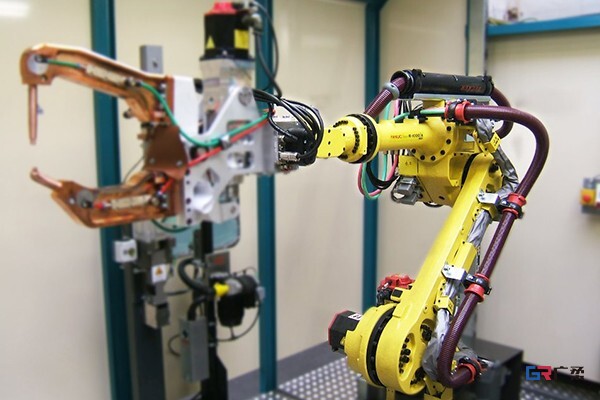
The role of cable management packs
Cable management packs keep robotic cells from turning into a mess of hoses, loops, and crushed wiring. They protect components from abrasion and shop-floor grime, which keeps downtime down. Power and data stay where they should, and that sounds basic until a loose lead takes a line offline.
"A well-matched cable pack can save you a lot of annoying stoppages."
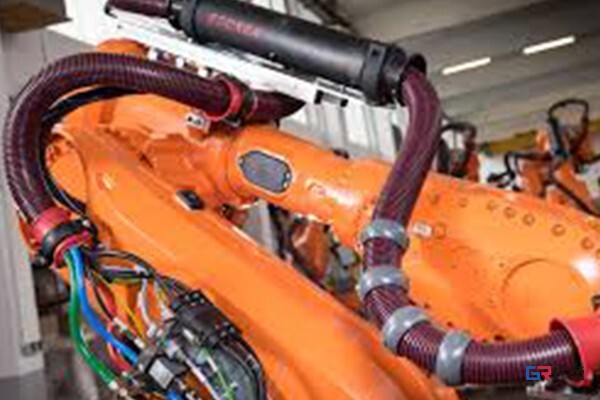
These assemblies usually include strain relief, corrugated tubing, and other parts built for repetitive motion. Good ones are easy to inspect and don’t turn maintenance into a scavenger hunt. Strong materials help them last. ATEX and CE certification still matter when the equipment has to work in rough or risky conditions.
A well-chosen setup affects the pace of the whole cell. One bad cable failure can slow everything, and nobody wants to troubleshoot that at 2 a.m. when the line should be quiet.
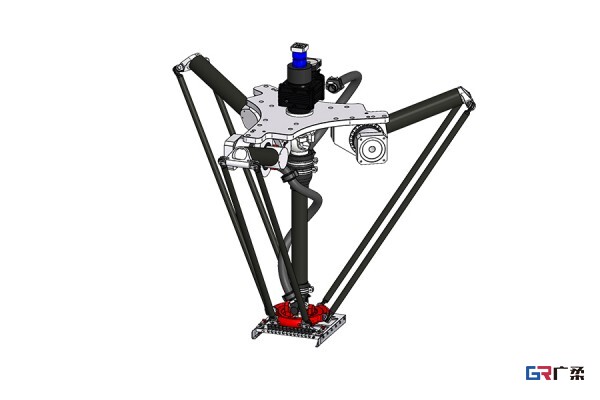
Smoother cable routing for robots
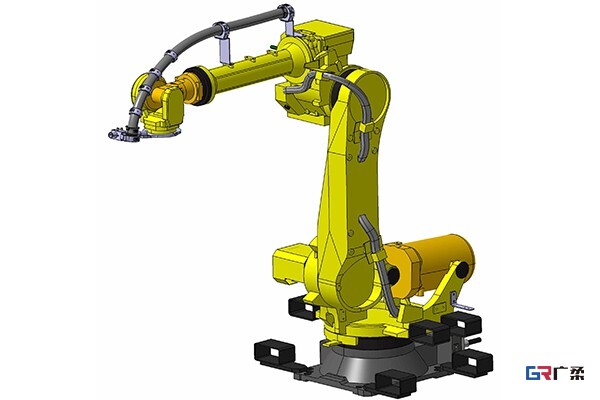
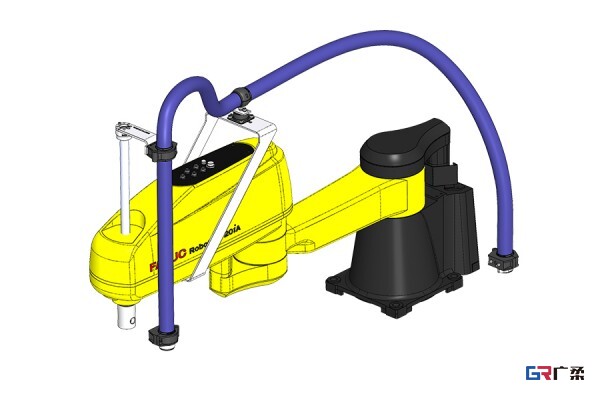
Dress packs keep cables and hoses in line, which sounds simple but saves real trouble later. They cut down on snagging and contact damage, so the robot can move without fighting its own wiring. That lowers repair work and the ugly stops that follow. They also need enough give to follow the arm without pulling too hard on the connections.
Effective installation matters. Each setup needs to match the motion range, payload, and workspace. Maintenance access should be built in, because no one wants to strip a system apart just to check a worn section. In harsher plants, these assemblies need to handle heat, grit, and constant movement without falling apart.
On a packed manufacturing floor, tidy routing keeps production from getting tripped up by a cheap cable failure. Spending more on a solid dress pack usually pays back in uptime and fewer surprise stops.
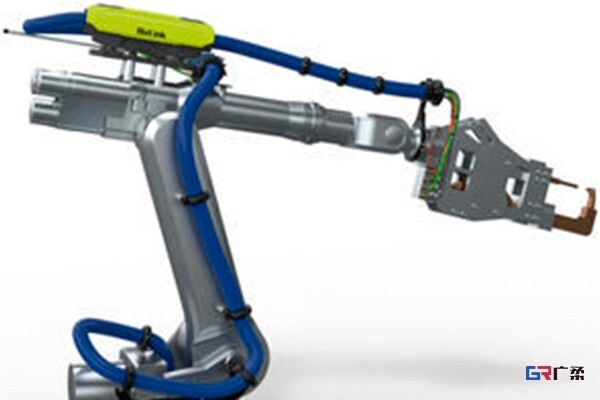
Organized cable solutions for robots
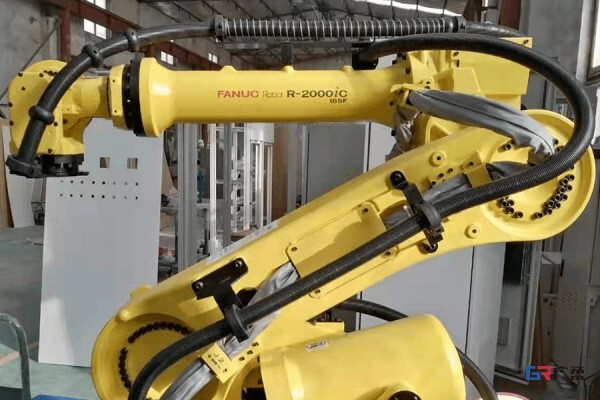
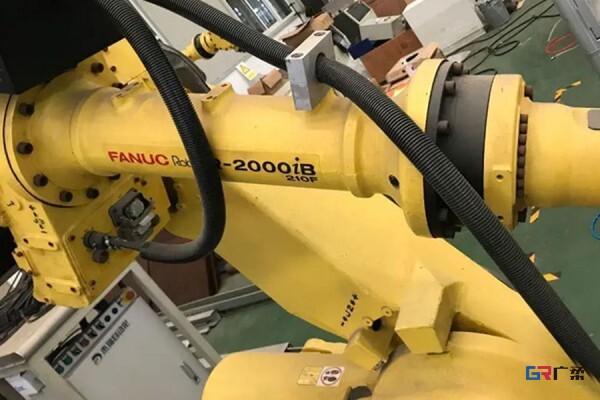
Clear routing matters in robotic work. These systems create a defined path for cables and hoses, which reduces clutter and keeps parts from getting chewed up during motion. They work with different cable types and still leave room for the movement the arm needs. Strain relief adds another layer of protection by easing the stress caused by nonstop motion. Corrugated tubing helps guard against dust, oil, and mechanical wear, so the setup lasts longer and needs less attention. With better materials and smarter layouts, these routing systems have become a basic part of clean, reliable automation, especially in automotive plants and other heavy industrial settings.
Making automation less fragile
These cable packages make automation more dependable. They shield wires and hoses, so day-to-day motion is less likely to chew through a line and shut things down. Good strain relief and tough materials help parts survive industrial abuse, which means fewer maintenance calls and less idle time. Custom builds matter too, because one machine’s problem is another machine’s bad fit. Careful environmental testing matters in hot, dirty, or damp spaces, where cheap hardware tends to fail at the worst time. If a plant depends on automation, these systems stop being optional pretty fast.
Design choices in pipe packages
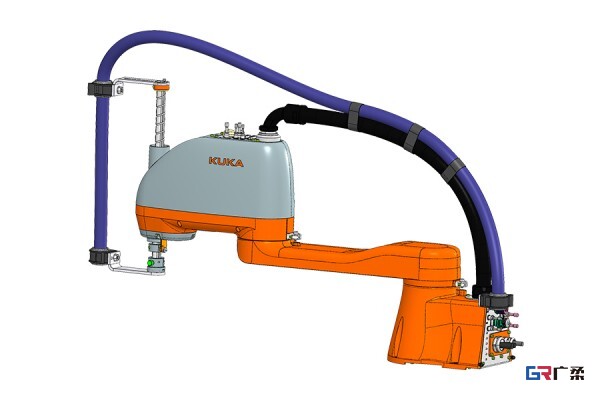
Pipe packages use a few smart ideas to deal with the awkward reality of industrial robots. Flexible corrugated tubing, spring-return elements, and other motion-friendly parts keep the setup responsive without feeling flimsy. Adjustable strain relief helps cables survive repeated bends. Mounting hardware that is easy to fit saves time during installation and makes later changes less painful. That matters in automotive lines and other places where every minute of downtime has a price tag. Lightweight materials help the arm stay quick without sacrificing strength. More manufacturers are also building custom options, since real machines rarely match a catalog perfectly.
Core features of robot pipe systems
These systems usually share a few traits that make them useful. Strong materials help them hold up in harsh environments, where heat, dust, and vibration wear down cheaper parts. Strain relief protects cables and hoses during repetitive motion and helps the whole setup last longer. Careful routing also saves space and makes maintenance less annoying.
Modularity matters too. It lets teams adapt the layout to the job instead of forcing a bad fit. Brackets, clamps, and other supports keep things steady while still allowing movement. That kind of flexibility helps robotic cells stay usable across different platforms, from car plants to other automated lines.
Certifications like ATEX and CE tell users the hardware has been checked against safety rules for tougher environments. Together, these features make the systems useful in day-to-day robotics work.
Where these systems are used
These assemblies show up in a lot of places, and for good reason. In industrial automation, they guide the cables and hoses that power robotic arms while cutting down on wear from repeated movement. In automotive manufacturing, they help keep assembly lines organized, so power and data lines don’t tangle and stall the process. Rail systems use them to protect sensor and control connections that have to stay steady. Food processing plants rely on them too, since hygiene rules leave little room for exposed or dirty wiring. As robotics moves into more jobs, the same basic idea keeps adapting to new conditions.
Conclusion
Advanced cable routing systems matter if a plant wants automation to hold up under real work. When cables and hoses are managed well, robots run more predictably and maintenance crews spend less time chasing avoidable damage. The design has to fit the machine’s movement and survive the environment, which sounds obvious until a bad layout causes repeated failures. Choosing the right setup affects speed, safety, and how much frustration the team carries into the next shift. New materials and better engineering keep opening up more uses, but the gains are uneven and sometimes expensive. Still, sturdy routing hardware keeps automation practical in manufacturing and beyond.
FAQs
What is a robot pipe package?
It’s a system built to organize and protect cables and hoses in robotic applications so the machine can move without chewing up its own wiring.
Why are cable routing systems important?
They prevent cable wear, reduce downtime, and improve the overall reliability of robotic systems in industrial environments.
How do I choose the right one?
Look at the type of cables, the motion range, and the environment the machine works in. Those three things usually decide whether a setup fits or turns into a headache.
What features should I look for in a cable pack?
Durability, strain relief, flexibility, and compliance with safety standards like ATEX and CE all matter.
Can they be customized for specific applications?
Yes. Many manufacturers build to order so the design fits the machine instead of forcing the machine to adapt.
How do they improve automation reliability?
They lower the chance of damage to critical components, which means fewer repairs and fewer stops in the middle of a run.
In what industries are they commonly used?
They’re widely used in automotive manufacturing, industrial automation, food processing, and rail transportation.
What materials are typically used in them?
Common materials include high-grade plastics and flexible corrugated tubing built to handle harsh industrial conditions.
How do I maintain my robot pipe system?
Check it regularly for wear, abrasion, loose fittings, and dirt buildup. It also helps if the layout leaves enough access for service without taking half the machine apart.