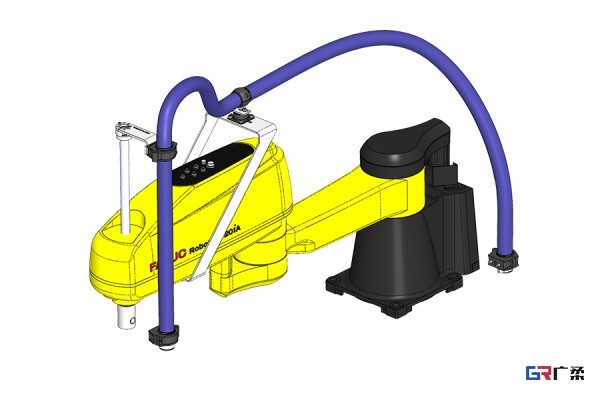
important Takeaways
Dresspack systems for industrial robots are a cornerstone of dependable automation. They shield cables, hoses, and wiring harnesses from wear and environmental exposure, while routing them along the robot’s movements, cutting downtime and maintenance effort. A well‑designed dresspack minimizes bending, torsion, and mechanical stress, prolonging cable life and preserving performance at high speeds. For effective selection, engineers should tailor length, flexibility, and mounting to the robot’s movement pattern and operating environment, paying attention to strain relief, fixation, and service access. The impact on efficiency is tangible: fewer surprise failures, easier cable replacements, and quicker maintenance workflows. Compliance with testing standards and safety regulations, IP ratings, flame resistance, RoHS/CE, provides confidence in longevity and safety across sectors. Customization, modularity, and ongoing monitoring of wear and routing enable continuous improvement in cable management and overall system reliability.
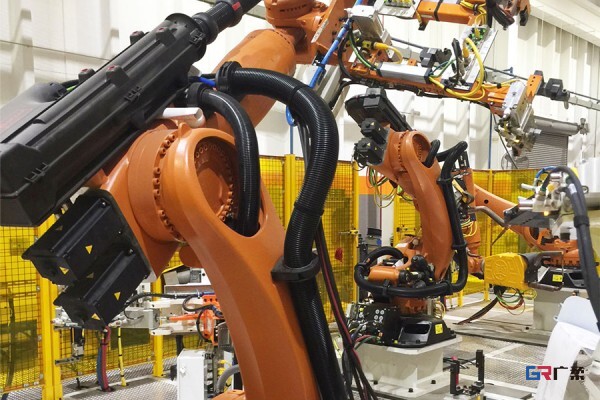
Importance of Dresspack Systems for Industrial Robots
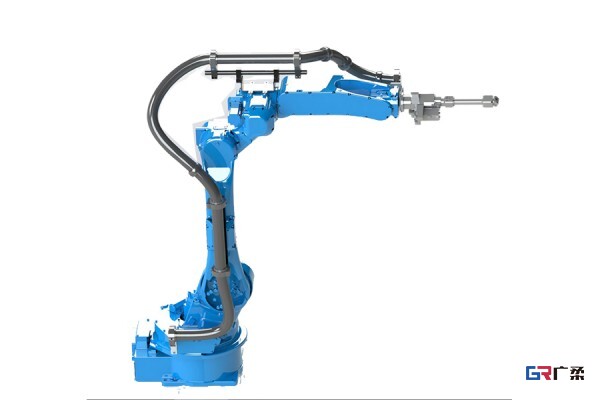
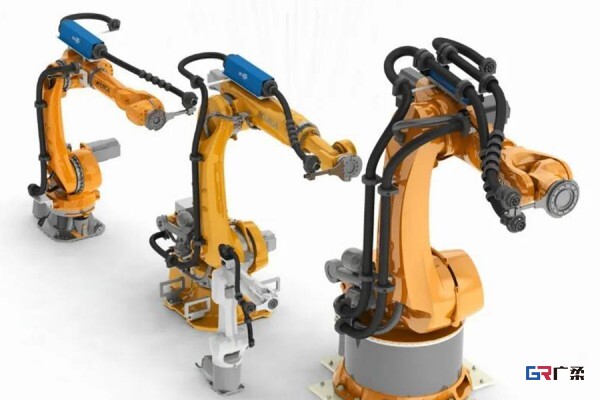
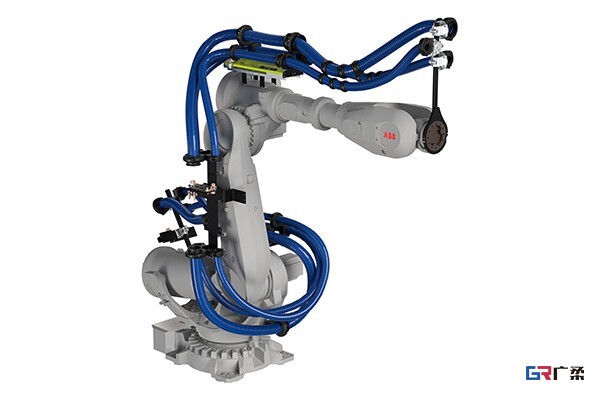
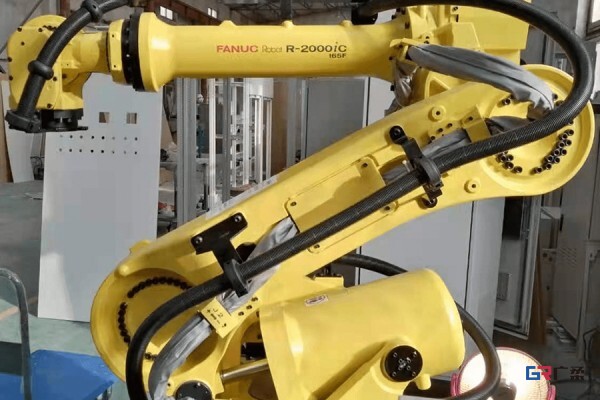
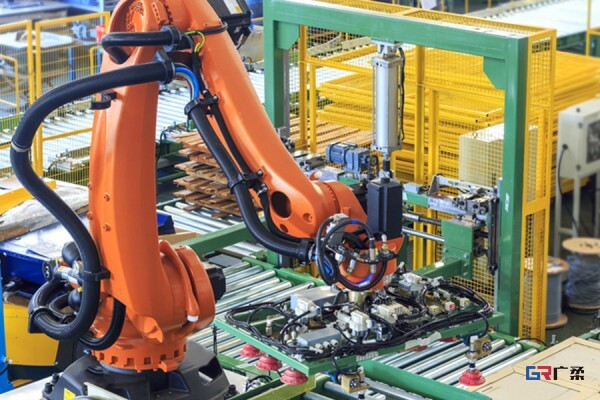
Dresspack systems for industrial robots play a key role in ensuring the effective functioning of robotic applications. They act as protective solutions, organizing and safeguarding essential cables, hoses, and wiring harnesses that are crucial for proper robotic operation. By limiting exposure to physical harm from the environment, dresspacks substantially cut maintenance needs and possible downtimes. Moreover, they enable smooth cable routing during robot movements, which is essential for sustaining operational efficiency in high-speed settings. With over 85% of robotic downtime tied to cable failures, choosing a sturdy dresspack setup is key for sectors dependent on automation. By considering specific installation conditions and the robot’s movements during design, engineers can optimize these systems to boost overall performance and reliability in automated environments.
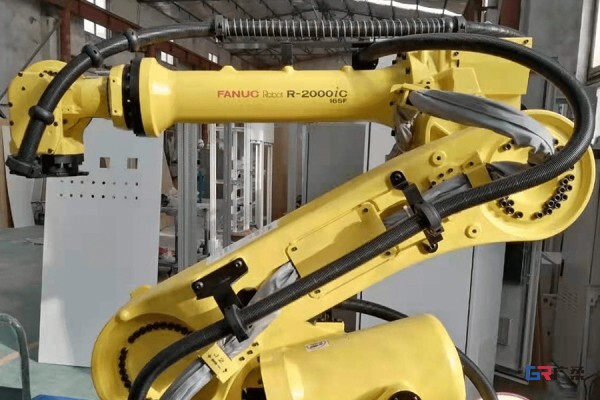
Functions of Dresspack Solutions for Industrial Robots
Dresspack solutions for industrial robots serve several key roles essential for efficient cable management in automated settings. These systems shield cables and hoses from physical damage, wear, and environmental hazards, ensuring these vital components run reliably. They preserve proper routing during high-speed movements, preventing tangling and maintaining efficiency. Dresspacks lessen cable tension and torsion, extending cable life and reducing the odds of premature failures. Furthermore, by offering stable fixation, they enable robots to move flexibly without sacrificing performance. Maintenance is streamlined; dresspacks make it easier to access cables for replacement or adjustments, reducing downtime. Their role in shielding against mechanical stress while supporting intricate movement patterns underscores their importance in industrial automation. Ultimately, these functions substantially contribute to the reliability and efficiency of robotic systems across diverse sectors.
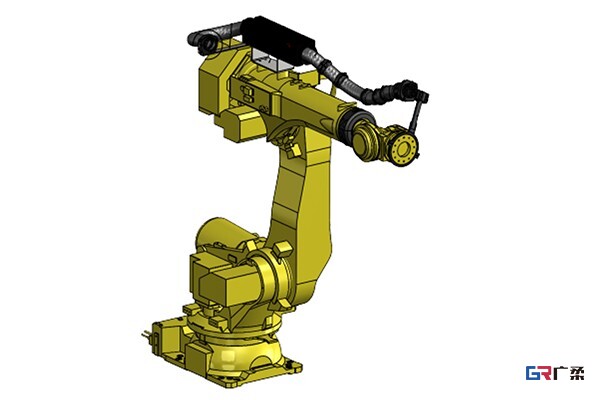
Applications of Dresspacks Across Industries
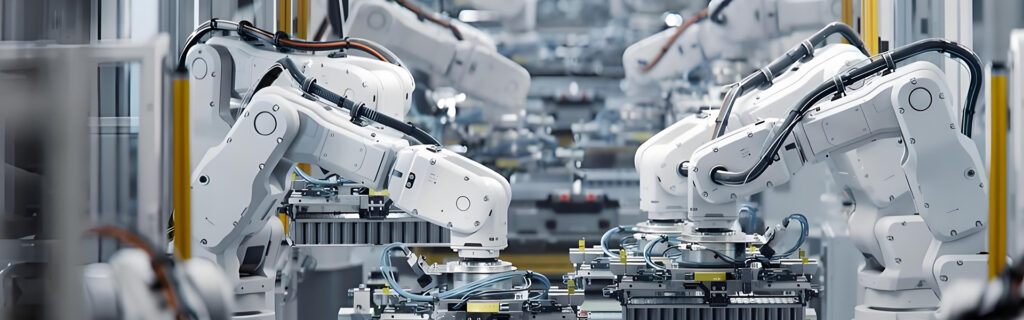
Dresspacks for industrial robots are crucial across multiple sectors, where they streamline operations and improve efficiency. In automotive manufacturing, they handle numerous cables vital for robotics in assembly lines and welding, ensuring reliability under high-speed conditions. In industrial automation, dresspacks support data transmission and power delivery, enabling seamless interaction between automated systems and machines. Battery production and new-energy sectors rely on dresspacks to sustain critical power connections while shielding cables from wear and environmental exposure. Rail transportation uses these systems to bundle cables in train assembly, boosting safety and organization. Shipbuilding and chemical sectors benefit from sturdy dresspack designs to mitigate risks tied to harsh environments. Additionally, packaging, palletizing, and material handling rely on dresspacks for effective cable management in dynamic settings where movement never stops. Electrical control systems also employ dresspacks for dependable monitoring tasks, showing their versatility in boosting operational integrity across diverse industrial scenes.
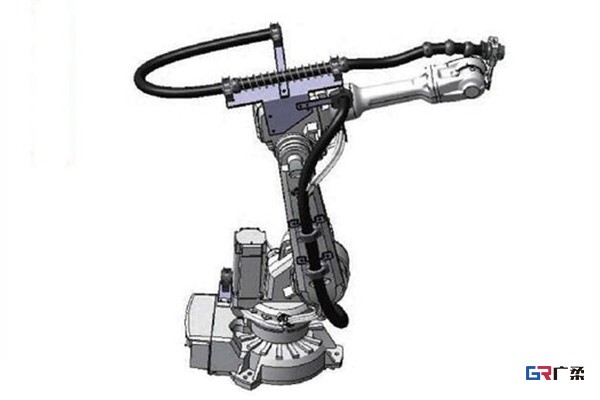
Main Components of Dresspack Systems for Industrial Robots
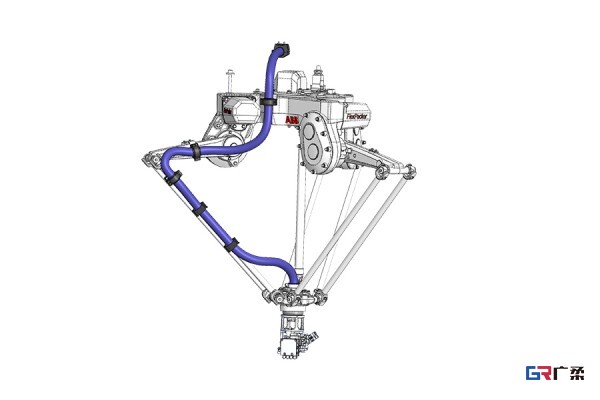
Dresspack systems for industrial robots consist of several key components that ensure optimal cable and hose management. Flexible corrugated tubing acts as a protective conduit for cables, accommodating bending and twisting movements while shielding against wear and environmental hazards. Cable carrier boxes are crucial for housing these cables and enabling organized routing across the robot’s movement range. Fixing bases and positioning rings secure the whole assembly, ensuring stability during operation. Also, spherical sleeves and adapters enable smooth transitions between rigid and flexible parts, while cable fastening rings prevent damage by preserving appropriate tension without overextension. Strain-relief devices are essential for absorbing stress points, thereby extending the system’s overall longevity. Incorporating wear rings and impact protectors helps shield cables from unexpected damage caused by external forces. Support brackets, clamps, and spring-telescoping systems are also needed to enhance operational flexibility while handling service loops between various robot axes efficiently. Together, these parts ensure dependable performance in industrial settings, boosting efficiency and safety in automated environments.
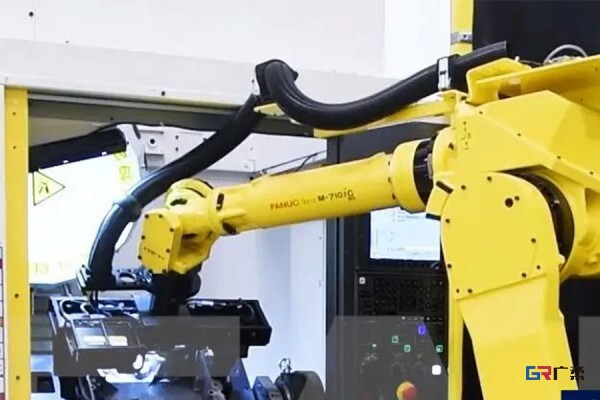
Impact of Dresspacks on Cable-Management Efficiency
Dresspacks for industrial robots play a primary role in boosting cable-management efficiency by reducing wear on cables and hoses. Their design minimizes bending, twisting, and mechanical stress, which are common causes of damage in high-speed robotic operations. By maintaining optimal routing, dresspacks keep cables securely positioned during operation, reducing the chances of accidental disconnections or failures. This efficiency translates into fewer production interruptions caused by maintenance or repairs, which can significantly affect overall productivity. Additionally, using dresspacks simplifies cable replacement and adjustments, further streamlining maintenance. With improved organization and protection of critical wiring, dresspacks for industrial robots promote reliable performance in automated settings, ultimately yielding higher operational efficiency and reduced downtime. The impact of these systems is visible across diverse applications where resilience and reliability matter for successful automation.
Design Considerations for Effective Dresspack Systems in Rob
Effective design of dresspack systems for industrial robots involves several factors to optimize cable management and boost durability. First, material selection matters, as they must withstand the specific operating environment, including temperature swings, chemical exposure, and mechanical wear. Customization based on robot motion patterns is essential; engineers must consider the robot’s range of movement when determining dresspack length and flexibility. Also, ensuring proper cable routing is essential to prevent entanglement and ease strain during operation. The inclusion of strain-relief devices can further support cable integrity by minimizing stress points. Moreover, careful placement of mounting brackets and fixing bases can enable easy maintenance access while maintaining stability during operation. Ventilation also needs attention to prevent overheating in confined environments. Finally, adding feedback mechanisms in the design enables real-time monitoring of performance. By attending to these factors, engineers can craft robust dresspack solutions that markedly improve performance and reliability in automated settings.
Testing Standards for Reliable Dresspacks in Robots
Ensuring reliability of dresspacks for industrial robots requires thorough testing to meet several standards. Key tests include ATEX certification for equipment used in potentially explosive environments, confirming compliance with CE and RoHS safety and environmental rules. Tests should evaluate IP68 ratings, which measure resistance to dust and water ingress, crucial for functioning in harsh conditions. Additionally, flame-resistance testing checks material performance under fire exposure, while low-smoke zero-halogen testing ensures minimal toxic emissions during burning. Low-temperature testing checks structural integrity in extreme cold, while aging and corrosion-resistance tests confirm durability over time. Following these standards, manufacturers can ensure that dresspacks for robots perform reliably, reducing the risk of failures and boosting overall operational efficiency in automated environments.
Maintenance Benefits of Using Dresspacks for Industrial Robo
Using dresspacks for industrial robots yields notable maintenance benefits that boost operational efficiency. First, these systems shield against cable wear and environmental damage, leading to fewer replacements and repairs. By managing cable and hose routing effectively, dresspacks lower the risk of tangling, reducing maintenance interruptions. Accessing cables becomes easier, enabling quicker adjustments or replacements without disassembling large sections of the robot. This streamlined process saves time and lowers labor costs tied to maintenance tasks. Moreover, dresspacks promote better organization of wiring and hoses, reducing confusion during routine checks or repairs. This clearer cable management fosters a proactive maintenance culture in facilities. Thus, dresspacks for industrial robots play a key role in sustaining machine reliability and extending the lifecycle of robotic components.
Conclusion
Dresspack systems for industrial robots are essential in modern automated environments, playing a vital role in improving cable management and lowering operating costs. Their design enables optimal routing of cables, which minimizes wear during high-speed movements, directly boosting system reliability. As industries push for automation efficiency, the demand for effective dresspack solutions grows. As robotic applications continue to evolve, engineers must keep refining these systems to meet challenges like environmental exposure and changing operational demands. Moreover, the benefits of better maintenance practices through dresspacks cannot be overlooked; they enable quicker access to cables and smoother adjustments, promoting proactive maintenance. Emphasizing robust design principles, rigorous testing standards, and attention to industry-specific requirements will ensure that dresspack systems for industrial robots meet evolving automation needs while protecting critical components from damage. This ongoing focus will not only raise productivity but also support the long-term sustainability of robotic solutions across various sectors.
FAQs
What is a dresspack system for industrial robots?
A dresspack system for industrial robots is a protective mechanism that organizes and shields cables, hoses, and wiring harnesses used in robotic applications.
Why are dresspacks essential in automated settings?
Dresspacks reduce cable wear while ensuring proper routing during robot movements, crucial for sustaining operational efficiency.
What materials are typically used to manufacture dresspacks?
Manufacturers typically employ flexible corrugated tubing, sturdy plastics, and metal components to withstand different stresses and environmental conditions.
How do I pick the right dresspack for my robot?
Think about your robot’s movement patterns, environmental exposure, and specific cable requirements when choosing a suitable dresspack.
Which testing standards should be used to ensure dresspack reliability?
Key tests cover IP protection levels for dust and water resistance, flame-resistance assessments, and compliance with safety regulations such as CE and RoHS.
How do dresspacks support maintenance efficiency?
They shield against cable damage and enable easier access for replacements or adjustments, cutting downtime during maintenance.
Can dresspacks for industrial robots be customized?
Yes, many manufacturers provide customization options based on particular operational needs and environmental conditions.
Which industries gain the most from dresspacks for industrial robots?
Sectors such as automotive manufacturing, electronics assembly, packaging, and chemical processing use dresspacks to boost operational efficiency in automation.