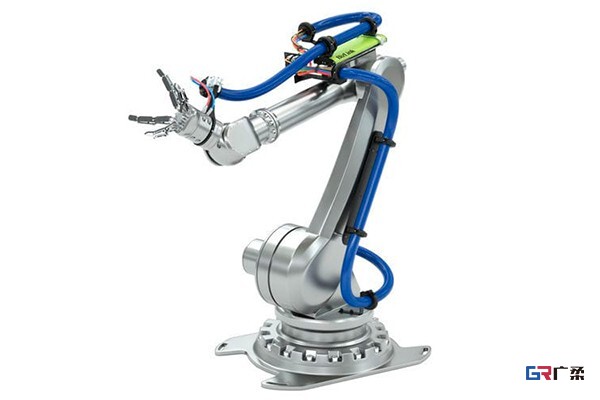
main Takeaways
From an engineering perspective, dress packs provide a practical solution for protecting and organizing cables, hoses, and pipelines in robotic systems. The main benefits are reduced wear from bending and torsion, improved reliability, and lower maintenance costs, as movement stays predictable and components remain out of the robot’s pathway. When selecting dress packs, consider the operating environment, cable types, bend radii, load capacity, and the robot’s motion profile to ensure compatibility and longevity. Material choice matters: durable, abrasion-resistant polymers with appropriate flexibility extend life without adding excessive weight or bulk. main design features such as bellows, secure fixtures, mounting brackets, and simple clips improve installation ease and resilience against accidental disconnections or impacts. Regular inspections and timely replacements are essential to maintaining performance and minimizing downtime. Tailoring dress packs to specific applications, manufacturing, logistics, or harsh environments, yields better protection, smoother operation, and safer, more efficient production. These systems are evolving as new materials and monitoring capabilities mature.
original Solutions for Robot Cable Management
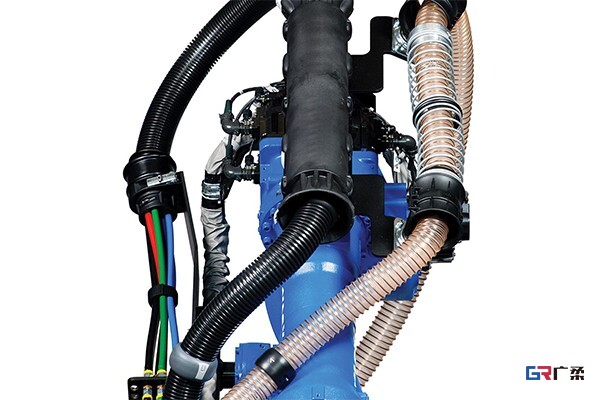
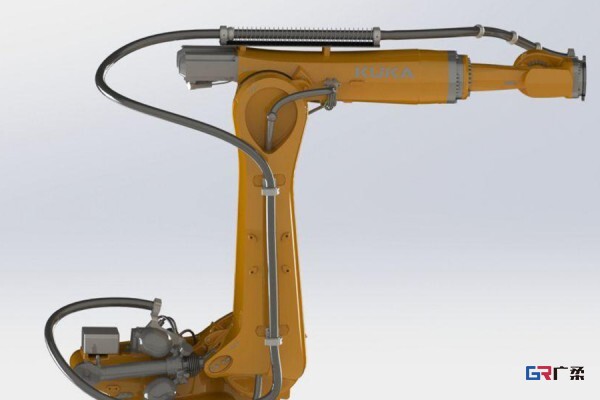
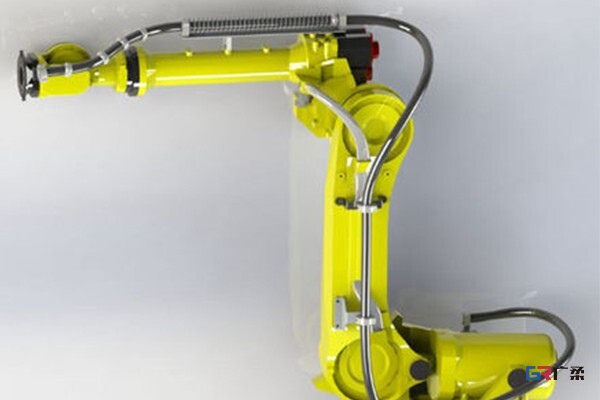
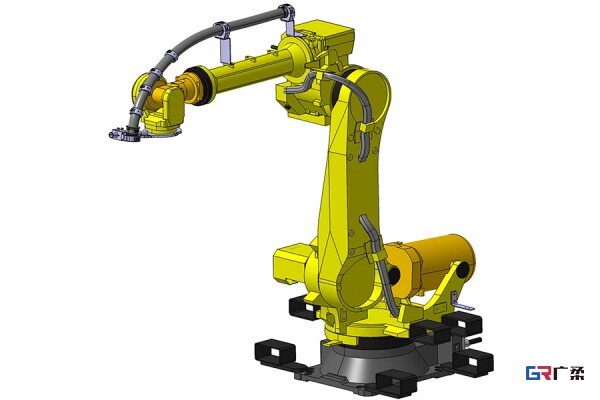
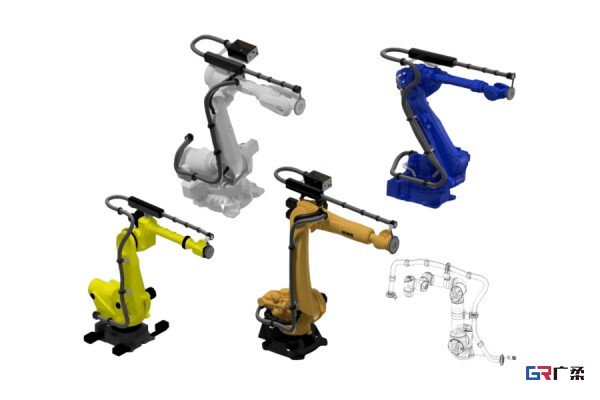
Effective cable management is essential in robotic systems to ensure operational efficiency and longevity. Dress packs offer original solutions by securely bundling and protecting cables, air hoses, and pipelines. These systems not only reduce wear from bending and torsion but also streamline movement by keeping components organized and out of the robot’s pathway. The integration of these solutions can significantly improve performance, allowing robots to operate in dynamic environments without interference.
also, advancements in materials and design have improved the flexibility and durability of dress packs, catering to the specific needs of different industrial applications. By featuring components such as bellows and specialized hoses, these systems maintain the integrity of vital connections during motion.
"Selecting the right dress pack can prevent potential failures that contribute to robotic downtime."
Properly tailored dress packs not only address unique operational requirements but also promote optimal use in diverse settings ranging from manufacturing to logistics. This approach leads to safer operations while maximizing productivity across various industries.
Enhancing robot cable protection with Dress Packs
Dress packs play an important role in improving cable protection for robots by bundling various components such as cables, hoses, and pipelines. By minimizing exposure to external elements and mechanical stress, these systems significantly reduce the risk of wear and damage. The strategic design of dress packs allows for smooth movement along robotic axes, effectively preventing tangling and accidental snagging. Furthermore, they are engineered to withstand harsh industrial conditions, which prolongs the lifespan of the enclosed components. The use of flexible materials in dress packs promotes both durability and adaptability, catering to various robotic applications. By ensuring that cables remain organized and protected, dress packs contribute to reliable robot performance across multiple sectors. Their ability to facilitate seamless integration of electrical and pneumatic systems enhances overall operational efficiency while safeguarding against potential hazards that could arise from unprotected wiring.
Minimizing wear in Robotic Systems
Minimizing wear in robotic systems is essential for maintaining long term operational efficiency. Dress packs play a main role in limiting the stress placed on cables and hoses by providing a structured path for movement. These systems reduce bending and twisting, which can lead to premature degradation of critical components. By keeping cables organized and protected from friction, dress packs significantly boost the durability of wiring and pneumatic lines. Proper material selection is also important; using abrasion-resistant materials can further prolong component life. Regular assessments of the condition of dress packs, along with timely replacements when necessary, contribute to minimizing wear and ensuring reliable robotic function in various industrial settings. This proactive approach not only safeguards equipment but also facilitates smoother operations, reducing interruptions in the workflow.
Reducing downtime with Effective Dress Packs
Effective dress packs are essential for minimizing downtime in robotic systems. A significant amount of robotic downtime, estimated to be around 85%, arises from failures within the cable management system. By utilizing dress packs designed to protect and organize cables, hoses, and pipelines, businesses can significantly reduce the risk of operational interruptions. These systems allow for smooth movement by preventing tangles and wear on critical components. Regular maintenance and thorough inspections of dress packs can further improve their reliability, ensuring that robots operate at peak efficiency. Moreover, tailoring these dress packs to specific applications helps address unique operational challenges, thereby reducing failure rates. Implementing new solutions in cable protection not only minimizes downtime but also supports the longevity of mechanical systems in demanding environments. This proactive approach fosters improved performance and reliability across various industrial applications, ultimately contributing to more streamlined operations.
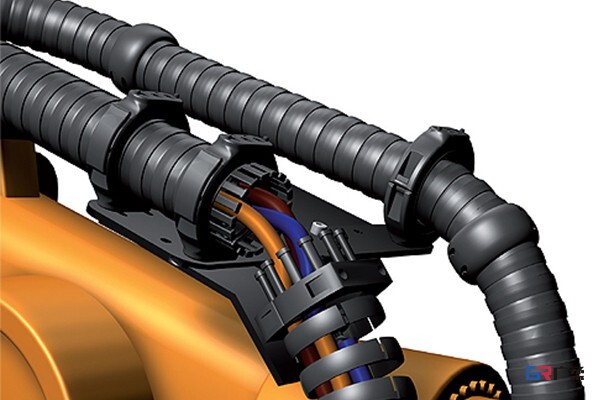
main Components of Robot Dress Packs
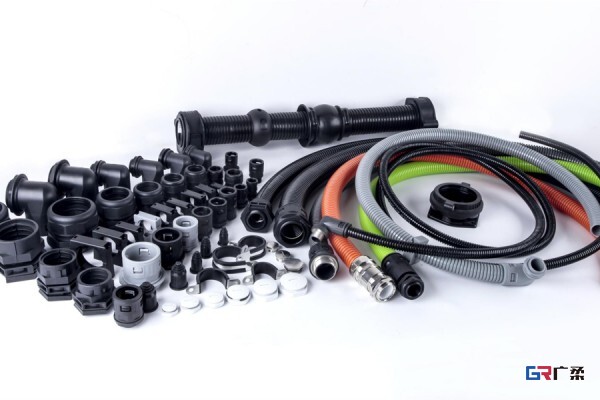
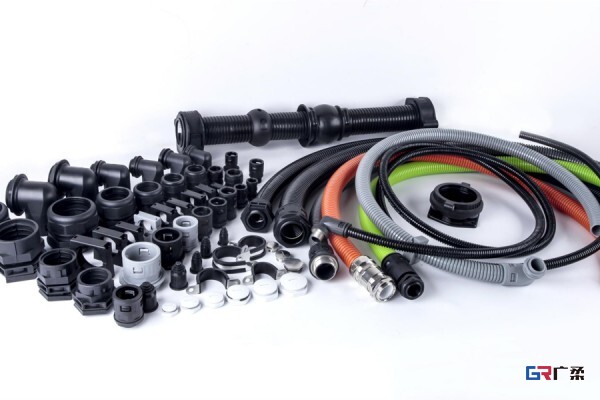
Robot dress packs consist of several vital components that work together to ensure optimal cable management and protection. Bellows are critical for accommodating the movement of cables and hoses while minimizing stress, contributing to flexibility and durability. Fixtures play an important role in securely holding the cables in place, preventing tangling or excessive wear during operation. Mounting brackets are essential for proper installation, offering stability and support to the entire assembly.
also, various accessories improve functionality. Specialized hoses are designed to withstand dynamic movements without compromising integrity, while clips provide secure connections that prevent accidental disconnections. Anti-collision protection ensures that dress packs can endure impacts without damage. Rings for secure assembly add an extra layer of stability, ensuring all components remain firmly in place throughout the robot’s operating cycle.
These main elements collectively bolster the effectiveness of dress packs, allowing them to meet the demands of different operational environments while extending the lifespan of critical cables and hoses. By understanding these components, engineers can select and configure dress packs tailored to specific robotic tasks.
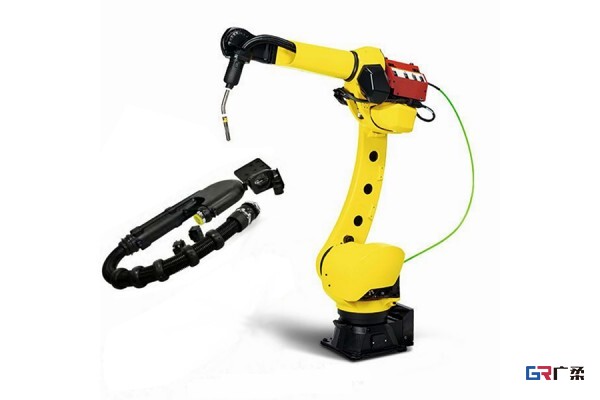
Applications of Dress Packs in Industry
Dress packs play a vital role in various industrial sectors, particularly in environments involving robotics and automation. In manufacturing facilities, they are essential for protecting cables and hoses that connect robotic arms to power and data systems. These packs minimize wear caused by frequent movement, ensuring that the machinery operates smoothly and efficiently. In rail transport, dress packs are utilized to safeguard wiring connections against harsh conditions. Similarly, in the chemical industry, they prevent exposure to corrosive substances, thereby extending the lifespan of sensitive components. Digital monitoring systems also benefit from these protective solutions, as they maintain signal integrity by organizing cables effectively. Each application illustrates how tailored dress pack solutions contribute significantly to operational efficiency across diverse industries, highlighting their importance in enhancing productivity and reducing maintenance costs.
Tailoring dress packs for Operational Efficiency
To achieve operational efficiency, it is essential to customize dress packs based on specific application requirements. Factors such as the robot’s working environment, movement patterns, and types of cables and hoses utilized must be considered during the selection process. Precise tailoring of dress packs can significantly minimize wear and tear on cables and prevent interference with robotic movement. Engineers should assess the load capacities, bend radii, and material properties of components to determine the most suitable configurations. also, collaboration with manufacturers can yield insights into advanced materials and design innovations that boost performance. This proactive approach to selection leads to improved durability and productivity in robotic operations. Ensuring that each dress pack meets the distinct needs of individual operations ultimately supports seamless workflow and reduces operational disruptions, paving the way for greater efficiency in automated tasks across various industries.
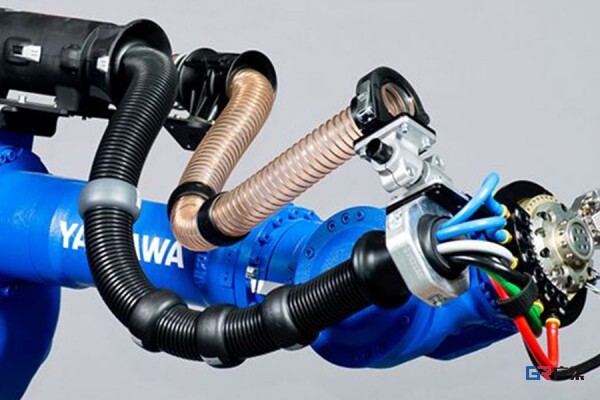
Advancements in Robotic Cable Protection Systems
Recent developments in robotic cable protection systems focus on improving resilience and flexibility, adapting to the evolving demands of industrial environments. new materials and designs allow these systems to withstand harsher conditions while providing enhanced support for high-stress applications. Advances in modular systems enable easier customization, allowing engineers to select components tailored to specific operational needs. This flexibility reduces the risk of wear by accommodating varying movement patterns associated with different robotic tasks. furthermore, integration with smart technologies facilitates real time monitoring of cable conditions, further minimizing risks of failure. These enhancements not only improve the lifespan of cables and hoses but also boost overall operational efficiency, reflecting a deeper understanding of the complex interaction between robotics and cable management. As robotic applications continue to expand across industries, these advancements enable teams to maintain performance standards while addressing the unique challenges posed by each setting.
Conclusion
original dress pack solutions are important for enhancing cable protection and management within robotic systems. By effectively organizing and shielding cables, hoses, and pipelines, these systems minimize wear and reduce the risk of mechanical failure. The customization of dress packs to meet specific operational requirements further supports the longevity of robotic components. As industries increasingly rely on automation, the need for reliable cable management systems becomes even more critical. The advancements in materials and design enable these solutions to adapt to various applications, ensuring sustained performance in dynamic environments. Ultimately, integrating high-quality dress packs not only improves the efficiency of robotic operations but also fosters a safer working environment, paving the way for increased productivity across sectors.
FAQs
What is a dress pack in robotic systems?
A dress pack is a system designed to bundle and protect cables, hoses, and pipelines in robots, ensuring organized movement while minimizing wear.
How do dress packs improve cable protection?
Dress packs boost cable protection by shielding components from external elements and mechanical stresses, thereby reducing the risk of damage.
What factors should I consider when selecting a dress pack?
When choosing a dress pack, consider the working environment, movement patterns, cable types, load capacities, and bend radii to ensure effective performance.
How often should dress packs be inspected or replaced?
Regular inspections of dress packs are recommended to assess their condition. Replacement should occur when wear is apparent or functionality declines.
Can dress packs be customized for specific applications?
Yes, dress packs can be tailored to meet the unique requirements of various applications, improving compatibility and operational efficiency.
What materials are commonly used in dress pack construction?
Dress packs are often made from flexible and durable materials like polyurethane or nylon that resist abrasion and environmental factors.
Do dress packs support integration with robotic systems?
Yes, well-designed dress packs facilitate the seamless integration of electrical and pneumatic systems within robotic setups for improved functionality.
How do advancements in materials boost the performance of dress packs?
Recent advancements focus on resilience and flexibility in materials, enabling better adaptation to harsh conditions while improving overall durability.
What role do accessories play in the effectiveness of a dress pack?
Accessories such as clips and anti-collision features boost stability and ensure that components within the dress pack remain secured during operation.