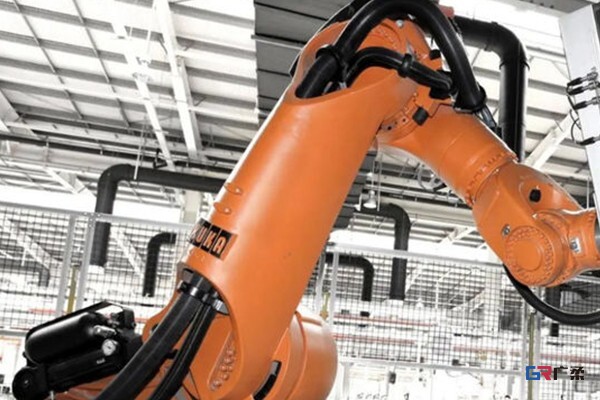
Key takeaways
Industrial robot dresspack is a key element of cable protection and overall system reliability. Designers should prioritize modularity, allowing rapid upgrades as robot configurations evolve. Durable, wear-resistant materials and reinforced hoses lengthen cable life under repetitive motion and harsh environments. Efficient routing and built-in strain relief cut wear and prevent kinks, while secure fixtures minimize movement-induced damage. Real-time monitoring capabilities, when feasible, enable proactive maintenance and lower downtime. Customization tailored to movement profiles and environmental factors yields an optimal balance between protection and weight. When selecting a dresspack, assess movement complexity, cable density, service intervals, and ease of replacement. Consider scalability to accommodate future line changes without extensive downtime. Finally, continuous innovation in smart materials and lightweight composites promises longer service life and more predictable maintenance, supporting higher productivity across industries.
Innovations in Dresspack Technology
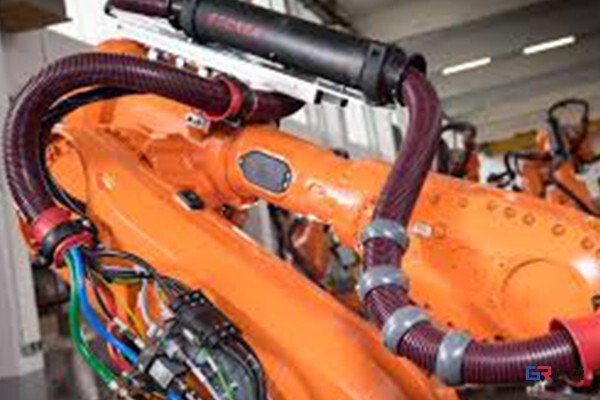
Recent advances in dresspack technology have focused on refining cable management systems for industrial robots. Enhanced design features now include flexible routing options that adapt to the robot’s movement, enabling more efficient cable management and lower wear. New materials are being used to craft lightweight yet sturdy protective hoses, which are essential in preserving cable integrity over time. Innovations such as built-in strain relief features help absorb movement and prevent damage, yielding longer service life. Moreover, the introduction of modular designs makes upgrades and maintenance easier, allowing operators to tailor their systems to specific operational needs. These advancements show a commitment to improving performance, thereby reducing potential downtime caused by cable failures. It’s crucial that manufacturers stay abreast of these tech trends to ensure reliability and efficiency of their robotic applications.
Enhancing cable durability in Robotics
Enhancing cable durability in robotic applications is essential for ensuring longevity and reliability. Modern dresspacks utilize advanced materials and engineering techniques to withstand harsh conditions and repetitive motion. High-quality protective hoses play a significant role, as they maintain their shape and integrity even under substantial stress. These hoses are often reinforced with multi-layer constructions that resist abrasion and cutting, factors that are crucial in high-traffic environments. Also, specialized support structures within dresspacks secure cables, preventing wear from excessive movement or crushing forces. Innovations in cable insulation also contribute to durability, providing resistance against heat and chemical exposure. Manufacturers are increasingly focusing on creating custom designs tailored to specific application demands, which further improves cable lifespan. By prioritizing these factors, industries can reduce maintenance costs and improve operational efficiency through minimized downtime caused by cable failures. Robust dresspack solutions ultimately empower robots to operate effectively while safeguarding their crucial wiring systems throughout their operational cycles.
Reducing downtime with Advanced Dresspacks
Advanced dresspacks play a key role in minimizing downtime in industrial robotic applications. By integrating innovative designs and high-quality materials, these dresspacks offer outstanding durability and resilience against wear and tear. For example, protective hoses are engineered to retain their shape even under substantial loads, ensuring cables stay secure and free from damage. The use of reliable fixtures enhances connection stability, reducing the likelihood of failure during operation. Also, specialized accessories, such as clips and clamps, facilitate effective organization of cables, preventing tangling or snagging that could lead to operational interruptions.
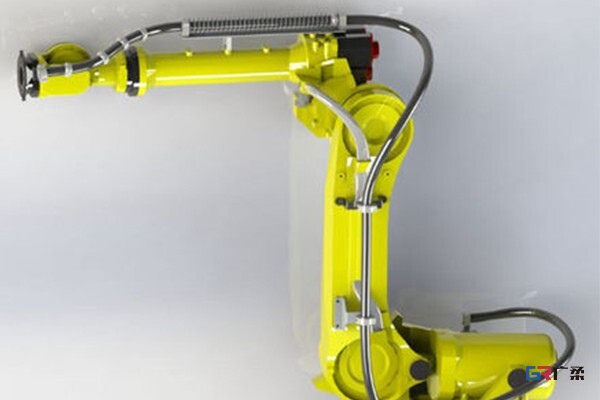
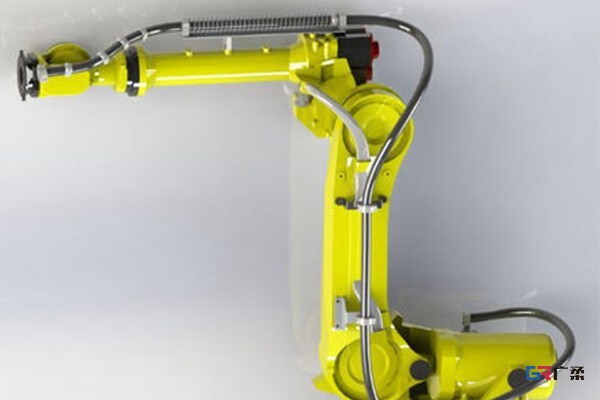
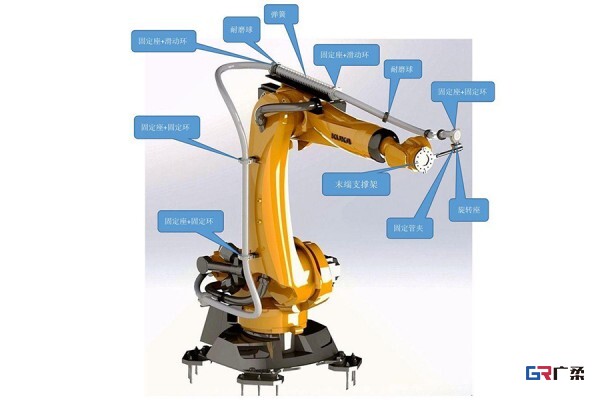
Moreover, advances in mechanical designs have introduced features like spring-return mechanisms that allow smoother movement between axes while protecting cable integrity. This not only streamlines installation but also simplifies maintenance tasks when issues arise. As a result, robotic systems equipped with advanced dresspacks can run for extended periods without unexpected downtime caused by cable-related failures. The cumulative effect is a broad improvement in efficiency and reliability of robotics across diverse industries.
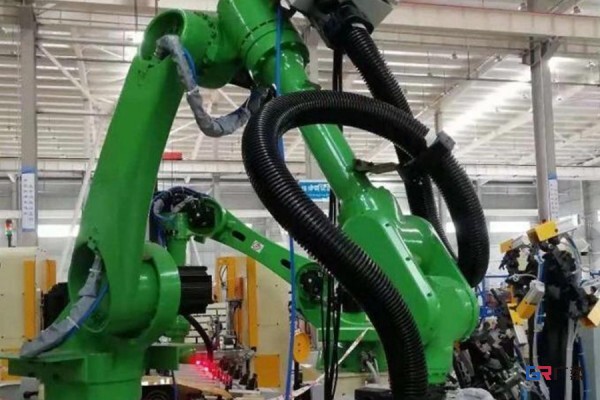
Optimizing performance in Robotic Applications
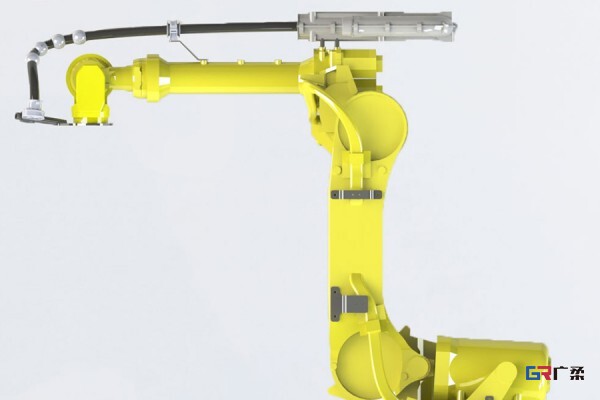
The design of industrial robot dresspacks plays a key role in enhancing the performance of robotic systems. By providing efficient cable management, these systems reduce the risk of entanglement and damage, which can lead to operational inefficiencies. Modern dresspacks are engineered to accommodate the unique movements and requirements of various robotic applications, ensuring that cables and hoses stay secure and organized throughout their operation. Innovative features, such as flexible bending radii and lightweight materials, contribute to enhanced agility and speed of robotic arms. Also, advanced dresspack designs integrate technologies that monitor cable condition in real time, allowing for proactive maintenance and minimizing unexpected downtime. As industries increasingly depend on robotics for demanding tasks, optimizing performance through well-designed dresspacks becomes essential for maintaining productivity and achieving operational goals. The interaction between engineering progress and practical application continues to shape the future of industrial automation, driving efficiency across diverse sectors.
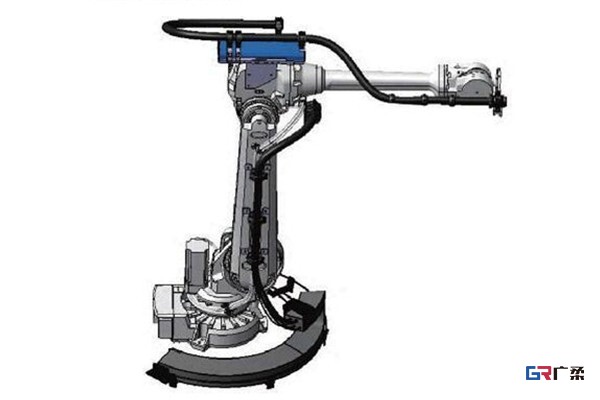
Key features of Modern Dresspacks
Modern dresspacks incorporate several important features designed to improve performance and reliability in robotic applications. One crucial aspect is the use of durable materials that withstand high stress and environmental factors, which extend the lifespan of the cables and hoses they protect. These materials often include reinforced plastics or specialized composites that maintain structural integrity under intense mechanical loads. Another important feature is the modular design, allowing for easy customization and upgrades based on specific operational needs. This adaptability ensures that companies can adjust their systems without extensive downtime.
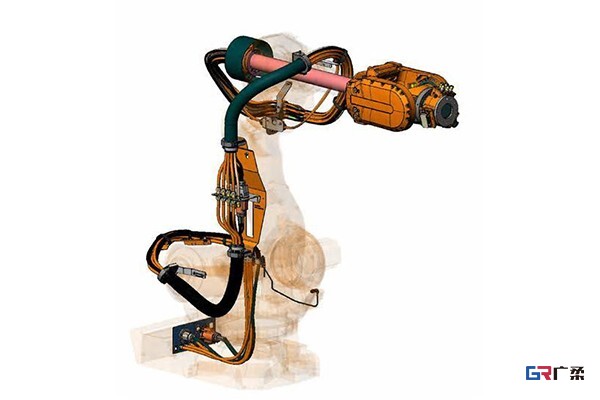
Moreover, modern dresspacks often include advanced routing systems that minimize cable wear and facilitate smooth movement. These systems feature articulated joints and spring-return mechanisms, which promote flexibility while safeguarding cables from tension or kinks during operation. Additionally, many dresspacks are equipped with integrated accessories like clips and clamps that further secure connections, ensuring they stay intact even in high-movement environments. Overall, these features collaborate to optimize the functionality of industrial robots across diverse sectors, from automotive manufacturing to automated assembly lines.
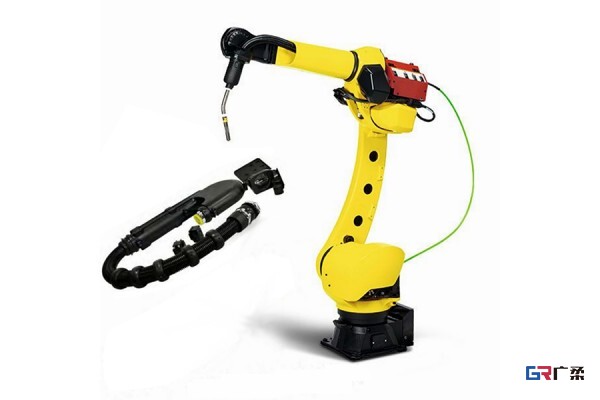
Applications of Dresspacks Across Industries
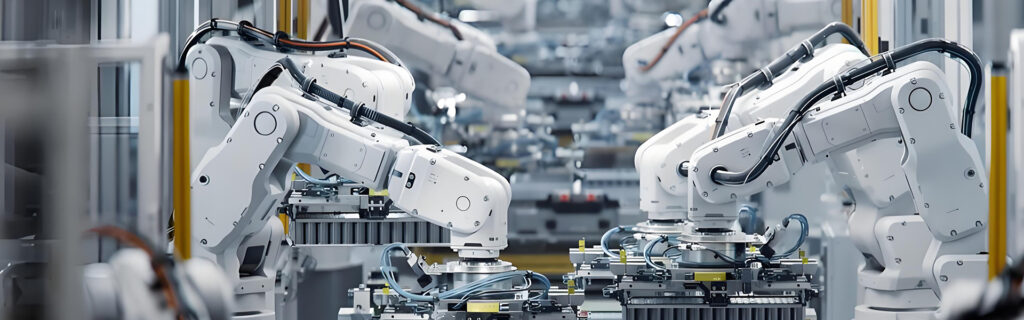
Dresspacks are essential components in a range of industrial applications. In the manufacturing sector, they enable seamless operation of robotic arms, ensuring power and data cables stay organized and protected during high-speed cycles. In automation, these systems enable reliable communication between machinery and control systems, boosting efficiency and reducing the likelihood of failure. The automotive industry benefits from dresspacks by maintaining crucial connections in assembly lines, where precision is paramount.
In shipbuilding, dresspacks are used to manage cables in robotic welding and assembly processes, crucial for structural integrity. The communications sector uses dresspacks to support cabling requirements in both terrestrial and aerial robotic systems, enabling efficient data transfer without interruption. In the refined oil industry, robust dresspack designs help withstand harsh environments while maintaining essential power connections for extraction and processing equipment. Overall, dresspacks adapt to specific industry needs by promoting performance reliability across diverse applications.
Design principles for Effective Cable Protection
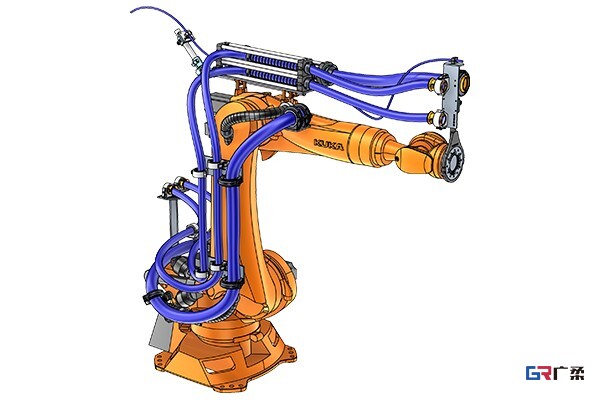
Effective cable protection in industrial robot dresspacks centers on several essential design principles. First, the conformity of protective structures to the robot’s specific movement patterns is key. This ensures cables and hoses are shielded from wear and tear while enabling smooth operation. High-quality materials must be employed to withstand the stresses of repeated cycles, which include resistance to abrasion and environmental factors. Also, well-placed fixtures and guides ensure that cables are securely held in place, minimizing movement that could lead to damage.
The overall design should facilitate easy access for maintenance while keeping a compact layout. Incorporating flexible elements, such as articulated joints or spring-return mechanisms, allows for greater freedom of movement without compromising cable integrity. Furthermore, employing modular designs can boost adaptability, enabling quick substitutions or repairs when needed. These principles not only improve cable longevity but also contribute significantly to minimizing operational downtime and boosting efficiency across various robotic applications.
Future trends in Industrial Robot Dresspack Design
The future of industrial robot dresspack design is poised for a substantial transformation driven by progress in materials science and engineering technologies. Innovative materials, like lightweight composites, will offer enhanced strength and flexibility, improving the durability of dresspacks under extreme conditions. Also, the integration of smart technologies will play a key role; sensors embedded within dresspacks can monitor performance and signal maintenance needs proactively, reducing unexpected downtime. Growing customization will also become a trend, enabling designers to tailor dresspacks to their operational environments. This adaptability is crucial as robotic applications evolve, demanding more specialized solutions for cable management. Moreover, sustainable practices are surfacing as a priority, with a push toward recyclable materials and energy-efficient manufacturing processes. Such developments not only improve the environmental footprint but also appeal to industries focused on corporate responsibility. Overall, these trends indicate a shift toward smarter, more resilient designs that improve the efficiency and reliability of robotic systems across diverse sectors.
Conclusion
The advancements in industrial robot dresspack design significantly affect the effectiveness and reliability of robotic systems. With a focus on improved cable protection, modern dresspacks now use innovative materials and technologies that boost durability against wear and environmental challenges. These developments lead to reduced downtime, ensuring smoother operations across diverse industries. Moreover, thoughtful design principles support effective cable management, optimizing performance while safeguarding crucial connections. The integration of intelligent technologies will likely transform dresspacks further, enabling proactive maintenance and boosting system resilience. As industries evolve, the importance of selecting the right dresspack becomes clear; engineers must consider not only the protective qualities but also the adaptability to specific application needs. In essence, the continuous improvements in dresspack technology are crucial for sustaining efficient automation in a rapidly changing industrial landscape.
FAQs
What is an industrial robot dresspack?
An industrial robot dresspack is a cable-management system that organizes and protects the cables and hoses connected to robotic arms.
How do dresspacks improve cable durability?
Dresspacks improve cable durability by using advanced materials that resist abrasion and environmental factors, ensuring longer-lasting protection for essential cables.
What features should I look for in a modern dresspack?
Key features to consider include durable materials, modular designs, efficient routing systems, and integrated accessories that secure connections.
How do dresspacks reduce operational downtime?
Dresspacks reduce downtime by providing robust cable protection, preventing damage from wear and tear, and enabling quicker maintenance or upgrades.
In which industries are dresspacks commonly used?
Dresspacks are commonly used in manufacturing, automotive assembly, automation, shipbuilding, communications, and the oil industry among others.
Can I customize dresspacks for specific applications?
Yes, many modern dresspacks are designed with modular elements to allow customization based on the unique requirements of specific robotic applications.