main Takeaways
Robot dress packs are integral to modern automation, providing important solutions for cable management and component protection. They facilitate the seamless integration of cables and hoses into robotic systems while allowing for extensive movement without hindrance. This functionality not only protects wiring from physical damage but also enhances the efficiency and reliability of robotic operations. The improved cable organization results in lowered maintenance requirements, ultimately reducing downtime during critical processes.
Furthermore, selecting the right dress pack involves understanding various factors like environmental conditions and the specific needs of robotic applications. Engineers must consider materials used in dress packs, as they can significantly influence performance and durability over time.
The growing focus on advanced features within dress packs demonstrates a trend toward enhancing adaptability in various industrial applications. With continuous advancements in technology, future developments in robot dress packs will likely promote greater operational flexibility and performance enhancement across multiple sectors. Ultimately, a complete understanding of dress pack functionality supports engineers in optimizing their robotic systems for better outcomes in automation processes.
Understanding robot dress packs
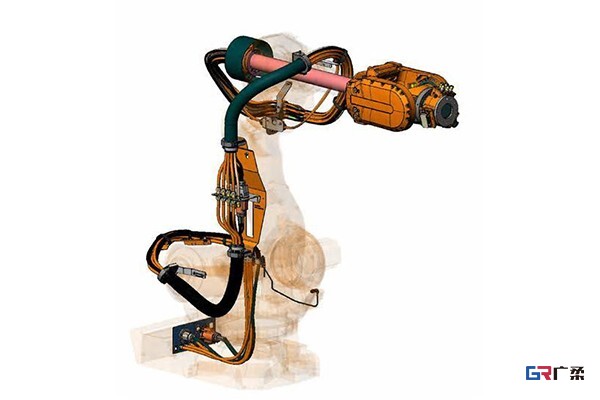
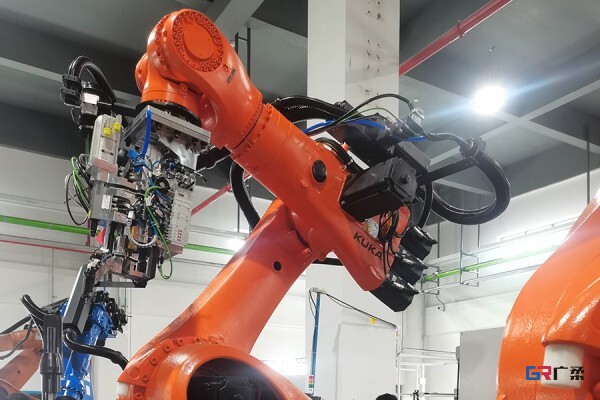
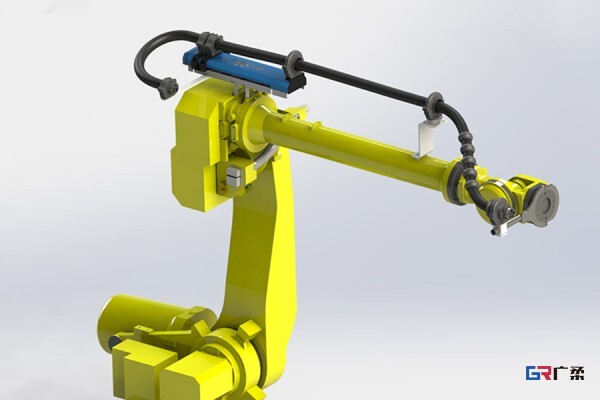
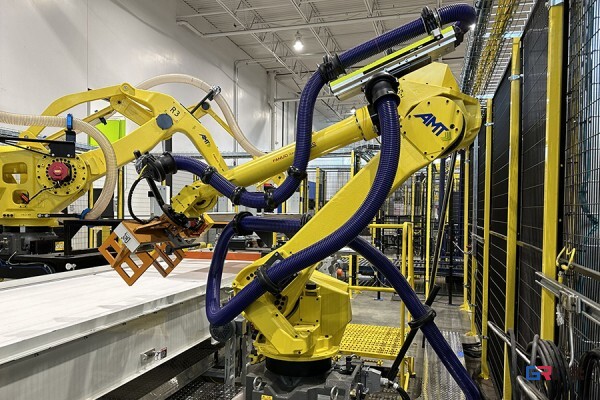
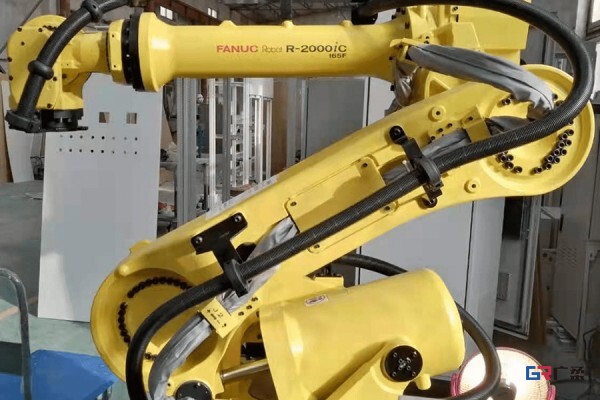
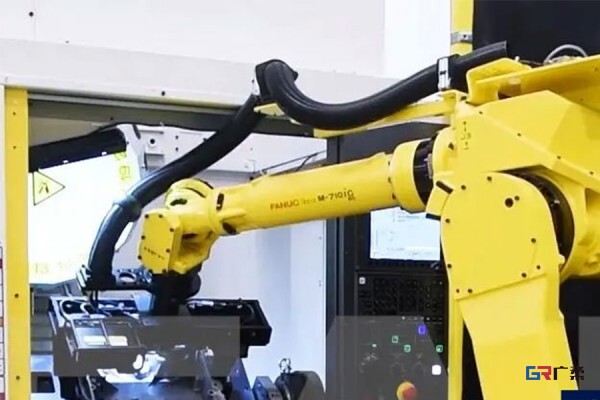
robot dress packs play a vital role in managing cables and hoses within robotic systems. They are designed to bundle and protect vital components without restricting the movement of the robot. This protection is important, as it helps to minimize bending, torsion, and wear on cables, air hoses, and wiring harnesses. A well-constructed dress pack not only safeguards these components but also extends their service life significantly. By maintaining the integrity of cables under extreme conditions, dress packs ensure smooth operation and reduce the likelihood of mechanical failure. They often incorporate various features such as bellows for flexibility, fixtures for secure mounting, and accessories like anti-collision rings and positioning rings to improve functionality. The relationship of these components allows for seamless movement while accommodating high-speed robotic tasks. Understanding the construction and functionality of robot dress packs is essential for anyone involved in automation industry operations or robotic applications, as it can lead to improved performance and reliability across a wide array of applications.
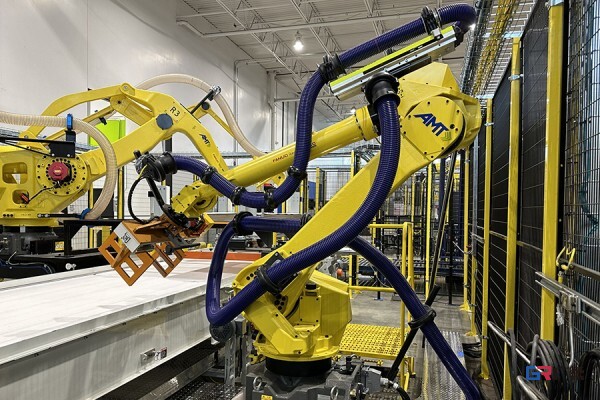
Benefits of Dress Packs in Automation
Dress packs serve essential roles in automation by ensuring the efficient management of cables and hoses within robotic systems. They protect vital components against damage while facilitating uninterrupted movement. The effective organization of wiring harnesses contributes to increased reliability and decreased downtime, which is important for maintaining productivity in automated processes.
Moreover, dress packs help minimize wear and tear caused by friction and bending during operation. This feature extends the lifespan of cables, lowering maintenance costs over time and reducing the frequency of replacements. furthermore, the integration of advanced features like strain relief mechanisms improves overall cable performance, preventing failures that could lead to significant operational disruptions.
By allowing for better organization of cables, dress packs enable optimally designed robotic workflows. This ability to manage cable pathways effectively leads to enhanced operational flexibility. Industries with high demands, such as automotive manufacturing and industrial automation, benefit from these advantages. Overall, the implementation of dress packs can significantly bolster performance in various automated environments.
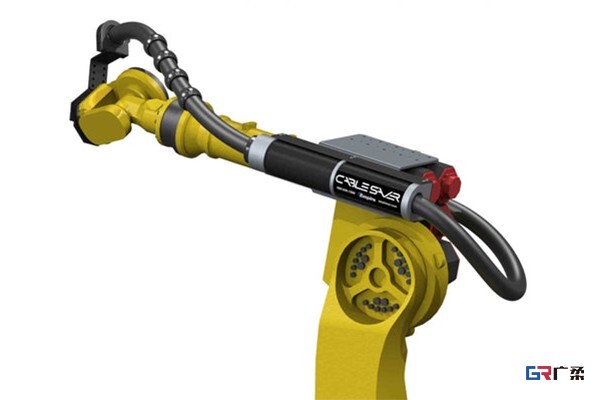
important Components of Dress Packs
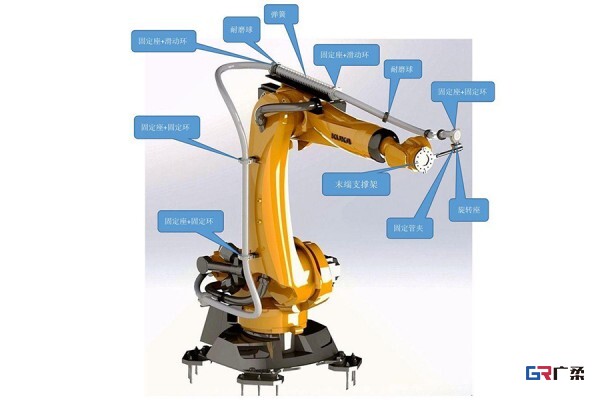
Robot dress packs consist of several important components designed to ensure cable protection and efficient functionality during robotic operation. The main parts include bellows, which offer flexibility and protection against dust and debris. Fixtures and mounting brackets secure the dress packs to robots, allowing for proper cable routing without compromising movement. Accessories like hose clips and anti-collision rings prevent tangling and wear, while positioning rings facilitate effective cable alignment. also, fixing bases provide stability, helping maintain the ideal position even under movement. Telescoping sleeves enable limited extension and retraction capabilities, accommodating the dynamic nature of robotics. Wear rings absorb impacts, contributing to the overall durability of dress packs, while adapter and marking rings help categorize wiring for easier identification and management. Spring telescoping units improve operational efficiency by simplifying installations with tool-free adjustments. Together, these components form a cohesive system that supports high-speed applications in various industries while mitigating wear and prolonging service life.
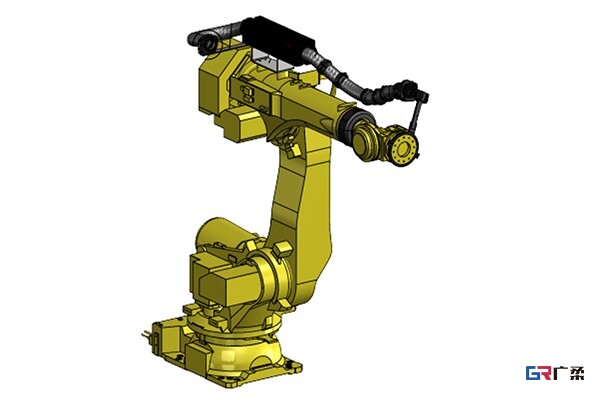
Applications of Robot Dress Packs
Robot dress packs play a vital role across various industries, significantly improving the efficiency and durability of robotic systems. In automotive manufacturing, dress packs protect cables and hoses necessary for assembly line robots, reducing the risk of wear and improving operational reliability. In industrial automation, they provide important cable management solutions that facilitate seamless movement during complex tasks, such as pick-and-place operations. Similarly, in the shipbuilding sector, dress packs ensure that dynamic cable systems remain organized and free from damage while robots navigate tight spaces and heavy loads.
furthermore, within the chemical processing and oil refining industries, dress packs safeguard sensitive cables from harsh environments and chemical exposure. Their applications extend to digital monitoring systems where they maintain reliable connections for data transmission. Rail transport also benefits from robot dress packs by enabling automated systems that rely on secure power and communication lines. As robotic technology continues to evolve, the versatility of dress packs in these varied applications will only grow more critical in maintaining smooth operations across sectors relying on automation.
Dress pack installations made easy
installing a dress pack involves several straightforward steps that can significantly simplify cable management for robotic systems. Begin by assessing the robot’s specifications and the operational environment. Select a dress pack that meets the necessary requirements for durability and functionality. Once the appropriate dress pack is chosen, prepare the robot by ensuring clean surfaces and removing any debris that could hinder installation.
The installation process can be streamlined by utilizing quick-clip technology or pre-mounted fixtures, which allow for rapid deployment. Make sure to securely attach mounting brackets, ensuring proper alignment for optimal functionality during robotic operations. Use cable fastening rings to maintain strain relief and ensure that cables are cushioned against potential wear.
It is also essential to verify that all components, such as positioning rings and wear rings, are correctly positioned to facilitate smooth movement without interference. By following these guidelines, engineers can achieve efficient installations that improve performance while minimizing maintenance demands over time.
Enhancing cable management with Dress Packs
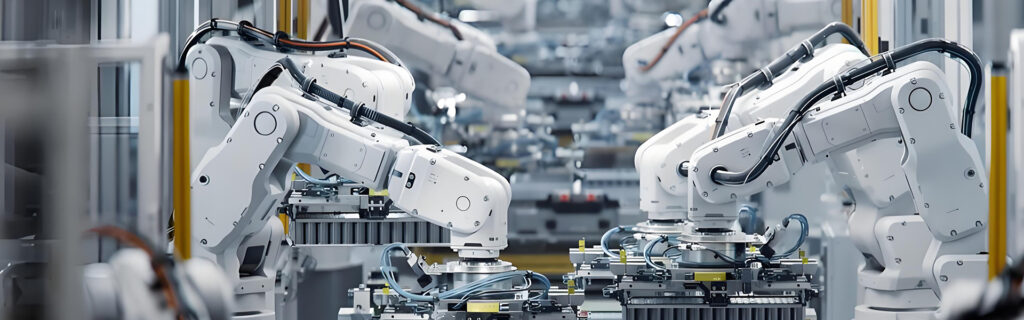
Robot dress packs improve cable management by providing structured guidance and protection for essential wires and hoses. These systems effectively reduce wear caused by movement and environmental factors, ensuring that cables experience less stress. A well-designed dress pack allows for organized routing, preventing tangling and snagging that can lead to downtime in automation processes. Moreover, they offer flexibility in motion, accommodating the dynamic requirements of robotic arms without compromising the integrity of the cables.
"Utilizing dress packs can substantially decrease maintenance costs by extending cable lifespan and reducing the frequency of replacements."
In addition to protection, dress packs facilitate quick access to cables during maintenance, minimizing interruptions in operation. Their modular design enables easy installation and adjustments based on evolving robotic tasks. Such versatility contributes to a more efficient workflow, saving useful time in both setup and troubleshooting stages. Ultimately, incorporating dress packs into robotic systems is vital for enhancing overall cable management strategies across various industries.
Industry standards for Dress Packs
Industry standards for robot dress packs are essential for ensuring safety, reliability, and performance in various applications. Organizations like the International Electrotechnical Commission (IEC) and Underwriters Laboratories (UL) establish guidelines that govern materials, design, and testing procedures. These standards focus on main areas such as electrical safety, mechanical reliability, and environmental resilience. Compliance with standards like ATEX ensures that dress packs used in explosive atmospheres maintain functionality while reducing hazards. Certifications such as RoHS demonstrate that materials used are free from harmful substances. also, the IP68 rating signifies dust-tight protection and the ability to withstand prolonged immersion in water. These certifications not only provide assurance to manufacturers but also promote best practices across industries like automotive manufacturing, automation, and chemical processing. As the demand for robotic systems continues to grow, adherence to these industry standards becomes increasingly critical to maximize performance and minimize downtime.
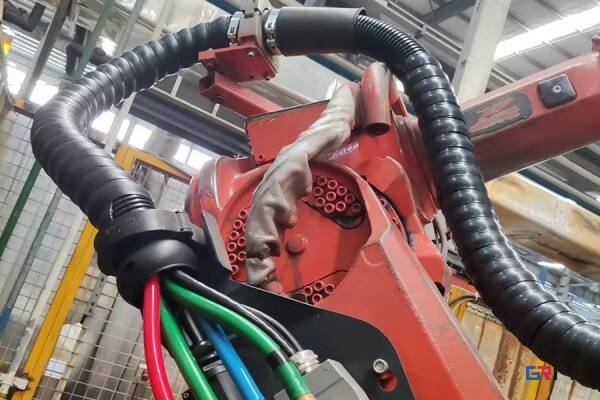
Future trends in Robotic Cable Protection
The evolution of robotic cable protection focuses on enhancing performance while ensuring safety and reliability in operation. Advanced materials are emerging, such as lightweight composites and durable thermoplastics, which provide increased flexibility and resistance to wear and environmental factors. Wireless technology is gaining traction, potentially reducing the reliance on cables altogether. also, the integration of artificial intelligence (AI) in monitoring systems allows for real time analysis of cable wear and tear, enabling proactive maintenance measures. Furthermore, modular designs are becoming popular, allowing for easier customization and faster replacements of dress pack components. Companies like HELUKABEL are investing in research to develop solutions that not only protect cables but also adapt to the increasing complexity of robotic tasks. These innovations reflect a shift towards creating more resilient systems that can withstand higher operational demands while maintaining efficiency in automation processes. The future promises an ongoing refinement of dress packs to meet the challenges posed by advancing robotic technologies across various industries.
Conclusion
robot dress packs are essential for effective cable management in automated systems. Their design not only protects useful wires and hoses but also ensures that robotic movements remain unimpeded. As industries continue to embrace automation, the importance of reliable and efficient dress packs will only increase. The right selection of dress pack features can profoundly impact operational efficiency, reducing downtime and maintenance costs. Furthermore, developments in materials and technology promise enhanced durability and flexibility for future applications. A forward-thinking approach to robotic cable protection prepares industries to adapt to evolving operational demands while maximizing performance. Understanding the dynamics of robot dress packs is important for engineers aiming to optimize automation processes across diverse sectors.
FAQs
What is a robot dress pack?
A robot dress pack is a protective system designed to manage cables and hoses in robotic applications, ensuring organized routing and safeguarding components from damage.
Why are dress packs important in automation?
Dress packs are important because they boost cable management, reduce wear and tear on cables, and contribute to the overall reliability and efficiency of robotic operations.
How do I choose the right dress pack for my robot?
To select an appropriate dress pack, assess your robot’s specifications, consider the operating environment, and evaluate the required features for durability and flexibility.
What materials are commonly used in dress packs?
Common materials for dress packs include thermoplastic elastomers, lightweight composites, and metals, each chosen based on their protective qualities and suitability for specific environments.
Can I install a dress pack myself?
Yes, installing a dress pack can be done with some basic tools. Following clear installation guidelines can simplify the process for effective cable management.
How do dress packs improve maintenance efficiency?
Dress packs facilitate easier access to cables during maintenance, allowing for quick inspections and minimizing downtime in operations while protecting essential wiring systems.
Are there industry standards for robot dress packs?
Yes, there are several industry standards that govern the design and use of robot dress packs. These include guidelines from organizations like IEC and UL focusing on safety and performance.