main Takeaways
Robot dresspacks help keep robotic systems reliable and efficient across industries. They protect and organize cables and hoses and allow smooth movement during operations, which affects performance. A solid dresspack design reduces wear and breaks in dynamic environments. When choosing a dresspack, know the application’s needs—load, environment, and movement patterns. Regular maintenance and correct installation extend the life of these systems. Tailored dresspack solutions let facilities run more smoothly and cut downtime, improving the workflow.
Understanding robot dresspack
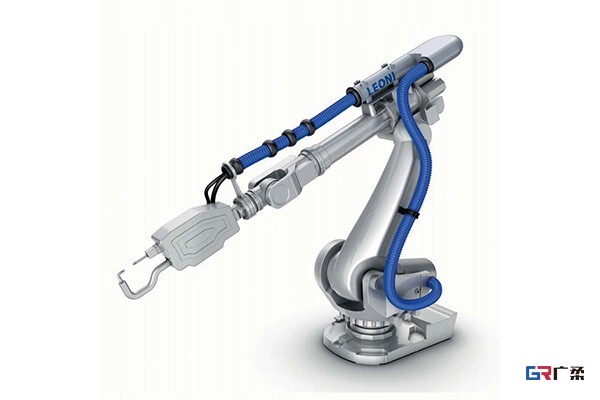
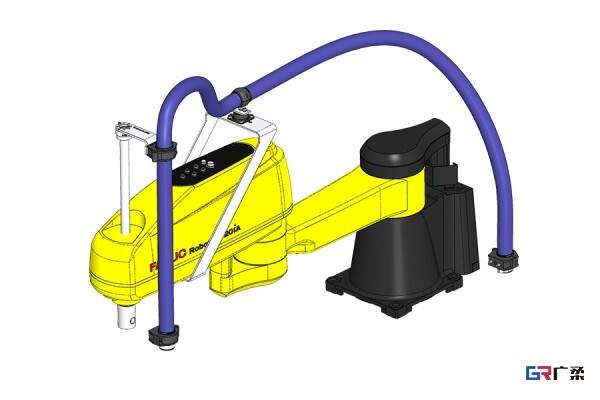
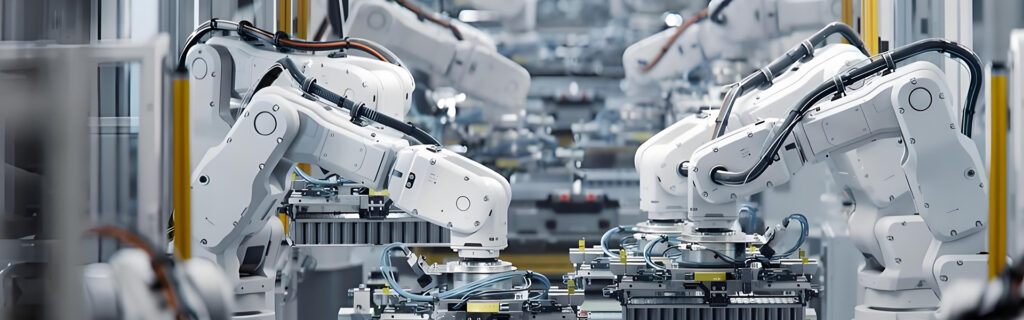
robot dresspacks, or robotic cable protection systems, are built to protect and manage cables and hoses in robotic work. They ensure reliable power, data transfer, and fluid supply during operations. With lifespans spanning millions of cycles, the integrity of these assemblies affects overall efficiency. Failures cause downtime, often making up a large share of industrial issues.
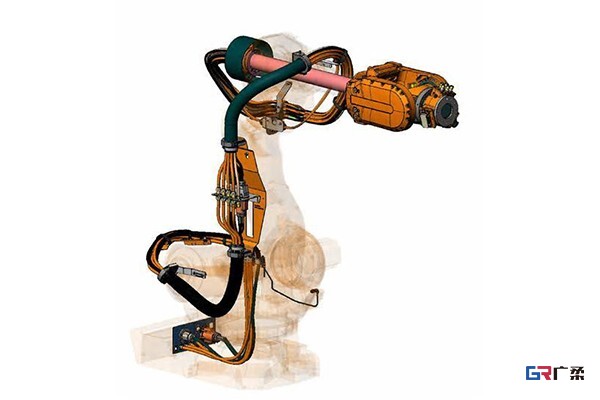
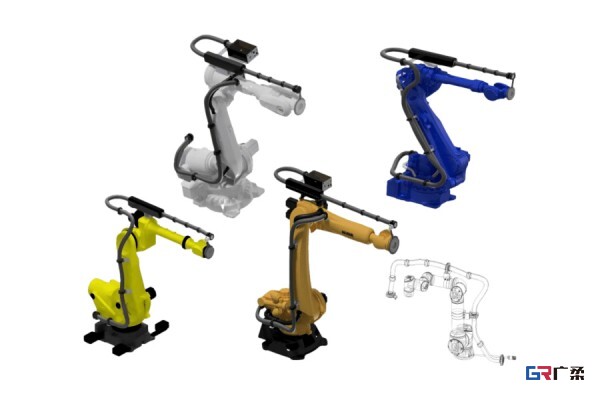
Getting it right depends on careful engineering. Clear 3D models help technicians position the parts correctly during installation.
Dresspacks must fit the specific demands of each robotic task, matching the load and the conditions. Good designs include features that allow bending and movement while protecting the cables from wear and tear. This adaptability improves performance and lengthens service life.
"In choosing a robot dresspack, make sure it fits the environment and the robot’s tasks."
Applications of Robot Dresspack
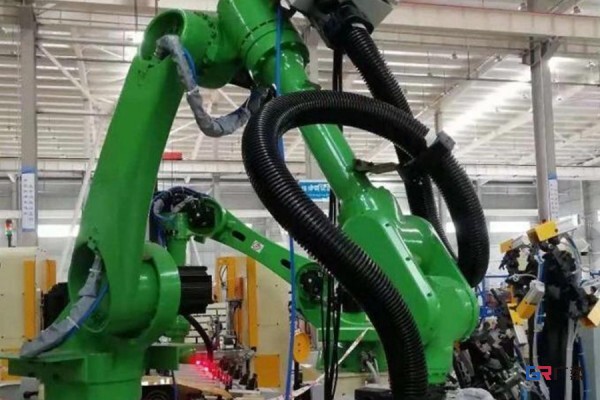
Dresspacks are used across many sectors to keep robotic systems running reliably. In auto assembly lines, they shield cables and hoses where precision matters. Rail systems use them to protect signal and power cables from stress and the elements. Industrial automation relies on dresspacks to streamline packaging and assembly tasks.
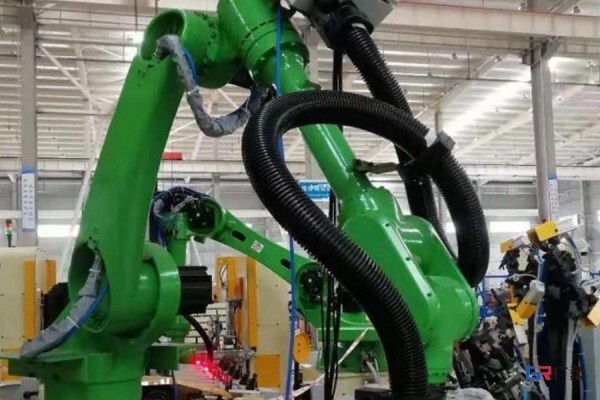
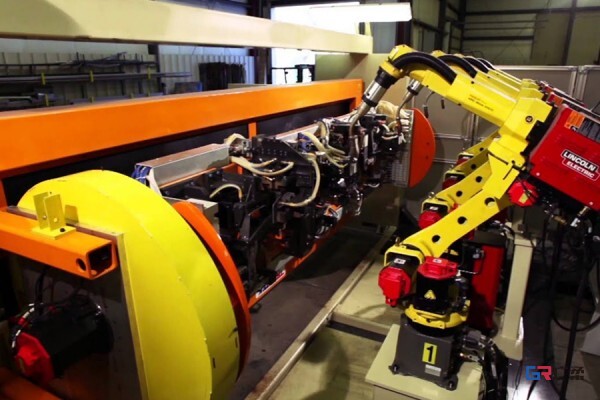
They handle flexible cables during dynamic moves in welding robots. In communications tech, they manage data cables for steady signal flow. Custom dresspack solutions fit unique needs, handling different loads and installation layouts. That flexibility keeps efficiency up and reduces downtime from cable failures.
| Industry | Application | Important Benefit |
|---|---|---|
| Automotive | Cable protection on assembly lines | Enhanced operation reliability |
| Rail Transportation | Signal and power cable management | Reduced mechanical stress |
| Industrial Automation | Streamlined tasks in packaging and assembly | Improved operational efficiency |
| Communication | Managing data cables in robotic installations | Uninterrupted signal transmission |
Core components of Dresspacks
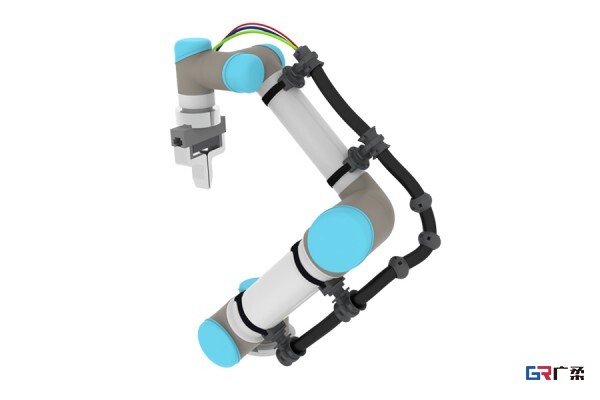
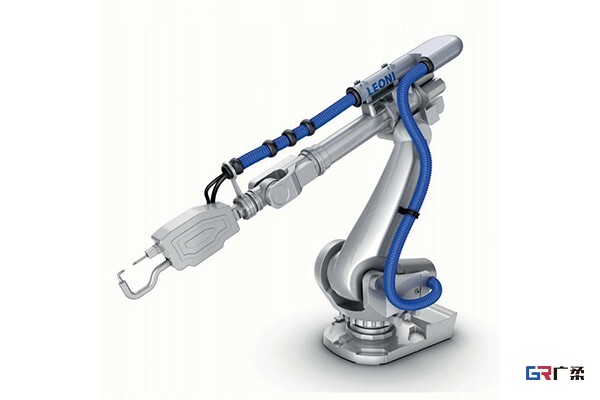
dresspacks have a few main parts that work together to keep robotic systems running smoothly. Bellows shield cables and hoses while allowing movement. Fixtures and mounting brackets hold things in place for easier installation and service. Strain-relief parts, like end sleeves, reduce stress where cables exit, preventing damage over time. Telescoping sleeves adapt length as the robot moves. Wear rings cut friction between moving parts, extending service life. These parts are built to survive tough environments and demanding tasks, keeping systems functional throughout their life. Tailoring them to each robotic task matters for performance and reducing wear-related downtime.
Tailored solutions for Robots
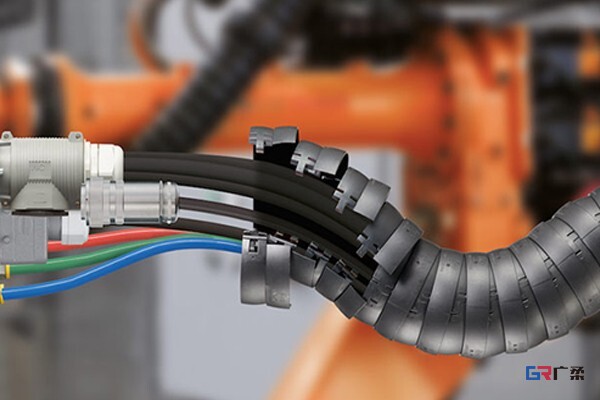
Custom dresspacks start with the specifics of each application. Engineers look at the environment, load, and movement to shape a design that shields cables and hoses. The packages account for temperature swings, chemical exposure, and mechanical stress. Close collaboration with clients makes sure the designs fit the layout and meet the actual needs. Some fields need extra strain relief or special brackets for heavier loads or dynamic moves. Feedback from operations helps improve dresspacks, boosting durability and efficiency. That approach cuts downtime and improves performance across settings.
Impact on Industry Efficiency
Dresspacks help efficiency across industries. They manage power and data, cutting downtime and keeping workflows steady. When systems run without hiccups, productivity rises. The correct dresspack lowers cable wear, reducing failures and maintenance. Auto manufacturing relies on them for precise assembly. Manufacturers’ targeted solutions fit different environments’ demands. As robotics get more complex, good dresspack design matters for output and reliability. Better movement flexibility lowers stress on parts during dynamic use, helping tasks finish smoothly without compromising safety.
Enhancing reliability in Robotics
Reliability in robotics depends on good cable management, and dresspacks do a lot there. These dresspacks shield cables, hoses, and wiring harnesses from wear and environmental factors. They give cables a clear path, reducing tangling and damage during cycles. Using wear-resistant materials and strain-relief parts lengthens cable life and lowers maintenance. That proactive stance cuts downtime from cable failures. Tailored solutions that match the environment, like temperature shifts and chemical exposure, boost reliability. Regular checks and proper installation are important to keep systems functional. Using detailed guides and 3D models can make setup smoother, ensuring every connection stays within specs. Solid performance from good dresspack integration can boost productivity across industries.
original Dresspack Features
Dresspacks include features that boost function and adaptability in dynamic settings. Flexible bellows let cables move a lot without damage. They absorb stresses during use, reducing wear. Strain-relief parts, like reinforced sleeves at exits, guard the joints where movement is strongest. Telescoping parts let the length adjust to fit different robot layouts. Wear rings extend life by reducing friction. Some units have sensors that monitor cable health and alert operators before a failure. These advances reflect a focus on protection, smoother operation, and lower maintenance costs.
Best practices in Installation
Proper installation is key to longevity and efficiency. Start by assessing the space for obstacles that could impede movement. Use detailed 3D drawings to guide assembly and position every part correctly. Watch cable bending radii and follow specs to prevent damage in motion. Secure mounts firmly, but skip over-tightening to avoid stress points. Also consider the environment; choose materials that stand up to temp changes and contamination. Schedule regular checks after installation to catch wear or misalignment early. Follow industry safety and compliance standards during installation. Work with engineers to tailor solutions for unique demands, aiming for best performance over the system’s life.
Conclusion
Dresspacks are a key part of modern robotics, supporting work across different tasks. They protect cables and hoses and can cut maintenance needs. Choosing and tailoring these systems matters for each task, considering load, movement, and environment. Ongoing improvements aim at durability and adaptability, helping robots work well in tough settings. Regular checks and solid installation practices help cut downtime and boost performance. As industries change, solid dresspacks remain a must for reliable automation.
FAQs
What is a robot dresspack?
A robot dresspack is a protective system that guards cables and hoses in robotic work.
How do dresspacks improve operational efficiency?
They organize and shield cables, reducing wear and downtime, letting robots run smoothly.
What materials are commonly used in dresspack construction?
Materials are chosen for durability, wear resistance, and ability to withstand environmental stresses.
Can robot dresspacks be customized for specific applications?
Yes. Designs are tailored to load capacity, movement patterns, and environmental conditions.
What maintenance is required for robot dresspacks?
Regular inspections for wear or damage help keep cables protected and systems running.
How do I determine the correct size of a dresspack for my robot?
Look at the robot and cable specs, focusing on movement needs and bending radii to pick a fit.
What industries commonly use robot dresspacks?
Automotive manufacturing, industrial automation, rail, and communications tech.
Do dresspacks require specialized installation techniques?
Yes. Proper installation means precise component placement and following manufacturer specs.