main Takeaways
Robotic dresspacks are essential components in the evolving scene of industrial automation, serving as the backbone for efficient cable management. They effectively shield cables and hoses from wear, ensuring robust performance while minimizing risks associated with damage. The right dresspack system enhances overall operational efficiency by promoting smooth movement and quick access for maintenance. With a variety of options available, selecting a dresspack tailored to specific operational requirements, including cable types and environmental factors, plays a critical role in sustaining productivity in automated facilities. Awareness of the latest innovations in materials and design further aids engineers in making informed decisions that improve reliability and performance. Regular testing and certification of dresspacks provide confidence in their durability and effectiveness, which is vital for maintaining seamless robotic operations. Understanding these main elements enables engineers to foster a more reliable work environment, ultimately contributing to the long term success of their robotic systems.
Importance of Robotic Dresspacks
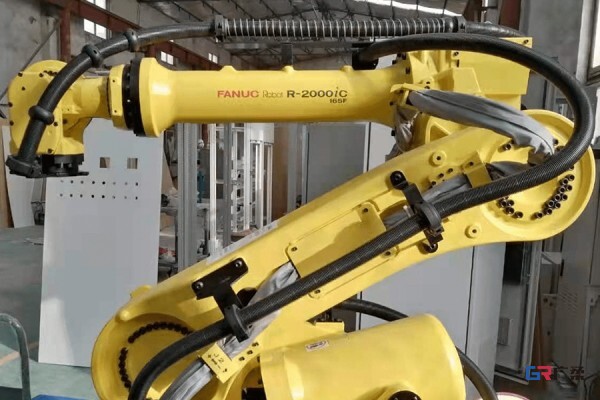
Robotic dresspacks play a important role in ensuring the functionality and efficiency of industrial robots. These systems provide essential protection for the cables and hoses that facilitate power and data transfer, contributing to seamless operation in demanding environments. With the rigorous demands of high-cycle operations, dresspacks are critical in preventing mechanical failures that can lead to costly downtime. By minimizing wear and tear on vulnerable components, they help extend the lifespan of cables and other connected elements. This is particularly important as robotic systems continue to evolve and integrate into various sectors. A reliable dresspack system adapts to the specific motion dynamics of each robot, ensuring that movement is unhindered while maintaining optimal cable integrity. Furthermore, the design considerations inherent in dresspacks are vital for keeping workspaces organized and safe, reducing tripping hazards associated with loose cables in hectic industrial settings.
Benefits of Enhanced Cable Management
Effective cable management in robotic dresspacks yields considerable advantages for industrial automation. By tightly organizing and securing cables and hoses, dresspacks minimize the risk of tangling or damage, which can lead to operational interruptions. This organization not only protects the integrity of power and data transmission lines but also facilitates swift maintenance and repairs, reducing overall downtime. Furthermore, enhanced cable management allows robots to operate at higher efficiency since the components can move freely without obstruction. This lowers the mechanical stress on cables and reduces wear over time, promoting a longer lifespan for both cables and the robotic system as a whole. furthermore, effective dresspack systems can contribute to improved safety within the workspace by preventing loose cables from creating trip hazards or interference with other machinery. Ultimately, these benefits translate into increased productivity and reliability for manufacturing processes across various sectors.
"Choosing the right dresspack system ensures that operational efficiency is maximized while protecting vital components."
main Components of Dresspack Systems
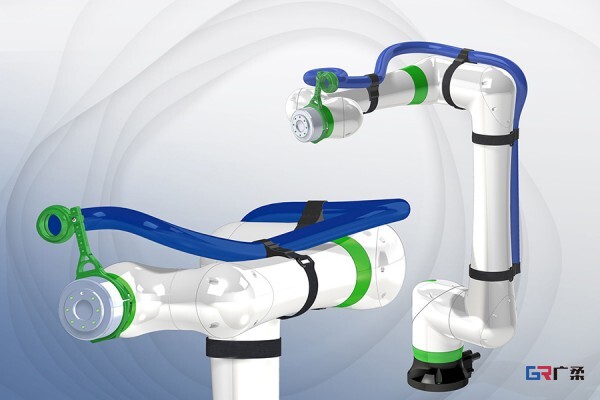
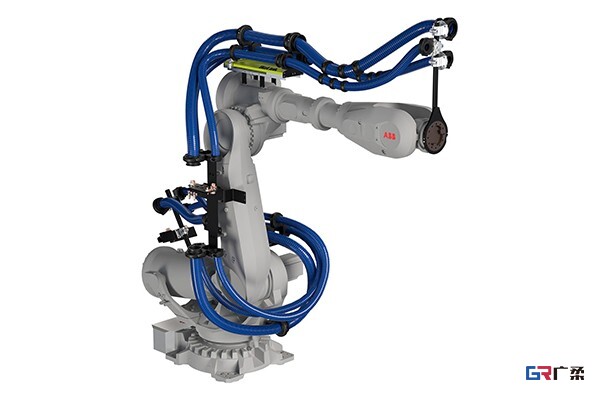
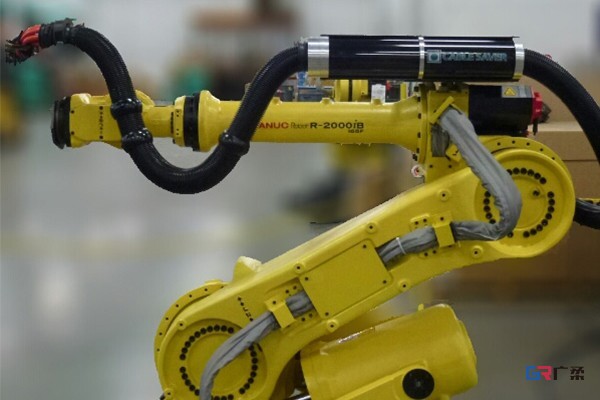
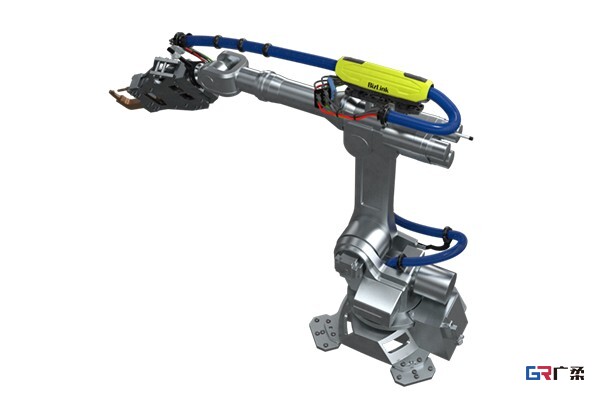
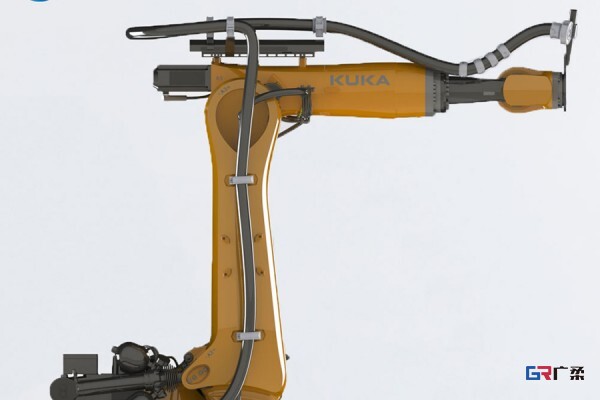
Robotic dresspack systems consist of several essential components that work together to ensure effective cable management in industrial robots. These include bellows, which provide flexibility while protecting cables and hoses from abrasion; fixtures, designed to secure components in place; and mounting brackets that facilitate easy installation and adjustment. Each part is tailored to withstand the specific rigors of robotic operations, helping to minimize bending stress and improving longevity. Furthermore, accessories such as fastening devices and position control rings boost the functionality of dresspacks by ensuring secure cable routing and allowing for movement precision. Some systems even incorporate telescoping mechanisms, accommodating the dynamic range of motion required in various industrial applications. By selecting high-quality components, operators can significantly improve the efficiency and reliability of robotic systems, ensuring optimal operational performance over extended periods. This complex design leads to better management of vital connections amidst the demanding environment faced by automated machinery.
Applications in Industrial Robotics
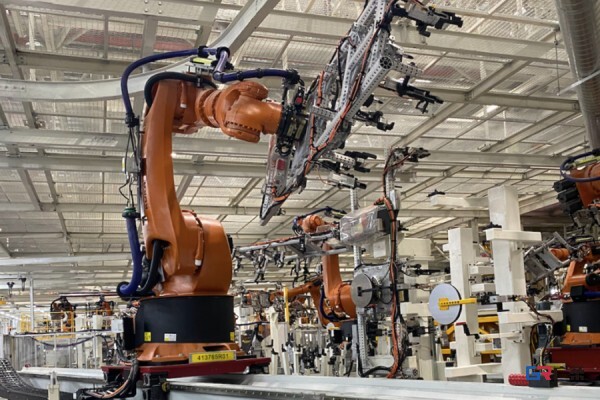
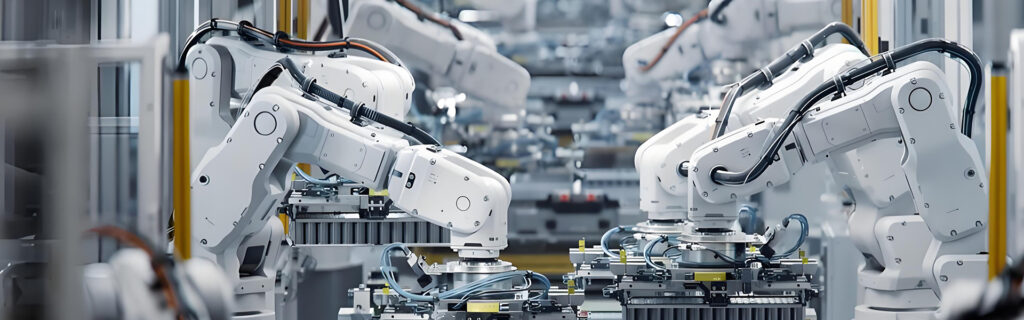
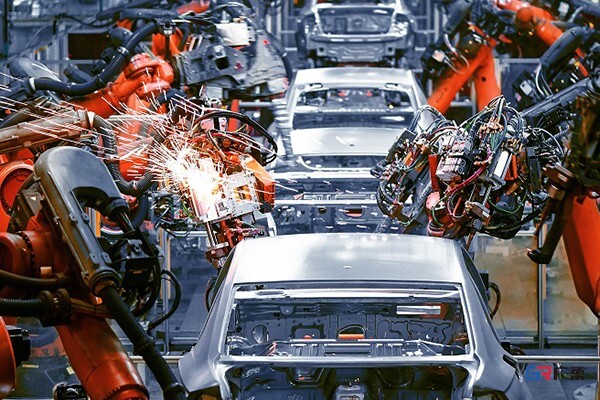
Robotic dresspacks play a critical role across various sectors within industrial robotics. They are indispensable in applications demanding precise and reliable cable management, such as welding, palletizing, and material handling. In automotive manufacturing, dresspacks ensure that robotic arms operate seamlessly during assembly lines, where continuous movement and dexterity are necessary for efficiency. In areas like rail transportation and shipbuilding, these systems help maintain the integrity of electrical and data connections amid high motion and environmental stress. The communication industry benefits from reliable dresspacks that handle the complex cabling required for automation processes. furthermore, sectors engaged in oil refining rely on robust dresspack solutions to protect sensitive cables exposed to harsh conditions. By promoting optimal cable routing and minimizing wear, robotic dresspacks boost the overall functionality of robots in these dynamic environments. Their ability to adapt to specific operational needs further underscores their importance in modern industrial automation.
Testing and Certifications for Dresspacks
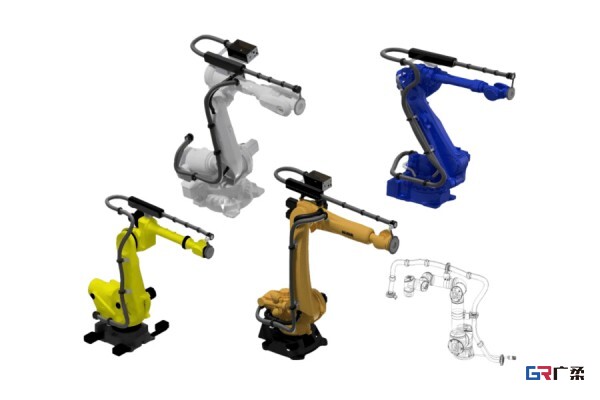
Robotic dresspacks undergo rigorous testing and certification processes to ensure they meet industry standards for durability and performance. These evaluations simulate real-world conditions, assessing factors such as tensile strength, flexibility, and wear resistance. Certifications from recognized organizations provide assurance that dresspacks can withstand the unique challenges found in industrial environments. Tests often include cycle durability assessments, exposure to extreme temperatures, and resistance to environmental hazards like chemicals and moisture. Compliance with international standards, such as ISO or IEC guidelines, is essential for manufacturers to demonstrate the reliability of their products. A well-certificated dresspack not only assures optimal performance but also minimizes the risk of unexpected failures that can lead to costly downtime in robotic operations. By choosing certified dresspacks, engineers can boost the longevity of robotic systems while ensuring safe and efficient cable management under demanding operational conditions.
Innovations in Cable Protection Solutions
Recent advancements in robotic dresspack technology focus on optimizing cable protection while enhancing flexibility and longevity. Manufacturers are introducing original materials such as lightweight thermoplastics and advanced composites that provide superior abrasion resistance and are also lighter than traditional materials, minimizing the robotic arm’s overall weight. Integration of smart cable management features, like built-in wear sensors, allows for real time monitoring of the cable condition, enabling preventative maintenance that can significantly reduce unexpected downtime. Moreover, modular designs are becoming more prevalent, allowing customization according to specific operational needs and simplifying installation or repair processes. Systems now include features for effective thermal management, protecting sensitive data wires from heat generated by nearby components. These innovations contribute to the evolving situation of industrial robotics by ensuring that essential cable connections maintain integrity under rigorous operational demands while promoting overall efficiency in manufacturing environments.
How dresspacks reduce downtime
dresspacks play a critical role in minimizing robotic downtime by effectively managing the cables and hoses that power and control robotic systems. By providing a structured environment for these connections, dresspacks prevent tangling, abrasion, and other forms of wear that can lead to unexpected failures. Such damage can necessitate extensive repairs or replacements, impacting productivity. Properly designed dresspacks distribute stress evenly across cables, reducing the risk of failure during high-cycle operations. Furthermore, their tailored design allows for the specific movement patterns required by different robotic applications, which helps maintain operational efficiency. Regular maintenance and inspection of these systems also contribute to prolonged lifespan and reliability. Ultimately, by ensuring that cables remain intact and operational even under strenuous conditions, robotic dresspacks significantly contribute to reduced downtime, allowing for continuous operation in various industrial environments.
Selecting the Right Dresspack for Robotics
Choosing the appropriate robotic dresspack involves several critical considerations tailored to specific operational needs. First, assess the type and volume of cables, hoses, and wiring harnesses that require protection. Each application may demand a different configuration; for instance, a welding robot may require more robust cable management than a simple assembly line robot. also, evaluate the environmental conditions where the robot operates, such as exposure to chemicals, temperature variations, or mechanical wear. Dresspacks must withstand these elements to maintain cable integrity.
Next, consider the flexibility and range of motion required by the robot. A dresspack should enable smooth movement without restricting the robot’s capabilities. The design should facilitate easy installation and maintenance while ensuring that components like bellows and fixtures adequately mitigate bending stress.
Lastly, consult relevant testing and certification data to ensure product reliability. Selecting a dresspack from a reputable manufacturer like HELUKABEL’s HELUROBOTICS® enhances confidence in performance standards. An informed selection process can significantly reduce operational downtime while promoting efficiency in cable management across various robotic applications.
Conclusion
robotic dresspacks are integral to the performance and reliability of industrial robots, addressing complex challenges in cable management. By safeguarding delicate cables and hoses, dresspacks facilitate uninterrupted operations, directly impacting productivity and efficiency. Their ability to minimize wear and prevent failures translates to significant reductions in costly downtime. Furthermore, innovations in material technology and design enhancements are evolving to meet the increasing demands of automated environments. Engineers face a critical decision when selecting a dresspack; it is essential to thoroughly evaluate both operational requirements and environmental constraints. The right choice not only bolsters performance but also contributes to a safer workspace by mitigating hazards associated with loose cables. Continued advancements in dresspack technology will likely harness greater potential for optimizing robotics across various industries, ensuring systems remain functional under rigorous conditions while extending their lifespan. The journey towards refined cable management solutions continues, paving the way for more reliable and capable robotic applications in manufacturing and beyond.
FAQs
What is a robotic dresspack?
A robotic dresspack is a cable management system designed to protect and organize the cables and hoses used in industrial robots.
Why are dresspacks important for industrial robots?
Dresspacks are important in preventing cable wear and tear, minimizing downtime, and ensuring smooth operation in demanding environments.
What materials are commonly used in dresspack construction?
Typically, dresspacks are made from durable materials such as thermoplastics and composites that provide abrasion resistance while being lightweight.
How do I determine the right dresspack for my robot?
Consider the specific cable requirements, environmental conditions, and operational flexibility needed for your robot’s application to choose the right dresspack.
Are there certifications for robotic dresspacks?
Yes, reputable dresspacks undergo testing and certification processes that ensure they meet industry standards for durability, performance, and safety.
What maintenance is required for dresspacks?
Regular inspections for wear and tear along with periodic cleaning to remove debris are necessary to maintain optimal performance of a robotic dresspack.